Unraveling the Secrets of Göbeklitepe's Architectural Marvels
An Overview of Göbeklitepe
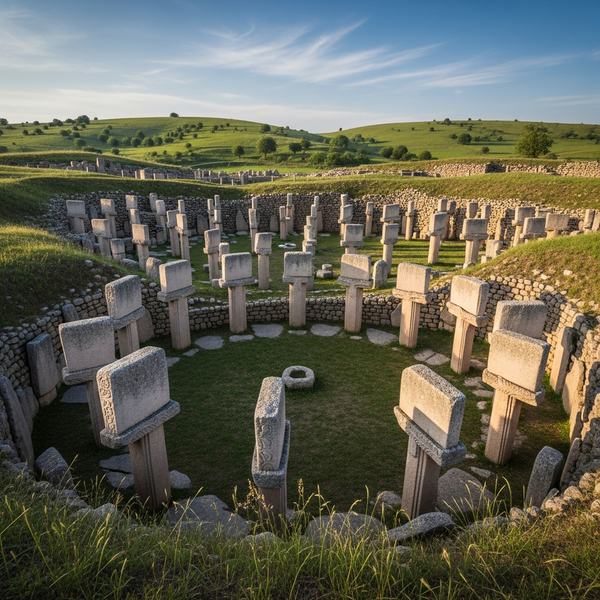
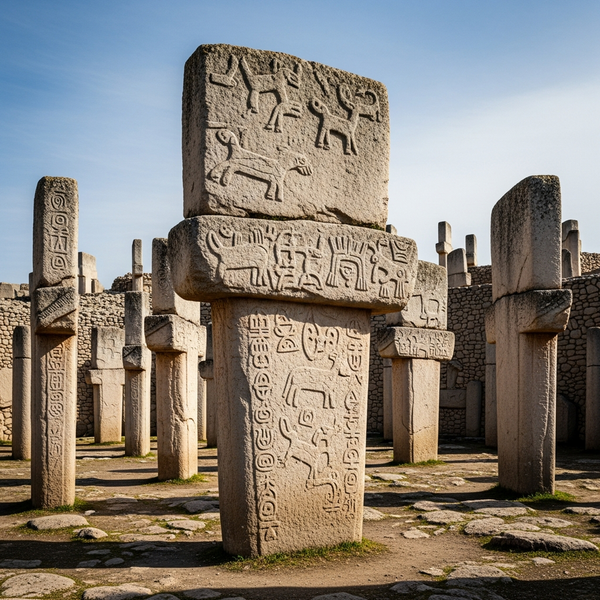
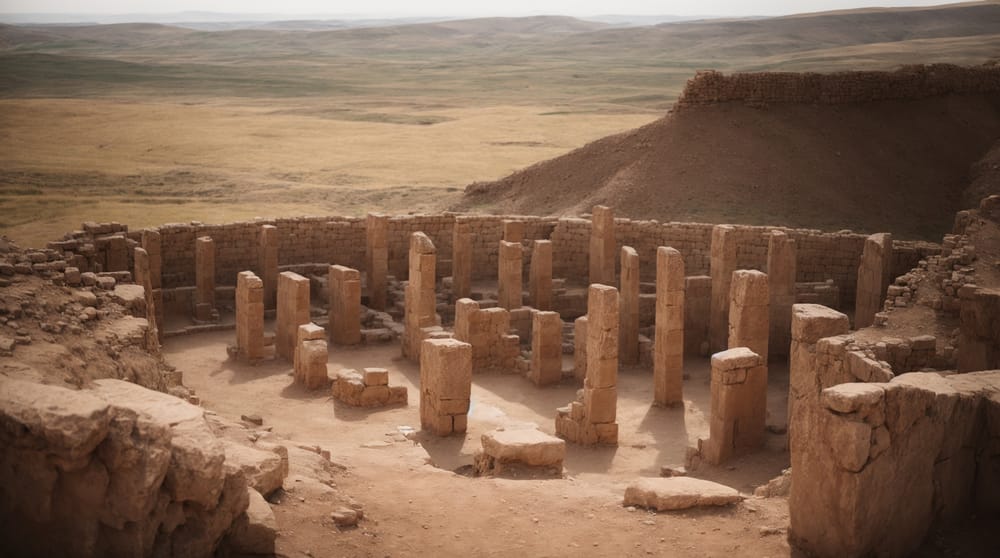
Göbeklitepe, situated in the southeastern region of Turkey, stands as a monumental testament to the ingenuity of prehistoric humankind, offering unparalleled insights into the Neolithic era. This archaeological site, dated back to the 10th millennium BCE, challenges previous notions of primitive societal structures, suggesting advanced communal and ritualistic practices. The meticulously arranged circular and oval stone structures, adorned with intricate carvings of animals and abstract figures, reveal a sophisticated level of artistic and architectural understanding, predating the invention of writing or the wheel.
The Architectural Significance of Göbeklitepe
What sets Göbeklitepe apart is not merely its age but the complexity of its architectural design. The site consists of massive T-shaped pillars, some reaching heights of up to 20 feet, meticulously carved from limestone and arranged in circular sets. These pillars are believed to be symbolic totems, possibly representing ancient deities or ancestral figures. This early example of monumental architecture illustrates a high level of planning and social organization, indicating that Göbeklitepe was a place of significant spiritual and social activities, rather than a simple settlement.
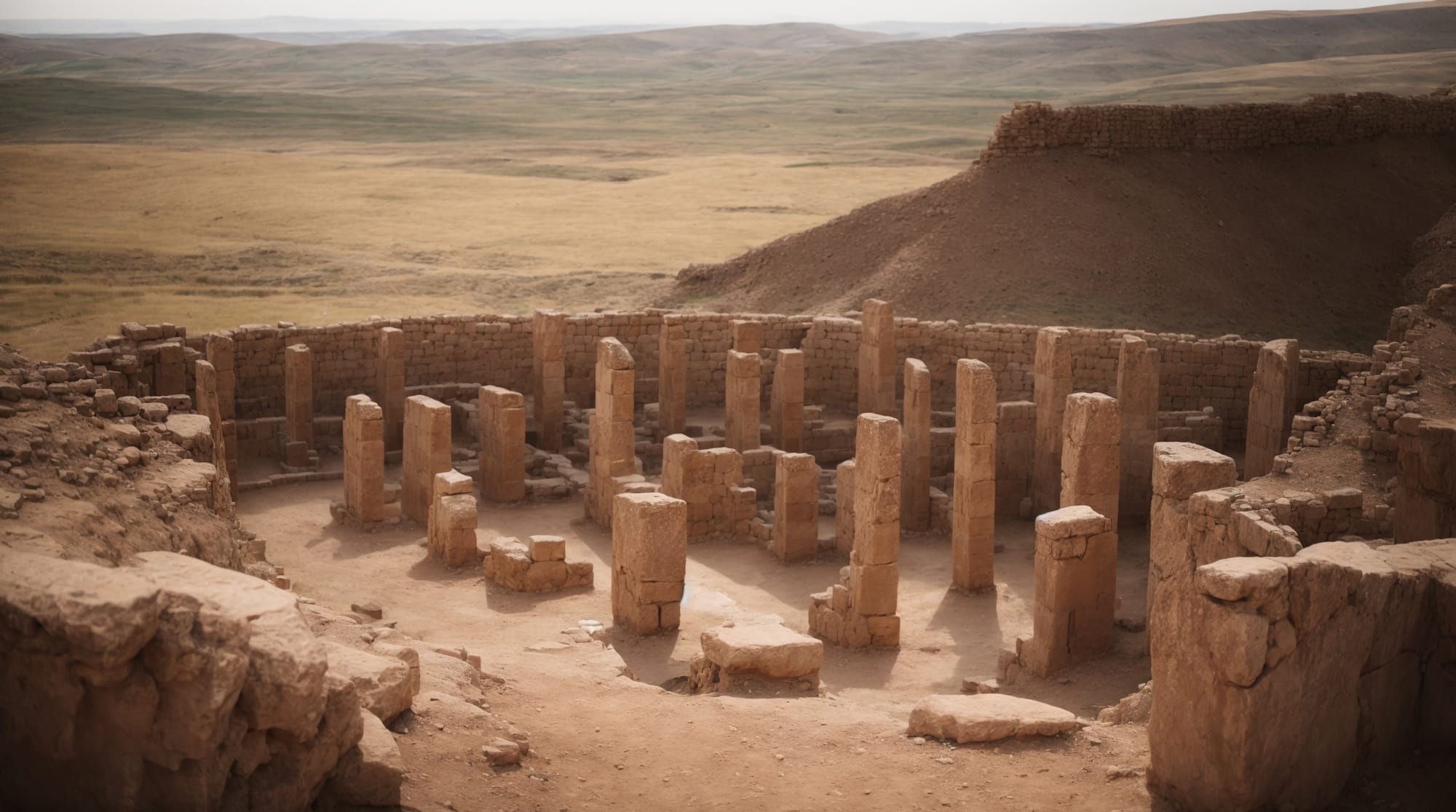
Archaeologists hypothesize that Göbeklitepe served as a central location for a form of ritualistic or ceremonial congregation that would have attracted groups from distant regions. This theory is supported by the lack of domestic remains, such as typical Neolithic housing structures, suggesting that the site's primary purpose was not residential. The substantial effort required to construct these pillars and the coordinated manpower suggests Göbeklitepe was a well-organized and significant site for early humans, serving purposes that may have included astronomical observations and seasonal gatherings.
Technological Innovations and Cultural Impact
The construction techniques employed at Göbeklitepe provides evidence of early technological advancements. Tools and methods used in carving these massive stones were sophisticated, indicating knowledge of material properties and structural engineering. Additionally, the site's layout suggests a deep understanding of geometric principles and spatial planning. These innovations not only reflect the capabilities of Neolithic humans but also their ability to influence subsequent architectural developments in human history.
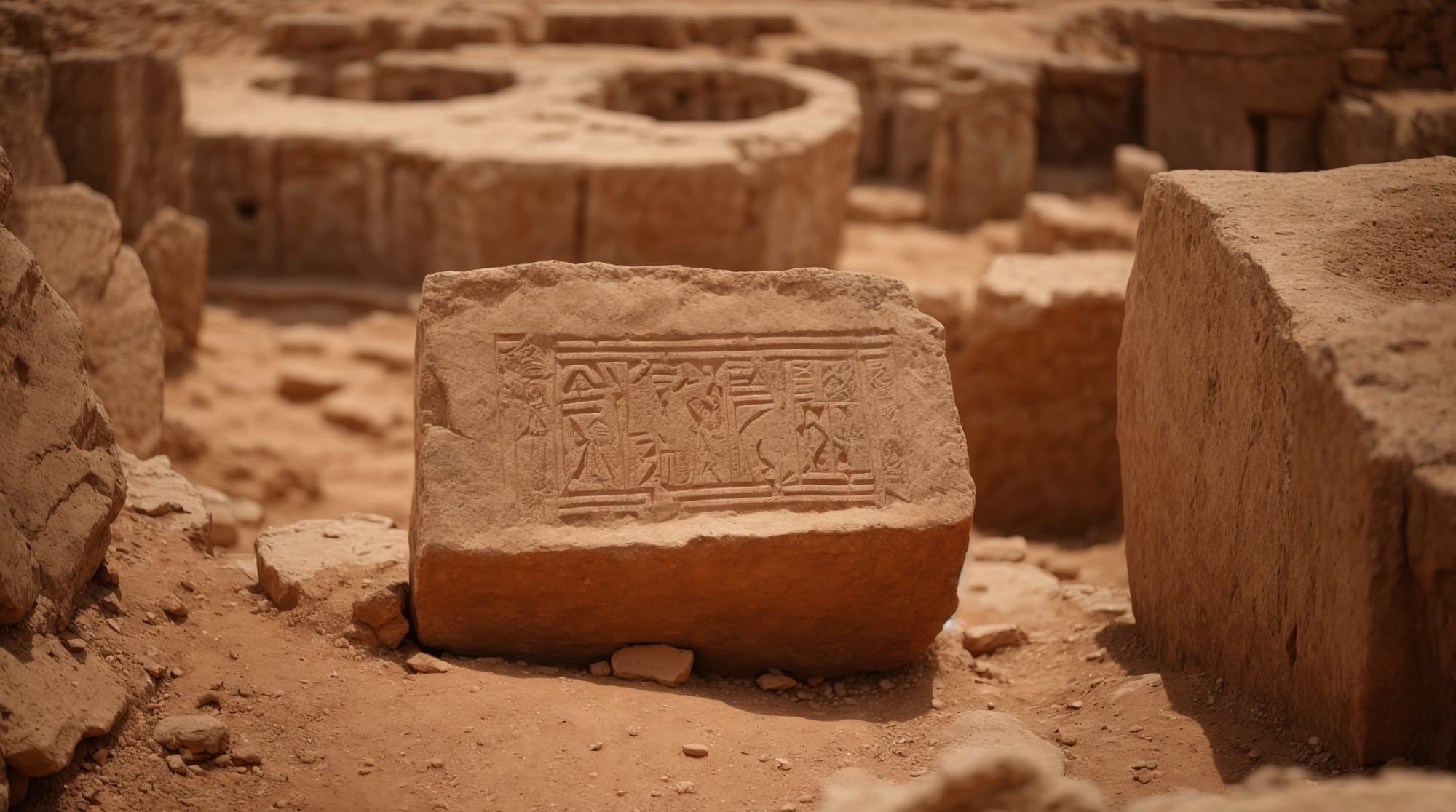
The cultural impact of Göbeklitepe is monumental, marking it as a significant milestone in the evolution of human societies. The site demonstrates that the Neolithic communities were capable of much more complex social and religious lives than previously understood, paving the way for modern civilizations. The legacy of Göbeklitepe continues to inspire and challenge our understanding of ancient human capabilities and their development, providing profound insights into the origins of culture and community.