Unveiling Humanity's Ancient Origins Through the Discoveries at Gobeklitepe
The Enigmatic Origins of Gobeklitepe and Its Historic Significance
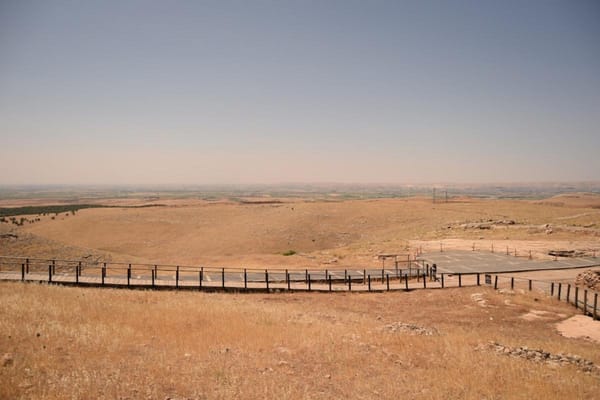
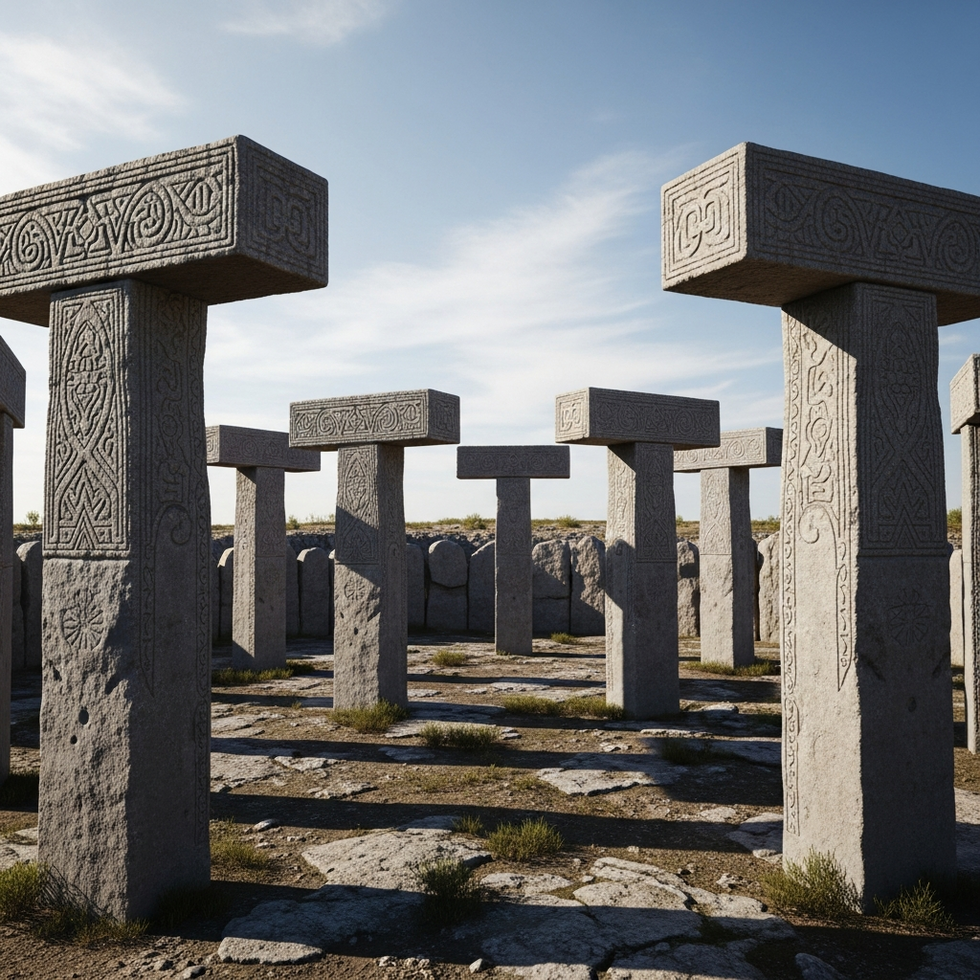
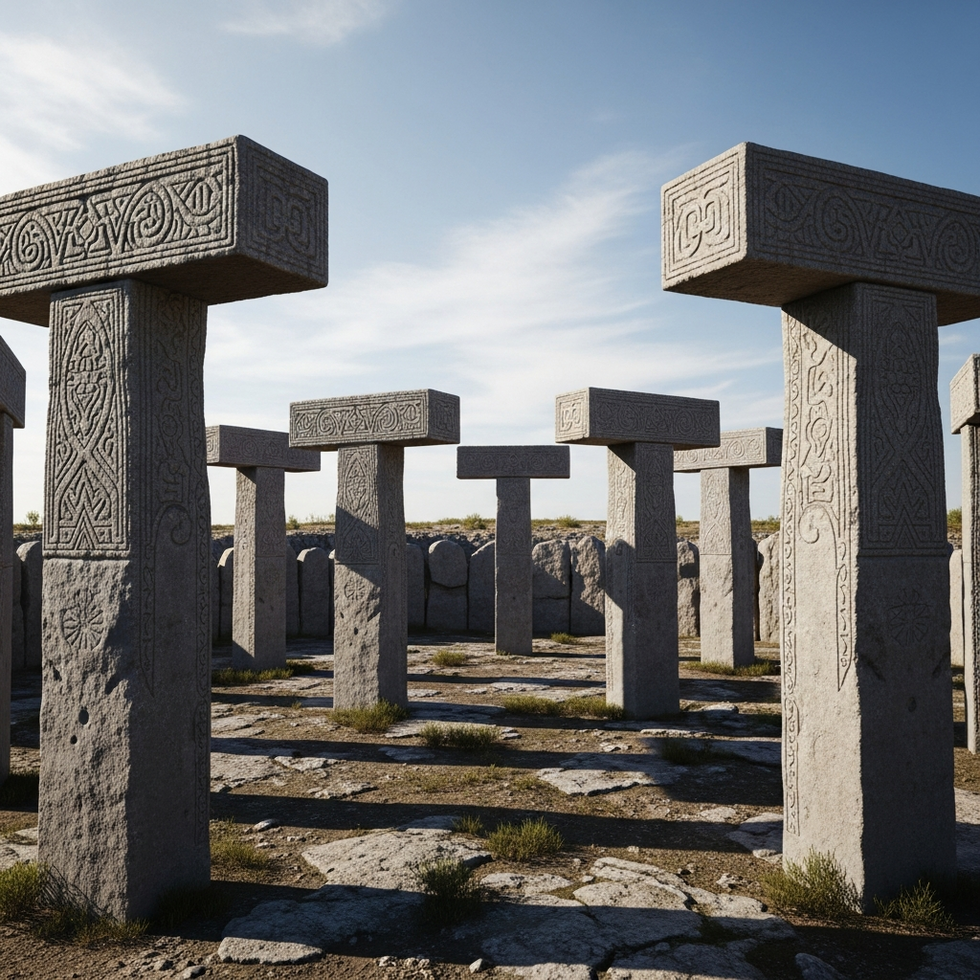
Up high in southeastern Turkey, Gobeklitepe rises like a quiet message from ancient times. Though first seen in the 1960s, real digging began around 2002. What came out changed everything we thought we knew. People were here, building something sacred - circular posts, later two-sided ones - long before anyone believed such organization existed. Around 9600 BCE, those stones stood tall, proof of early worship and community life. What we find hints at planned building work and signs of shared meaning among ancient groups long before anyone thought possible. More than just old bones do its age tell a story - they speak of how early humans developed thought and connection deep in time. Now known worldwide, Gobeklitepe stands listed by UNESCO as a cultural treasure of our shared past. Its presence in our understanding shifts what we know about where cities, faith, and society began.
Recent Archaeological Discoveries That Have Changed Our Understanding of Prehistory
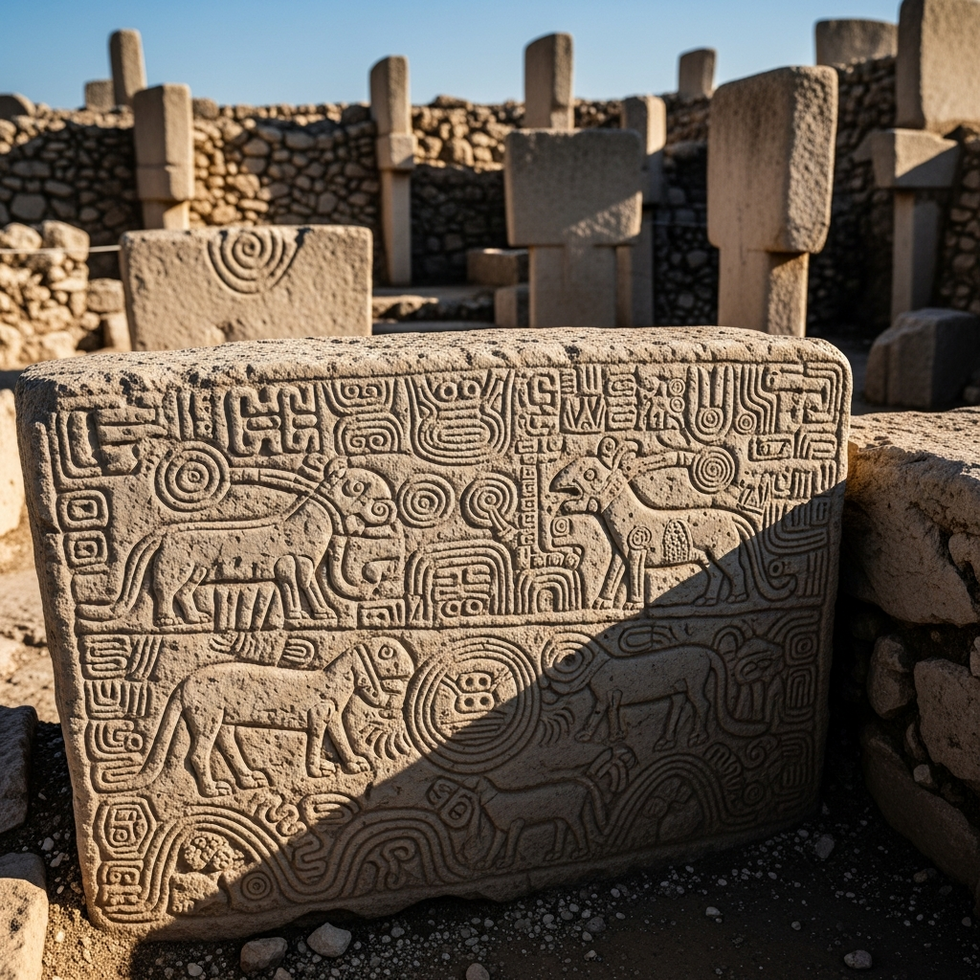
Fresh from the ground, latest digs at Gobeklitepe spill out surprises that shift how we see ancient life. Carved stones show odd beasts, tangled patterns, along with intricate designs - each one speaks of deeper meaning. Not more than 11,000 years old, these pieces defy old ideas: that distant past minds stayed simple. Art like this, born so long ago, whispers of thoughts far richer than assumed. Fragments of carved enclosures, along with ancient stone setups, hint at Gobeklitepe being more than just a ritual spot - maybe an early gathering place where people formed bonds through shared rites. Excavations reveal remains of animals, together with broken stone implements, offering clues about how these early communities lived and worshipped. Every fresh find chips away at old beliefs: that ancient groups were disorganized or lacking in belief systems. Instead, evidence grows that these people planned carefully, guided by inner convictions. This spot now stands taller in our understanding of when humans began thinking beyond the visible world.
Implications of Discoveries at Gobeklitepe for Understanding Human Evolution
Now we know more about Gobeklitepe thanks to real archaeological finds. For years people thought big ideas like religion waited until farmers showed up. Yet evidence here points elsewhere - those early hunter bands might have handled sacred matters long before cows or wheat arrived. The site itself feels old beyond its time, speaking of rituals and meaning when stone tools still ruled. This shakes up old ideas about how cultures move forward, showing thinking like humans do now appeared far back in time. Because of findings here, experts must rethink where organized belief, rank among people, and group ties began long ago. A few scientists think Gobeklitepe stood as a key holy spot - drawing scattered communities together via common ceremonies - and quietly shaped what societies became later. What we now understand pushes us to question when humans gained mental and social abilities, showing just how clever first people really were in redesigning life around them.