Unveiling the Architectural and Astronomical Insights of Göbeklitepe
Decoding Göbeklitepe's Ingenious Stone Arrangements
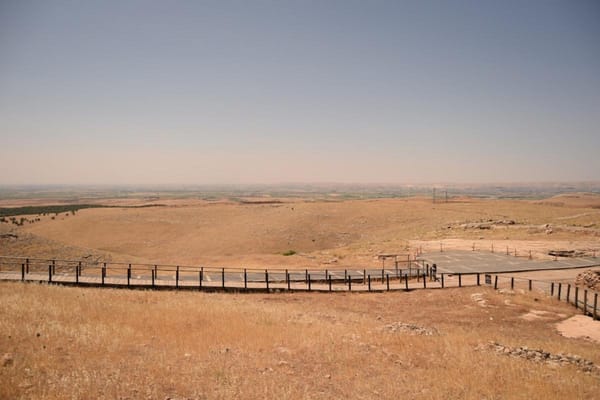
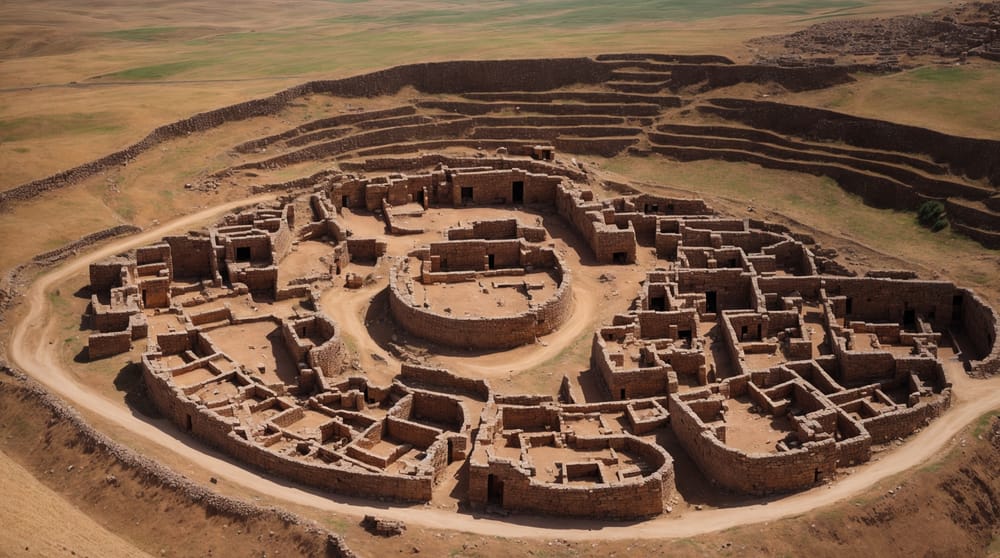
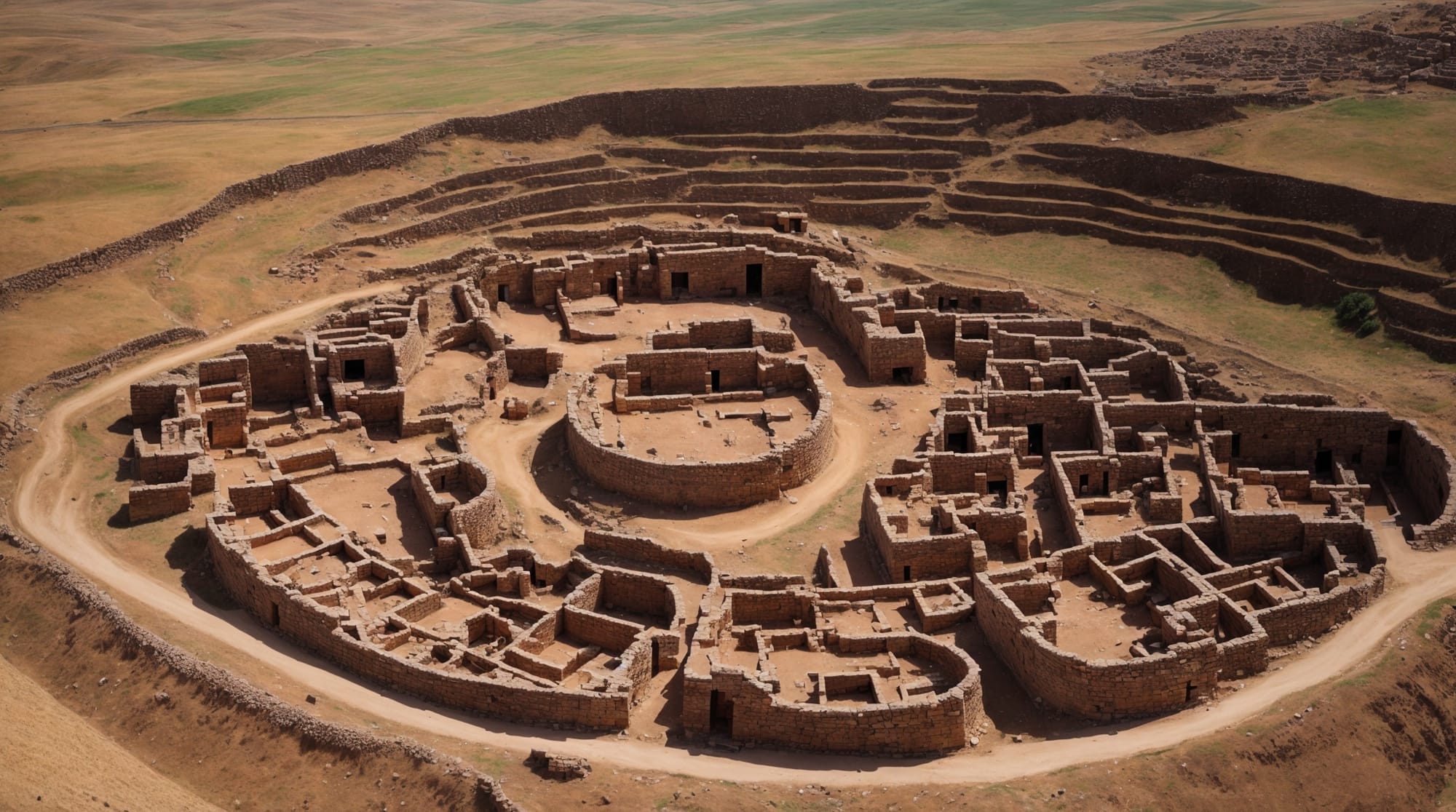
Göbeklitepe stands as one of the most compelling archaeological sites in the world. Located in southeastern Turkey, it predates Stonehenge by over 6,000 years and continues to fascinate experts with its sophisticated design and mysterious origins. The circular stone enclosures with T-shaped pillars signify an early example of human structural organization and symbolic behavior. The recent studies suggest that these were not merely decorative but served a specific, likely astronomical, purpose. By examining the orientation of the pillars and their engravings, researchers propose that early builders used the site to track celestial events critical for their understanding of time and seasons.
Exploring the Cosmological Significance Behind the Pillars
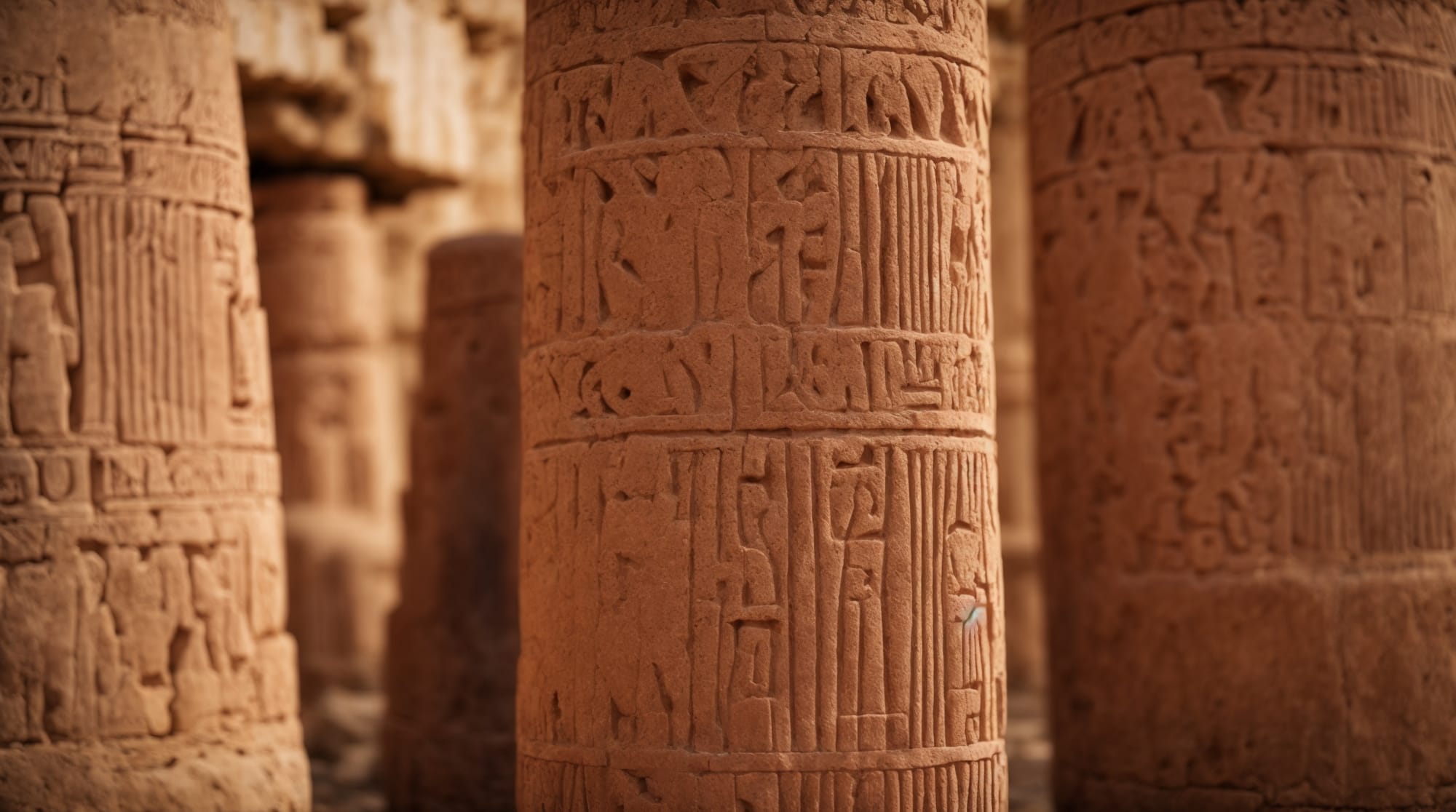
The pillars of Göbeklitepe are adorned with carvings of animals and abstract symbols, many of which align with known astronomical symbols from other ancient cultures. This alignment suggests a deliberate attempt to represent celestial bodies and events. The site's layout and the positioning of these carvings may have played a role in tracking the equinoxes and solstices, which were crucial for agricultural activities and religious ceremonies. Understanding these alignments helps us appreciate the site’s role as a social and possibly spiritual gathering point during the Neolithic era.
Architectural Innovations: Building the First Temple
The architectural techniques used in Göbeklitepe's construction exhibit an advanced understanding of geometry and stability, highlighting the ingenuity of our Neolithic ancestors. The precisely carved pillars and smoothly curved walls demonstrate an early form of architectural planning and execution that would influence later structures across the region and beyond. This site not only served as a ceremonial center but also stands as a testament to the developmental milestones in human construction techniques during the transition from nomadic bands to settled agricultural societies.