Visa-Free Travel to Turkey Boosts Chinese Tourism and Cultural Exploration
Turkey's New Visa Policy Opens Doors for Chinese Tourists Expanding Cultural and Economic Ties
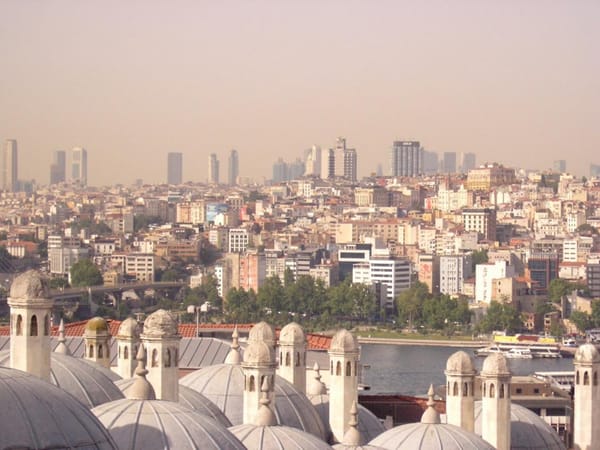
A fresh move by Turkey’s leadership - offering visa-free entry to Chinese visitors - signals deeper ties between the nations while reshaping how they approach tourism. Removing strict paperwork rules once blocking the way, Ankara hopes far more Chinese travelers will head south, drawn by China’s rising number of curious consumers eager to discover new cultures. Behind this shift lies a wider plan: pull Turkey’s tourism industry away from reliance on familiar markets, making space for smoother journeys across borders for everyone. When Chinese tourists stopped coming in large numbers due to the pandemic, leaders viewed this action as key to reviving tourism while strengthening cultural links between China and Turkey. This move fits within Turkey’s push to highlight its rich history, varied traditions, and picturesque environments - like ancient landmarks in Istanbul or the unique landscapes of Cappadocia - to travelers from growing markets like China who want meaningful journeys. Analysts predict the strategy could increase earnings from visitors while also contributing to better international relations through shared cultural exchange. With these changes happening, one thing stands out - Turkey is becoming a go-to spot for visitors from China, drawing them in with straightforward trips and experiences rooted in deep culture that fit right with how today's travelers explore the world.
Economic and Tourism Benefits Expected from Increased Chinese Arrivals in Turkey
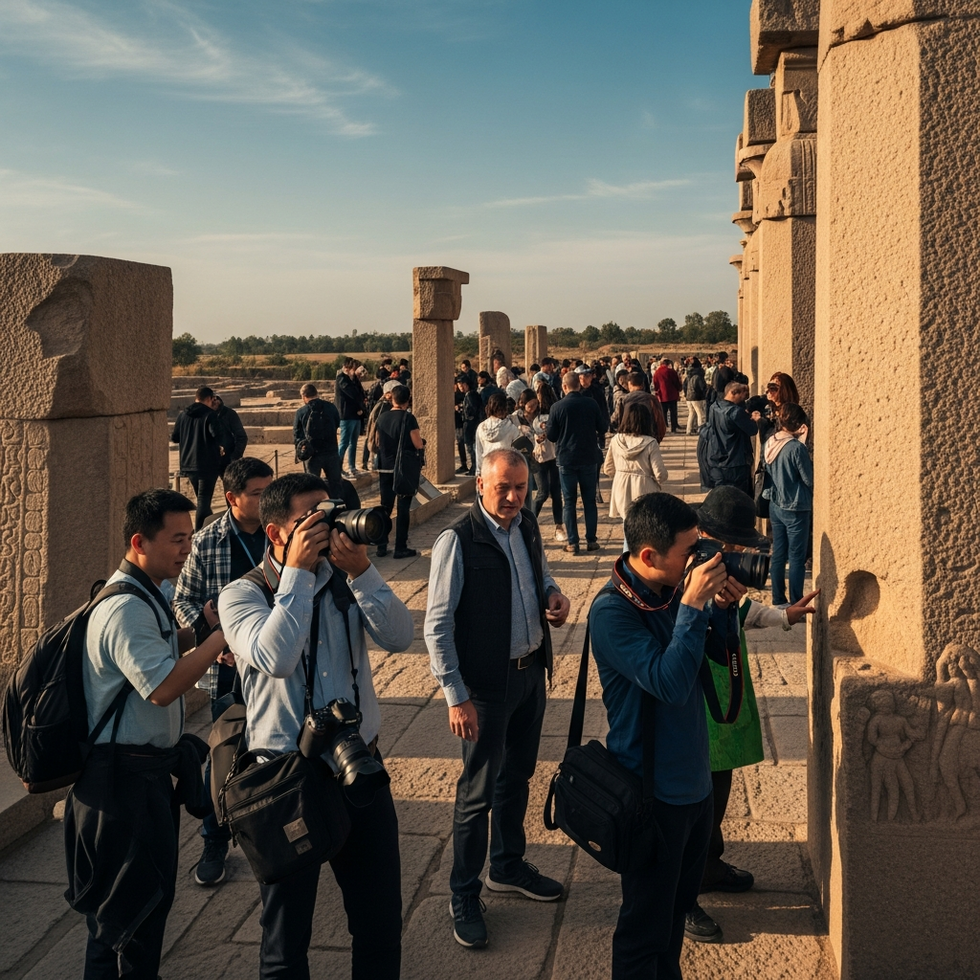
More Chinese tourists heading to Turkey might shake up how money moves through certain places. Destinations such as Istanbul, Cappadocia, and Antalya are likely feeling that shift first. These travelers tend to spend freely, so services like hotels, shops, buses, and museums may see stronger demand. People who follow tourism trends in Turkey believe changes are coming - not chaos, but a different mix of visitors showing up. Depending less on old routes may smooth out peaks that usually hit during busy seasons. Easier visas from officials mean more visitors, which feeds growth - like services in multiple languages, custom trips, and safer experiences for travelers. New guests bring results far beyond first-dollar spends; they help fill jobs, lift local economies, spark fresh business activity, while boosting investment in travel tools. When done well, this approach might inspire countries wondering how to connect with rising Chinese tourist flows. With Turkey pushing harder into the global travel scene, financial shifts will follow fast and carry weight - highlighting why smart diplomacy plus choices around tourism aren’t just extras anymore.
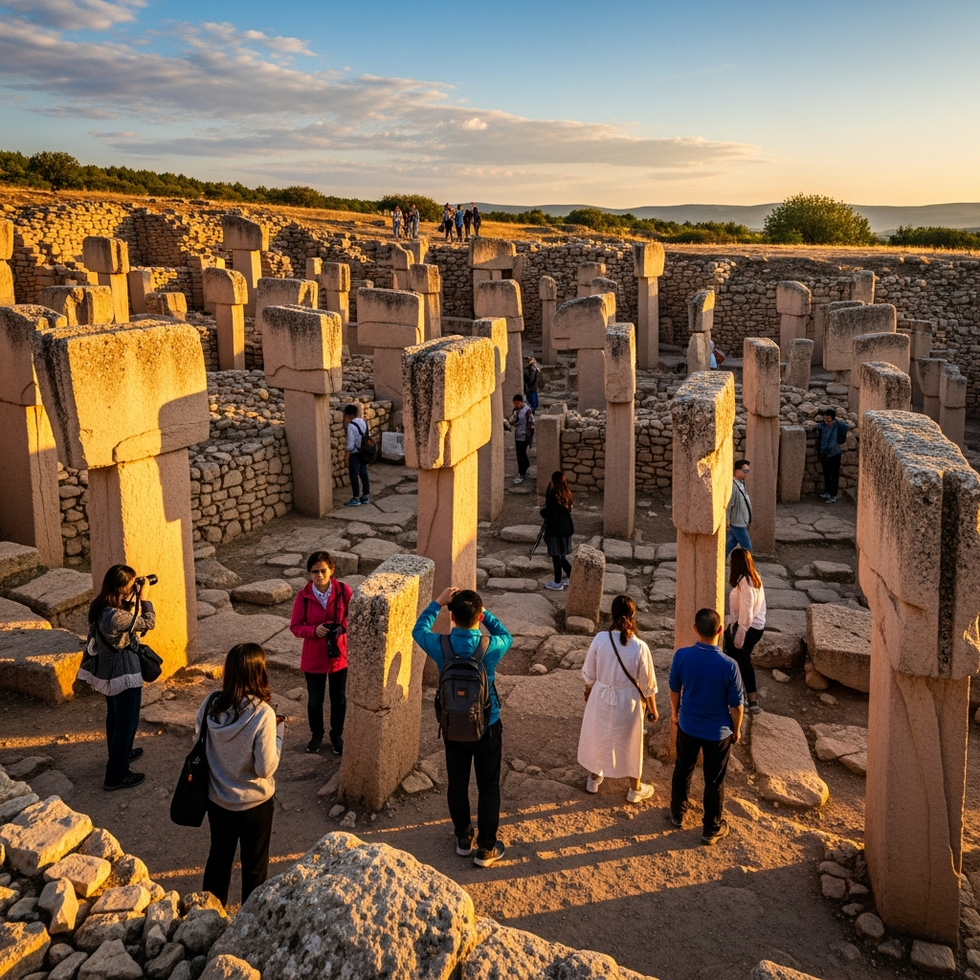
Cultural Heritage and Future Prospects for Turkey as a Chinese Tourist Destination
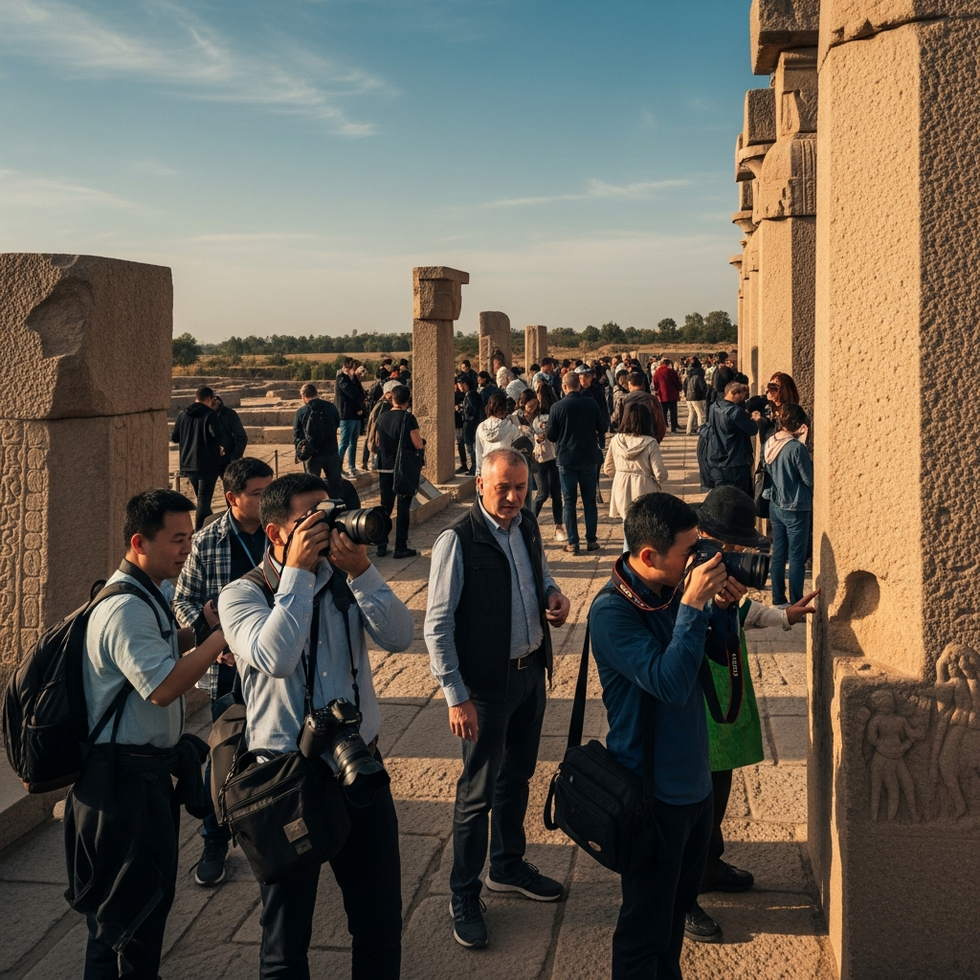
Home to landmarks such as Hagia Sophia, Topkapi Palace, and now Gobekli Tepe, Turkey draws visitors deeply rooted in history. With fewer visa hurdles, Chinese travelers can more easily step onto Turkish soil to uncover its old cities and lively customs. Growing cultural ties may quietly reshape diplomatic ties, nudging cooperation forward through shared respect. More Chinese travelers might push companies to create special trips focusing on Turkey’s distinct past and varied landscapes. Instead of just visiting cities, guests could explore traditions through guided walks in Chinese-speaking groups. Some planners now design festivals or workshops specifically for visitors from mainland China. While forecasts vary, experts believe visitor numbers will climb slowly over years. That rise may turn Turkey into one of Eurasia’s key cultural routes beyond mainstream paths. With this pattern unfolding, saving and sharing Turkey’s cultural places becomes key - shaping travel that works for townspeople just as much as world travelers.