Ancient Göbeklitepe and Its Influence on Modern Archeology
The Discovery of Göbeklitepe
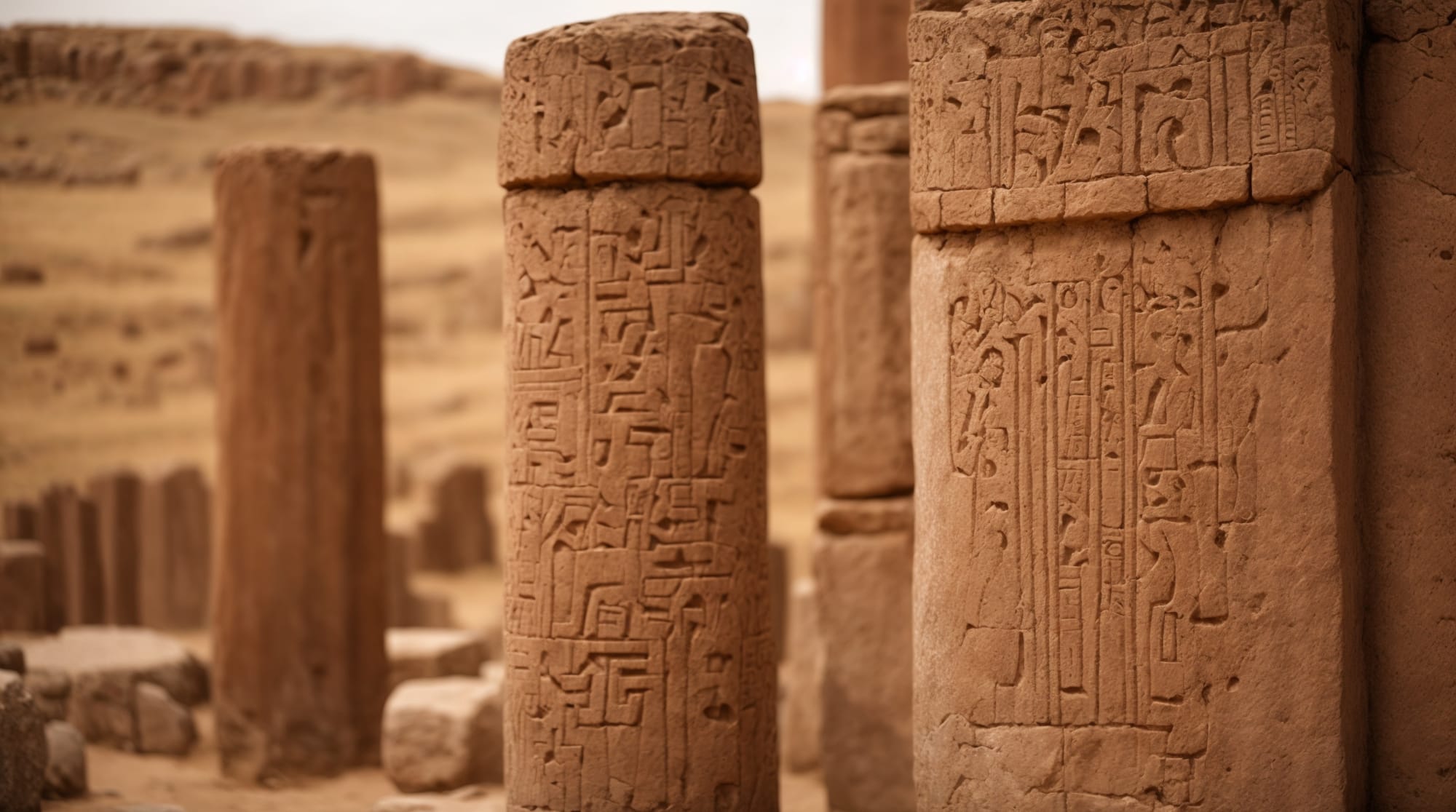
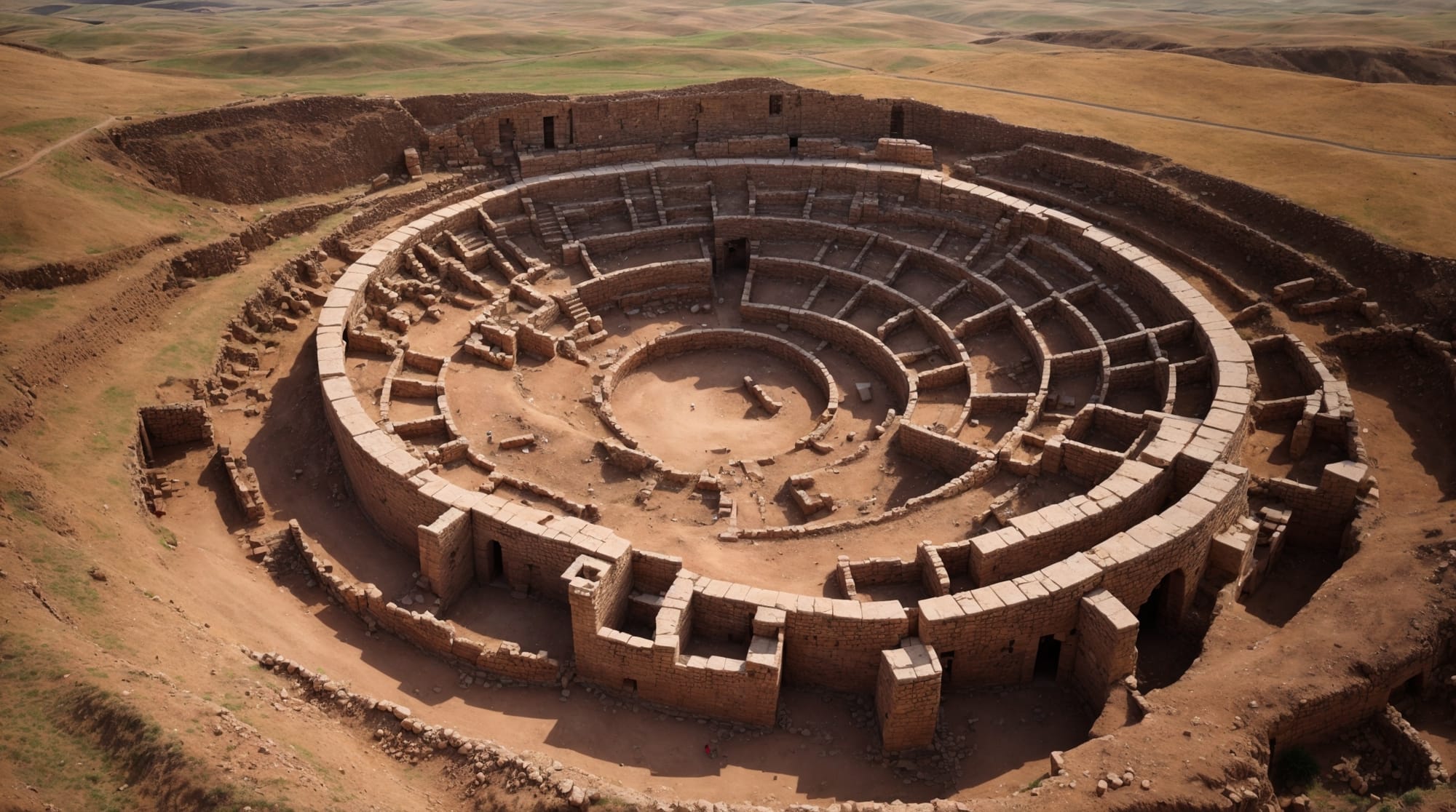
Situated on a remote hilltop in southeastern Turkey, Göbeklitepe is a site that has reshaped our understanding of human history. Discovered in 1994 by German archaeologist Klaus Schmidt, the site's importance lies in its age and the sophistication of its structure. Potentially constructed as far back as 9600 BC, Göbeklitepe predates Stonehenge and the Egyptian pyramids, making it a groundbreaking discovery in the field of archaeology. The site comprises multiple circles of towering T-shaped stone pillars, which are intricately carved with reliefs of animals and abstract symbols. These carvings provide insight into the symbolic world of hunter-gatherer societies at the dawn of settled life.
Revolutionizing Archaeological Thought
The discovery of Göbeklitepe challenged the long-held belief that the construction of monumental structures was driven by the advent of agriculture. The evidence from Göbeklitepe suggests that organized religious activities may have preceded and even spurred the agricultural revolution. This shift in understanding marks a significant paradigm change in archaeology, suggesting that religious and social needs may have been the catalyst for settling and farming, rather than the other way around. The implications of this are profound, affecting how we interpret social structures and development in ancient civilizations.
Implications for Future Research
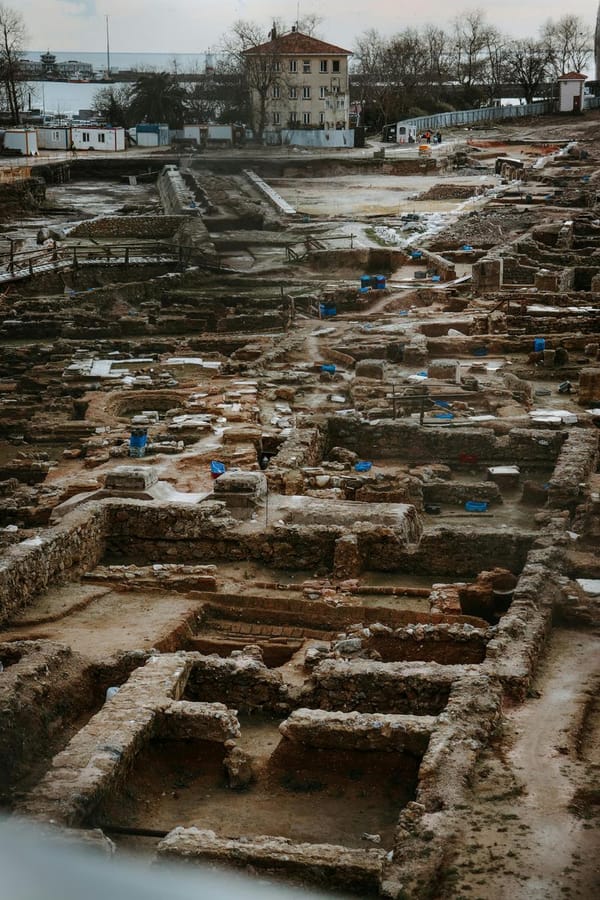
The ongoing excavations and research at Göbeklitepe are continually providing new data that could reshape our understanding of Neolithic societies. This site serves as a benchmark for archaeological methodology, introducing more refined dating techniques and analytical methods. The study of such ancient sites offers potential clues about early human religious practices, social organization, and the transition from nomadic to settled lifestyles. As more areas of Göbeklitepe are uncovered, the hope is that further secrets of our ancient ancestors will be brought to light.