Deciphering Göbeklitepe's Intricate Network of Neolithic Symbols
Unearthing the Symbols
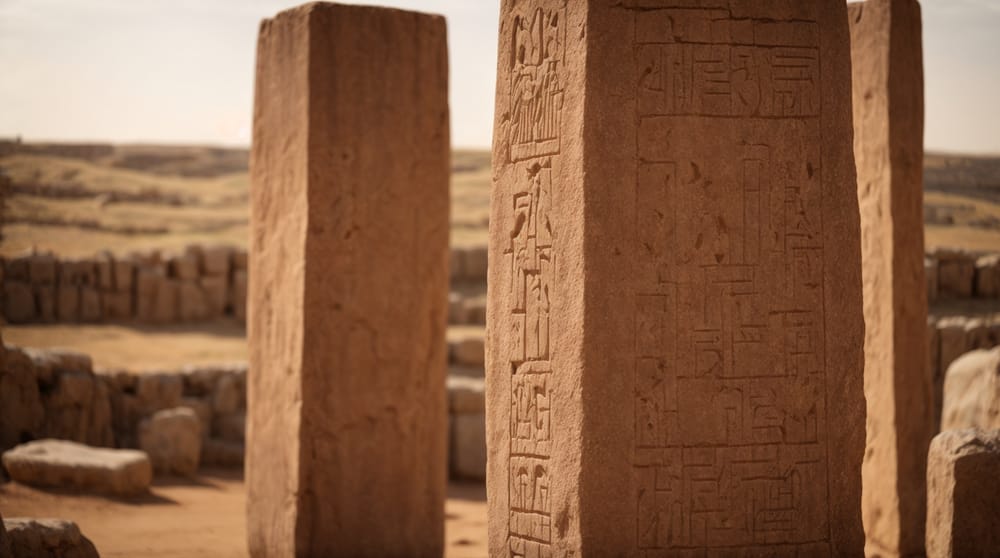
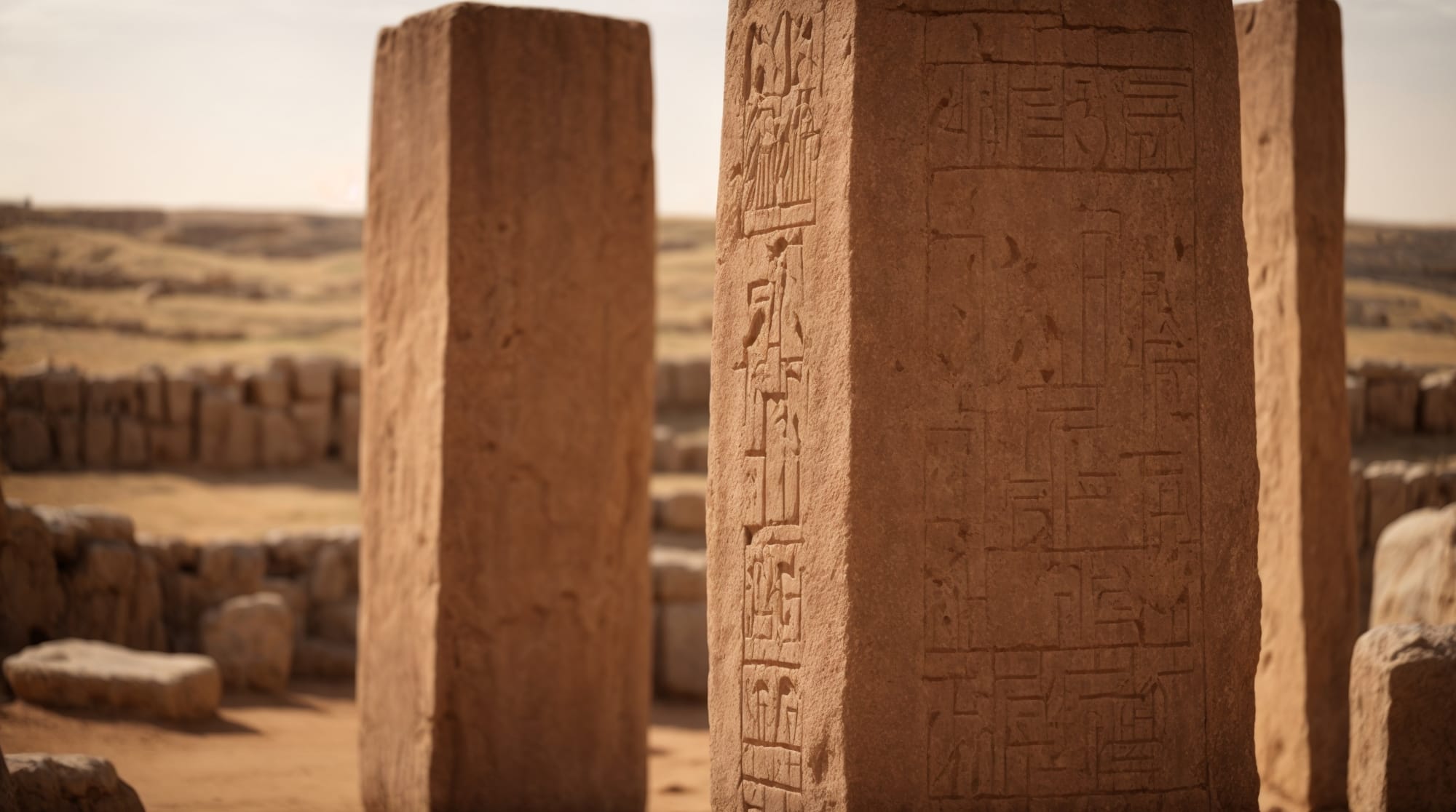
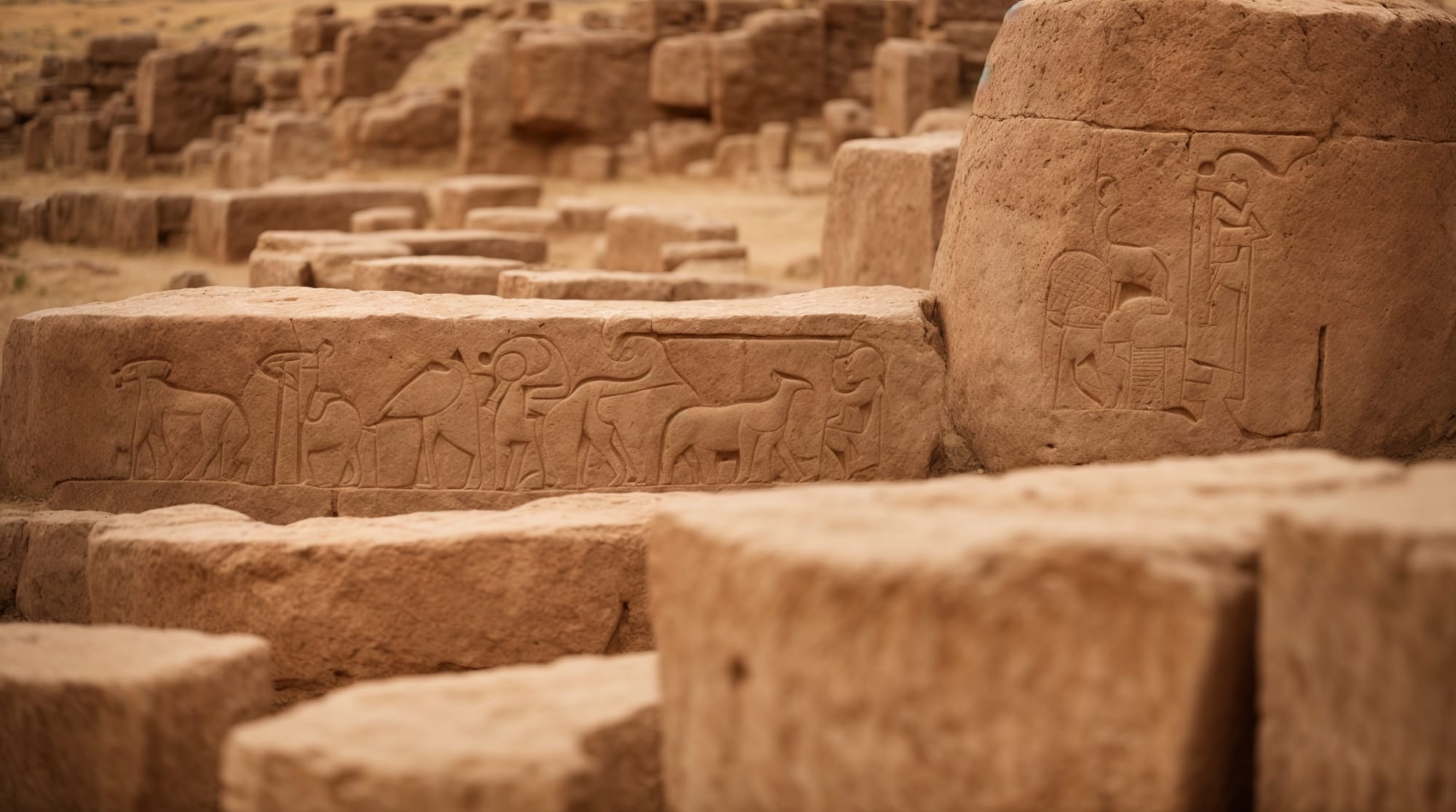
The site of Göbeklitepe remains one of the most intriguing archaeological finds, challenging previous notions about the advent of civilization. Scattered throughout this ancient site are countless carvings and totem-like figures, each possessing an enigmatic allure. These symbols, possibly representing astronomical bodies, religious icons, or mythological creatures, hold clues to understanding the cognitive and cultural landscapes of our Neolithic ancestors. A deeper analysis might reveal not just the daily lives but also the spiritual and cosmological beliefs that shaped early human society.
The Spiritual Context of Neolithic Art
Further exploration into the meanings behind Göbeklitepe's symbols suggests a landscape deeply interwoven with spiritual significance. The circular arrangements and repeated motifs may have served as a form of early ritualistic or ceremonial practice, indicative of a structured belief system. Such artistry not only highlights the aesthetic values of the time but also reflects a society that placed immense importance on the supernatural and the celestial, perhaps as a way to make sense of environmental cycles and life's unpredictability.
Each symbol at Göbeklitepe might represent a unique element of the Neolithic psyche, from fertility and death to conquest and harmony. Scholars propose that the intricate depictions of wild animals symbolize strength and dominion, while carvings of vultures might denote a scavenger that cleanses the earth, embodying cycles of life and death. Understanding these symbols provides an enriched view of how our ancestors perceived their world, enabling a form of communication spanning millennia.
Implications for Modern Interpretations
The study of Göbeklitepe's symbols stretches beyond historical curiosity and delves into how we understand cultural evolution. By comparing these ancient symbols with other Neolithic sites, researchers can piece together a more global picture of prehistoric belief systems. This comparative analysis not only enriches our historical narrative but also underscores the sophistication and interconnectedness of early human communities, providing insights into the universality of human expression and ritual.