Deciphering the Architectural Wonders of Gobekli Tepe
Unveiling the Historical Context and Importance
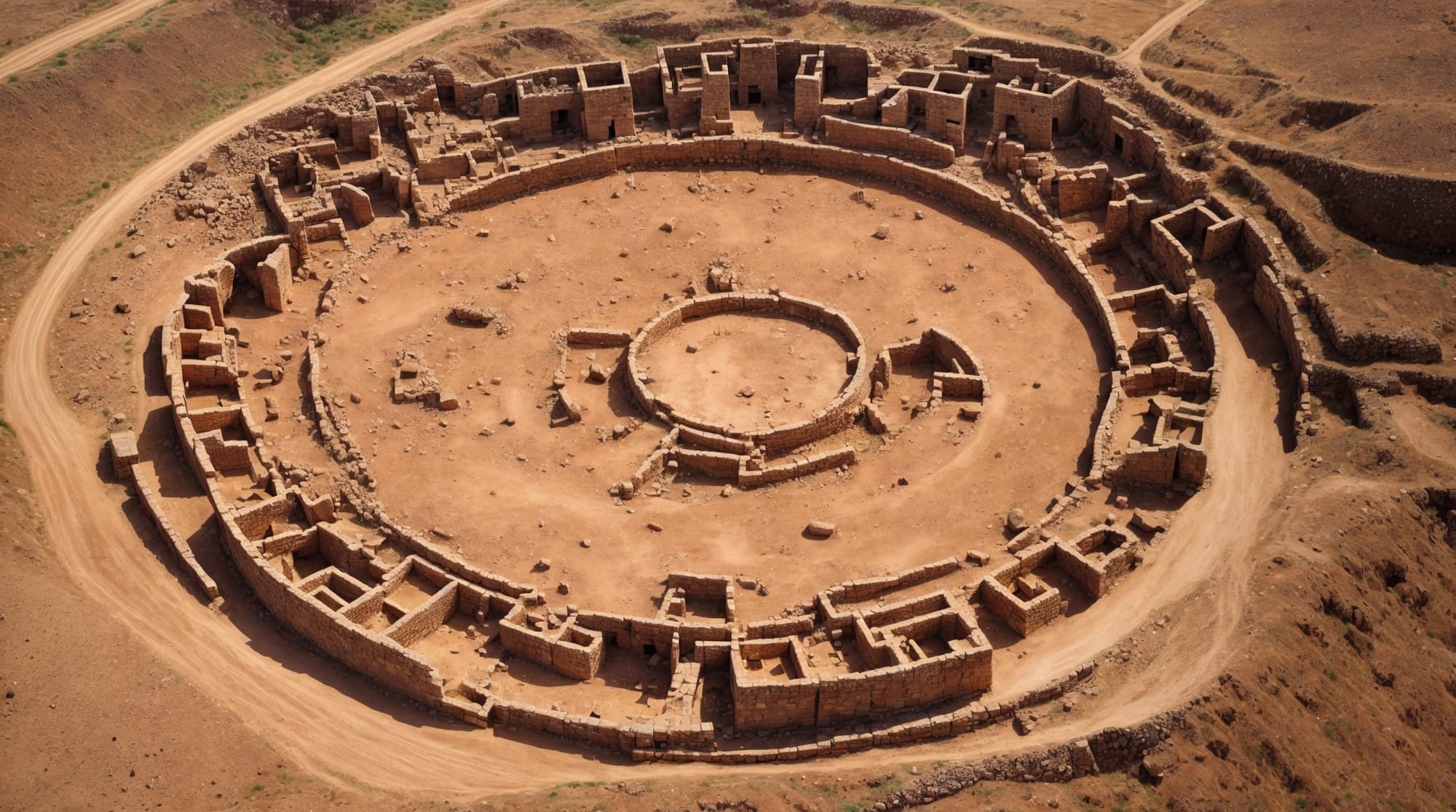
Situated in the southeastern region of Turkey, Gobekli Tepe is a site that predates Stonehenge by over 6,000 years. This archaeological marvel provides an unprecedented glimpse into the neolithic revolution, which marks one of the most significant transformations in human history. The structures at Gobekli Tepe are not merely ancient buildings but are thought to have served as religious sanctuaries, making them among the earliest examples of such constructions known to man. The discovery of Gobekli Tepe has turned modern understanding of prehistoric human society on its head, challenging the previously held notion that agriculture precedes settled religious practices.
Exploring the Architectural Features
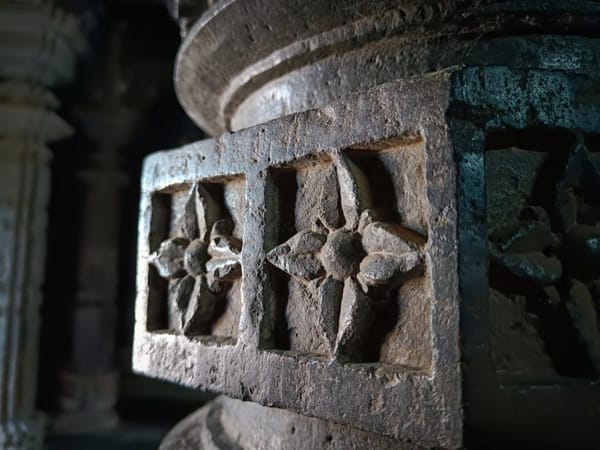
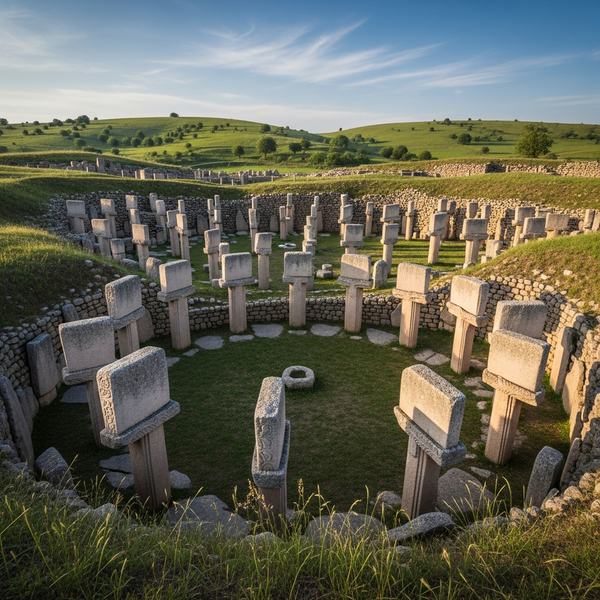
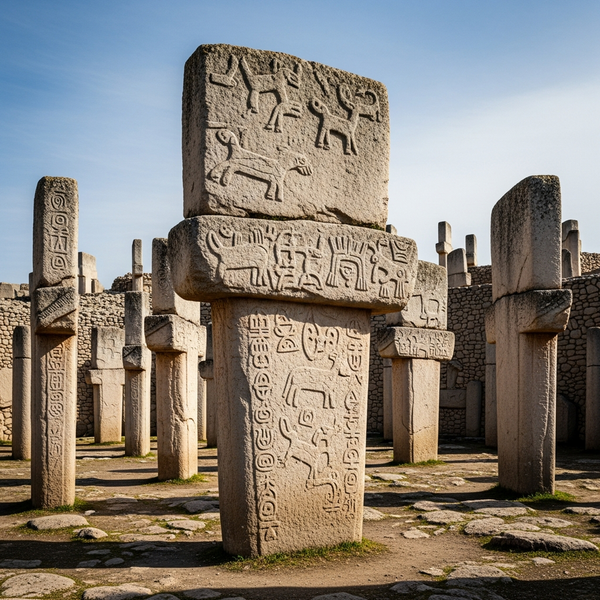
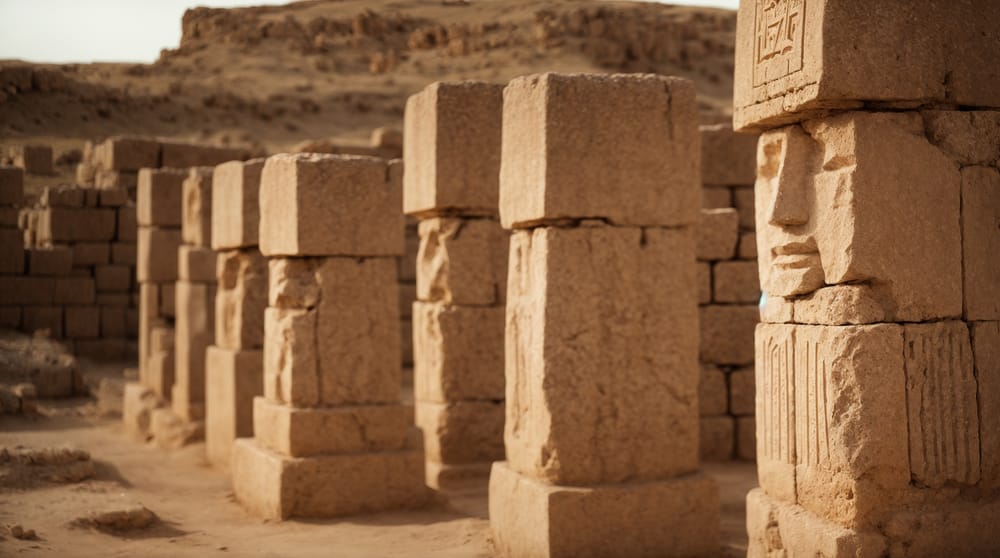
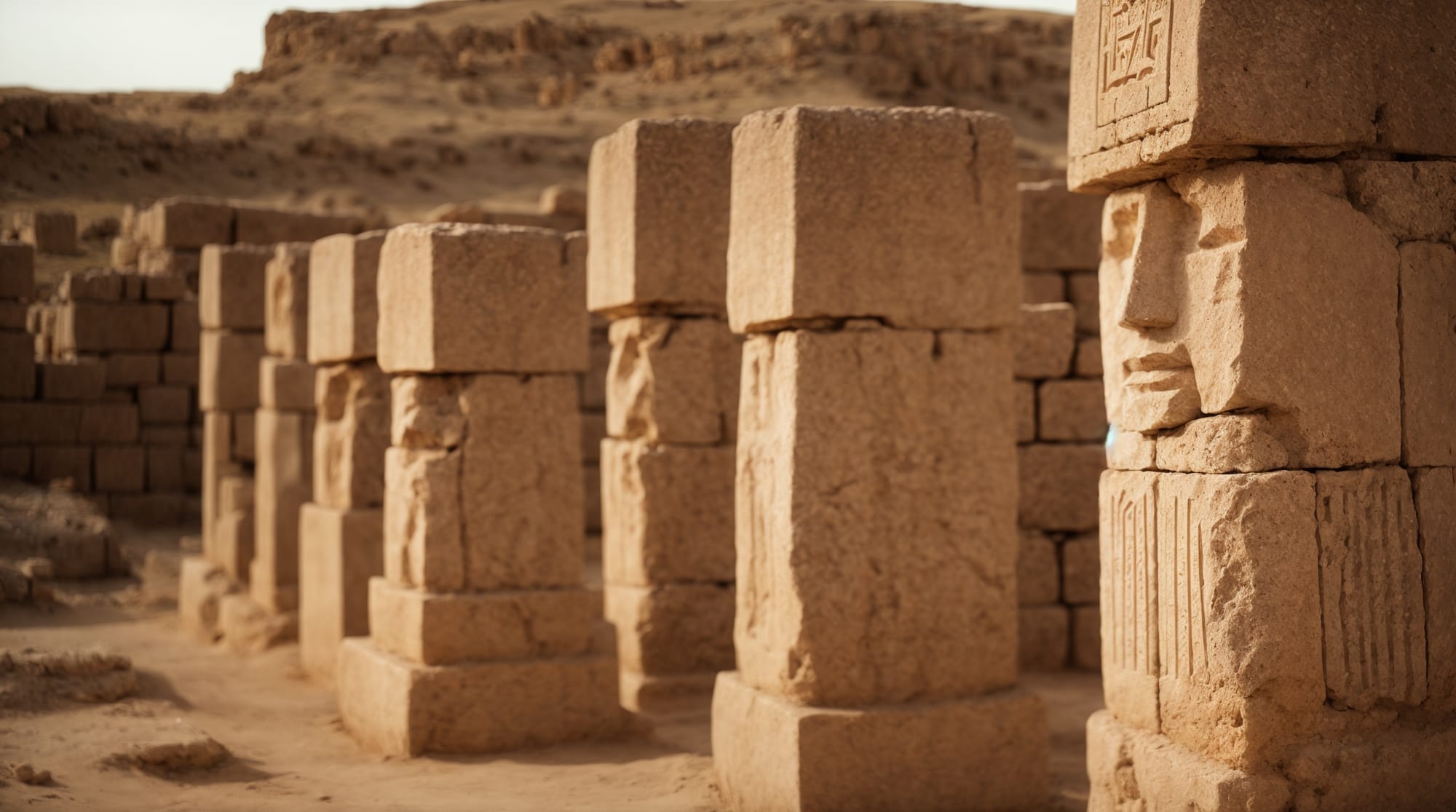
The monumental circular and rectangular megalithic structures are the most notable features at Gobekli Tepe. These buildings are characterized by large T-shaped limestone pillars that are intricately carved with reliefs of animals and abstract symbols. Each pillar is up to 6 meters high and weighs several tons, suggesting the existence of sophisticated construction techniques and tools. Researchers believe that these stones could have been transported from nearby quarries and meticulously crafted using nothing more than flint tools, an impressive feat considering the period and the precision required.
Insights into Building Techniques and Materials
The construction of Gobekli Tepe remains a fascinating topic among historians and archaeologists. The use of limestone, which is relatively easier to carve, allowed the builders greater freedom to create detailed reliefs. The method likely involved chiseling the rock out of the quarry face, rough shaping it on-site, and then moving it to the construction area for final detailing. This indicates not only advanced planning skills but also a coordinated effort presumably orchestrated by a leader or a group of elders, hinting at social hierarchies and organized labor during the time.
The Role of Gobekli Tepe in Prehistoric Society
While the site is primarily recognized for its architectural significance, Gobekli Tepe also offers profound insights into the socio-religious life of its builders. The carvings and monumental structures suggest that the site served as a central location for gatherings, rituals, or festivals. This centralization of religious activities could point to an emerging elite or priestly class who might have held authority over the spiritual and possibly political realms. Such developments mark the beginnings of organized religion and structured societal roles, laying the groundwork for future civilizations.