Decoding the Architectural Mysteries of Ancient Göbeklitepe
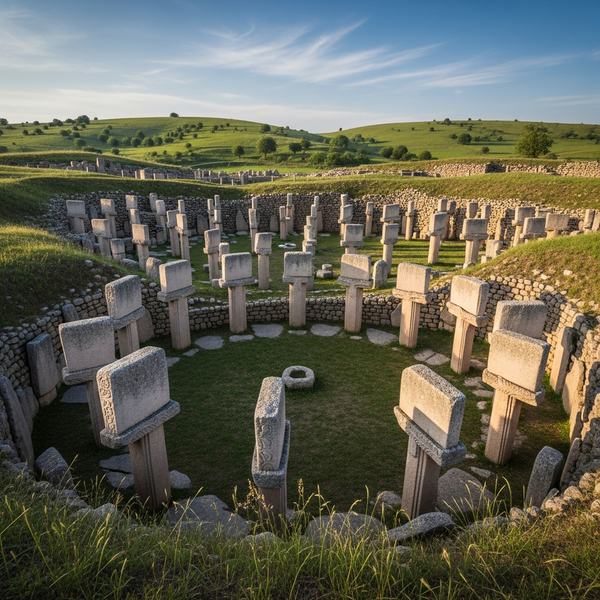
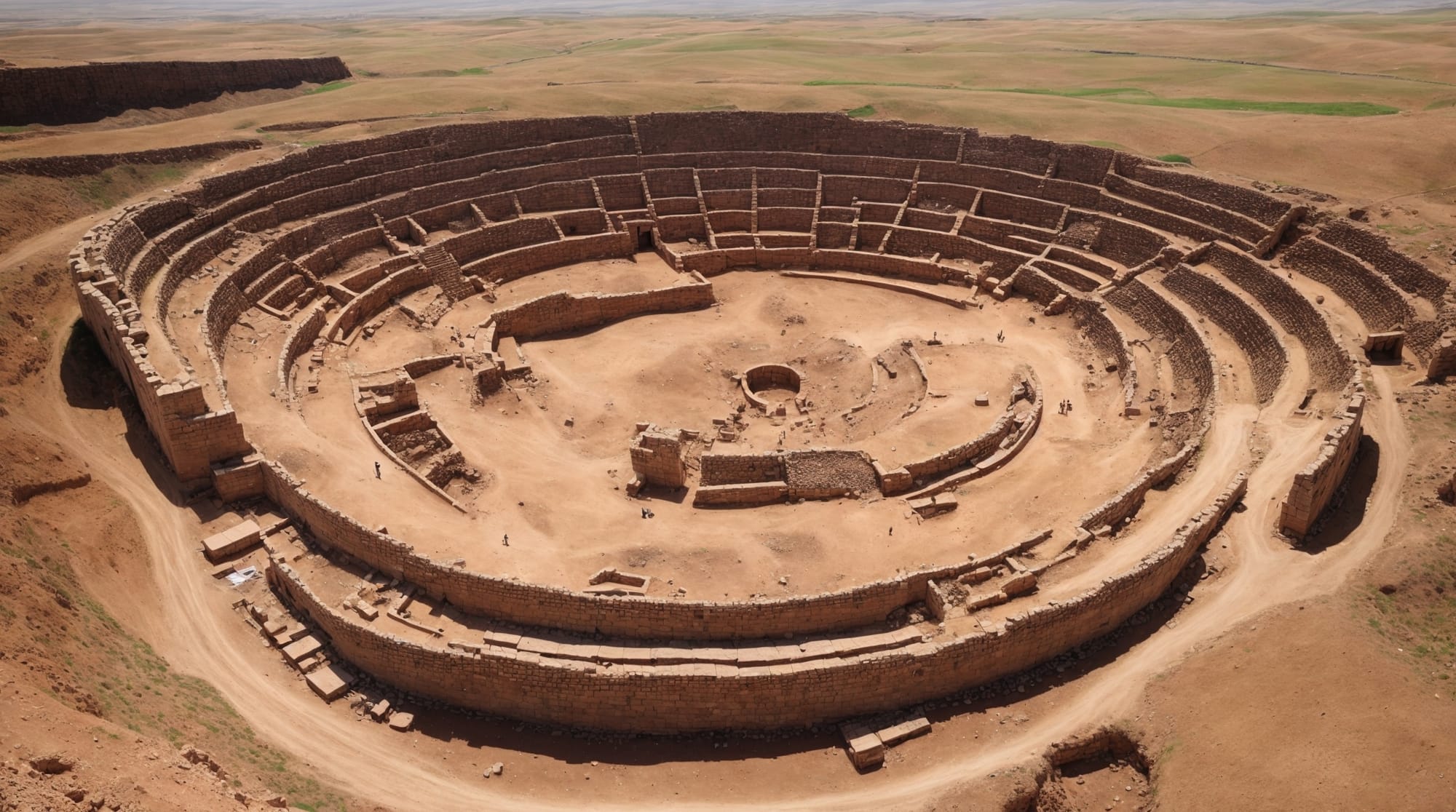
Göbeklitepe stands as one of the most astonishing archaeological discoveries of the 20th century, challenging previous assumptions about the societal and technological capabilities of early human civilizations. Located in modern-day Turkey, this Neolithic site is composed of massive stone pillars arranged in multiple circles, believed to have been erected around the 10th millennium BCE, far predating Stonehenge and the Egyptian pyramids. Scholars and archaeologists have long debated the purpose and significance of these structures, with theories ranging from religious to astronomical uses.
Unveiling the Construction Techniques
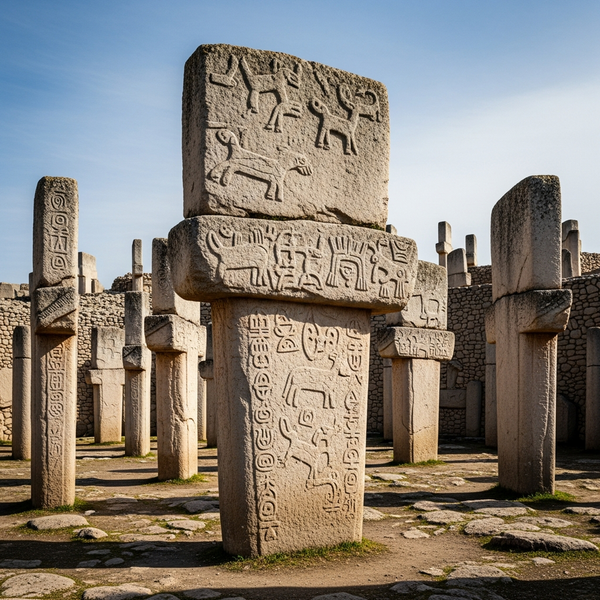
The construction techniques employed at Göbeklitepe reveal a high degree of sophistication and understanding of stonemasonry far earlier than previously thought. Despite lacking metal tools, the builders carved intricate reliefs and T-shaped pillars that weigh several tonnes each. Researchers suggest that these pillars were likely transported from nearby quarries using primitive yet effective means like rolling them over logs. The precision with which these pillars have been positioned and interconnected suggests a well-organized plan and a complex understanding of geometry and design.
Exploring the Cultural and Ritual Significance
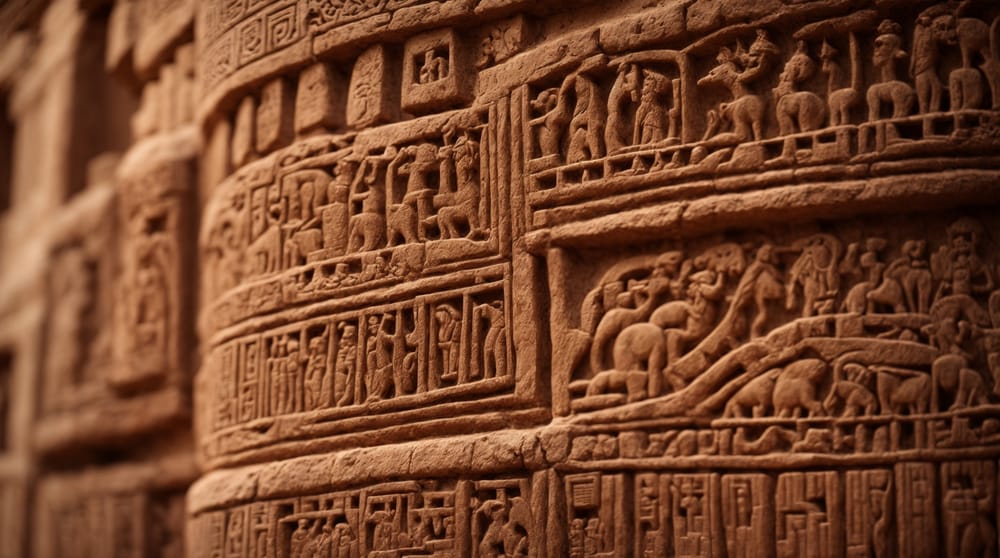
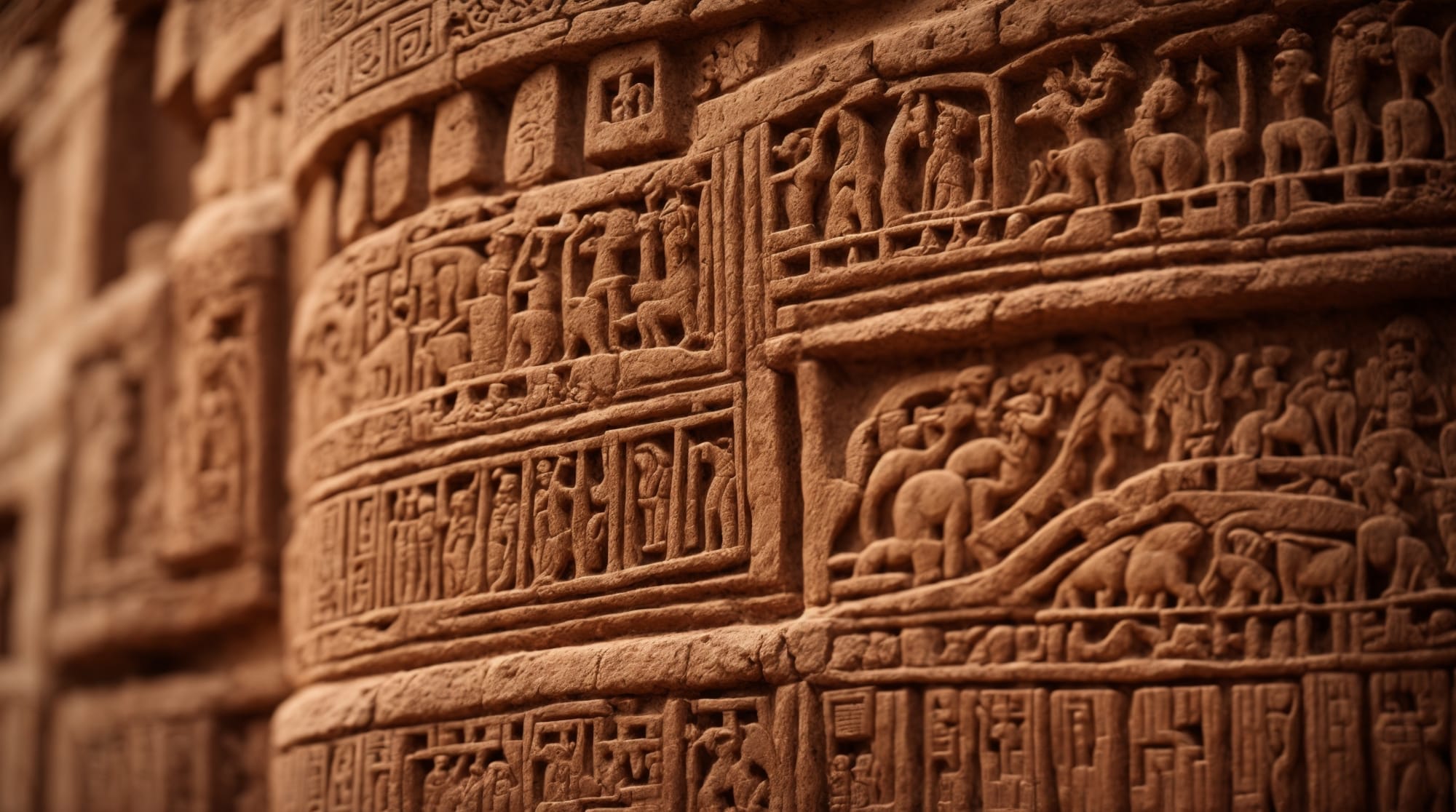
The site's elaborate depictions and monumental scale suggest that Göbeklitepe not only served as a ceremonial center but also as a hub for early Neolithic communities. The variety of animal reliefs, from wild boars to birds, implies a rich tapestry of mythological significance and possibly a form of early animistic religion. Gathering at this site, people from various regions would likely share knowledge, trade, and participate in complex rituals, indicating a far more sociably and ideologically interconnected Neolithic period than was once thought.
Recent excavations have uncovered possible evidence of feasting and communal gatherings, supporting the theory that Göbeklitepe was a pilgrimage site offering food and shelter as part of ritualistic observances. This discovery aligns with the idea of pre-agricultural societies partaking in large-scale communal activities, contradicting previous notions of them leading solely subsistence-based lifestyles.
Implications for the Study of Early Civilizations
The findings at Göbeklitepe are reshaping our understanding of Neolithic societies and their capabilities. This site provides crucial insights into the social and religious lives of the people who constructed it, hinting at the emergence of leadership and social stratification. By studying Göbeklitepe, researchers gain valuable knowledge about the motivations and organizational skills that drove early humans to engage in such monumental projects, fostering a deeper appreciation of humanity's ingenuity during the dawn of civilization.