Decoding the Architectural Secrets of Göbeklitepe
Unveiling the Historical Context of Göbeklitepe
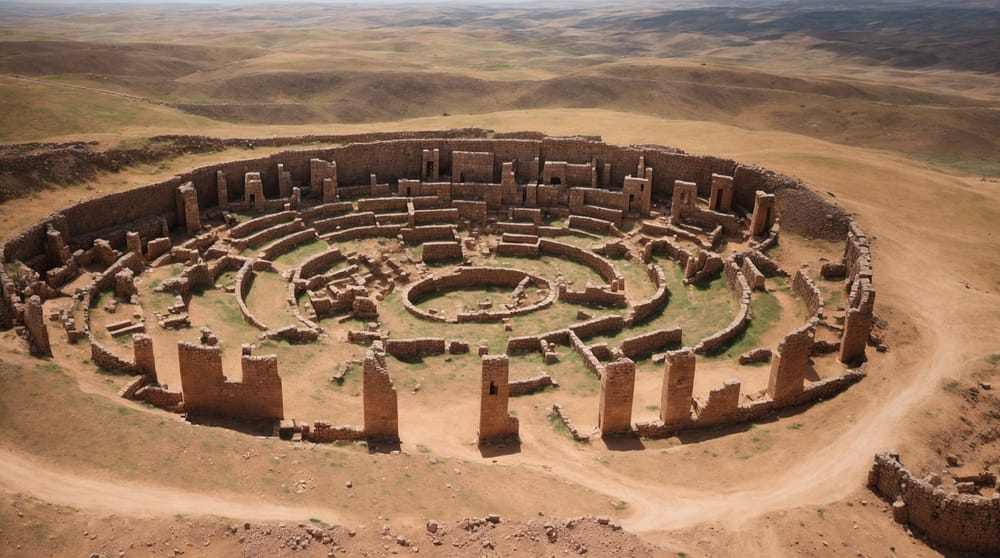
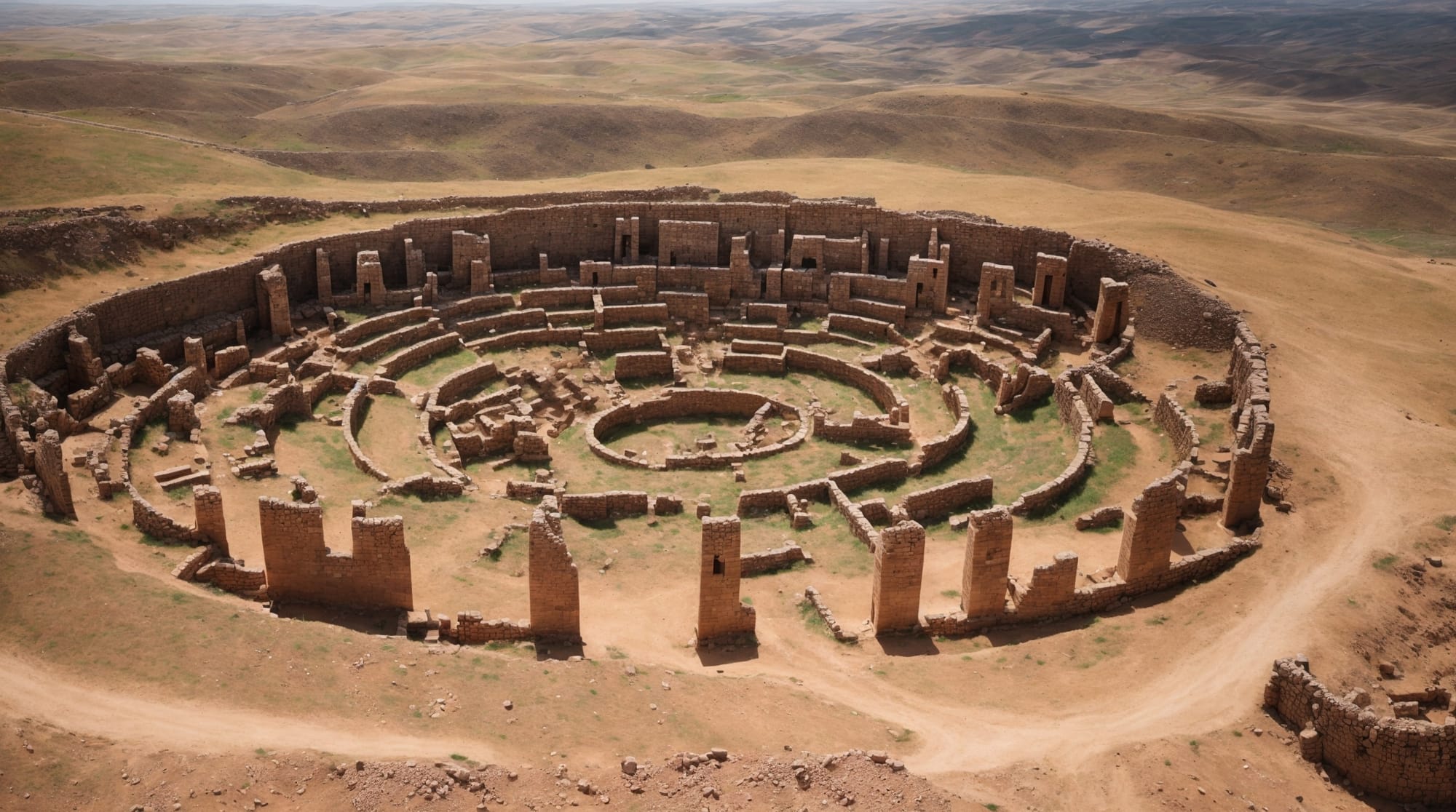
Göbeklitepe, located in the southeastern region of Turkey, stands as one of the earliest examples of complex monumental architecture worldwide. Dated to around 9600 BC, it predates Stonehenge and the Egyptian pyramids, challenging traditional assumptions about the beginnings of civilization. The site consists of circular and oval-shaped structures, intricately decorated T-shaped pillars, and a layout that suggests advanced communal and ritual practices not previously attributed to societies of this era.
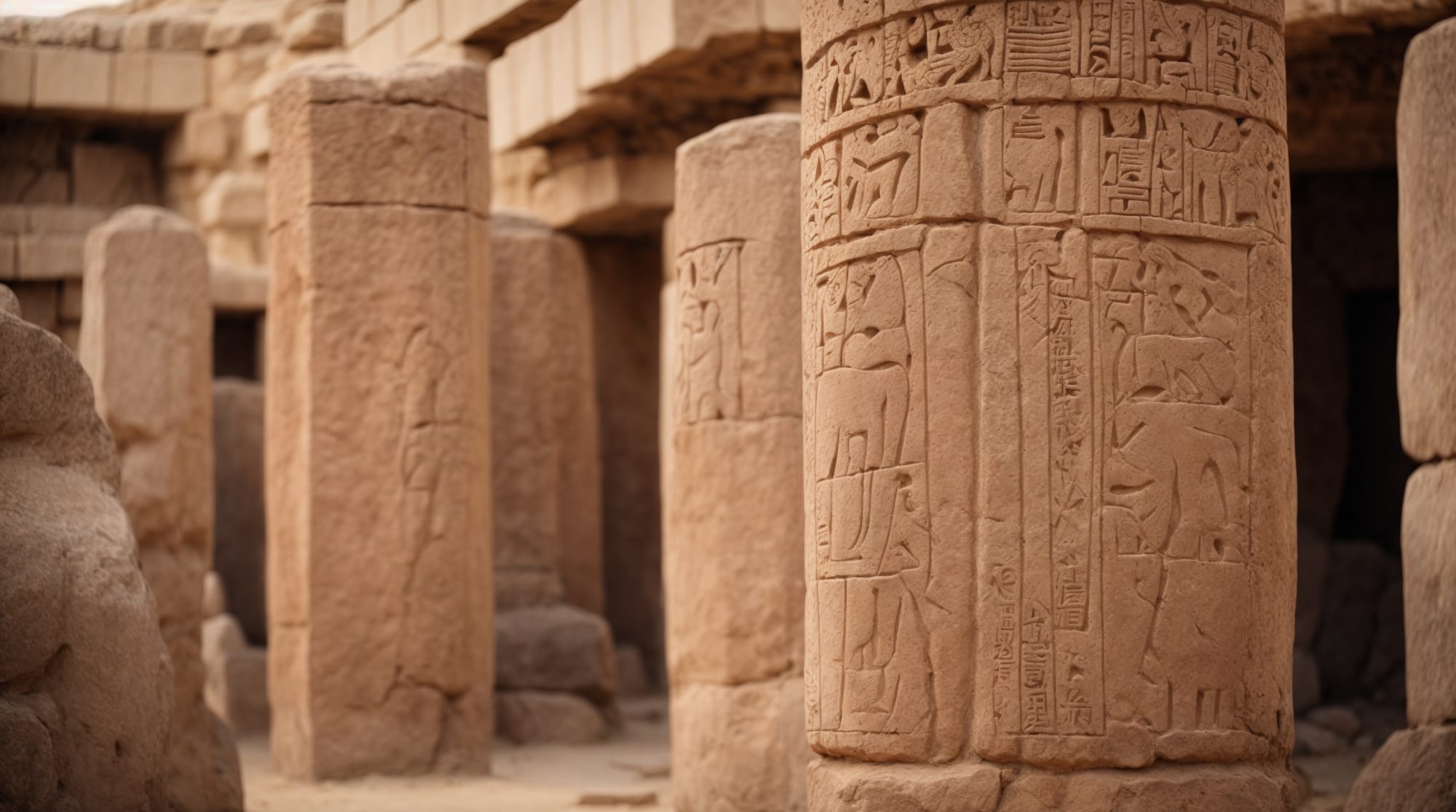
The architectural ingenuity of Göbeklitepe is evident through its unique T-shaped pillars, which are up to 20 feet tall and weigh several tons. The builders of Göbeklitepe, likely nomadic hunter-gatherers, demonstrated profound knowledge in geometry and stonework, as seen in the precise interlocking of stones without the use of mortar. The carvings and reliefs on these pillars depict a variety of animals, suggesting a symbolic or spiritual significance that played a central role in their society.
Deciphering the Purpose Behind Its Construction
While the exact purpose of Göbeklitepe remains a subject of debate among archaeologists, it is widely accepted that the site served primarily religious or ceremonial functions. The arrangement of pillars within concentric circles suggests gatherings and ritualistic events rather than domestic living. This ceremonial use is supported by the absence of typical domestic refuse, such as food remnants or tools, which indicates that the site was not occupied continually but visited periodically for specific purposes.
The skillful craftsmanship of stone tools at Göbeklitepe further underscores the technological prowess of its builders. These tools, which include flint knives and scrapers, display a proficiency in stone shaping that was unprecedented for the time. The techniques employed at Göbeklitepe suggest that the Neolithic revolution, typically recognized by the advent of agriculture, also encompassed significant advancements in tool-making and stone construction, setting the stage for future architectural developments in human history.