Delving Deeper into the Prehistoric Engineering at Gobekli Tepe
Unveiling the Engineering Marvels of Neolithic Times
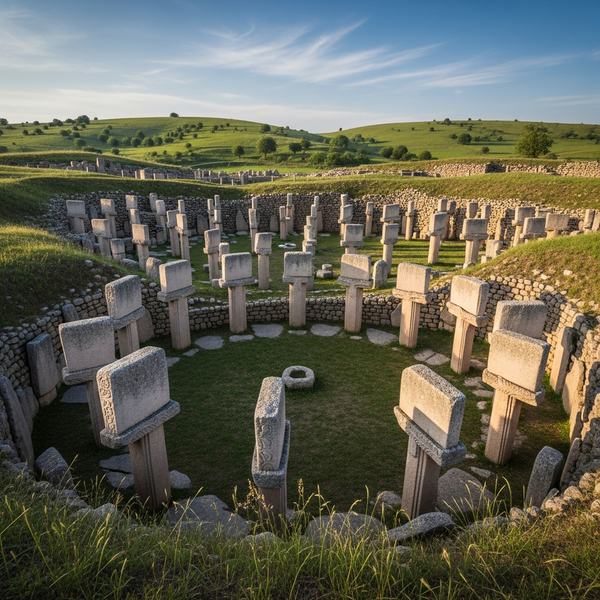
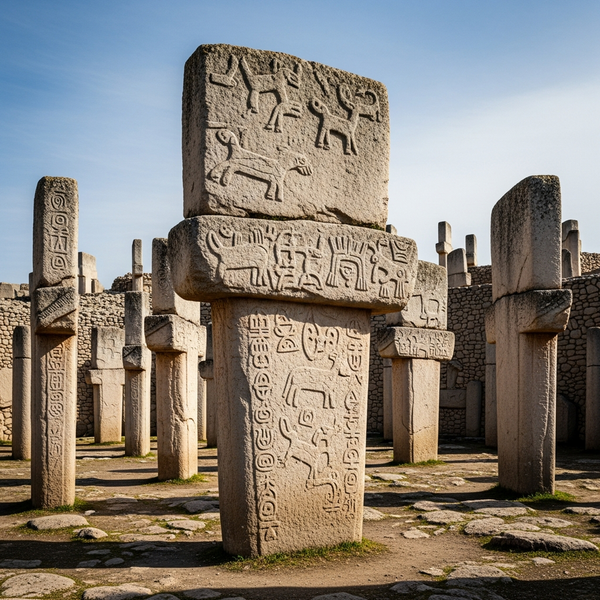
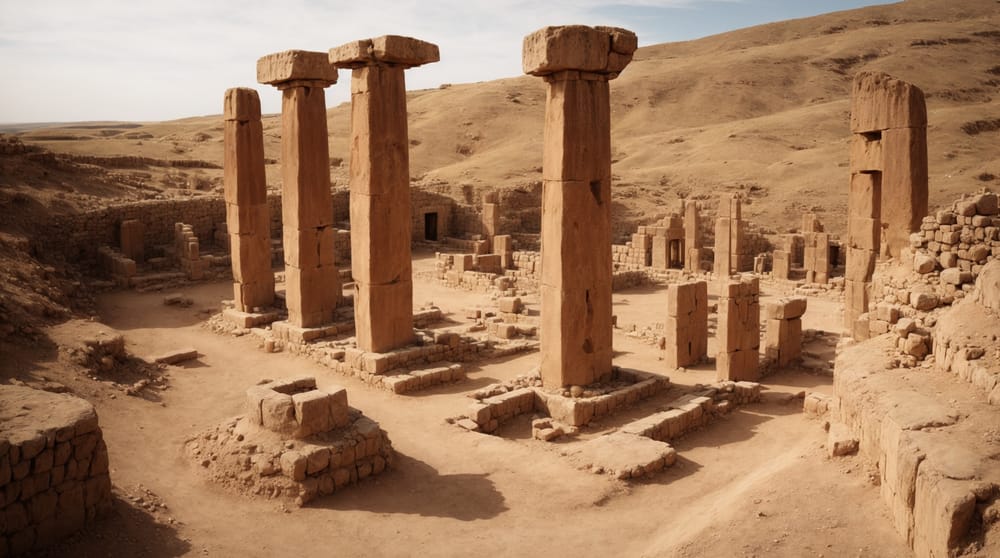
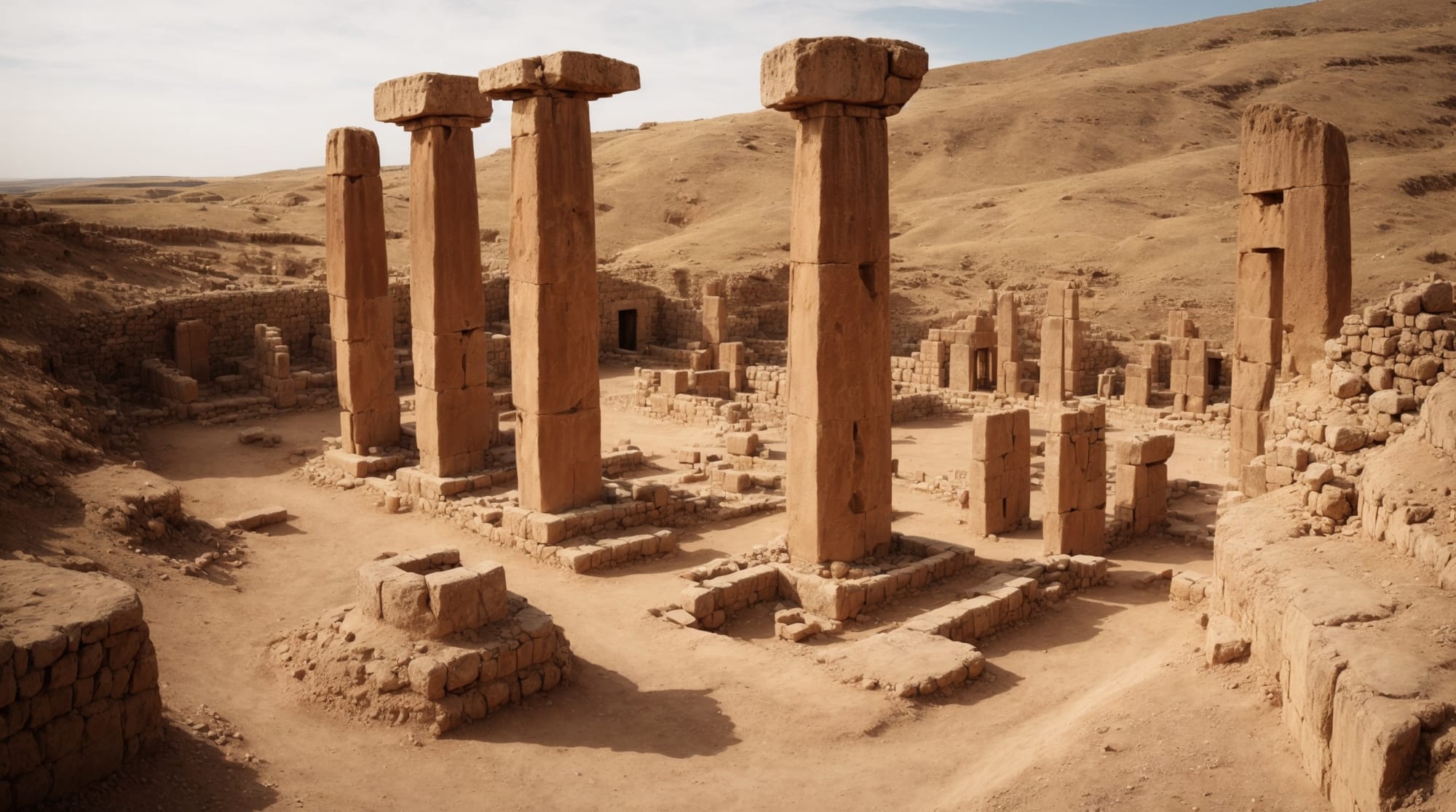
Gobekli Tepe stands as a testament to the architectural and social planning capacities of hunter-gatherer societies during the Neolithic period. Constructed more than 12,000 years ago, it predates Stonehenge by over six millennia, challenging previous conceptions about early human societies. Through recent excavations, archaeologists have unearthed evidence that suggests Gobekli Tepe was not only a ritualistic center but also a hub of complex societal interactions and advanced planning. Its T-shaped pillars, intricately carved with animal motifs, indicate a symbolic communication system and spiritual significance far beyond mere subsistence living.
Analyzing the Societal Structure of Gobekli Tepe's Builders
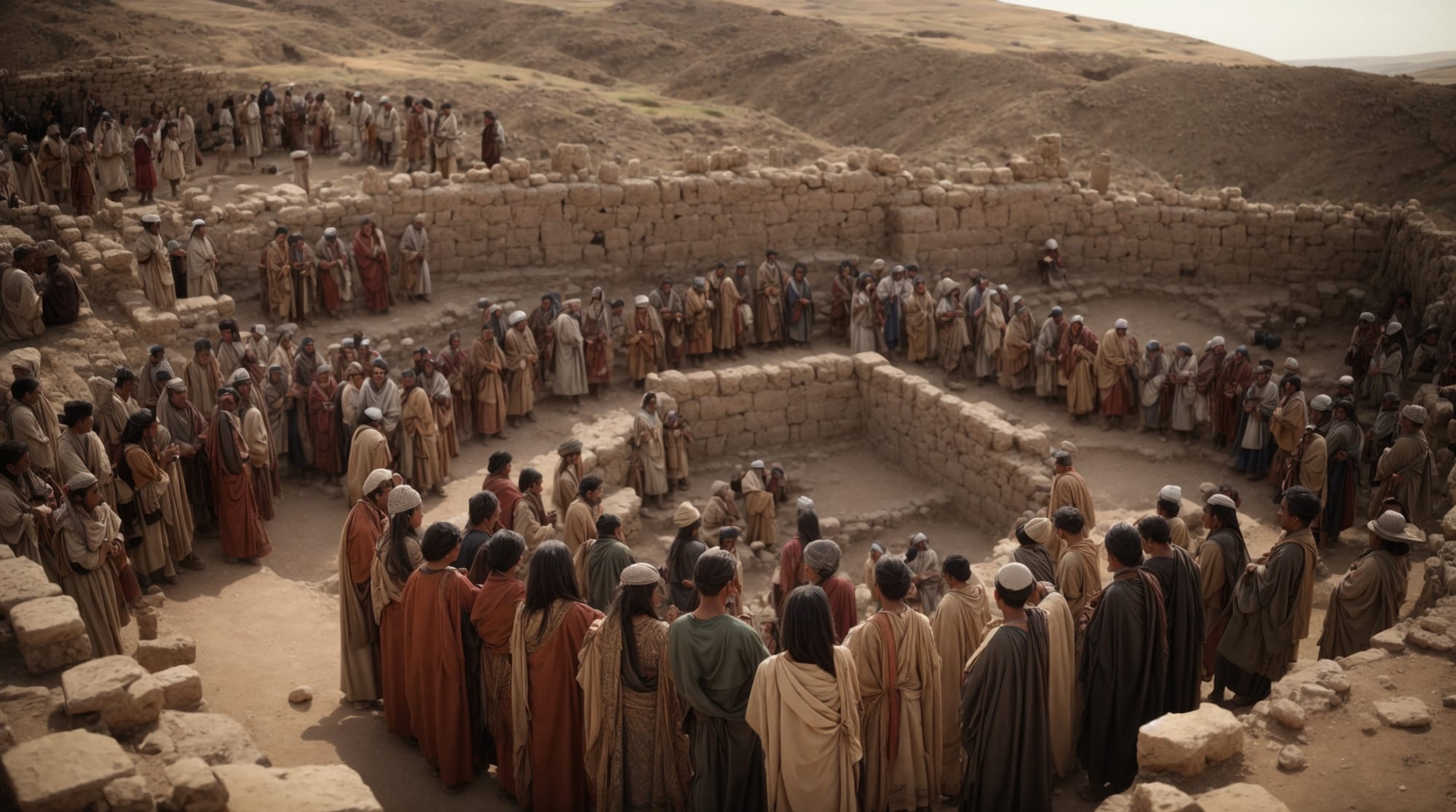
The societal structure of those who built Gobekli Tepe reveals a complex hierarchy and social stratification that was distinctly advanced for its time. This is evident from the scale of the project and the required labor to construct such massive monuments. The presence of large communal buildings suggests that Gobekli Tepe was a central location for gatherings, rituals, or social administrations, which implies a well-organized community capable of mobilizing large groups for sustained periods. This degree of social organization was unusual for a period characterized by nomadic tribes and small settlements.
Technological Insights from Gobekli Tepe
The technological insights gleaned from the structures and artifacts at Gobekli Tepe are profound. Not only do the site's pillars represent some of the earliest known examples of monumental sculpture, but the precision of their interlocking fits suggests a surprisingly sophisticated understanding of stone-working techniques. Additionally, the layout of the site indicates a knowledge of geometric principles and spatial organization, underscoring a level of planning and execution that aligns with the practices seen in much later, more settled, agricultural societies.
The Cultural and Ritualistic Significance of Gobekli Tepe
Beyond its architectural and technological achievements, Gobekli Tepe serves as a crucial window into the spiritual and cultural practices of early Neolithic humans. The site's numerous carvings and relic placements suggest that it played a significant role in the spiritual or ritualistic life of its builders. These practices likely fostered a shared cultural identity and helped stabilize social structures by providing common religious and ceremonial experiences. These findings provide invaluable insights into the non-material culture of our Neolithic ancestors and their cognitive world.