Gobekli Tepe: A Gateway into Ancient Architectural Innovations
Unveiling the Ancient World of Gobekli Tepe
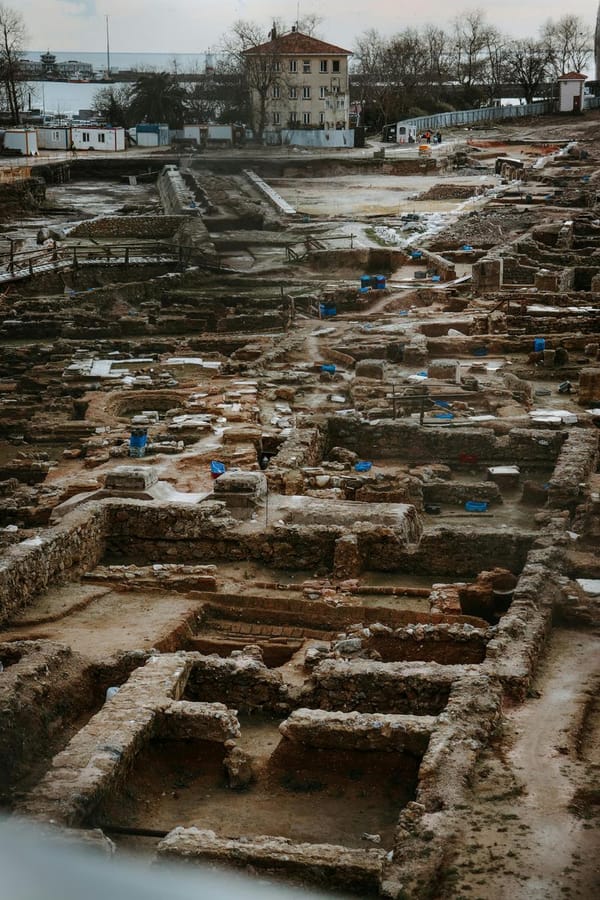
Nestled on a hilltop in southeastern Turkey, Gobekli Tepe presents a fascinating tableau of prehistoric life, believed to have been crafted by hunter-gatherers around 9600 BCE. The intricacies of its megalithic structures upend traditional narratives about nomadic societies of that era; these people, previously assumed to lack complex societal structures, constructed what is arguably one of the first religious temples known to man. The site's discovery itself, spearheaded by Klaus Schmidt in 1994, marked a pivotal shift in archaeological perspectives, offering new insights into the socio-Cultural dynamics of early human civilizations.
Exploring the Architectural Significance of the Megaliths
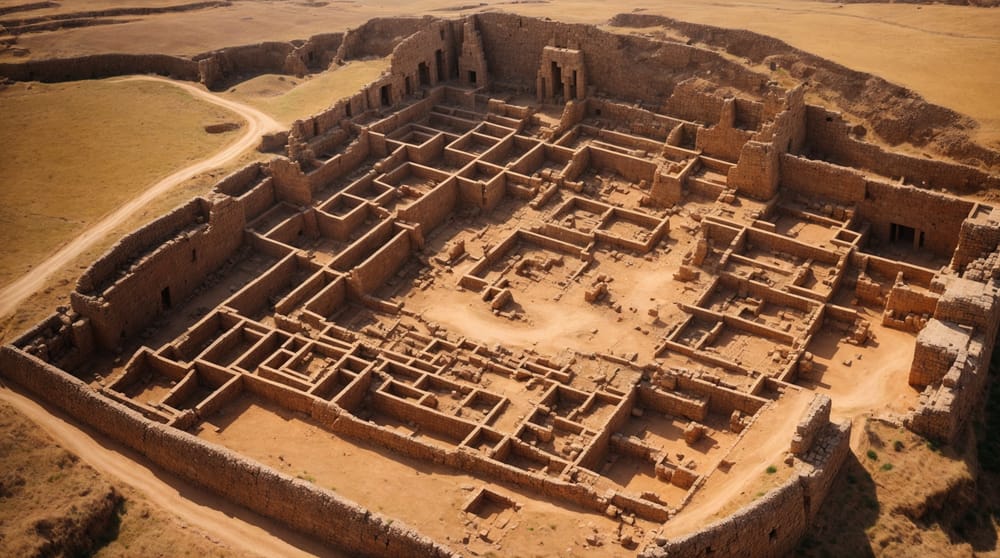
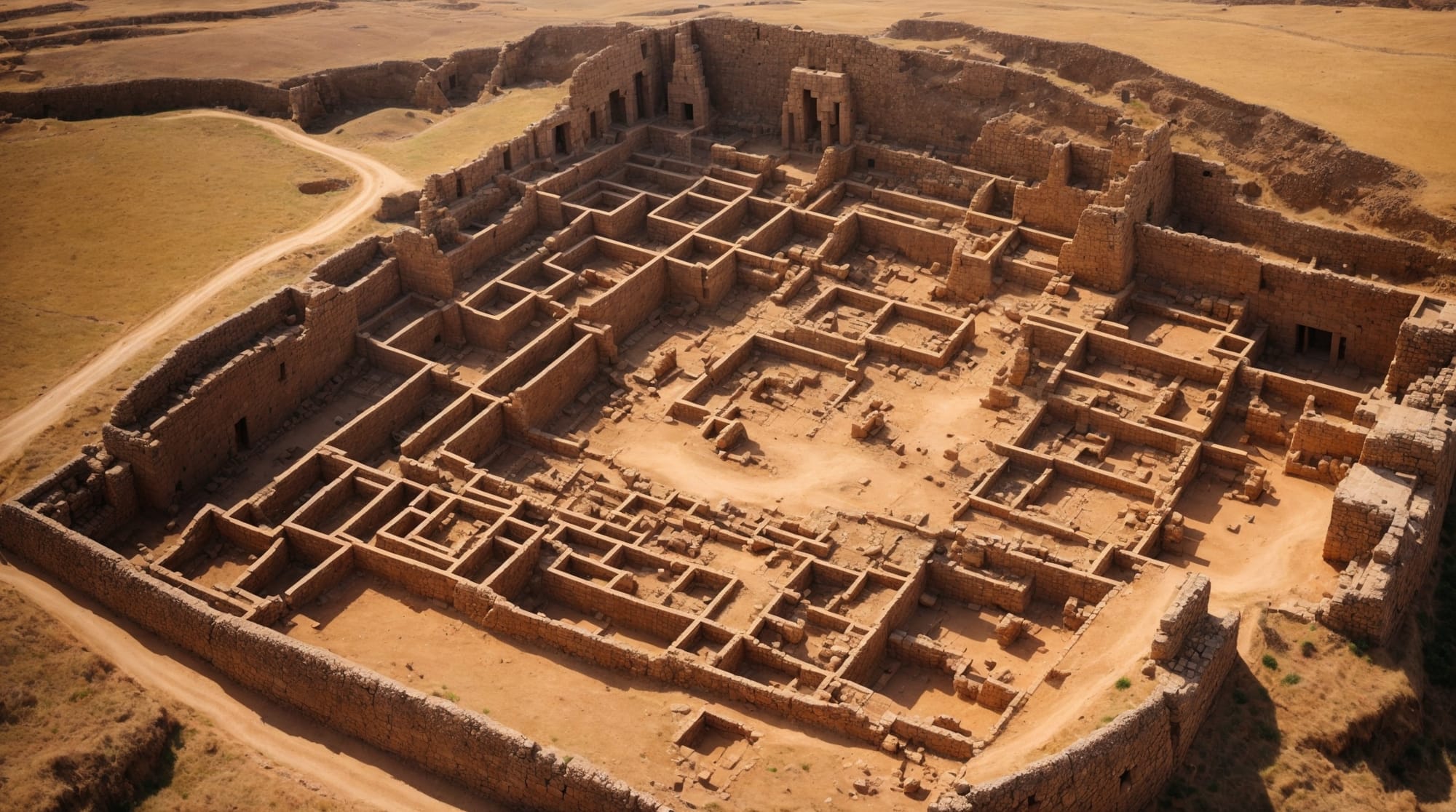
At the core of Gobekli Tepe's allure are its towering T-shaped pillars, engraved with reliefs of animals and abstract symbols, suggesting various meanings and uses. Archaeologists suggest these pillars were not merely decorative but held significant cosmological or spiritual importance for their creators. Technically, the site is a marvel of neolithic engineering, demonstrating sophisticated methods in stone carving that were unparalleled at the time. The layout of circular and rectangular structures, aligned in what is presumed to be ritualistic formations, further underscores Göbeklitepe's significance as a ceremonial site, eclipsing mere subsistence activities.
The Cultural Impact of Gobekli Tepe
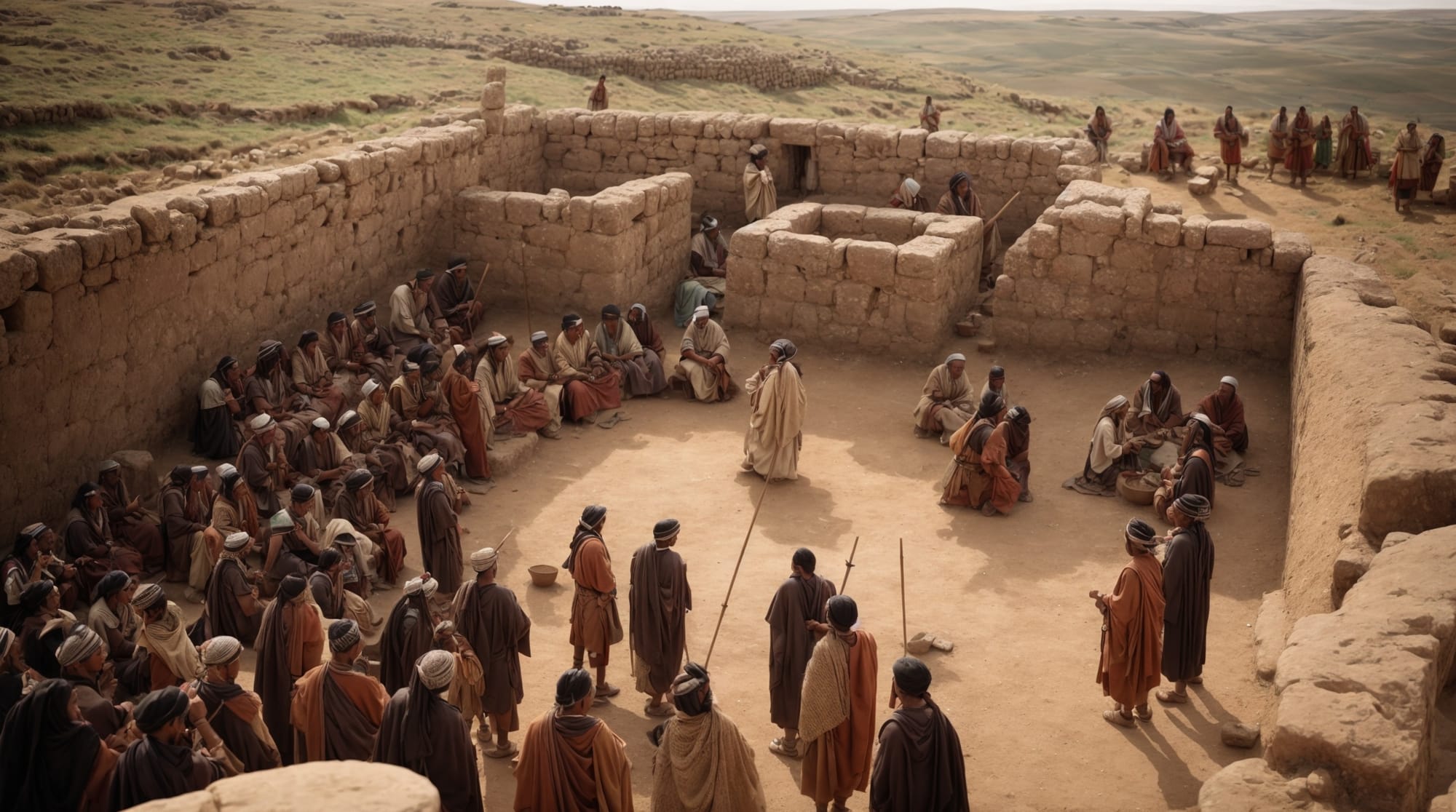
The cultural implications of Gobekli Tepe are profound, influencing not only our understanding of early religious practices but also of communal life in the Neolithic era. The site is believed to have served as a central location for gatherings, ceremonies, and potentially, the dissemination of early religious and cosmological ideas. This role may have catalyzed the transition from nomadic life to agricultural sedentism by fostering a closer-knit and socially stratified community capable of managing large-scale projects such as Gobekli Tepe.
Challenges in Preserving Gobekli Tepe
Preservation efforts at Gobekli Tepe face numerous challenges, primarily related to the site's age and the delicate nature of its carvings. Environmental factors such as erosion, along with human activity, threaten the integrity and longevity of this precious site. The ongoing collaboration between local authorities and international archaeological teams underscores the importance of sustaining global heritage sites. Efforts include meticulous site management plans, sustainable tourism development, and cutting-edge preservation technology to protect and promote understanding of these timeless structures for future generations.