Gobekli Tepe and the Architectural Insights into Ancient Life
Exploring the Archaeological Significance of Gobekli Tepe
Gobekli Tepe, known as the world's earliest known monumental structure, has puzzled and fascinated archaeologists with its sophisticated design and astronomical alignments. Situated in modern-day Turkey, this site dates back to approximately 9600 BCE, considerably predating Stonehenge and the Egyptian pyramids. The archaeological findings at Gobekli Tepe provide invaluable insights into the Neolithic revolution, shifting narratives about the hunter-gatherer communities of the time and their capability to construct complex structures.
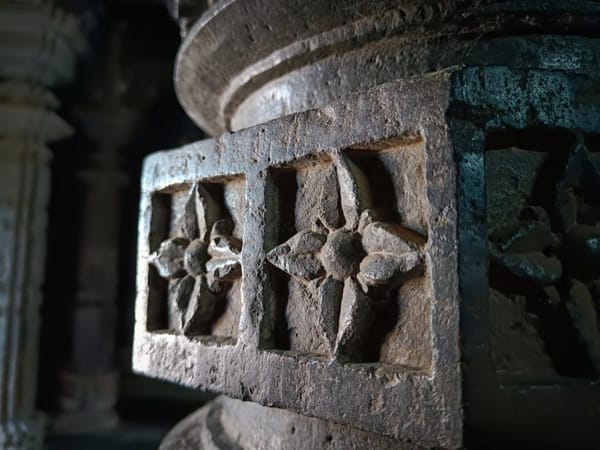
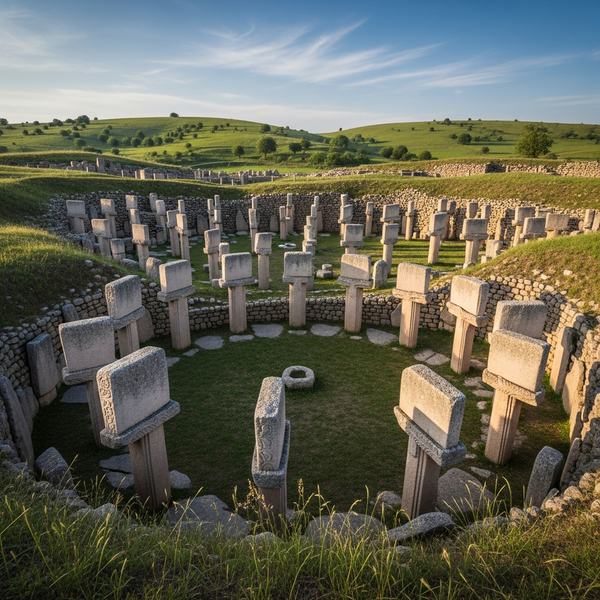
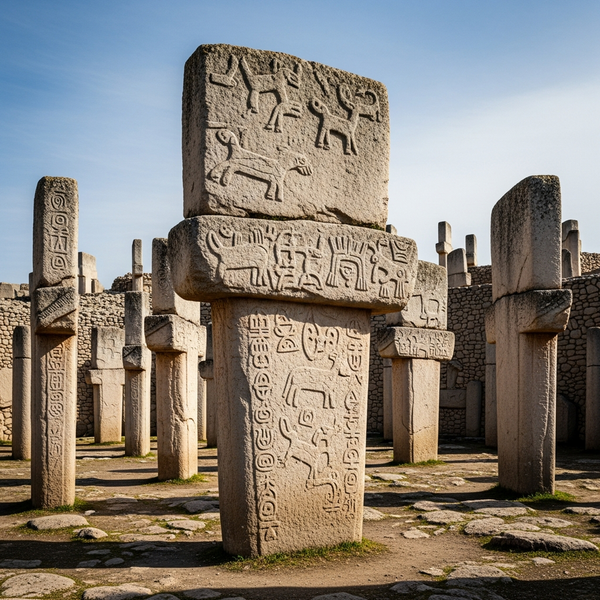
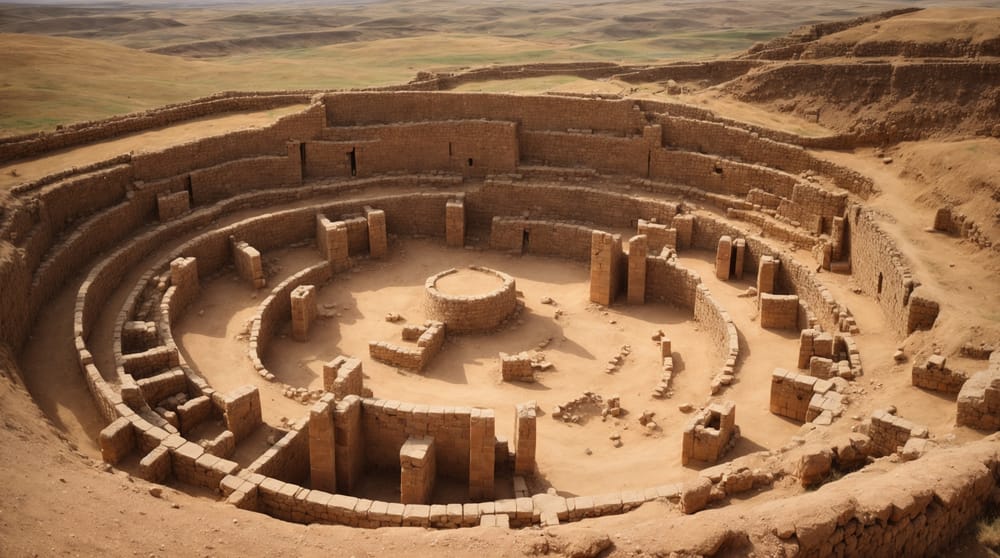
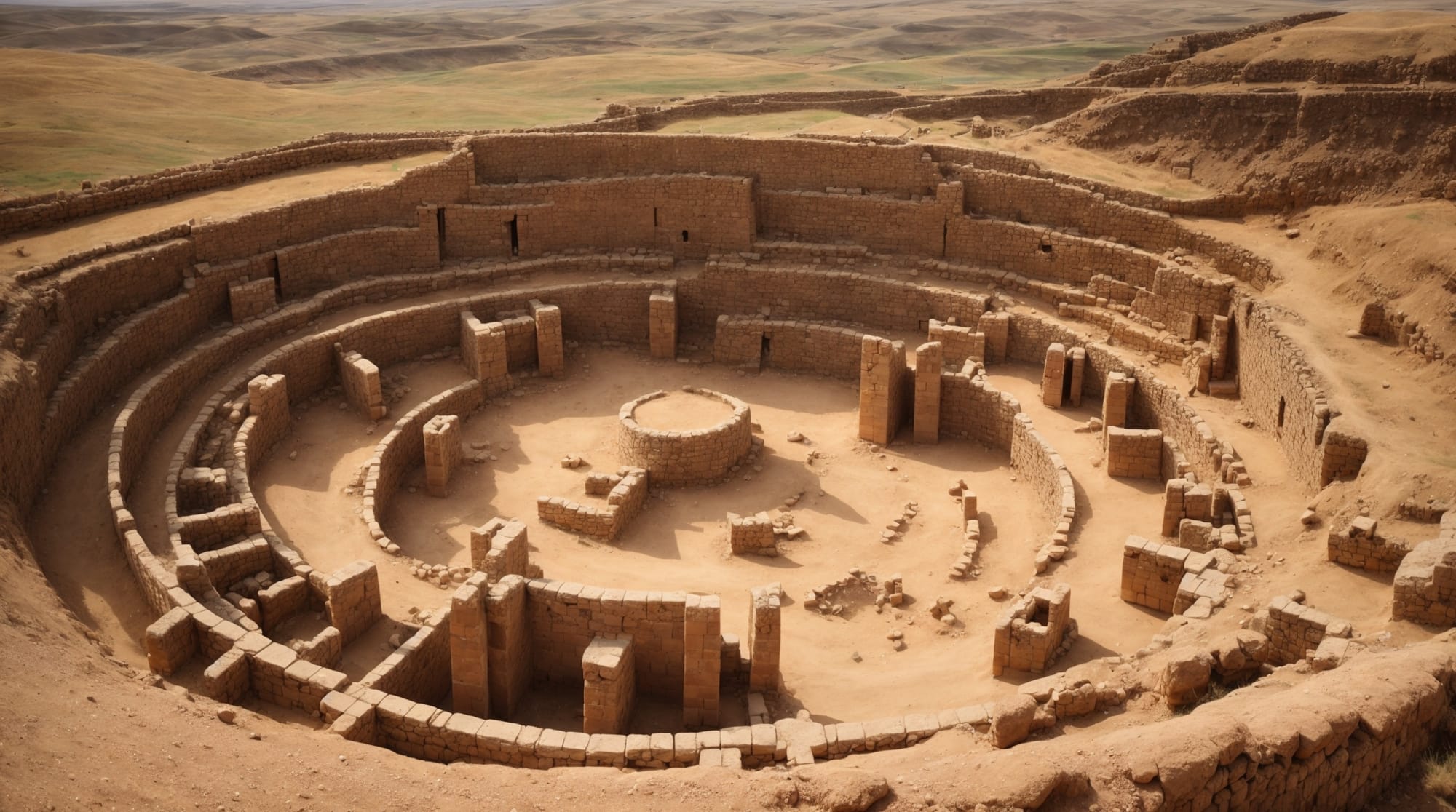
The carved pillars and circular arrangements of Gobekli Tepe not only demonstrate aesthetic intention but also suggest sophisticated construction techniques and a deep understanding of geometry. These megalithic structures, crafted without the use of metal tools, illustrate the use of stone hammers and flint tools which challenge our understanding of Neolithic capabilities. The precise arrangements suggest that Gobekli Tepe served as a site for social gatherings, religious ceremonies, or even early astronomical observatories.
The Role of Gobekli Tepe in Understanding Social Structures
The complexity and scale of Gobekli Tepe imply a level of social organization that is unprecedented for its time. The efforts required in the construction point to an advanced hierarchical society capable of mobilizing a large workforce. This suggests the presence of skilled laborers, planners, and possibly leaders who orchestrated these grand projects. Insights gained from Gobekli Tepe challenge the traditional view that architectural sophistication was only possible in sedentary, agrarian societies.
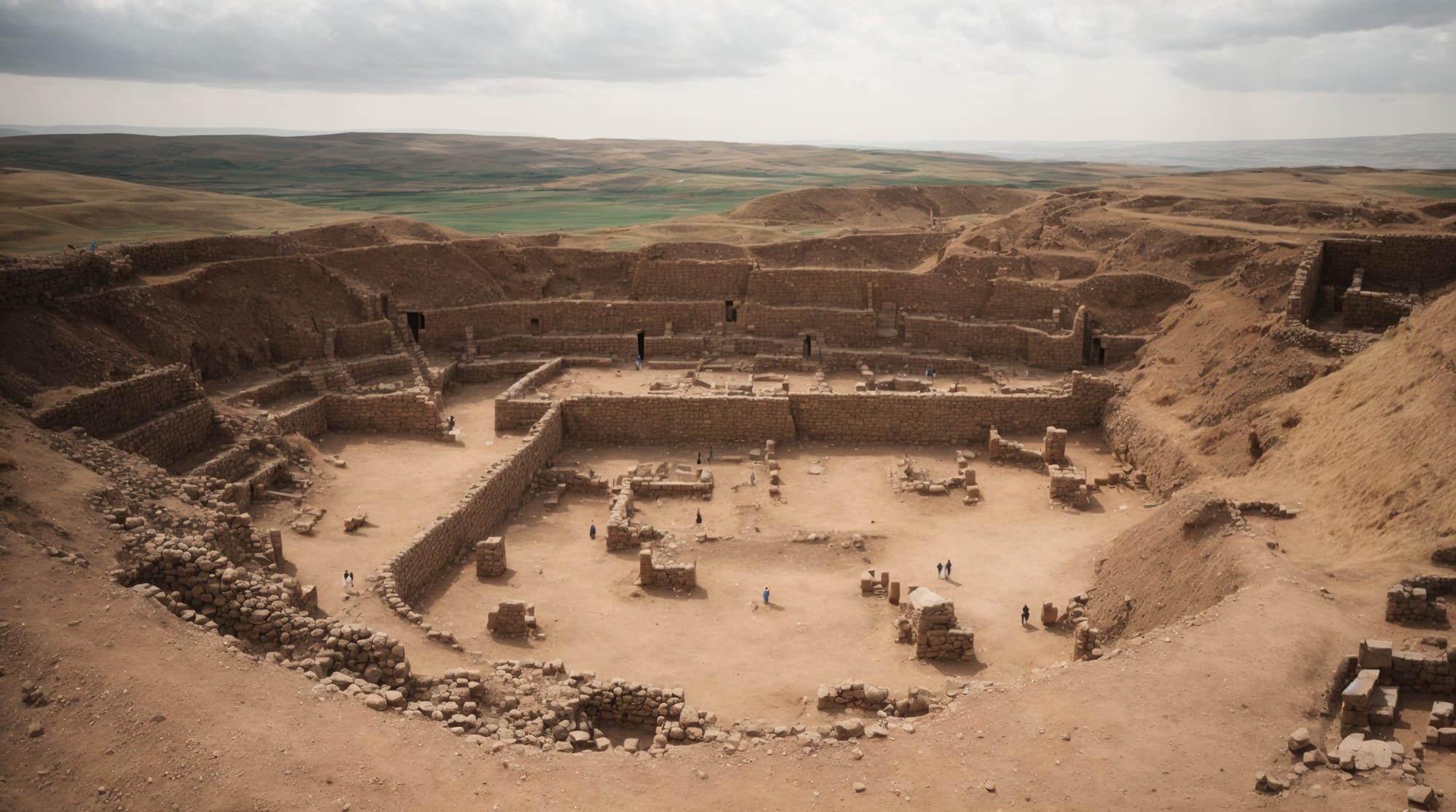
Understanding the technological innovations at Gobekli Tepe involves examining its tools and construction methodologies. The stone carvings and figurines indicate an advanced understanding of tool-making, potentially laying the groundwork for future technologies. The site's alignment with celestial bodies also hints at early forms of astronomical knowledge, which may have played a crucial role in the timing of religious ceremonies and understanding seasonal cycles critical for survival.