Gobekli Tepe and the Birth of Ancient Art
The Artistic Mysteries of Gobekli Tepe
Gobekli Tepe, standing majestically on a barren plateau in southeastern Turkey, has redefined our understanding of early human societies. This ancient site, believed to be over 12,000 years old, predates Stonehenge and the Egyptian pyramids, providing a unique glimpse into the spiritual and social life of early Neolithic communities. Unlike any other known ancient site, the monumental circular and rectangular structures, adorned with elaborate carvings and massive T-shaped pillars, suggest that art and symbolic representation were integral to the earliest forms of organized human activity.
The carvings at Gobekli Tepe are not merely decorative but are deeply symbolic, featuring a wide array of animal figures such as foxes, lions, scorpions, and birds. The precision and detail of these carvings indicate a sophisticated understanding of anatomy and a complex socio-religious structure. Researchers believe these carvings could be telling stories or representing deities, serving both to unify the group and to understand their world. The presence of such art suggests that the functions of Gobekli Tepe extend beyond the mere survival, venturing into the realms of spiritual practice and societal regulation.
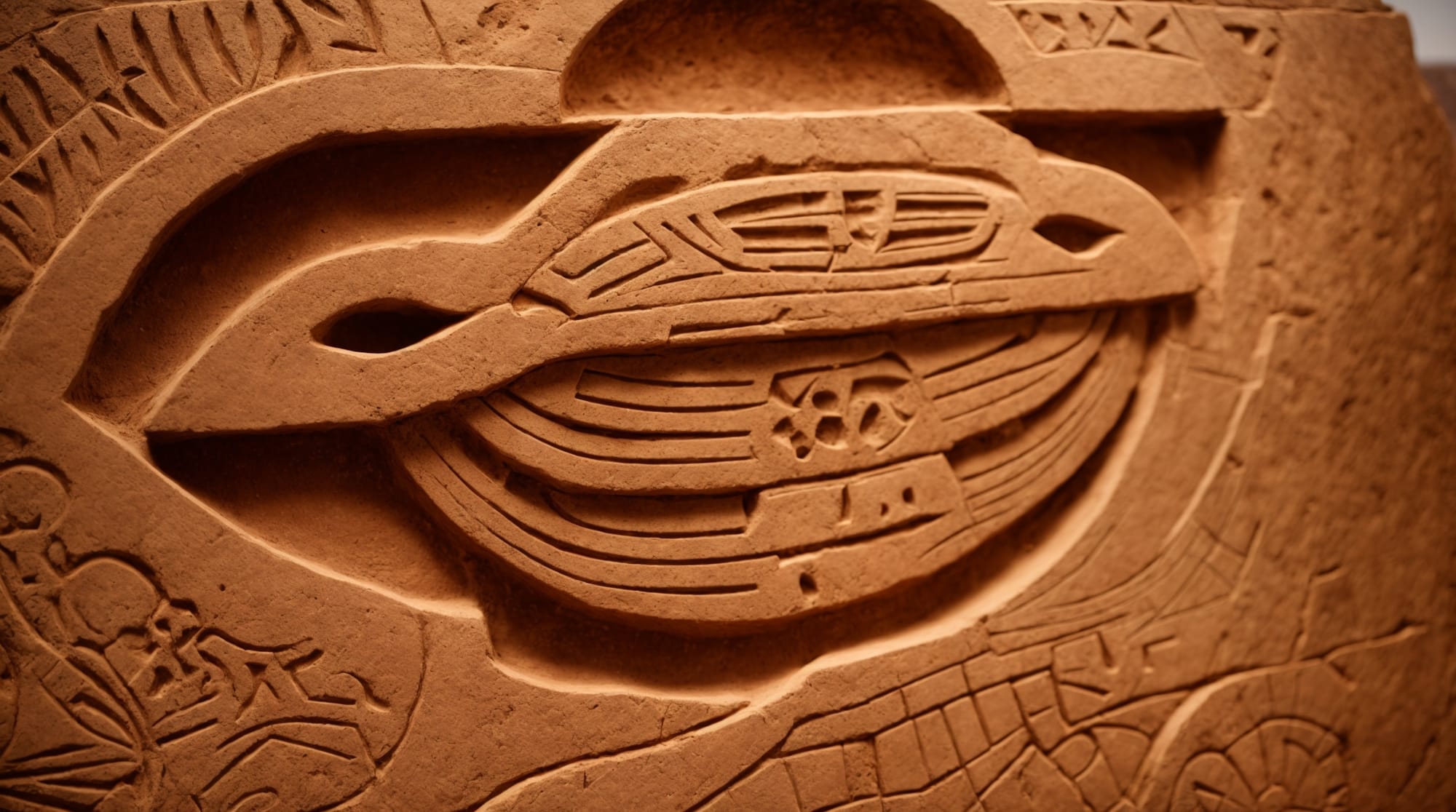
The T-shaped pillars of Gobekli Tepe, which can reach up to 20 feet in height and weigh up to 10 tons, are thought to have been carved from local quarries using rudimentary stone tools. This represents an incredible feat of engineering and human cooperation. The pillars are not only structural but also feature carvings that relate to the spiritual and social life of the communities. Each pillar tells its own story, which may have functioned as a repository for communal knowledge and traditions, akin to a prehistoric archive or library.
The use of art in Gobekli Tepe suggests a society that placed significant value on symbolic representation and aesthetic expression, challenging previous assumptions that early Neolithic societies were predominantly concerned with subsistence activities. The elaborate artworks found here were likely central to community life, serving as focal points for rituals and gatherings. These practices may have helped to solidify group identity and social hierarchies, playing a crucial role in the development of early human civilization.