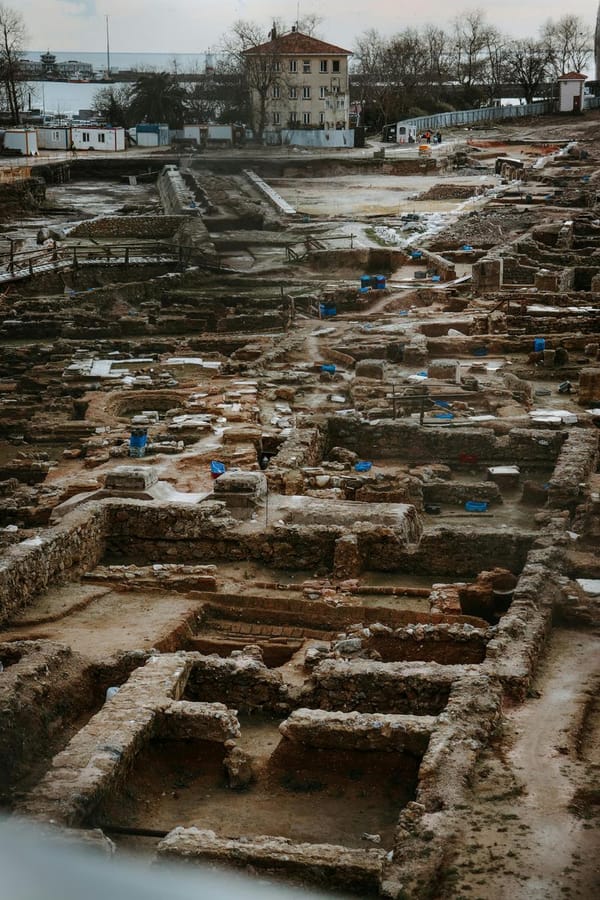
Gobekli Tepe and the Birth of Monumental Architecture
Unveiling the Mysteries of Gobekli Tepe
Gobekli Tepe, located in southeastern Turkey, stands as a monumental feat in the history of human civilization. Predating Stonehenge by over 6,000 years, these megalithic structures provide unambiguous evidence of early human ingenuity in both architecture and social organization. The site consists of several large stone circles, each featuring T-shaped pillars intricately carved with wild animals and abstract symbols, which mystify and fascinate archaeologists and historians alike.
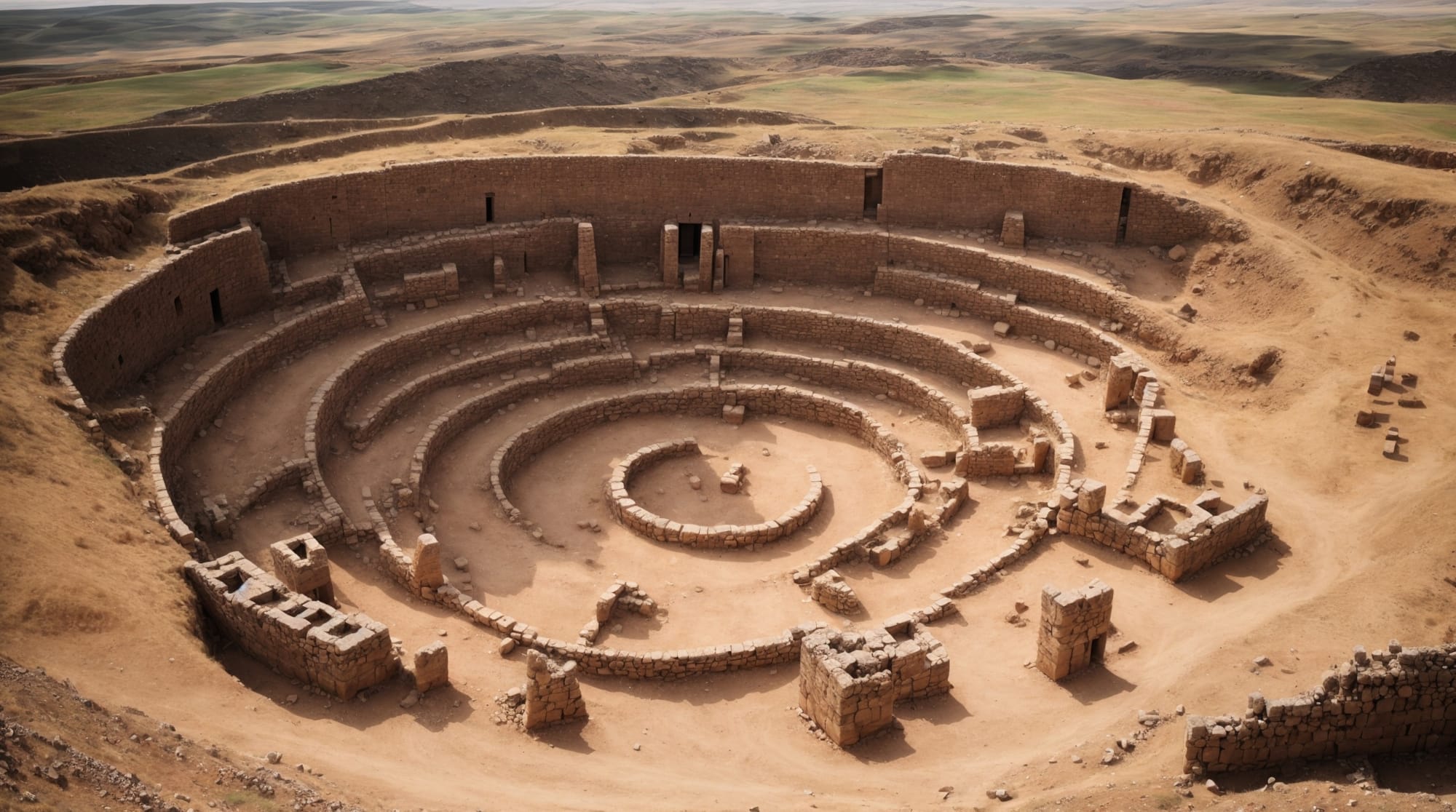
The societal implications of Gobekli Tepe's structures are profound, suggesting that the builders of these circles were capable of organizing large groups of people to participate in construction projects, potentially for religious or social gatherings. This level of social organization and cooperation indicates a highly sophisticated group who not only built these massive structures but also shared communal goals, possibly spiritual or ritualistic in nature.
The Architectural Significance of Gobekli Tepe
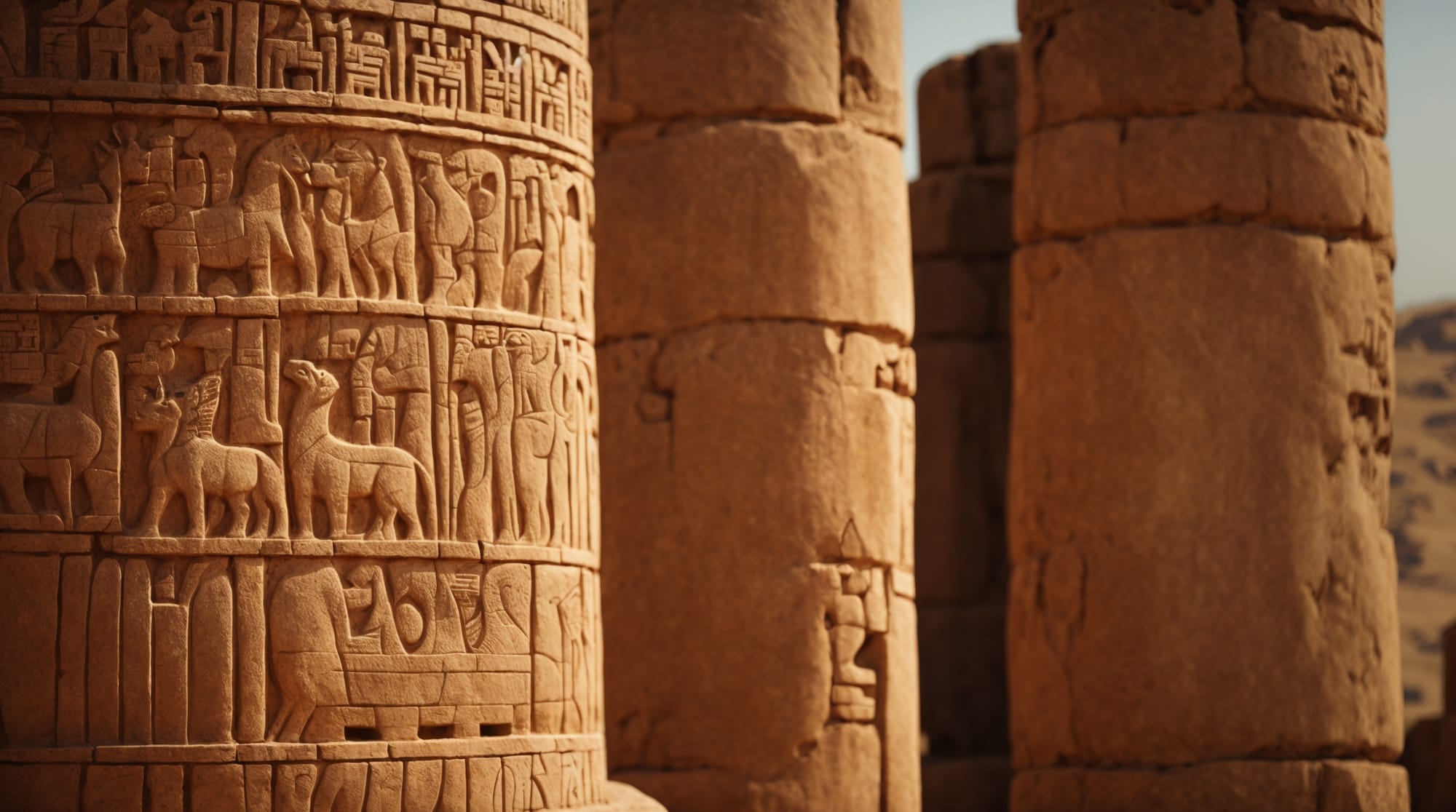
The architecture of Gobekli Tepe is not only notable for its size and age but also for its innovation. The T-shaped pillars are thought to represent the human form, which suggests early forms of anthropomorphic symbolism. Moreover, the carvings depict a variety of animals, from foxes and lions to serpents and scorpions, demonstrating the carvers' deep observation of their environment and perhaps a desire to capture the essence of these animals, imbuing their constructions with spiritual significance.
Archaeological evidence also suggests that Gobekli Tepe's layout was carefully planned, with a clear geometrical arrangement that aligns some of the central pillars with celestial bodies. Such astronomical alignments hint at the early human understanding of the cosmos, which would have required careful observation over time. This aspect of Gobekli Tepe not only highlights the architectural prowess but also the cognitive sophistication of its builders, who might have used these alignments for calendrical or ceremonial purposes.
Exploring the Cultural Impact of Gobekli Tepe
Gobekli Tepe's influence extends beyond just archaeological interest; it challenges our understanding of Neolithic societies, early spiritual practices, and the origins of religion and communal rituals. As such, Gobekli Tepe stands not only as a series of stone structures but as a testament to a time when humans were making profound leaps in social and spiritual development, marking a pivotal phase in the transcendence of human history from nomadic hunter-gatherers to settled agricultural societies.