Göbekli Tepe and the Dawn of Complex Ancient Civilizations Revealing Humanity's Deep Past
Unveiling Göbekli Tepe and Its Archaeological Significance
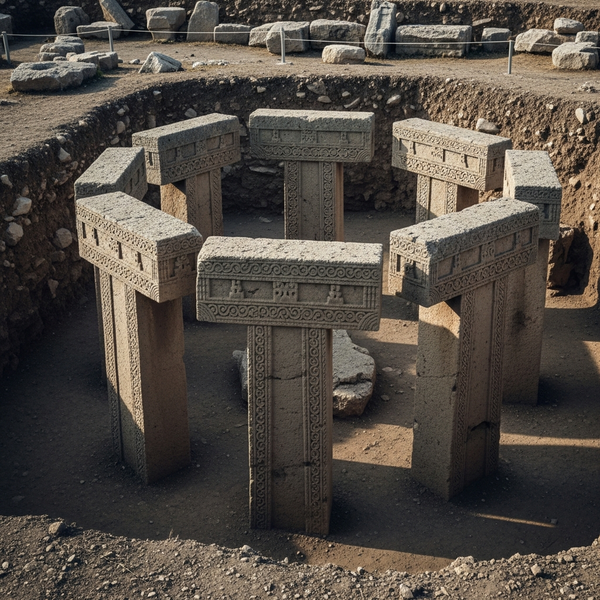
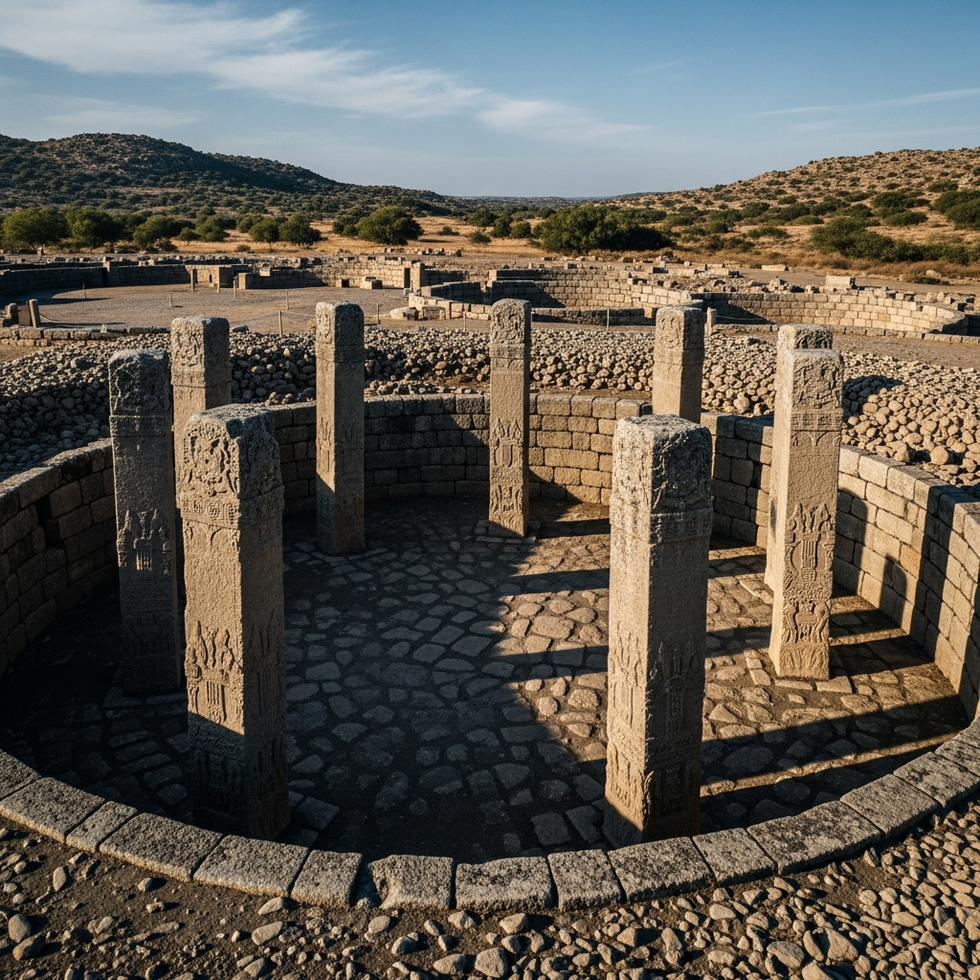
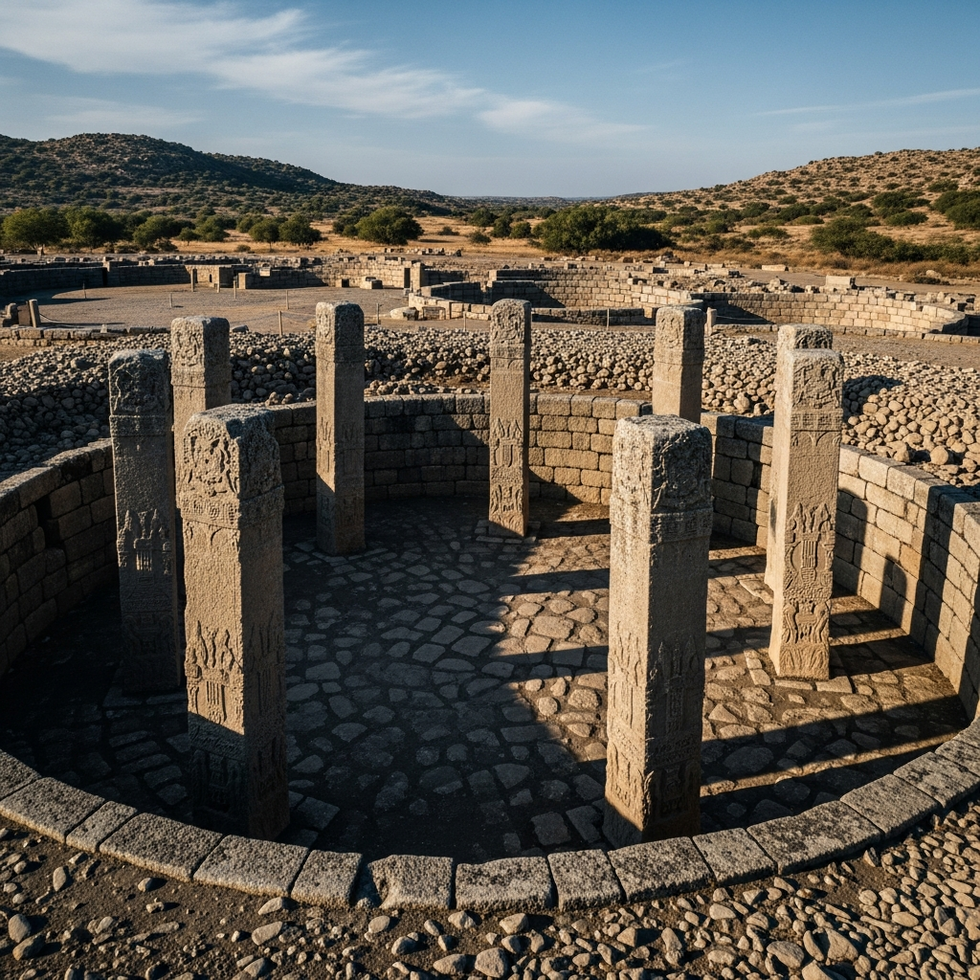
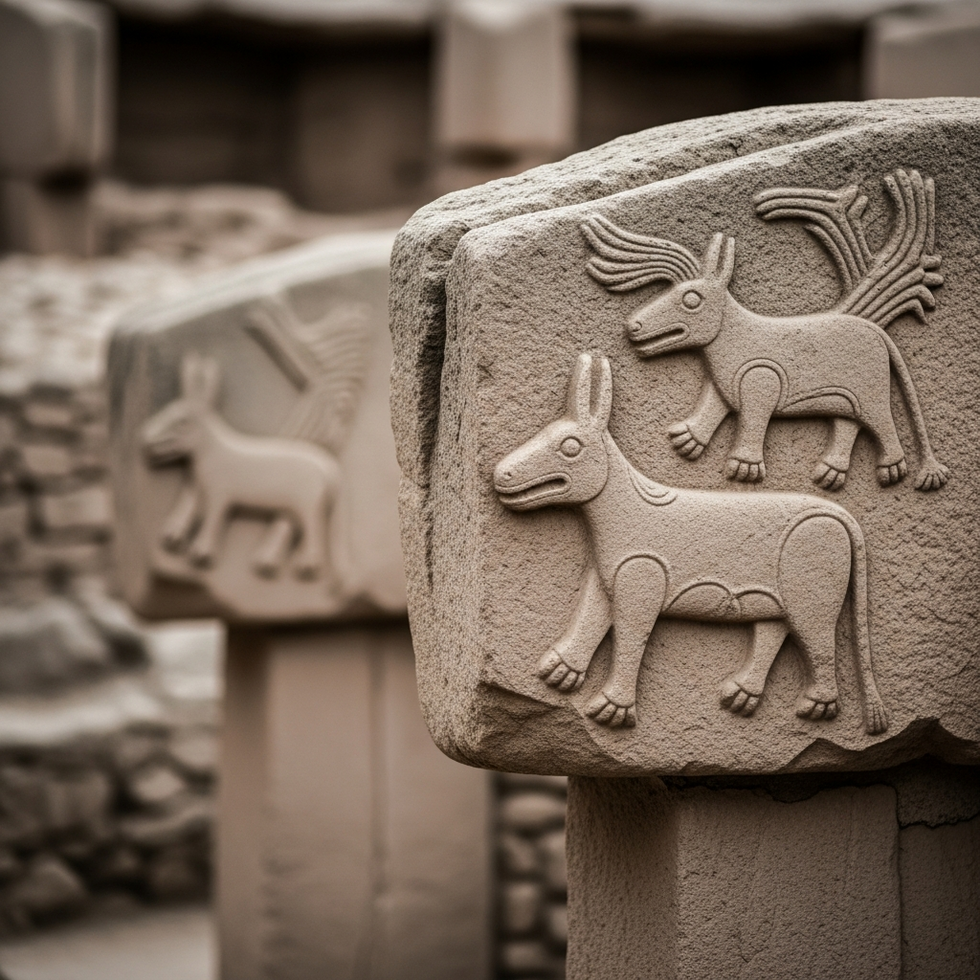
Out near the edge of southeastern Turkey sits a place called Göbekli Tepe - a spot shattering what we thought we knew about early human life. Uncovered slowly during the 1990s, then dug deeper since, its secrets have reshaped views on where civilization began. Most ancient remains tie to much later times than this one; however, evidence here points toward roughly 9600 BCE, placing it beyond 11,000 years into the past. Round groups of giant stones stand at Göbekli Tepe, shaped with creatures, strange patterns, and beings like people. Because these structures seem tied to roaming groups rather than farm settlers, how we see ancient humans shifts in meaning. Carved figures move alongside beasts and mysterious signs in quiet precision. What we thought we knew about old ways now wobbles under new evidence. Suddenly, experts everywhere rethink when societies formed, how people settled, why hunting gave way to fields. Beyond when it stood, the place still reveals pieces of ancient belief and shared living, hinting faith or ceremony helped tie first communities together. Maybe Göbekli Tepe marks among the earliest ways people built large structures to feel connected - not just fight for existence. With each new find, those digging up history see how clever ancient lives really were, where city beginnings took shape.
The Role of Early Humans in Creating Monumental Architecture
Not far from a hunter's camp, stones rose in a circle, shaped with care. Far from settled farms or kings’ thrones, people moved earth and carvings. Towering pillars - some over fifteen feet tall - speak of teamwork beyond small bands. Built on faith, shared vision, maybe sacred meetings, these megaliths stood against time. Skill like that does not come from random gatherings. Even without signs of homes, Göbekli Tepe’s massive architecture and intricate drawings point to broad group involvement - maybe led by religious authorities. That shifts what we know about complex societies among wandering bands, showing they thought more deeply and organized themselves better than many assume. Ritual patterns and shared meanings visible here hint that shared belief systems might have driven big gatherings long ago. What we've discovered changes how we see human history shift beyond basic needs toward layered societies and belief systems, contradicting the idea that farming single-handedly sparked urban life.
Implications for Our Understanding of Human Evolution and Societal Development
Out at Göbekli Tepe, things shift in ways few expected. Long thought to spark civilization, the growth of farming plus fixed communities now seem later than assumed. Around 8000 BCE, most believed those changes started everything. Yet here lies proof: grand rituals existed well before such habits spread. Nomadic bands showed advanced social organization far earlier than anyone imagined. That challenge of food storage? Already solved by hunter gatherers. So much came earlier than anyone thought possible. Looking at it another way, the usual idea that society grows step by step from basic to advanced doesn’t hold up here. What seems more likely is that shared values, belief systems, and maybe even a need for meaningful symbols actually helped spark farming and village life. This place pushes us to rethink how early people thought, worked together, and showed cultural identity - much sooner than many assumed before. That kind of understanding matters a lot, especially for those studying ancient remains, human behavior, biological evolution, and teaching history. With each fresh find, experts now see Göbekli Tepe not just as an old site but as a turning point - one that changes how we picture early societies.