Gobekli Tepe and the Origins of Agricultural Societies
The Archaeological Wonder of Gobekli Tepe
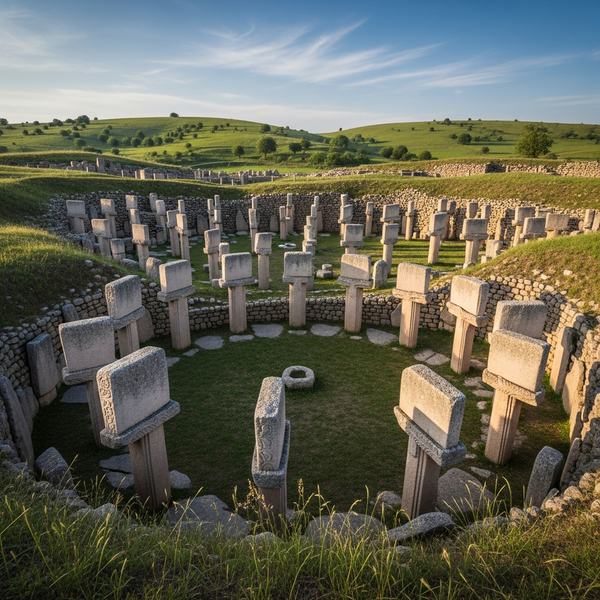
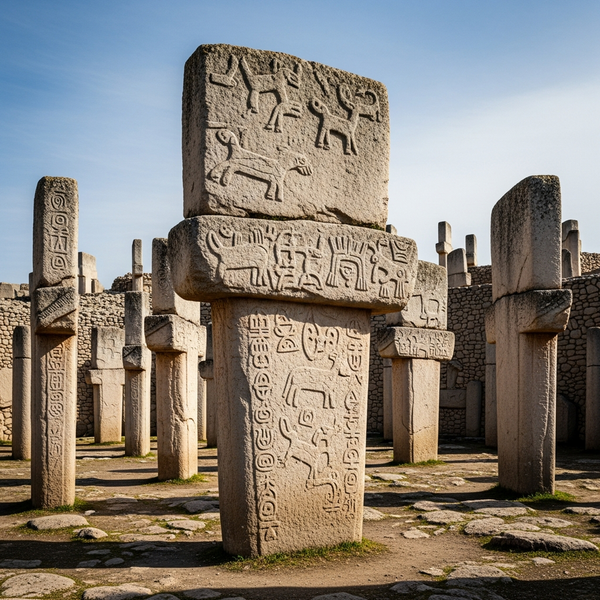
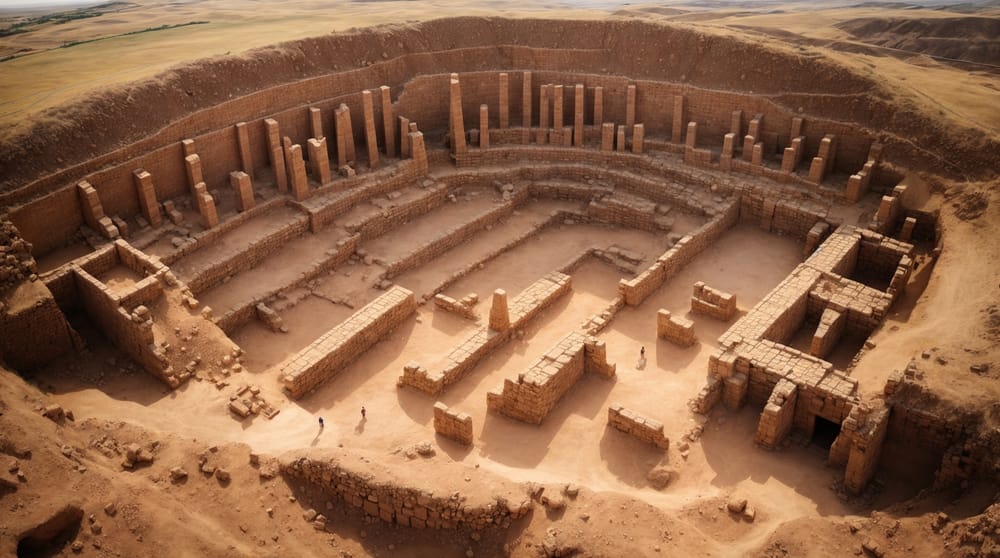
Gobekli Tepe in southeastern Turkey is recognized as one of the most significant archaeological discoveries in recent times. Dated around 9600 BC, it predates the invention of writing and the wheel, standing as a testament to the ingenuity of prehistoric peoples. The site consists of several large stone circles, featuring massive T-shaped pillars adorned with intricate carvings of animals and abstract symbols. These findings challenge traditional views about the origins of complex societies and suggest that religious practices could have played a pivotal role in uniting early human groups and possibly leading to the development of agriculture.
Exploring Connections Between Gobekli Tepe and Early Farmers
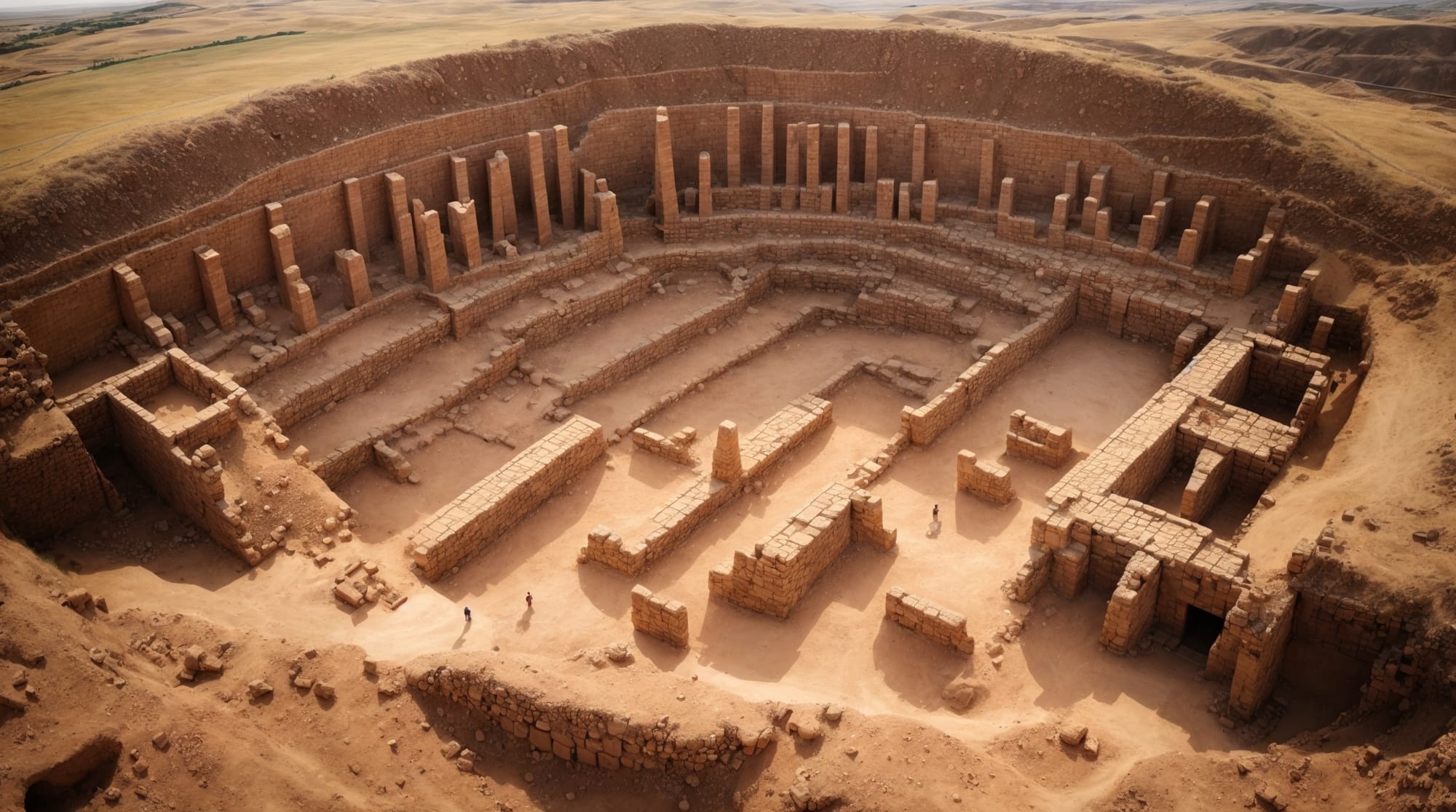
The monumental architecture and large communal structures at Gobekli Tepe imply a level of social organization that was previously thought to emerge only with settled agricultural communities. This suggests a possibility that such massive construction projects may have fostered cooperative behaviors that later became essential in agricultural management and animal domestication. The theory posits that the site's mysterious builders might have been among the first to experiment with planting crops and domesticating animals, laying the groundwork for future agricultural societies.
Furthermore, the strategic location of Gobekli Tepe in a region rich in biodiversity could have provided the ideal conditions for early experiments in agriculture. Pollen analysis indicates the presence of various plant species around the site, which could have been selectively cultivated by these pre-agrarian societies. This emerging evidence supports the theory that Gobekli Tepe's residents were not just hunter-gatherers but were also pioneers in plant cultivation, possibly influencing neighboring regions and their transition to farming communities.
Gobekli Tepe's Broader Impact on Neolithic Cultures
The influence of Gobekli Tepe extends beyond its immediate geographical region. As a ceremonial center, it could have attracted groups from various parts of the fertile crescent, serving not only as a spiritual hub but also as a place for exchanging ideas and practices related to agriculture. This interaction could have facilitated the spread of agricultural techniques and communal rituals, highlighting Gobekli Tepe's critical role in the broader narrative of human civilization where societal developments, driven by cultural and technological exchanges, were pivotal.
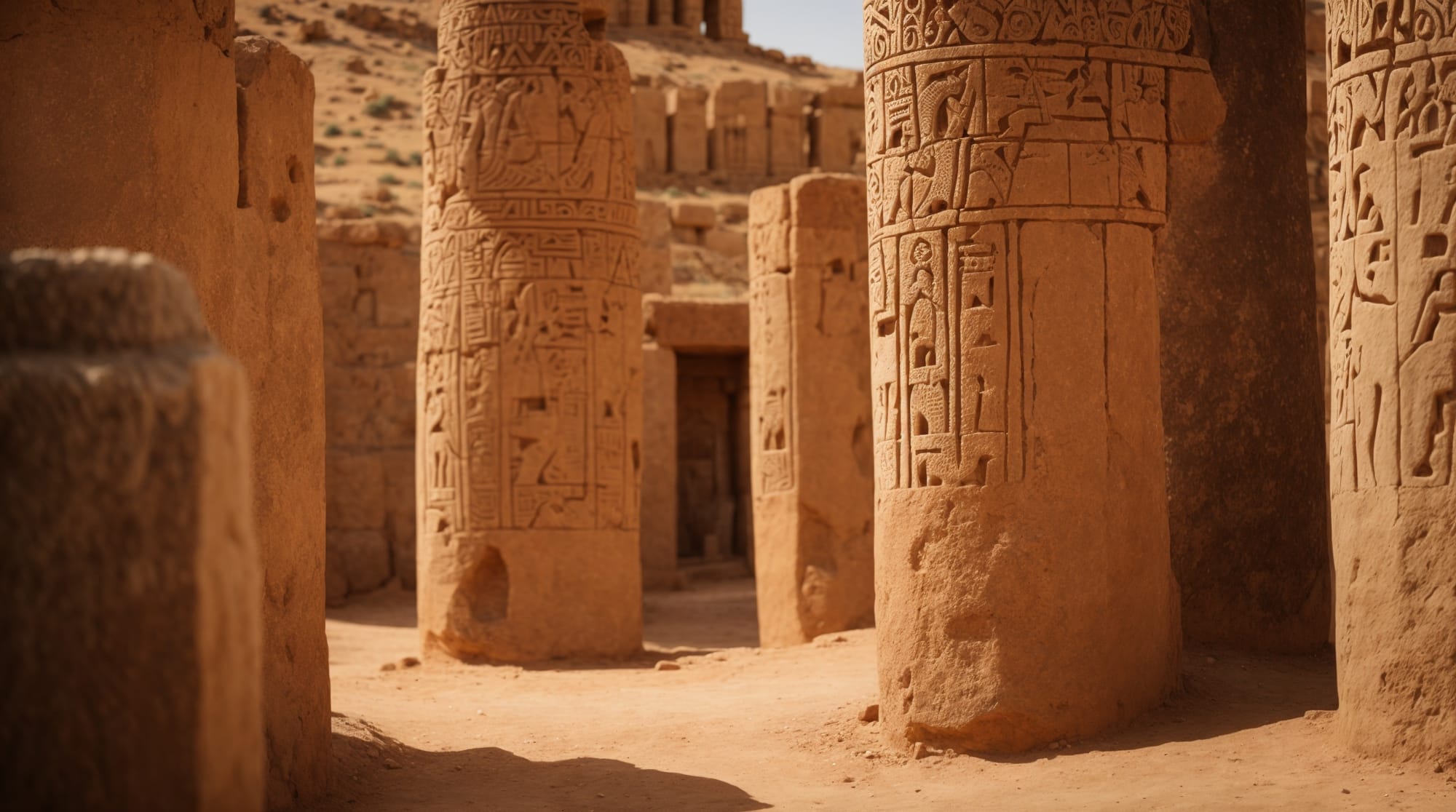
The legacy of Gobekli Tepe continues to offer valuable insights into the origins and developments of early societies. By reevaluating the significance of this site, researchers and historians not only broaden our understanding of prehistoric human life but also appreciate the complex web of factors that led to the birth of agriculture. Such knowledge fundamentally alters our perception of ancient human capabilities and their capacity for innovation and cultural complexity long before the advent of written records.