Gobekli Tepe and the Puzzle of Prehistoric Engineering
Unearthing Göbekli Tepe's Architectural Secrets
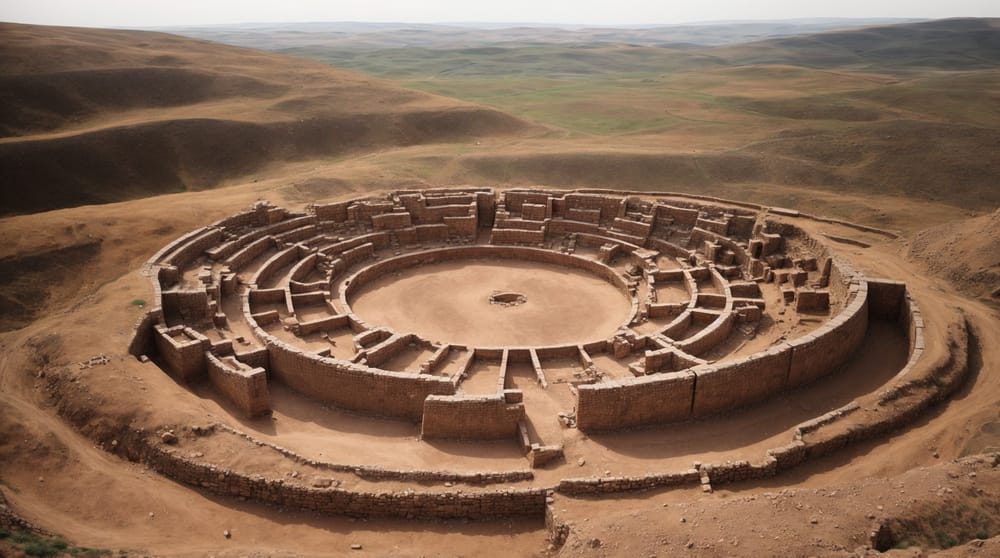
Göbekli Tepe in southeastern Turkey remains one of the most enigmatic archaeological sites in the world. Dating back to the 10th millennium BC, its megalithic structures predate Stonehenge by over 6,000 years. The site's complexity, sophisticated tool use, and organizational skills required for its construction challenge our traditional knowledge of pre-Neolithic human societies. Recent studies suggest that Göbekli Tepe's builders were not the sedentary farmers of later periods but rather hunter-gatherers. This revelation points to a previously underestimated level of sophistication and communal effort not typically associated with such early stages of human social development.
Technological Innovations at 12,000 Years Ago
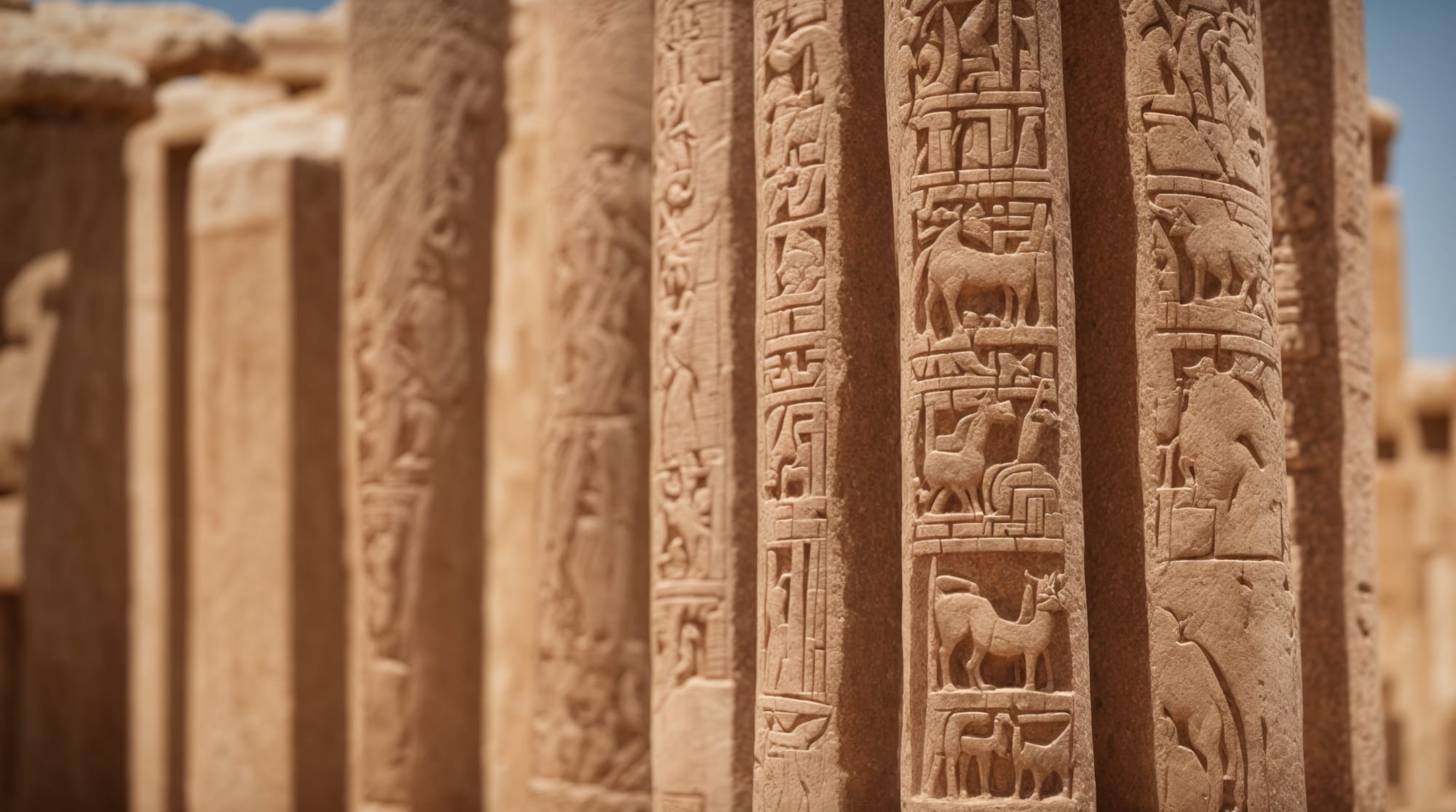
The technological prowess displayed at Göbekli Tepe is astonishing. The site features circles of towering T-shaped pillars, each intricately carved with reliefs of animals and abstract symbols. The carvings necessitated an advanced understanding of stonework and suggest the presence of a coordinated labor force with specialist skills. Such early evidence of skilled craftsmanship and artistic expression significantly alters our perception of the capabilities of early hunter-gatherer communities. This raises pertinent questions about the transmission of knowledge and the potential existence of a structured society much earlier than generally acknowledged in mainstream archaeology.
The Social Structure of Göbekli Tepe's Builders
The construction of Göbekli Tepe implies a degree of social organization that is incredibly advanced for its time. Archaeologists theorize that a large number of people needed to gather regularly to build and maintain the site, indicating a complex social structure. The organization required for such large-scale construction efforts suggests the existence of leadership roles and a division of labor, challenging the earlier views of egalitarian hunter-gatherer societies. The implications for social stratification and the management of communal projects are profound, offering a glimpse into the social dynamics of our earliest ancestors.
Göbekli Tepe's Influence on Later Civilizations
The significance of Göbekli Tepe extends beyond its immediate geographical and temporal context. It is probable that the site served as a model for later megalithic sites and early urban centers. Its existence suggests that the technological and social innovations developed at Göbekli Tepe likely spread to other areas, influencing emerging Neolithic societies across the Middle East. The site's emphasis on monumental architecture and communal gatherings could have laid the groundwork for the development of organized religion and political hierarchies observed in later historical periods.
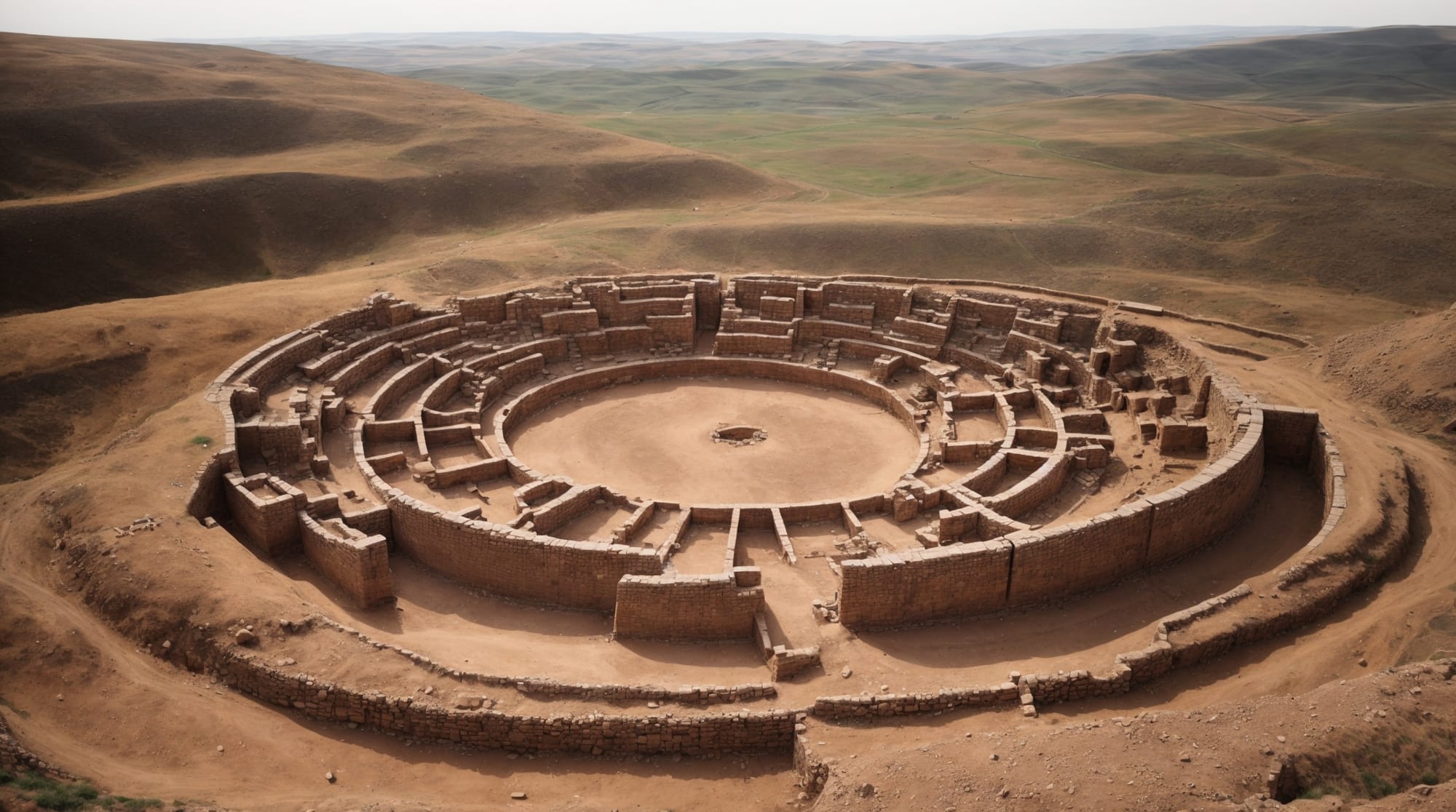
In conclusion, Göbekli Tepe not only redefines our understanding of the Neolithic Revolution but also challenges the linear progression theory of human development. The sophisticated engineering and social practices at Göbekli Tepe suggest that significant human achievements were made far earlier than previously thought, and that the roots of civilization are much deeper and more complex than the mere advent of agriculture. It compels us to reconsider the narratives of human history and acknowledge the profound capabilities of our ancient forebears.