Gobekli Tepe and the Shadows of Forgotten Civilizations
Unveiling the Historical Significance
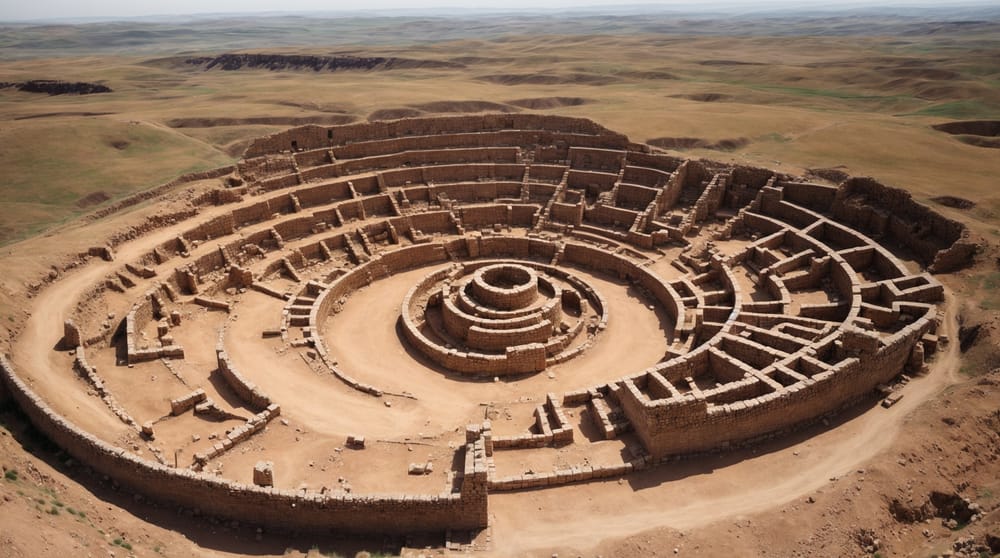
Gobekli Tepe, often hailed as the world’s earliest temple, remains one of the most enigmatic archaeological discoveries of the 21st century. Located in southeastern Turkey, this site predates stonehenge by a staggering 6,000 years. The monumental circular structures and intricately carved pillars suggest an advanced understanding of both craftsmanship and celestial alignments. What compels historians and archaeologists is not just the age of this site but the sophistication evident in its construction, which challenges previous assumptions about prehistoric societies' capabilities.
Architectural Innovations at the Dawn of Civilization
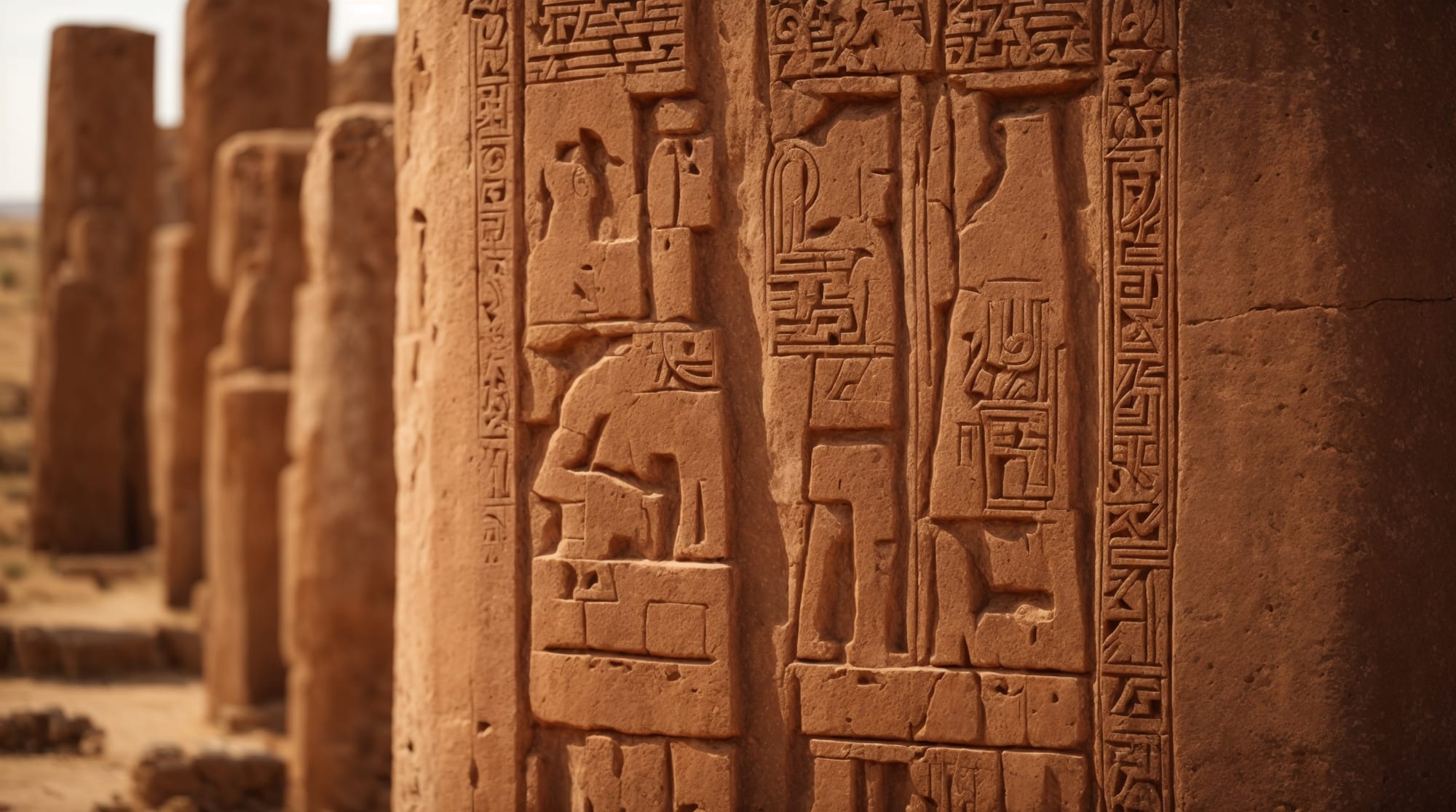
The architecture of Gobekli Tepe is nothing short of revolutionary for its time. The massive T-shaped pillars, carved from limestone, bear not only abstract symbols but also realistic depictions of wild animals, which indicate a symbolic or spiritual significance that extends beyond mere decoration. These pillars, weighing up to 10 tons, were transported from quarries at least 100 meters away, hinting at organized labor and advanced engineering techniques. This level of architectural sophistication suggests that Gobekli Tepe was a place of great importance, possibly used for rituals or social gatherings by early hunter-gatherer communities.

Exploring the Artistic Expressions of Prehistoric Times
The art found at Gobekli Tepe provides critical insights into the cultural and religious lives of its creators. The carvings include a diverse array of animals such as foxes, lions, scorpions, and birds, which are thought to hold spiritual significance. These artistic creations are not merely decorative; they convey stories or beliefs and represent a form of communication and tradition preservation in pre-literary societies. The presence of these carvings raises questions about the role of art in early human communities and its evolution as a tool for societal bonding and cultural expression.
The Mystery of Gobekli Tepe’s Abandonment
Despite its architectural and artistic marvels, Gobekli Tepe was abandoned around 8200 BCE, with many structures deliberately buried. The reasons behind this abandonment and the intentional burial remain a subject of debate among scholars. Some suggest this could have been a form of protection from invaders or environmental factors, while others believe it was a ritual act, perhaps to preserve the sanctity of the site. This act of burying the temple complex leaves a lingering question about the kind of threats or changes that prompted such a decisive end to its use.