Göbekli Tepe Redefines Humanity's Dawn with Its Ancient Mysteries
Unveiling Göbekli Tepe and Its Historical Significance
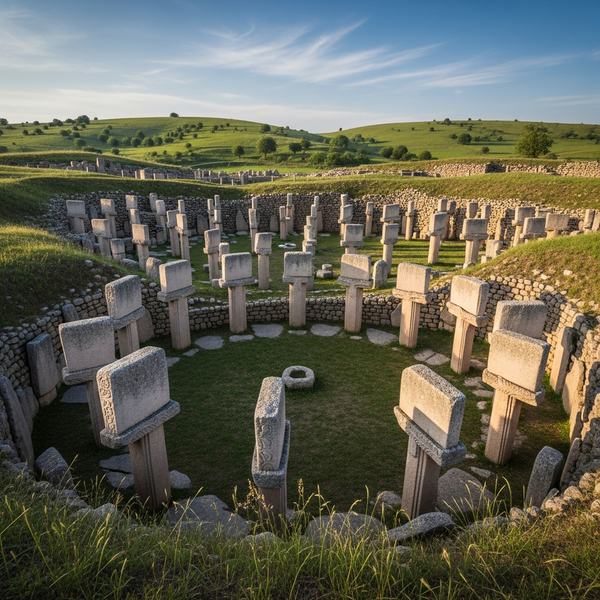
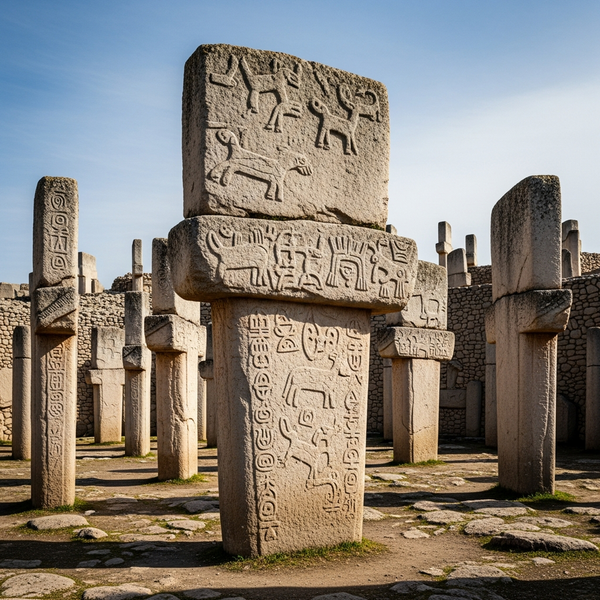
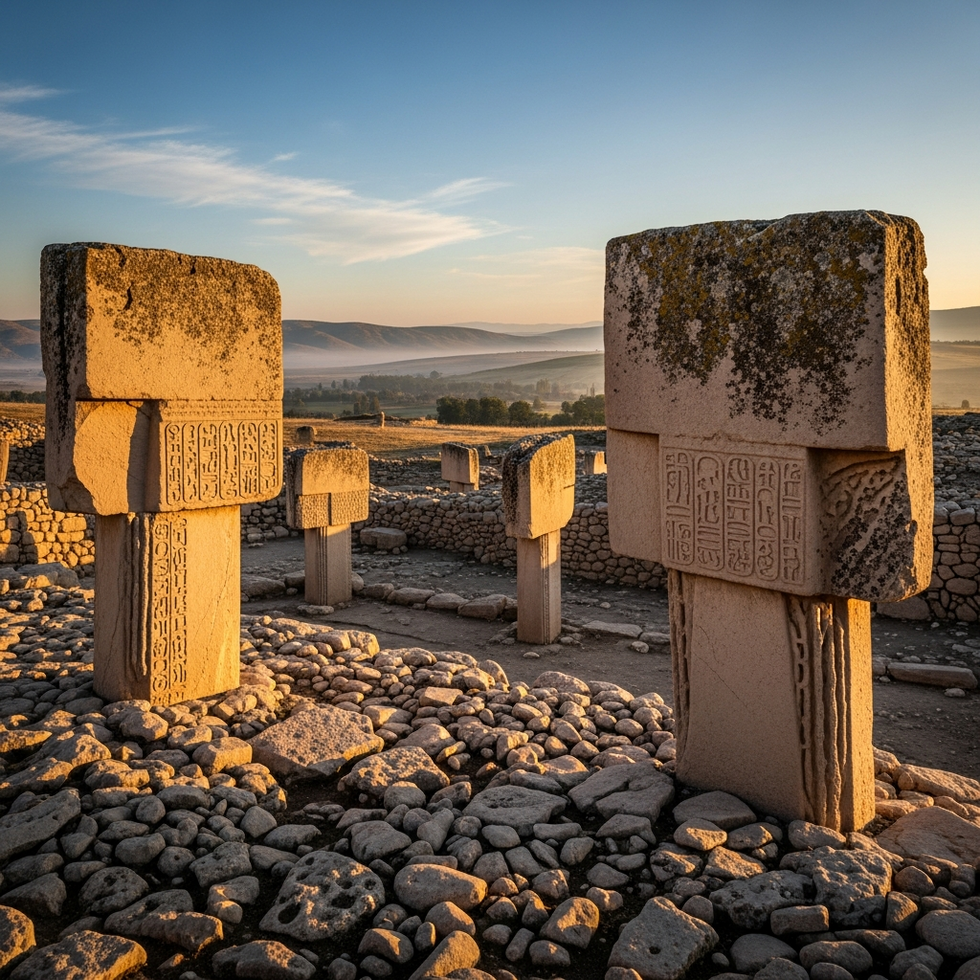
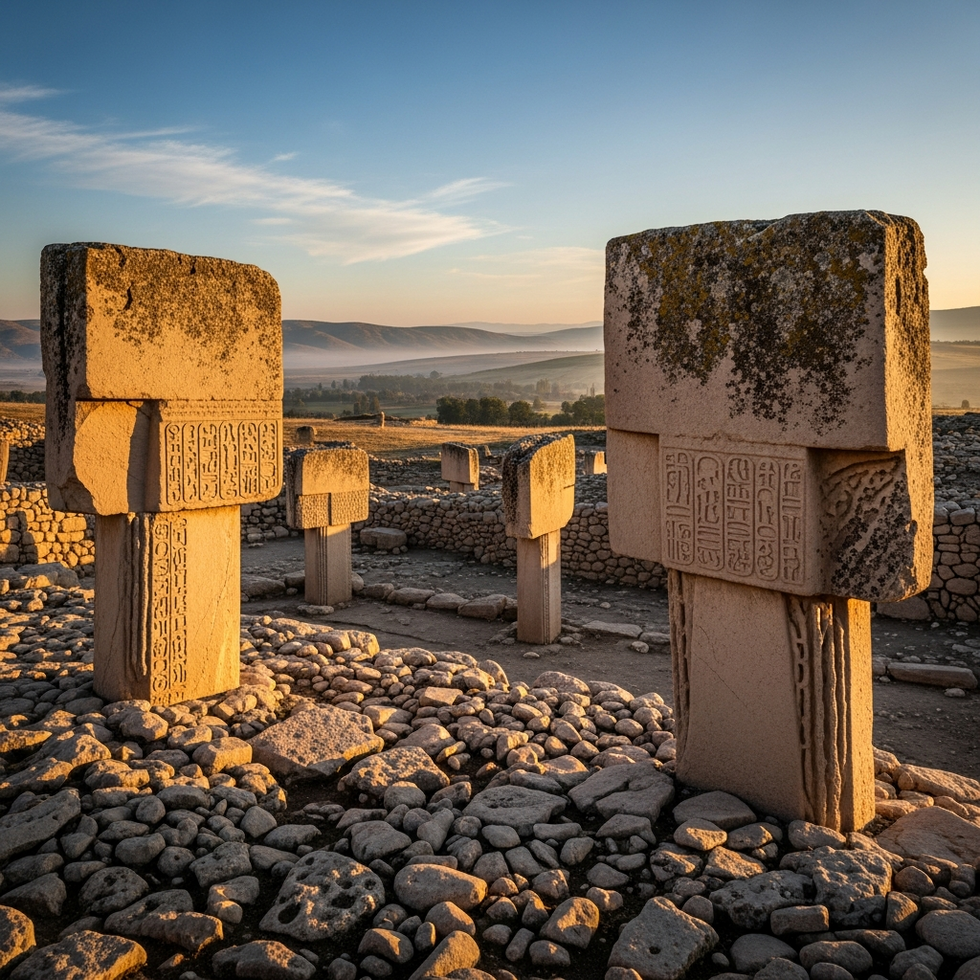
Picture life over 11,000 years ago, when people slowly began leaving wandering groups behind for villages. Right at the center of this shift stands Göbekli Tepe - a site digging up surprises about ancient life. In southern Turkey, buried in stone and dust, sits a collection of towering rock columns, set in rings, decorated with detailed animal images and puzzling patterns. These signs point to something deeper than survival: echoes of belief, maybe even worship, long before we thought it existed. What stands out here isn’t size or visibility, but how far back it goes - long before Stonehenge, even older stone setups showed up, shaking up old ideas about where religion and big communities began. People once thought those things took thousands of years to form, but now evidence pushes that timeline forward. With each dig and discovery, pieces come loose revealing how ancient minds organized, cooperated, evolved. This place, Göbekli Tepe, quietly sits at the pivot of what we know about humans so far.
Deciphering the Cultural and Spiritual Implications of the Site
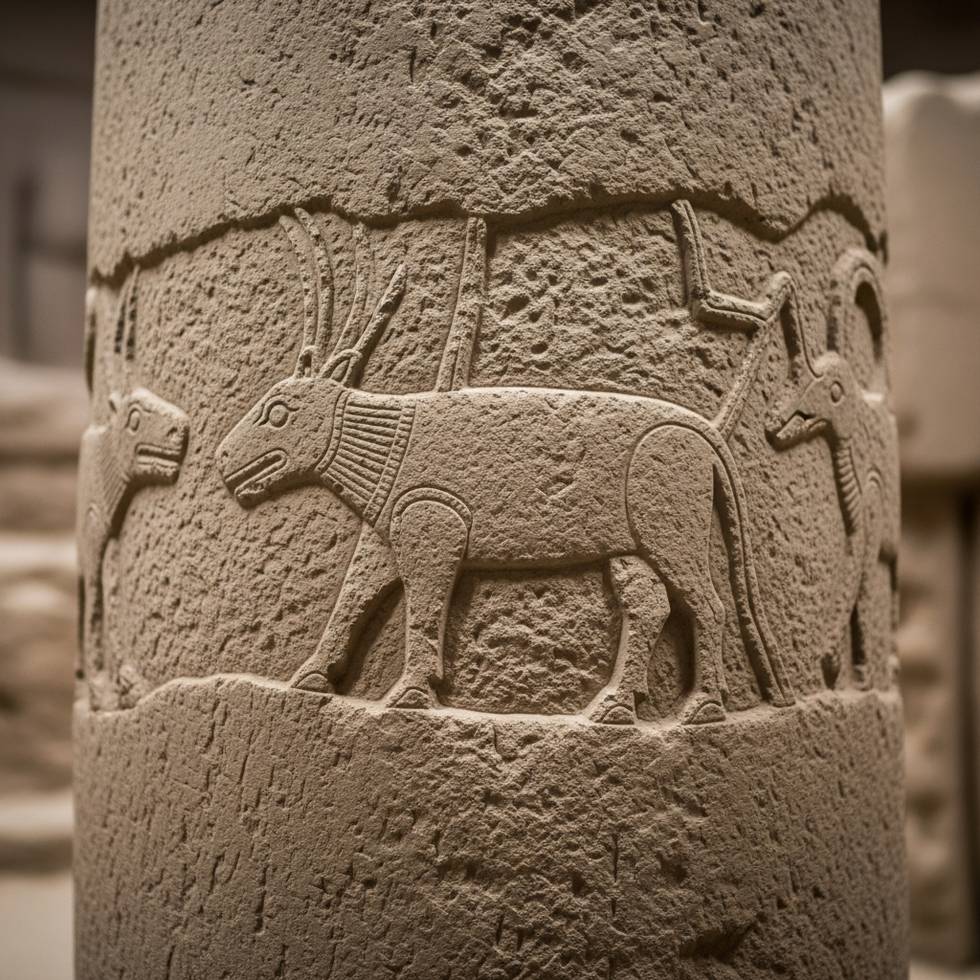
Out there among the rock art pieces, lions, snakes, and boars stand clear - signs of advanced mental symbolism say researchers. Alongside carefully placed stone columns, people might have gathered not just for shelter but for shared rites, maybe common rituals. Carved signs tied to life growth, what comes next, or ideas about the universe hint at spiritual awareness way ahead of later faith systems. Finding these places changed how scientists think about where consciousness and belief might have started. Because ancient groups spent so much time building complex shrines, it suggests religion shaped how they lived together. Their trust in one another grew around rituals, not just survival. What happens underground can reveal much about what it means to exist as a person. How our earliest kin made sense of life stays hidden, yet close to the surface.
The Challenges and Future of Göbekli Tepe Excavations
Fresh digs at Göbekli Tepe bring together experts like archaeologists, geologists, and anthropologists. Every year reveals deeper details on how it was made, why it stands, and by whom. Still, digging so deep into history comes with tough hurdles - keeping things stable matters, weather and time can wear them down. Even with obstacles, progress in tools such as ground-penetrating radar and 3D scans has made site discoveries far more precise and extensive. Because of this, researchers can study the location carefully without destroying parts of it - opening doors to richer insights and broader efforts at preservation. As attention from around the world deepens, so does the drive toward fresh investigations, possibly altering how early human communities are viewed entirely. Still, being on the UNESCO list means safety plus public use go hand in hand at this place. What comes next through digging and discovery could reveal pieces of ancient life few have seen before. Though hidden underground now, clues about early gatherings and beliefs could rise to light later on.