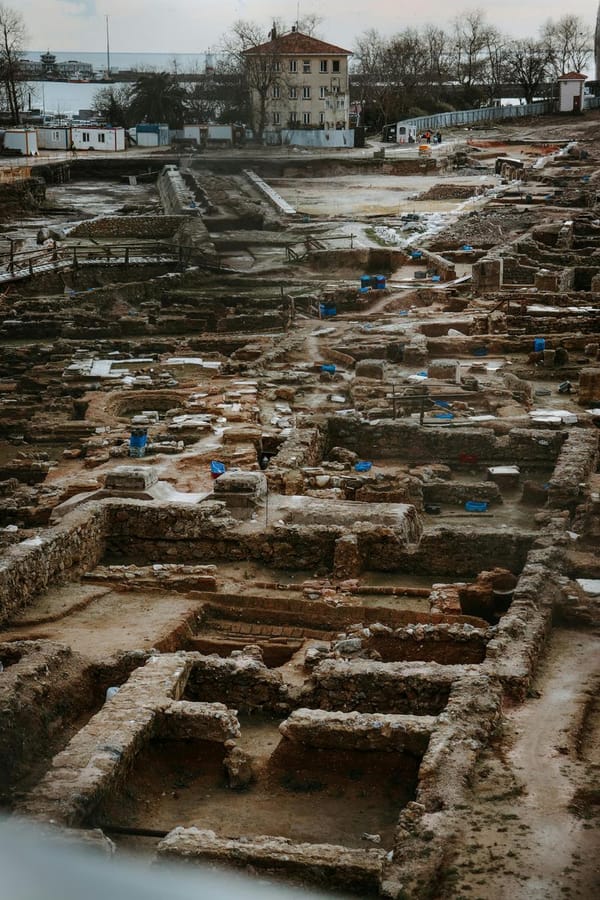
Gobekli Tepe: Unraveling the Stones of Secret History
An Introduction to Gobekli Tepe
Located in southeastern Turkey, Gobekli Tepe is a fascinating archaeological site believed to be the world's oldest temple. This site, which predates Stonehenge by over 6,000 years, provides unprecedented insights into the early Neolithic civilization. As researchers continue to explore its grounds, they reveal more about the people who built these monumental structures without metal tools or pottery and the spiritual beliefs that guided them.
Architectural Wonders of the Neolithic World
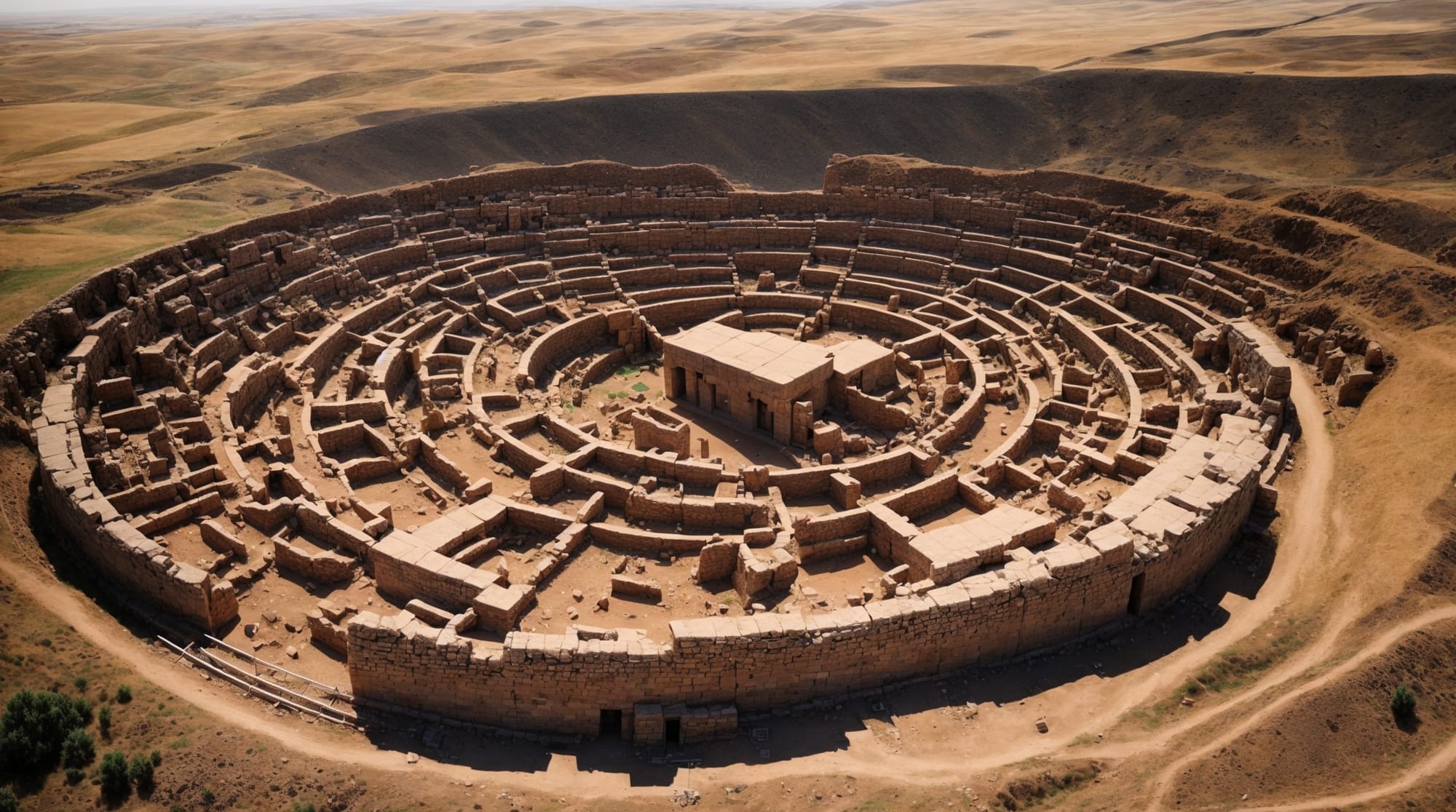
The architecture of Gobekli Tepe is extraordinary, featuring large stone pillars intricately carved with reliefs of animals and abstract symbols. These pillars, some of which weigh over 10 tons, are thought to have been used in ceremonies or social gatherings rather than for residential purposes. The precision and technique used in carving and erecting these stones suggest a highly organized group of Neolithic people with advanced skills in stoneworking.
Deciphering the Symbolic Imagery
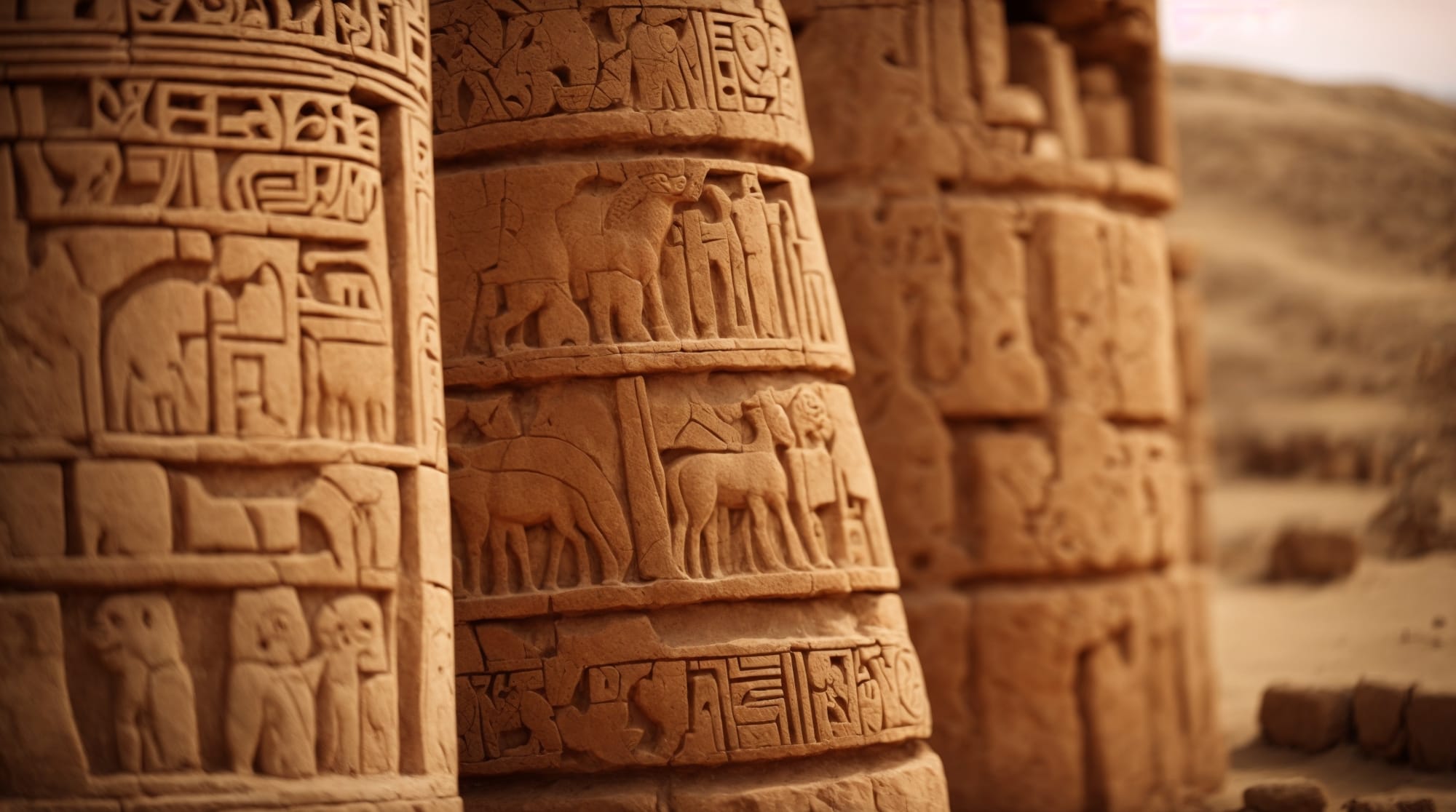
One of the most intriguing aspects of Gobekli Tepe is its plethora of carved symbols and figures. These include depictions of various animals such as boars, foxes, and snakes, along with abstract symbols that have yet to be fully understood. Some researchers suggest these carvings have a celestial significance, possibly representing stars or other astronomical bodies. The interpretation of these symbols provides insights into the cosmological views and spiritual life of the early Neolithic society.
Implications for Our Understanding of Early Societies
Gobekli Tepe not only revolutionizes our understanding of Neolithic architecture but also challenges the conventional timeline of human history. The sophistication and scale of the site suggest that religious and social complexities may have developed earlier than previously thought. Additionally, the communal effort required to construct such monumental structures implies a form of societal organization that predates the development of settled agriculture, offering a new perspective on the evolution of human societies.