Göbekli Tepe Unveiled: Rewriting Humanity’s Hidden Origins
Göbekli Tepe's Remarkable Discovery and Its Historic Significance
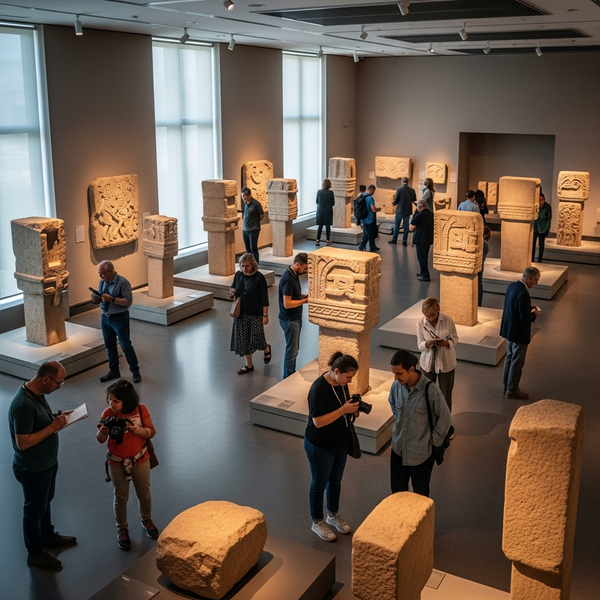
The archaeological site of Göbekli Tepe, located in southeastern Turkey, stands as one of the most astonishing human-made structures ever uncovered. Discovered in the 1990s by Klaus Schmidt, Göbekli Tepe has revolutionized our understanding of prehistoric civilizations by offering tangible evidence of complex religious and social behaviors dating back approximately 11,000 years. This monumental site predates Stonehenge and the Egyptian pyramids, challenging the long-held notion that organized religion and monumental architecture emerged only after the rise of agricultural societies. The intricacy and scale of its megalithic pillars, decorated with carved reliefs depicting animals and abstract symbols, suggest a sophisticated belief system deeply rooted in spiritual or animist practices. The significance of Göbekli Tepe lies not only in its age but also in what it reveals about early human cognitive development, social organization, and the potential for spiritual expression in hunter-gatherer communities. As excavations continue, researchers are uncovering more about how this site functioned as a ceremonial hub, shedding light on the spiritual life of early humans much earlier than previously understood.

Deciphering the Symbols and the Beliefs embedded within Göbekli Tepe
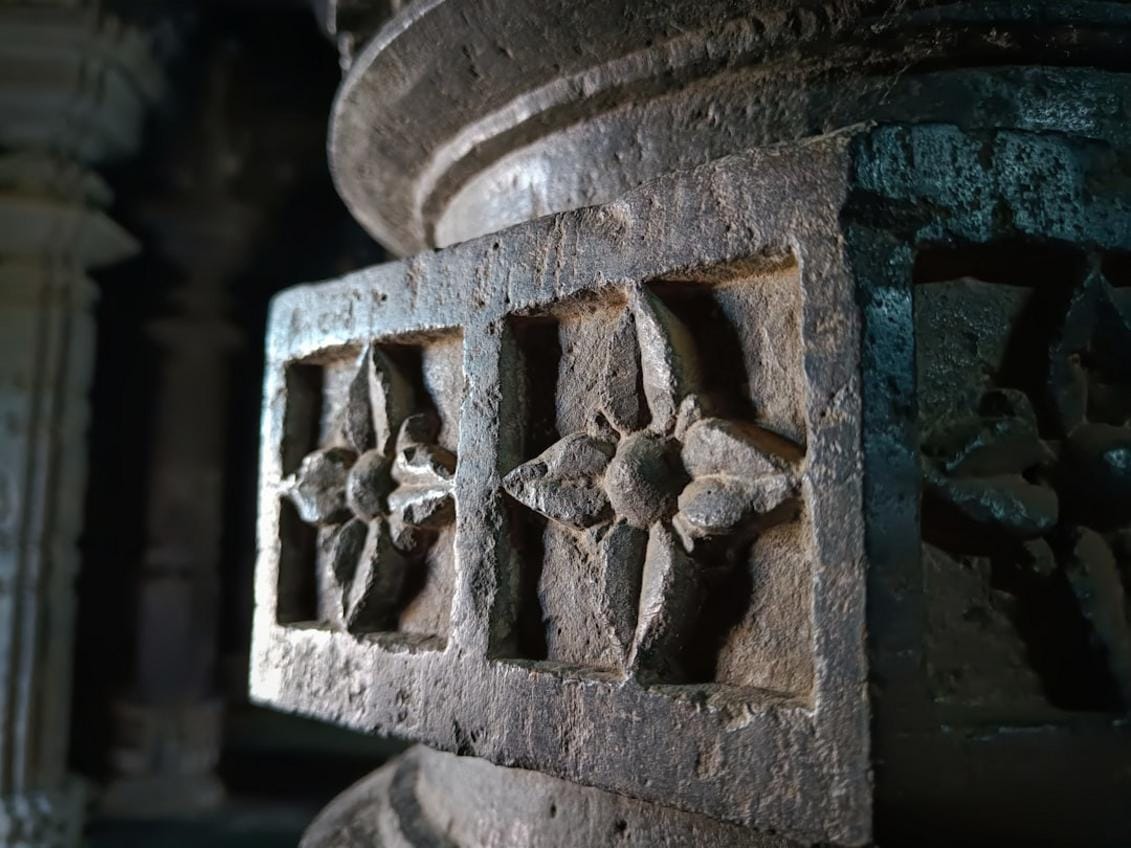
One of the most intriguing aspects of Göbekli Tepe is its richly carved stone pillars adorned with intricate symbols, animals, and abstract motifs whose meanings remain largely mysterious. These carvings have sparked numerous theories regarding their symbolic language, spiritual significance, or mythological stories. Some researchers suggest that these symbols could represent a form of early religious iconography, depicting animals like snakes, lions, and scorpions, possibly linked to mythic narratives or hunting rituals. Others interpret the carvings as astronomical markers or cosmological representations, aligning with celestial events or seasonal cycles important to prehistoric society. The presence of stylized fauna and geometric shapes hints at a complex belief system centered around animism, shamanism, or ancestor worship. Significantly, these symbols challenge us to reevaluate the cognitive and cultural capabilities of early humans, emphasizing their capacity for symbolic thought, ritualistic practices, and societal cohesion long before the advent of writing or urban development. As ongoing research digs deeper into these enigmatic carvings, the hope is to bring to light more about prehistoric spirituality and worldview.
The Implications of Göbekli Tepe on Our Understanding of Early Human Societies
Göbekli Tepe fundamentally alters the traditional narrative of human history, particularly the misconception that complex social or religious structures only emerged with the rise of settled agricultural communities. Its existence indicates that early hunter-gatherer groups possessed advanced architectural skills, organizational capacity, and spiritual awareness much earlier than expected. This challenges previous ideas that civilization's dawn was a slow progression from simple nomadic groups to complex societies. Instead, Göbekli Tepe suggests that the motivation for constructing large-scale ceremonial sites may have been a catalyst for societal cohesion and development, ultimately leading to agriculture and settled life. These insights open doors to new hypotheses about early human behavior, social hierarchies, and cultural evolution. It hints at a profound spiritual or communal purpose that unified groups and promoted cooperation, laying the groundwork for the emergence of more complex civilizations. The discovery underscores the importance of archaeological evidence in rewriting our historical perspectives and deepening our understanding of human potential.