Gobekli Tepe's Enigmatic Enclosures and Their Symbolic Significance
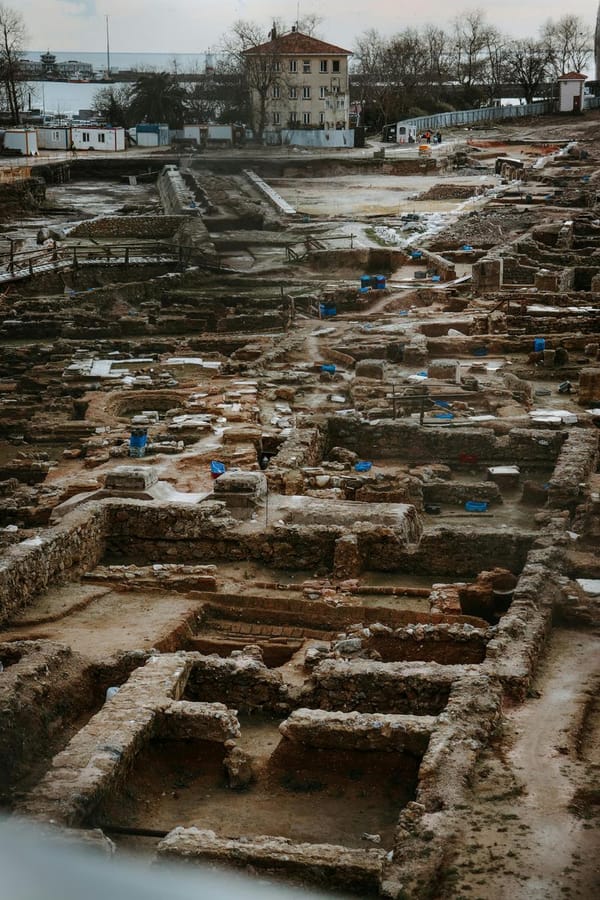
Standing on the southeastern terrain of modern-day Turkey, Gobekli Tepe presents one of the most beguiling mysteries of prehistoric archaeology. Discovered in 1994 by Klaus Schmidt, the site has puzzled historians and archaeologists alike with its massive stone pillars arranged in circular enclosures. Dated back to around 9600 BC, these structures preempt both Stonehenge and the Egyptian pyramids, making Gobekli Tepe the world's first known temple. This piece explores the enclosures' intricate carvings and their potential meanings, shedding light on the spiritual and social life of their creators.
Architectural Marvels of the Neolithic World
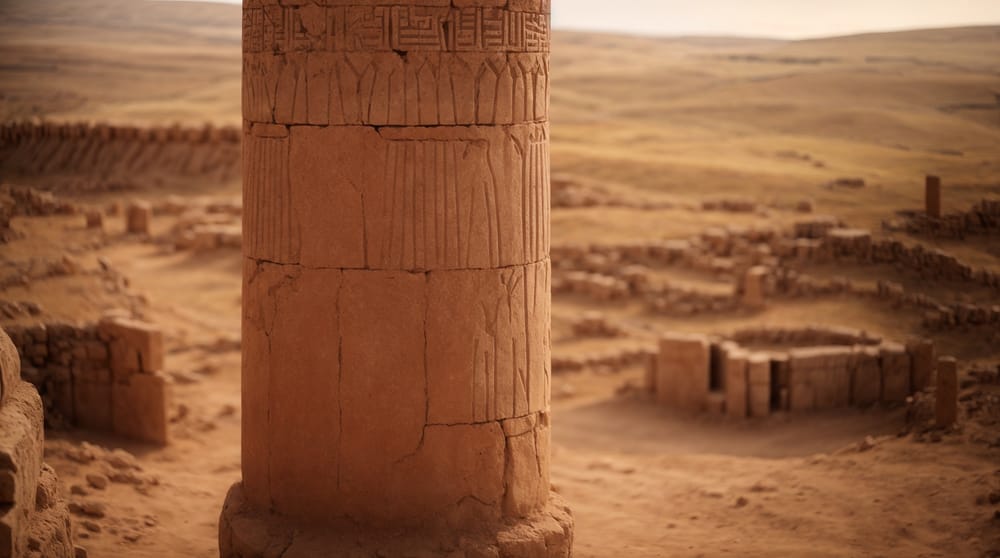
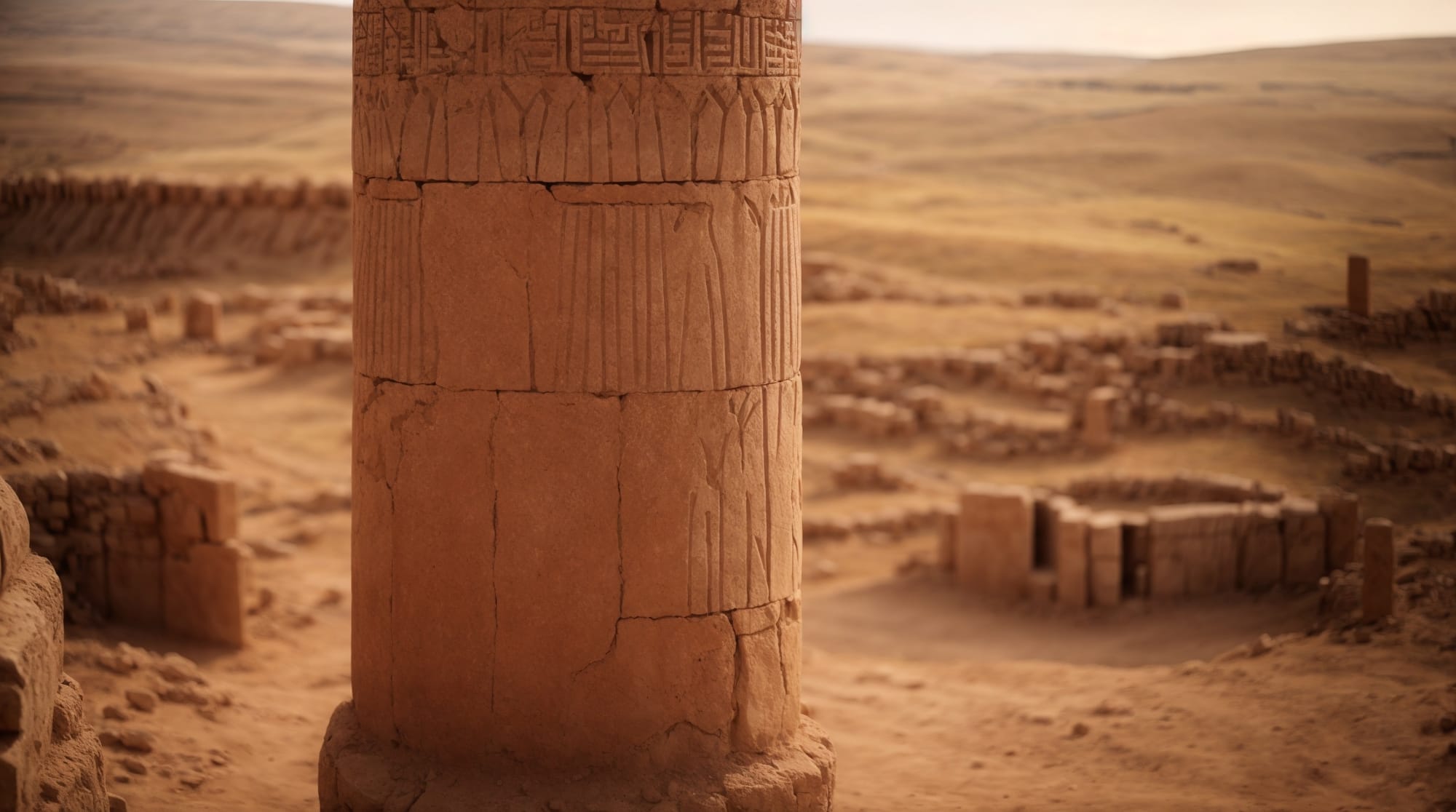
The circular stone enclosures of Gobekli Tepe are characterized by T-shaped pillars, some of which tower above five meters in height and weigh up to ten tons. These pillars bear reliefs of wild animals, enigmatic symbols, and abstract human forms. Initially, these images may have served a totemic purpose, signifying the clans or tribes that participated in their construction. Recent theories speculate that the site functioned as a ritual center where groups gathered for ceremonies, possibly related to astronomical observations or fertility rites.
Symbolism and Its Social Implications
The symbols and depictions seen on these ancient pillars may represent more than just artistic expression. They might be keys to understanding the cosmology and spiritual life of early Neolithic societies. For instance, the frequent depiction of vultures and snakes suggests a possible cult of the dead, where death plays a transformative role akin to shamanistic practices seen in other ancient cultures. Understanding these symbols could provide insight into the transition from foraging lifestyles to more settled, communal life, as well as the role of rituals and religious activity in fortifying community bonds.
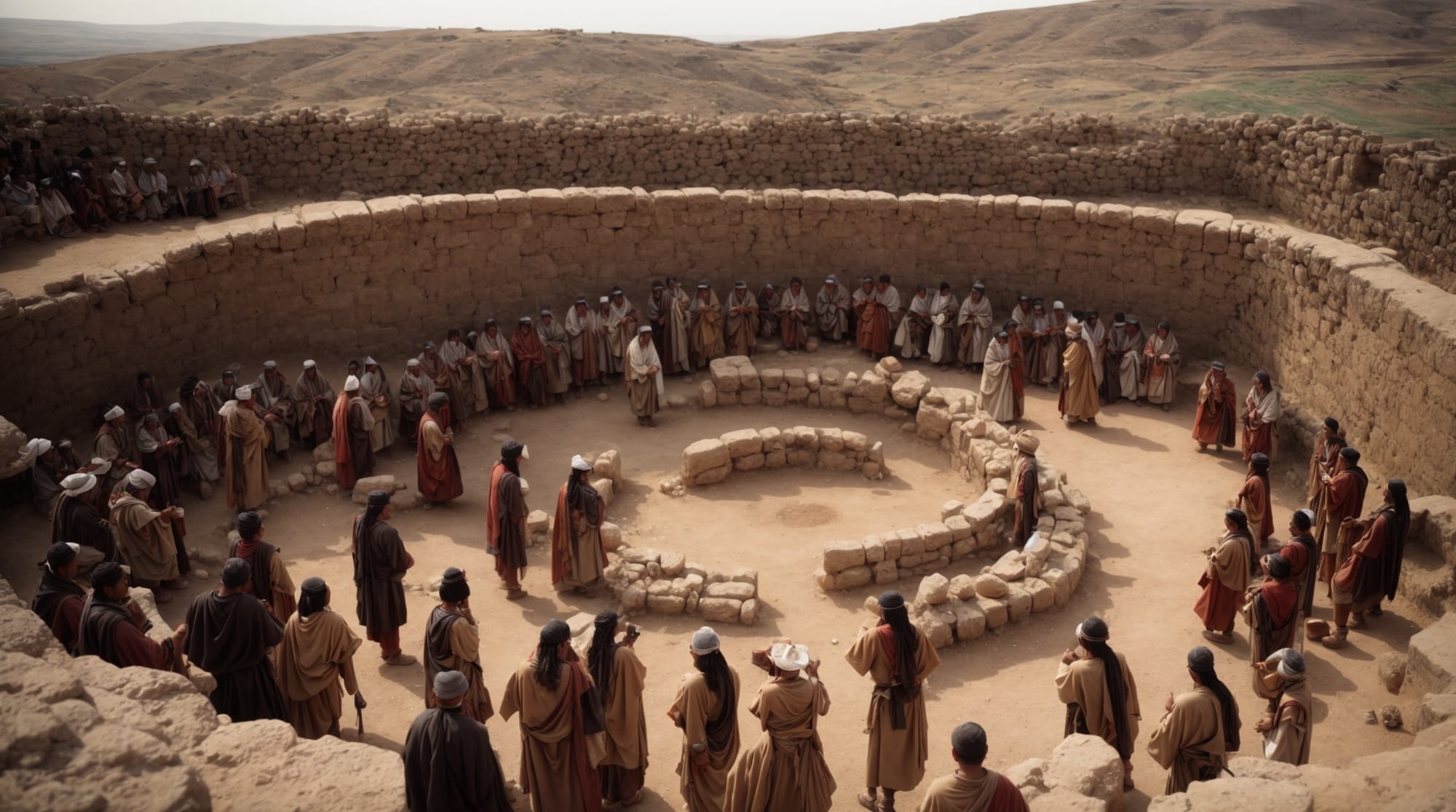
Adding the complexity, the layout of Gobekli Tepe's enclosures suggests a sophisticated understanding of geometry and geography, significantly ahead of its time. The organization of the pillars and the orientation of the enclosures align with stellar events, such as solstices and equinoxes, indicating that early builders might have employed astronomical knowledge in the site's layout. Such practices hint at an advanced social structure capable of mobilizing large groups for construction and using this monumental space to pass down knowledge and unite communities.
The Lasting Legacy of Gobekli Tepe
Though many questions remain unanswered, Gobekli Tepe undeniably adds a significant chapter to the story of human civilization. By challenging the conventional understanding of social and religious development, it raises profound questions about the origins of religious structures and the nature of prehistoric communities. As excavations continue and research advances, Gobekli Tepe is set to offer more insights into the Neolithic era, laying bare the ingenuity and spirit of our ancient ancestors.