Gobekli Tepe's Pioneering Influence on Civilization
Deciphering Gobekli Tepe's Architectural Complexities
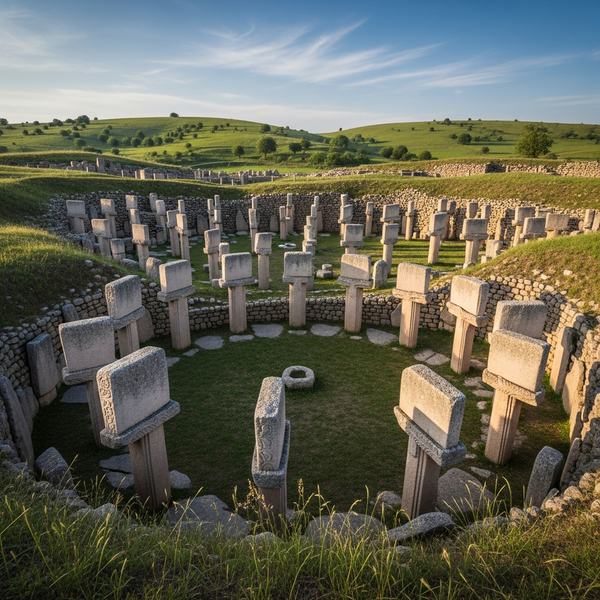
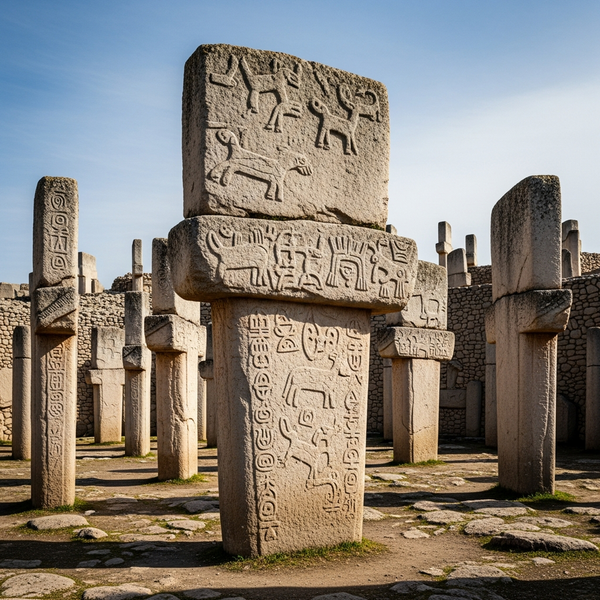
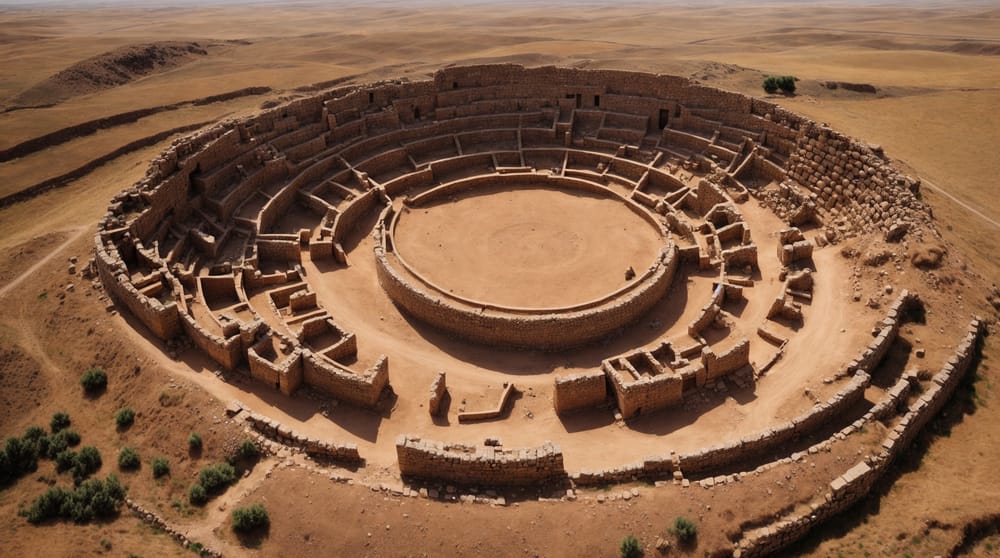
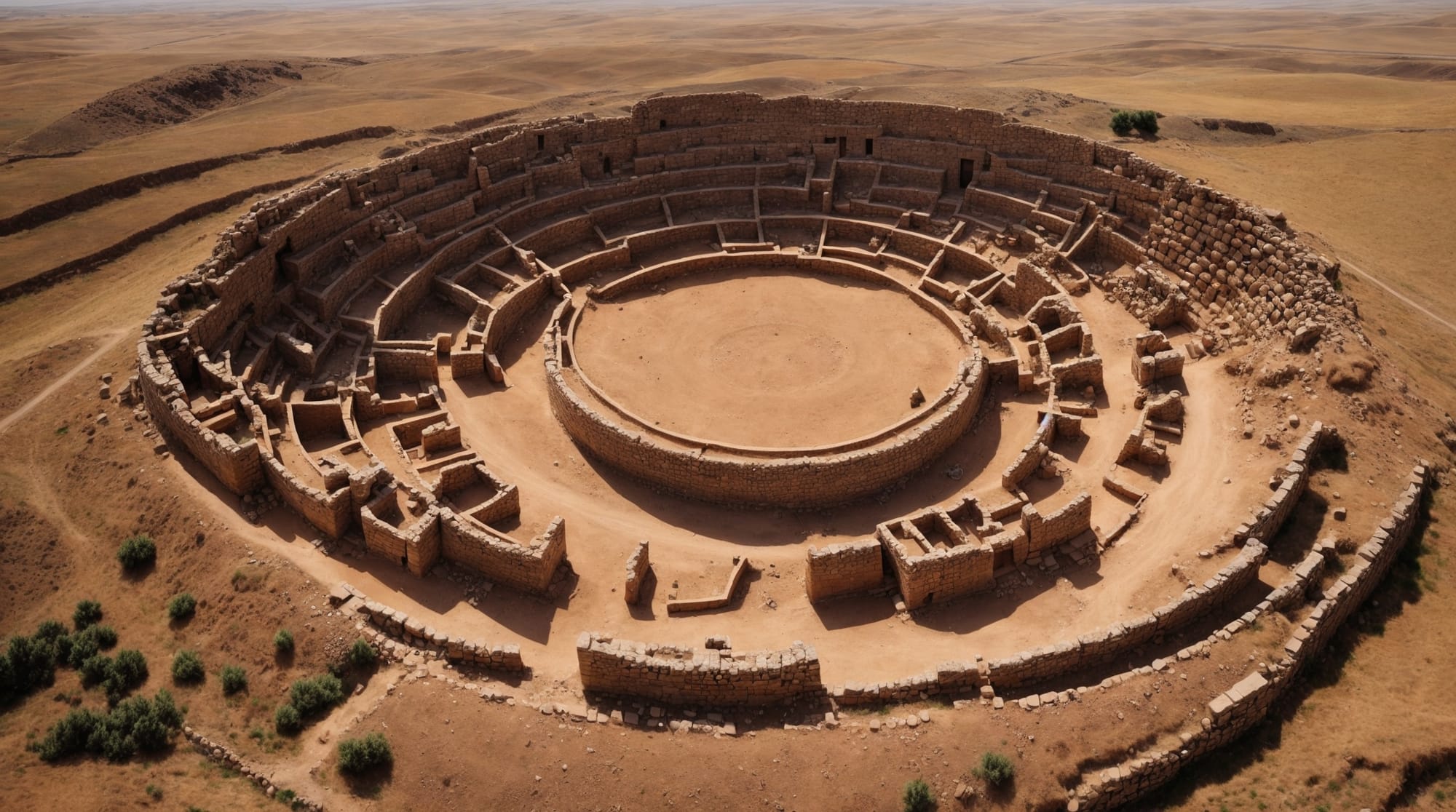
Gobekli Tepe stands as a testament to the innovative spirit of early humans, who over 12,000 years ago, created an architectural marvel that predates Stonehenge by millennia. This site, located in the southeastern Anatolia region of modern-day Turkey, not only challenges our understanding of Neolithic engineering but also provides insights into the social and spiritual lives of its builders. The circular arrangements of massive T-shaped stone pillars, intricately carved with wild animals and abstract symbols, suggest a complexity of religious and social structures far advanced for their time.
The Social Implications of Gobekli Tepe's Gatherings
The design and scale of Gobekli Tepe imply a level of social organization that was previously unattributed to societies of that era. The monumental structures likely served as a central location for gatherings, rituals, or social reckoning, indicating a sophisticated approach to community and spirituality. This raises important questions about the governance and societal norms of the hunter-gatherer groups during the early Neolithic period, potentially redefining our understanding of social evolution.
Unveiling the Cultural and Religious Significance
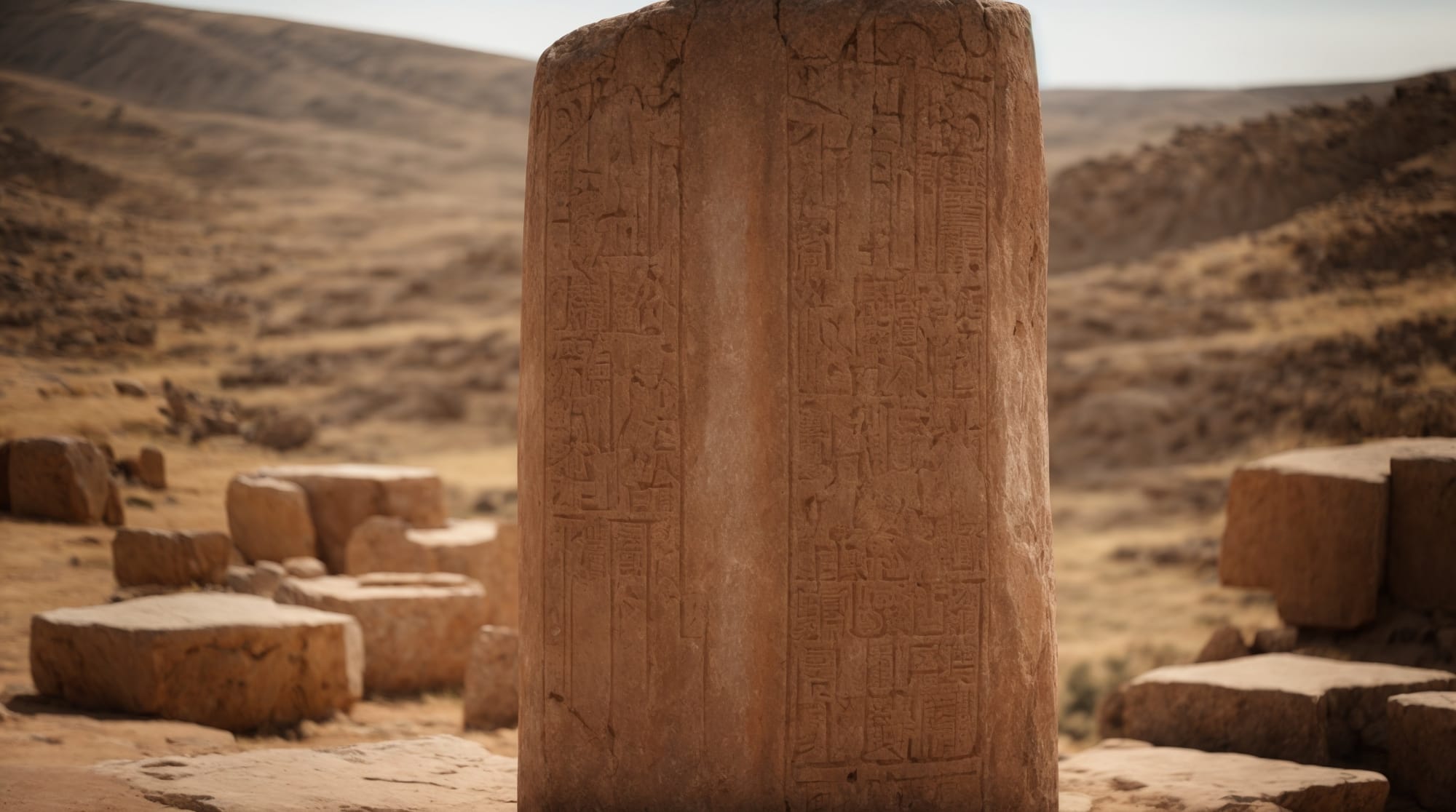
The engraved depictions of animals and abstract motifs on Gobekli Tepe's pillars are not merely decorative but are thought to hold deeper religious and cosmological meanings. These carvings may represent constellations, mythological creatures, or spiritual beliefs, serving as a form of communication and cultural continuity among the early settlers. Understanding these symbols provides unparalleled insight into the mindset and worldview of people from an era that remains largely mystical.
Examining the Technological Ingenuity
The construction techniques used at Gobekli Tepe were revolutionary. The ability to quarry, shape, and transport massive stone pillars weighing several tonnes speaks volumes about the technological prowess of the builders. This ingenuity not only highlights a significant advancement in tool-making and structural engineering but also poses intriguing questions about the knowledge transfer and technological diffusion across regions during the prehistoric period.