Göbeklitepe and the Dawn of Human Civilization Reimagined
Unveiling Göbeklitepe and Its Significance in Human History
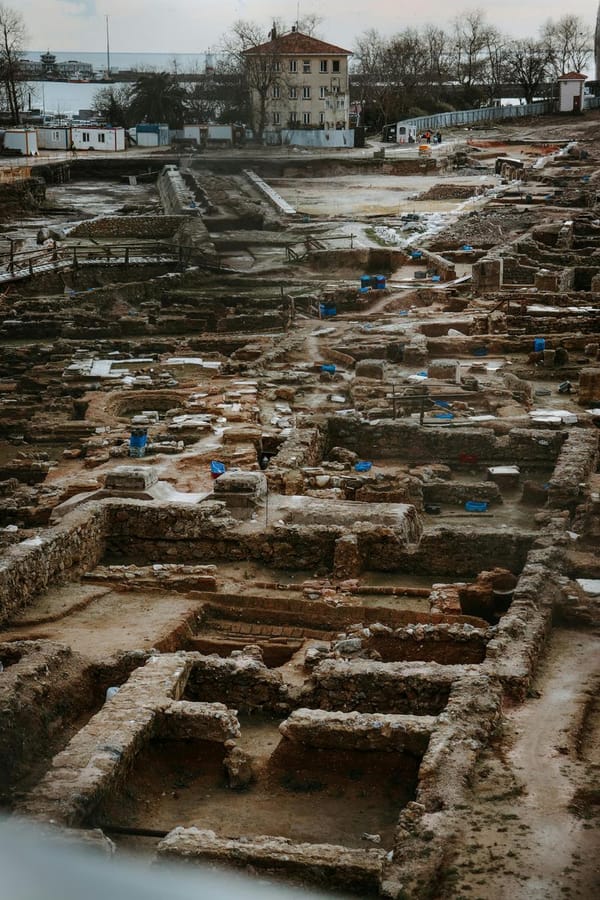
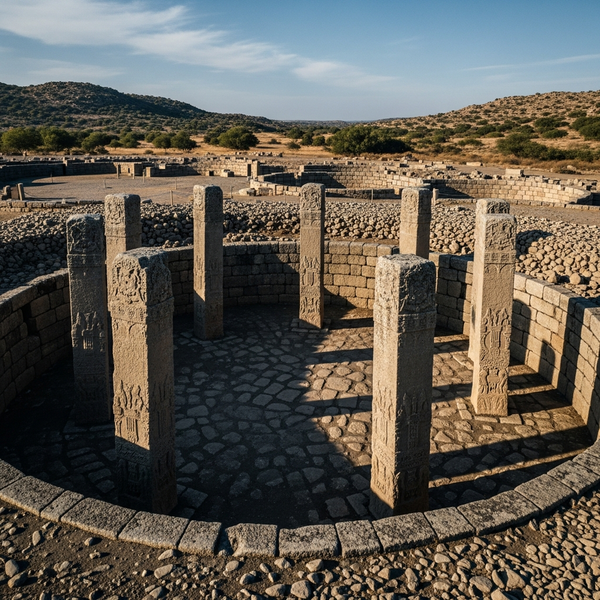
Imagine standing in a place that predates most known civilizations by over 7,000 years. Göbeklitepe, located in southeastern Turkey, challenges our conventional understanding of human development and societal complexity. Discovered in the 1960s but only excavated extensively starting in the early 2000s, this megalithic site with its towering T-shaped stone pillars has become a symbol of mankind’s early spiritual and social ambitions. The site’s construction dates back roughly 12,000 years, placing it firmly at the end of the last Ice Age. Researchers believe it was not a typical settlement but rather a religious or ceremonial center that played a pivotal role in shaping early human beliefs and communal identity. The intricate carvings on these stones—depicting animals including snakes, lions, and birds—highlight the symbolic and ritual significance attributed to the site, marking it as one of the earliest examples of complex human religious expression.

The Architectural Marvels and Their Connection to Early Human Beliefs
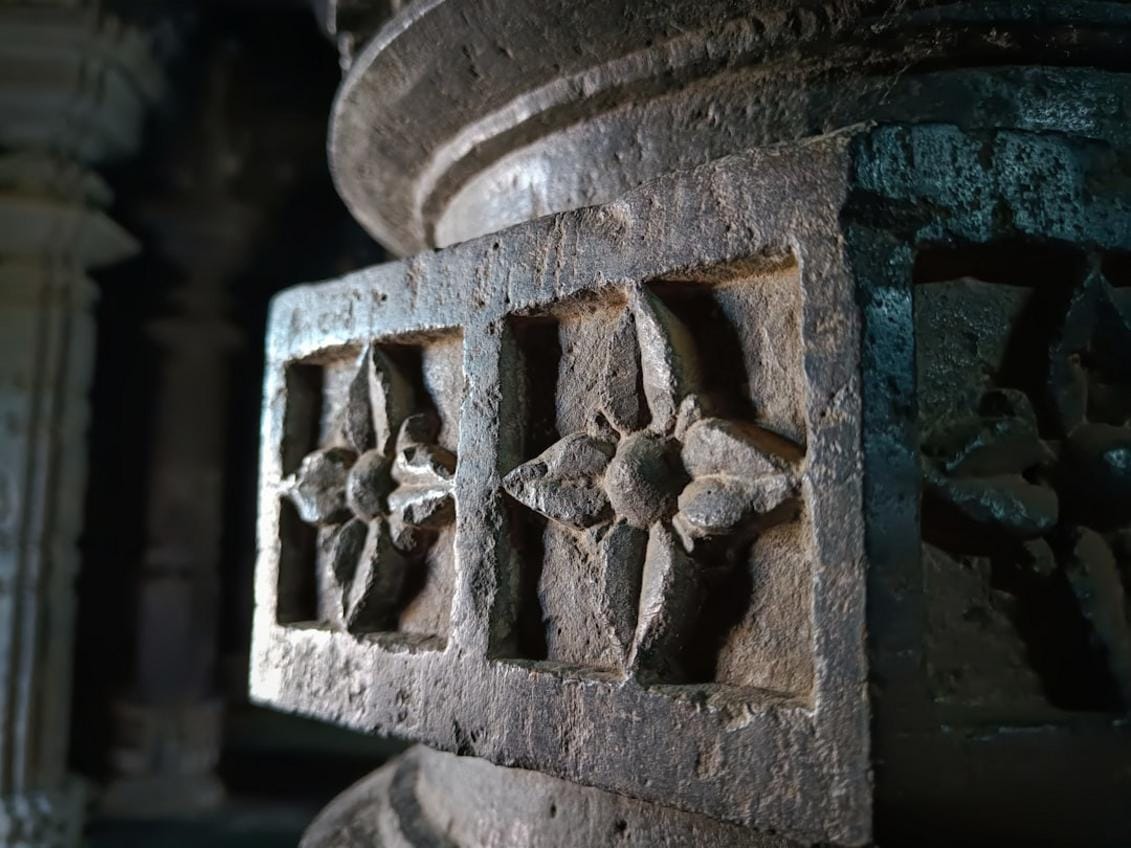
The excavations at Göbeklitepe have revealed a complex architectural design that defies traditional notions of prehistoric construction. Unlike later megalithic sites such as Stonehenge, Göbeklitepe's builders appear to have prioritized religious symbolism over practical settlement needs. The massive T-shaped stone pillars are arranged in circular enclosures, some reaching up to 5.5 meters in height and weighing several tons. These stones are not only structural but also engraved with a rich array of motifs that seem to depict animals, abstract symbols, and possibly mythological beings, hinting at the deep spiritual and cosmological understanding of its creators. The fact that these structures were deliberately buried around 8,000 BC raises intriguing questions about their purpose—was it a ritual closure or a symbolic rebirth? The precision and scale of this construction suggest an organized society capable of advanced planning, challenging assumptions about the simplicity of early human groups and hinting at an evolving cultural complexity.
Early Human Life and the Origins of Religious Practices
The significance of Göbeklitepe extends beyond its impressive architecture; it offers a glimpse into the spiritual lives of our earliest ancestors. The site predates the advent of agriculture, meaning its builders were still primarily hunter-gatherers, yet they undertook monumental efforts to construct a ceremonial hub that transcended mere survival. The deliberate focus on religious and symbolic motifs indicates that humans had developed complex belief systems long before settled farming communities. This notion radically shifts the traditional timeline of religious evolution, suggesting that the necessity to understand the cosmos, seek divine intervention, or establish social cohesion through shared beliefs might have been a primary driver of early architectural endeavors. The discovery of carved animals associated with hunting and mythological symbolism points to the deep-rooted connection between humans and nature—an enduring element in spiritual practices across cultures—even in their earliest forms. These insights help us appreciate that spirituality and communal rituals played a fundamental role in shaping social cohesion and the advancement of human societies.
Göbeklitepe's Role in Rewriting Human History and Its Cultural Legacy
The groundbreaking discoveries at Göbeklitepe have compelled archaeologists and historians to reconsider the linear progression of civilization. Traditionally, the rise of agriculture, the formation of villages, and the development of writing and art have been viewed as sequential milestones. However, Göbeklitepe’s existence demonstrates that complex social and spiritual constructs might have emerged even earlier, independent of settled farming. Its importance lies not just in its antiquity but in how it predates and possibly influenced subsequent developments. The site has inspired countless studies into early human migration, social organization, and the origins of religion, providing a cultural bridge between the hunter-gatherer societies of tens of thousands of years ago and the rise of early civilization in the Neolithic. Its role as a spiritual center also hints at connections across Eurasia, further emphasizing that early human groups were more interconnected and culturally sophisticated than previously assumed. As more excavations unfold, Göbeklitepe is likely to continue rewriting our understanding of human history, pushing back the origins of complex societies by millennia.