Göbeklitepe artifacts make historic debut in Berlin illuminating early human civilization
Unveiling the Secrets of Humanity's Unearthing at Berlin's Göbeklitepe Exhibition
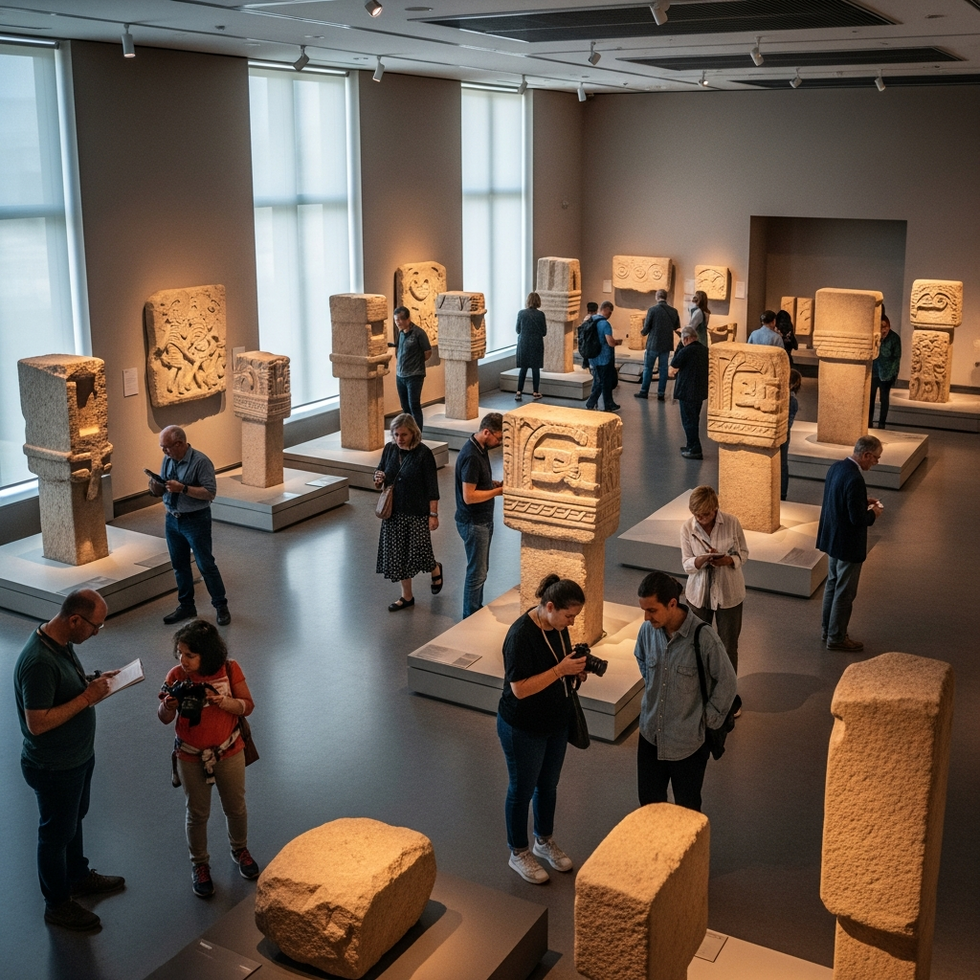
Picture entering a world older than written records - thousands of years before now - with giant rock buildings and strange symbols hiding clues about early people. Right now in Berlin, a show called “Building Community: Göbeklitepe, Taş Tepeler and Life 12,000 Years Ago” lets guests walk through history’s oldest settled place like never before. Inside, ninety-three carefully chosen objects tell stories from Göbeklitepe - pieces rarely seen beyond Türkiye’s borders, appearing here for the very first run. What stands out is how the show lays bare Göbeklitepe’s importance in archaeology, while also shifting focus to what it tells us about ancient groups, belief systems, and daily existence near the end of the Paleolithic era. Behind it all sits a joint effort - the Museum of the Ancient Near East teaming up with colleagues from Museum Island, alongside officials from Türkiye’s Ministry of Culture and Tourism - a collaboration rooted in more than a hundred years of shared digging ambitions between Turkish and German teams, finally coming together in something truly striking within Berlin’s walls.
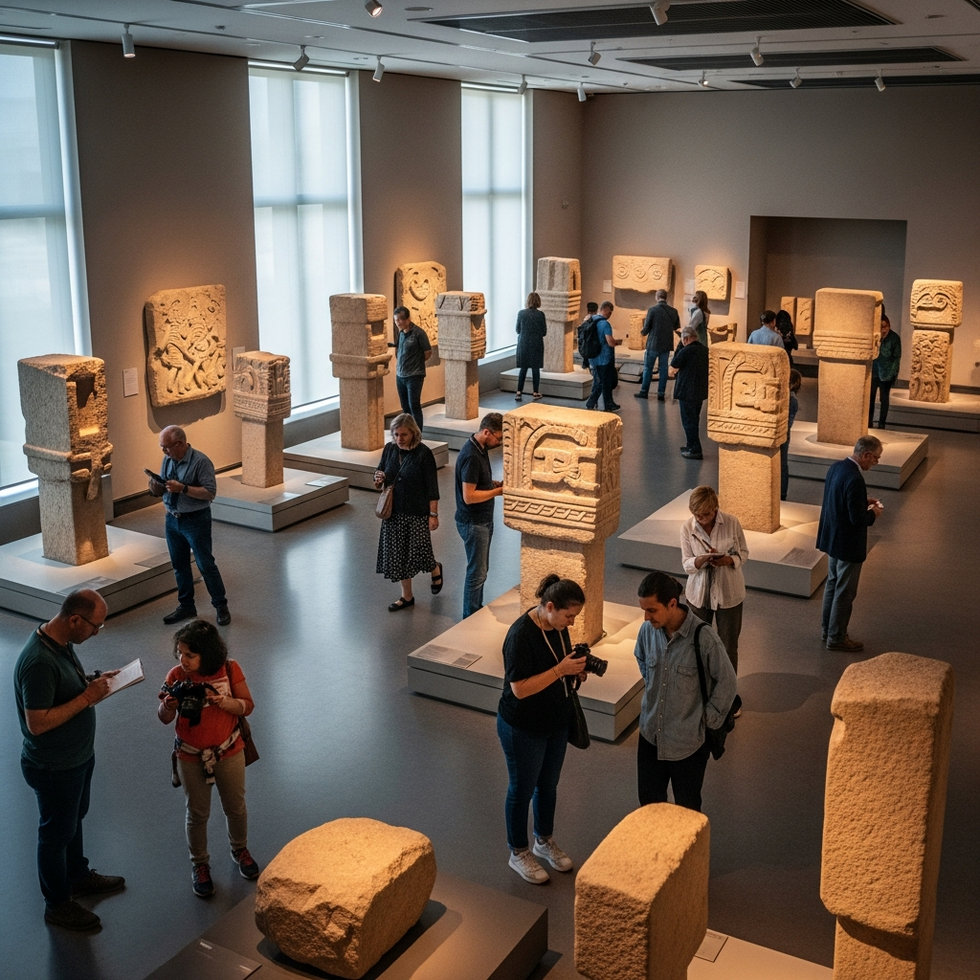
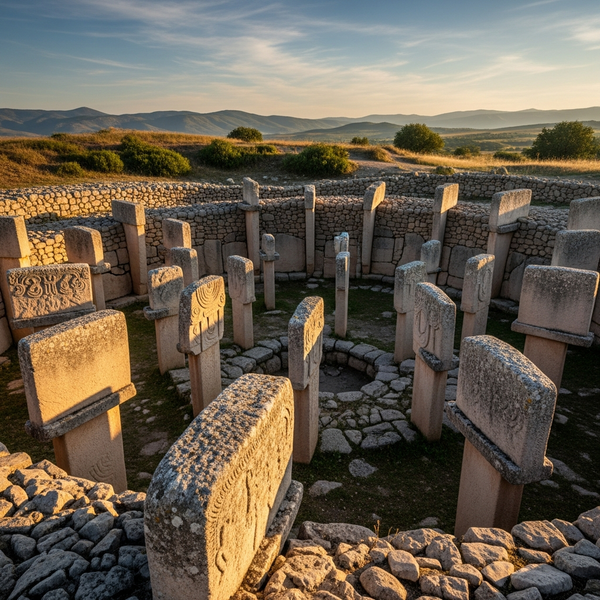
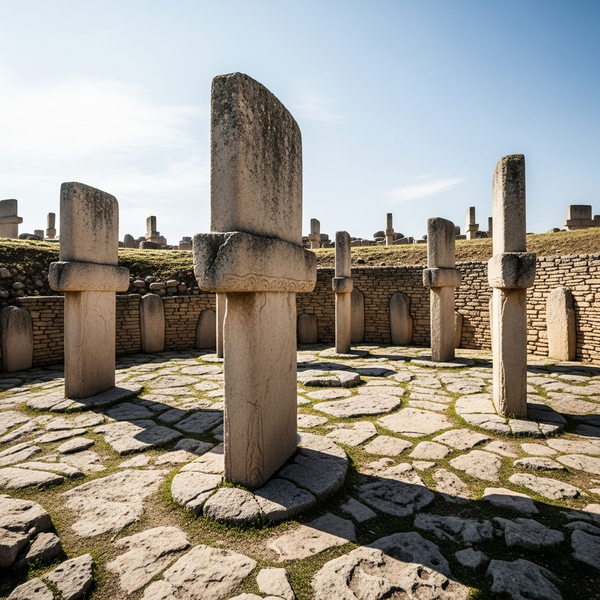
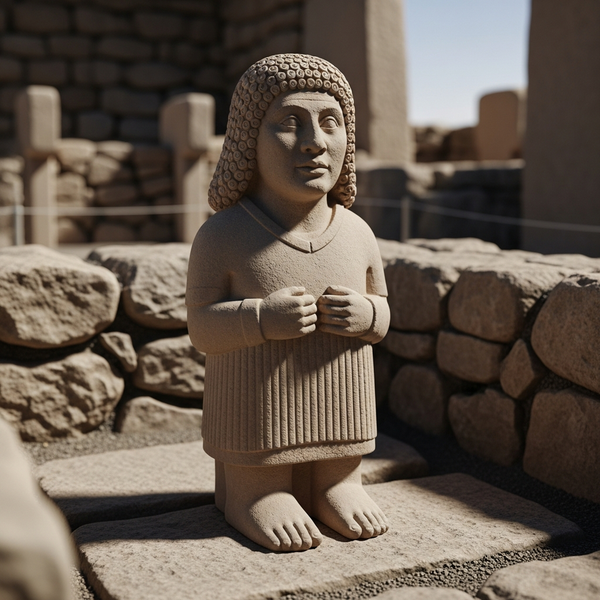
What makes this show matter isn’t just objects taking space. It points deeper into how people lived long ago. Around 11,000 years old, Göbeklitepe stands as one of the oldest temple sites known today. Instead of myths, it tells through ruins - rewriting old ideas about where civilization began. Faith, organization, early gatherings - all hint at them already being there. Pieces shown are etched stones, tall T-forms, hand-shaped instruments. Each piece shows skill shaped by hands before history started. Few of these items had ever traveled outside Türkiye until now. Because of that, they give a rare look into how our ancient ancestors lived. Their lives revolved around shared goals built with stone and purpose. What stands out is how these old remains reveal daily routines shaped by belief and ritual. Instead of just showing tools, the display tells stories through eight distinct themes. Each one opens a window into moments like growing up, working, resting, healing, loving, dying. Together, they build a picture of what life was like in small groups. Because so much has been lost over time, pieces like these matter deeply. Their presence today comes not from legend but from careful digging and teamwork across borders. What makes it special is how quietly these things speak across centuries.
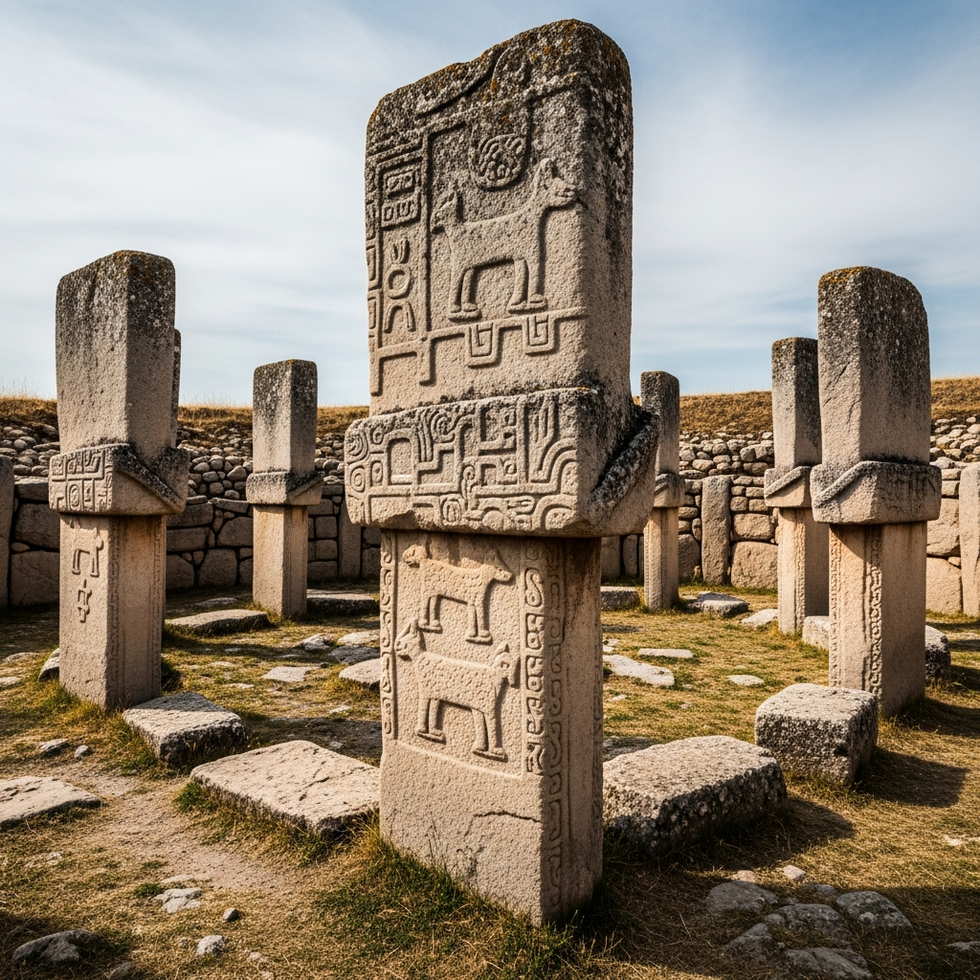
Berlin now hosts an exhibition that carries weight because of long-standing academic links between Türkiye and Germany. Not long after talks began, Turkish and German researchers started working together - time stretched into decades of shared digging and discussion. Behind the scenes, a project called Stone Hills has been unfolding since 2021, shifting how we see ancient remains. What emerges slowly is how Göbeklitepe connects to many similar places deep in southeastern Türkiye. Right now, digs led by more than thirty-six teams from nations like China and Germany show Göbeklitepe fits within a larger ancient pattern, not standing alone. According to Dr. Karul, what we’re seeing changes entirely how early communities formed, how people first survived, and how beliefs took shape - all pieces forming the base of advanced cultures.
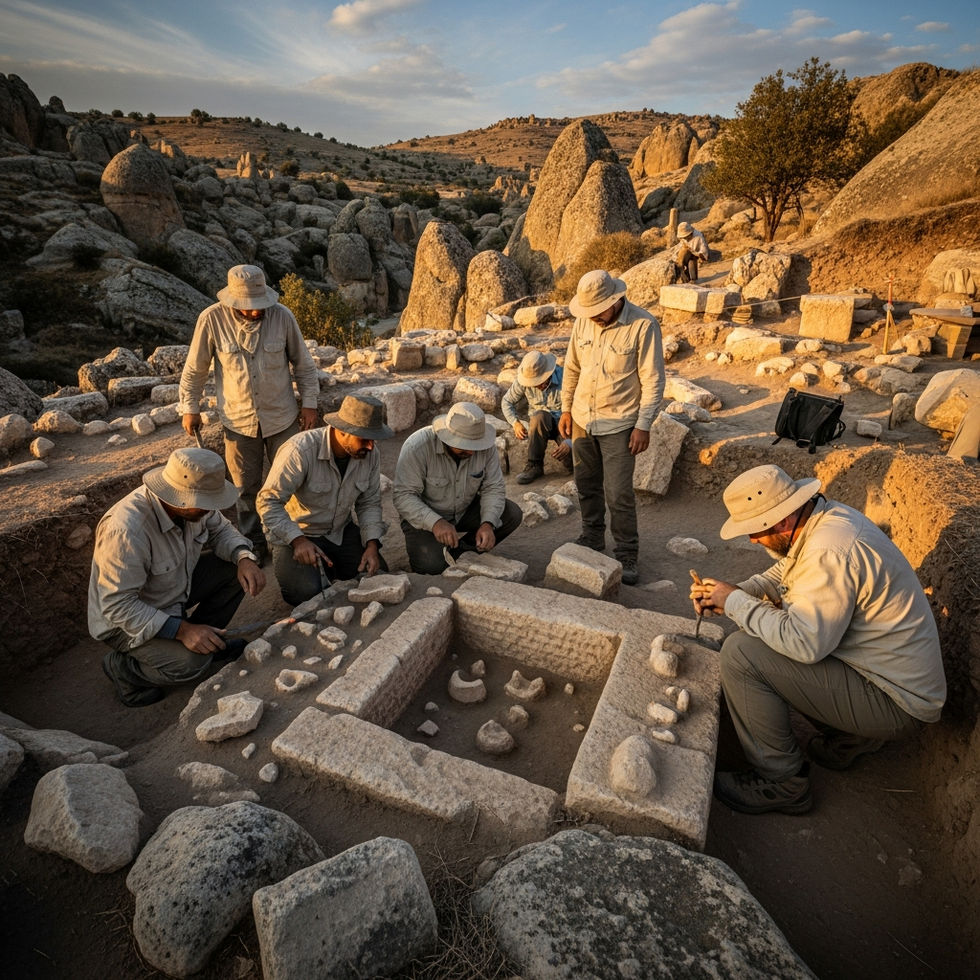
Far from just Germany, people everywhere keep turning toward Göbeklitepe. This show wasn’t the first outside the U.S., yet here it stands, full of pieces meant to make sense of ancient life. Instead of standing alone, the site appears within a broader tale - around three dozen spots much like it. Though small, the place holds weight, showing how early groups organized and shaped their world. Back then, near 30,000 years, people built complex setups along with paintings that reflected belief and group dynamics. Stunning views come from images taken by Spanish artist Isabel Munoz, now part of the show, reshaping how we see old civilizations. This moment deepens ties already present between Türkiye and Germany - history meeting across cultures without fanfare.