Göbeklitepe: Gateway to Prehistoric Mysteries
Unearthing the Age of the First Temple
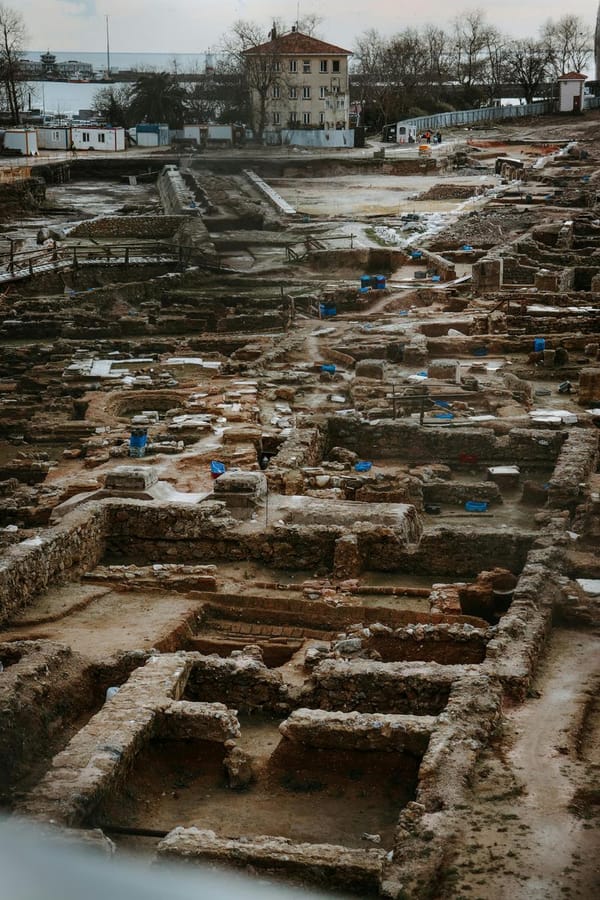
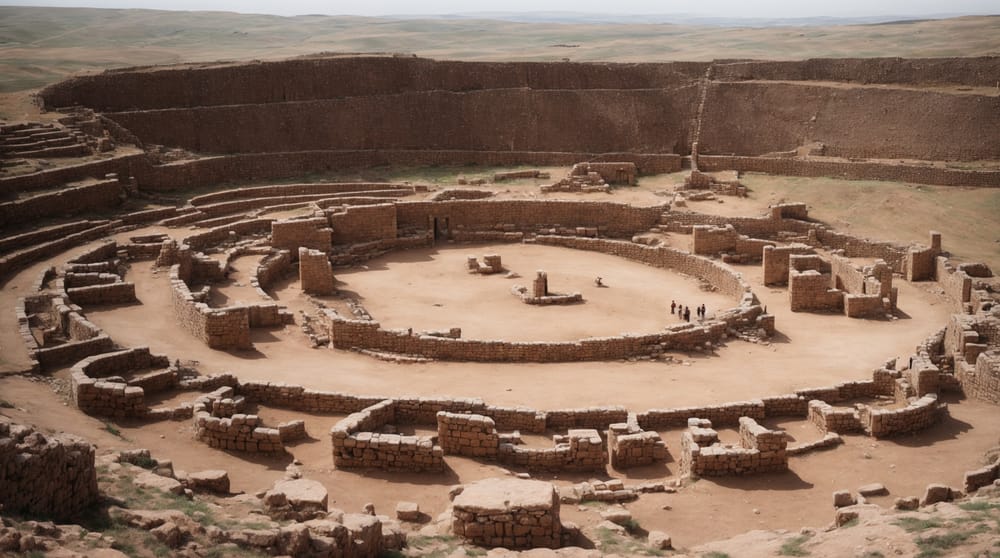
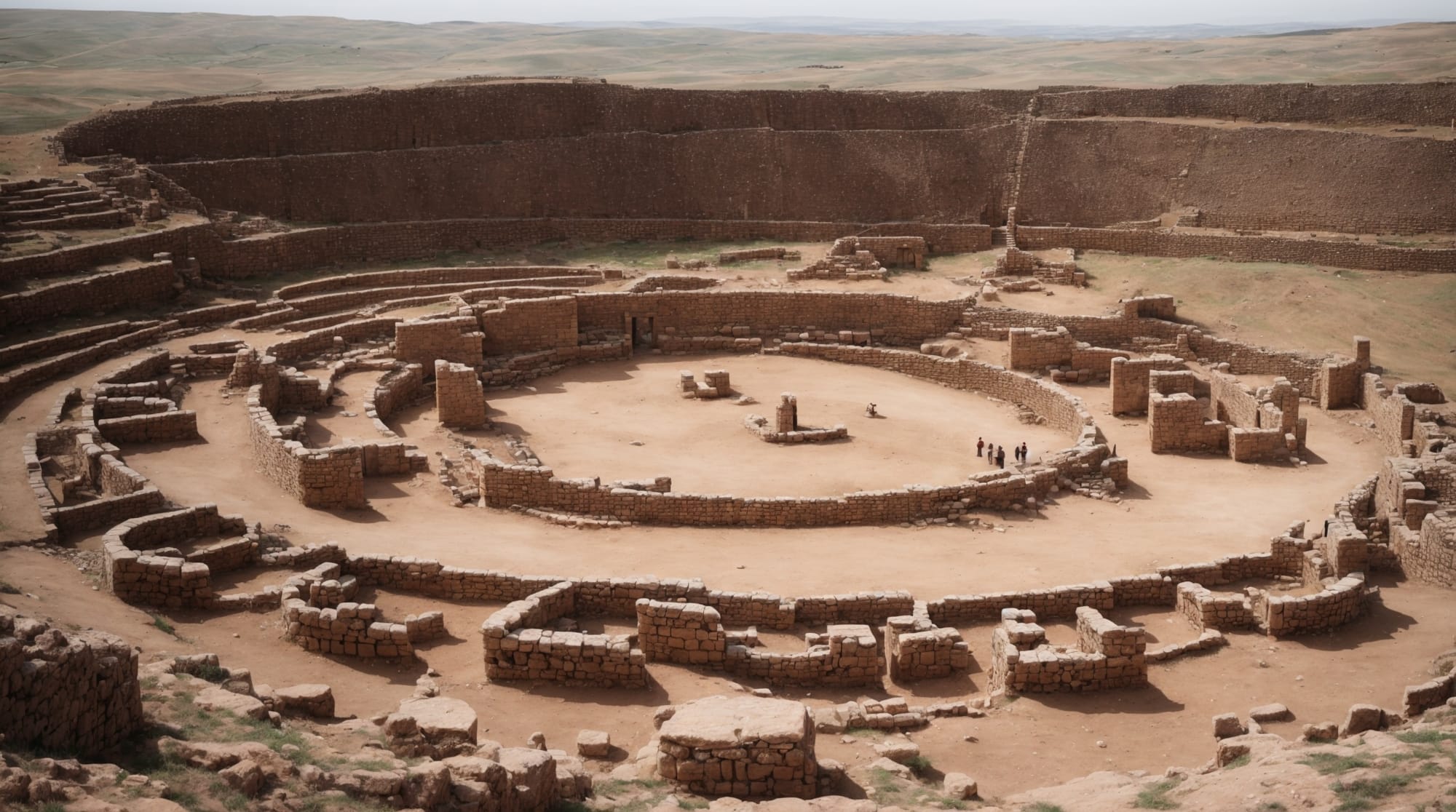
Göbeklitepe, situated in modern-day Turkey, stands as one of the most fascinating archaeological discoveries of our time. Predating Stonehenge by 6,000 years, the site offers unprecedented insights into the Neolithic Revolution. The temple, composed of massive, carefully carved stones arranged in circles, challenges our previous understanding of early human societies, who were once thought to be simple hunter-gatherers.
Decoding the Symbols and Carvings
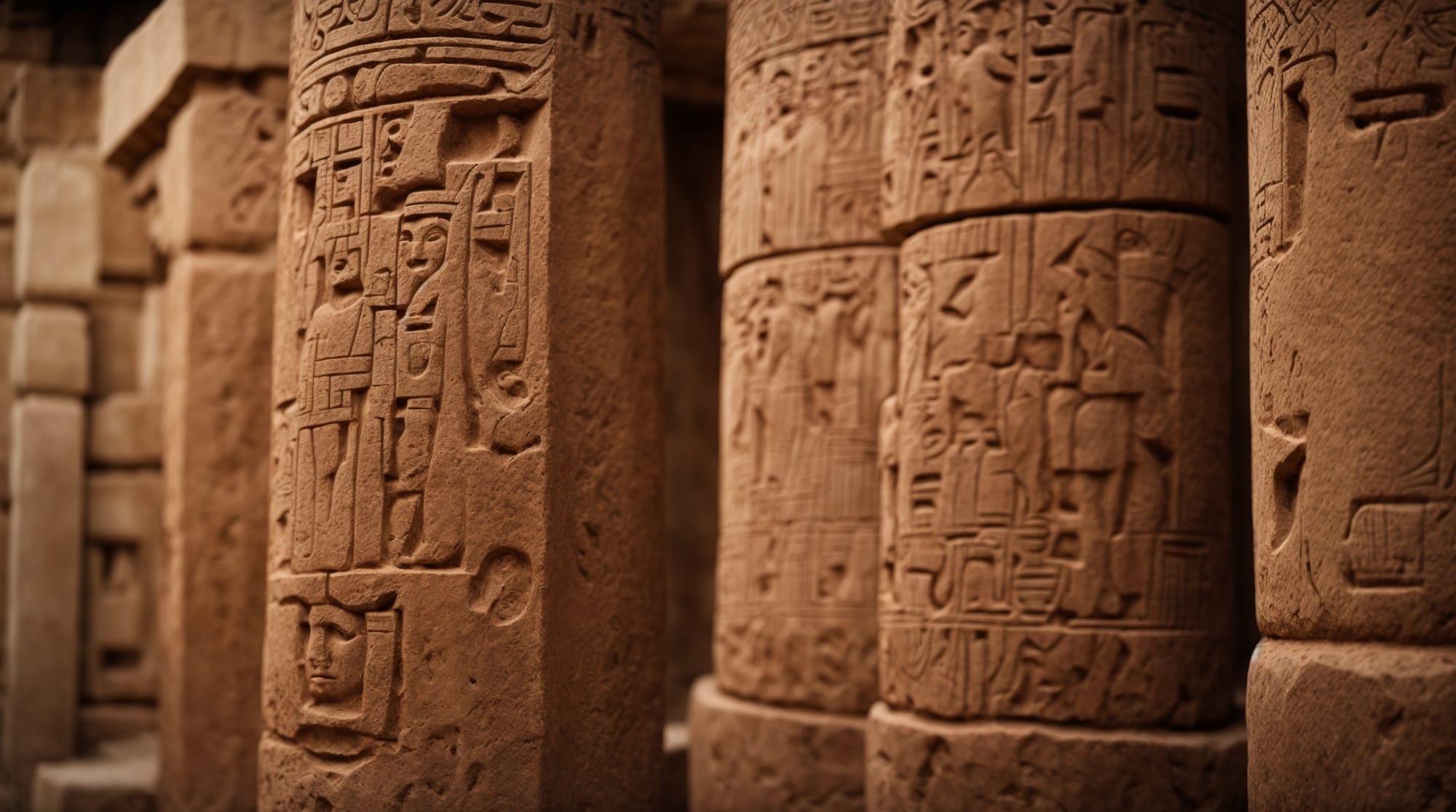
The intricately engraved pillars of Göbeklitepe depict a variety of animals and abstract symbols, which some researchers believe to represent religious or cosmological beliefs. These carvings are among the earliest examples of narrative art, offering a glimpse into the spiritual lives of its builders. The site's complexity suggests that it was a place of significant importance, serving as a pilgrimage destination or a social gathering spot for rituals.
Implications for Understanding Early Human Societies
Göbeklitepe's existence indicates a societal capability for coordinated, large-scale construction, which implies a level of social organization not previously associated with this era. This realization forces historians and archaeologists to reconsider the timeline of civilizational development, showcasing that religious and social complexities existed far earlier than documented in established historical contexts.