Gobeklitepe the Extraordinary Ancient Site That Reshaped Human History
Unveiling the Mysteries of Gobeklitepe a Landmark of Human Origins
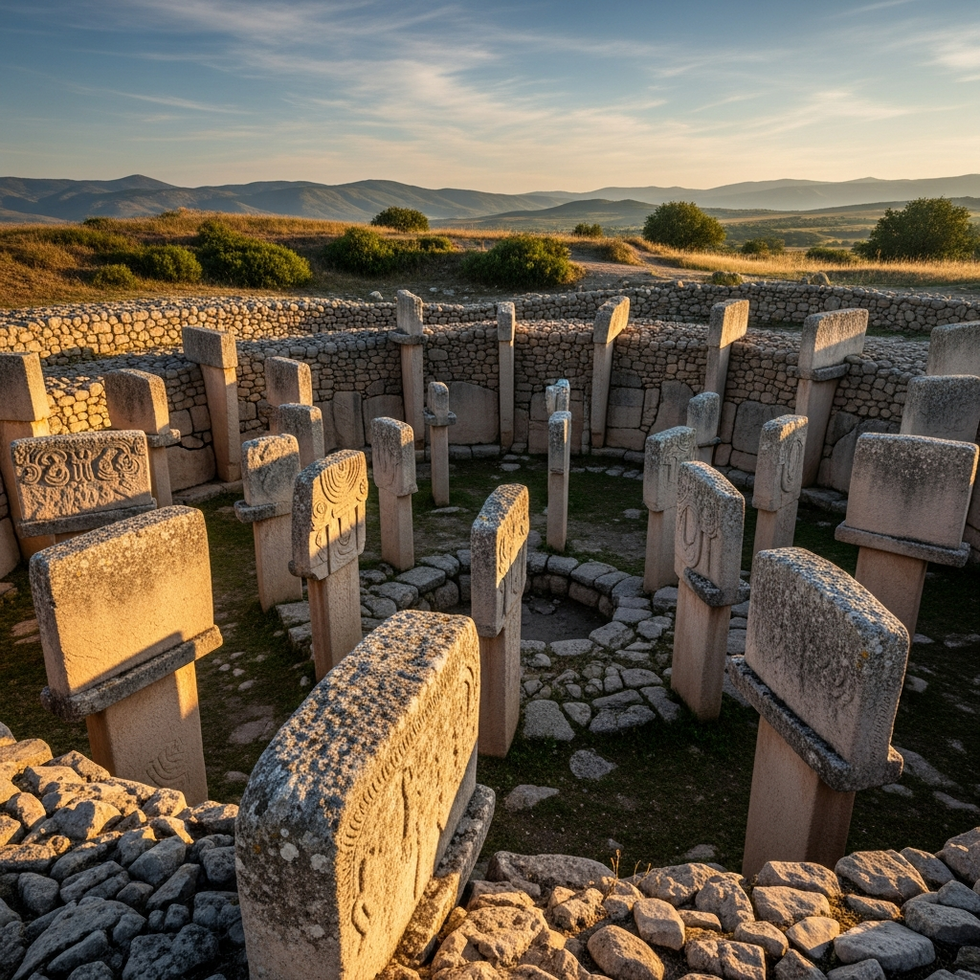
Picture a spot older than Stonehenge - more than six thousand years before now - a hidden corner full of questions without clear answers, one that questions old ideas about ancient people. In southeastern Turkey sits Gobeklitepe, hailed lately as a major archaeological find in the modern age. Regular ruins unfold slowly over time; this place surprises by showing layered ceremonies thousands of years ago, around 9600 BCE roughly. Few things surprise like learning farmers built that giant rock pile ages before farming even started. Digging carefully through years of soil revealed huge T-shaped stones, carved with creatures, strange patterns, and people-like shapes. Some think it was sacred ground where ancient gatherings honored beliefs. Others see it as a gathering place shaped by kinship ties and ritual life. Whatever the true aim, one fact stands clear - this spot marked deep meanings for those who made it. Fresh digs and new findings keep reshaping thoughts - Gobeklitepe forces experts to question where organized faith began, how societies formed, what brought people together. Its enigmatic birth, tied to deep shifts in human behavior, draws travelers who care about lost civilizations and old ways of life.
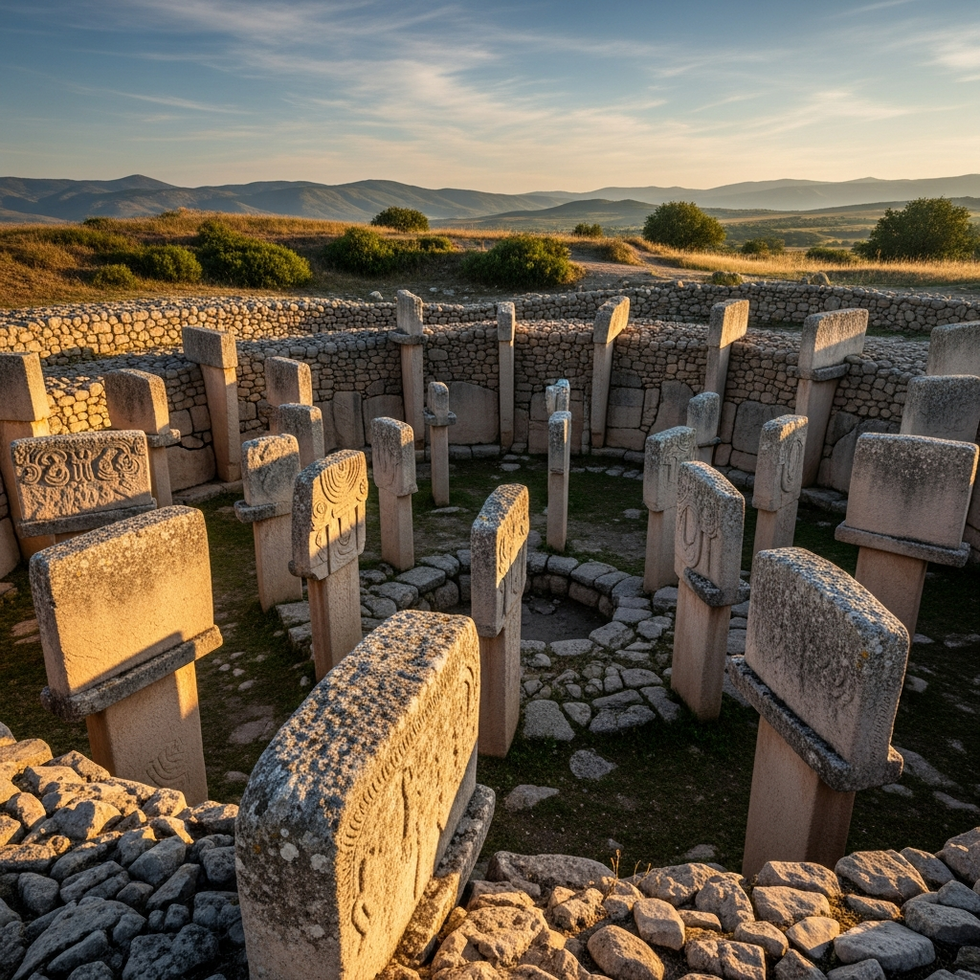
The Architectural Marvels and Symbolism Embedded in Gobeklitepe’s Stones
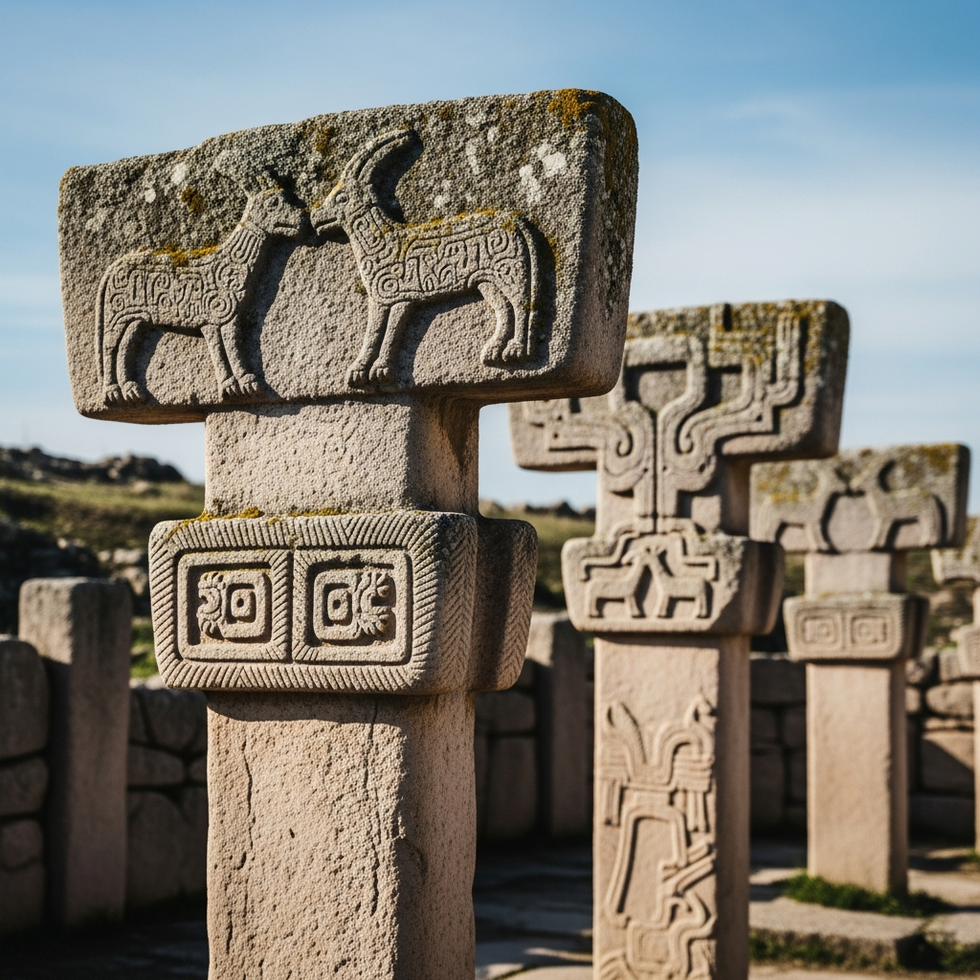
What stands out at Gobeklitepe is how advanced its buildings are, yet hard to fit into standard categories. Not like those neolithic places with basic wood framing, here pillars rise straight in ring-shaped groups - built for purpose unclear but possibly sacred. Towering more than five meters tall, these rock blocks carry designs of beasts, strange signs, also figures that look like people. Built with care, these pieces reveal a group that worked well together - planning carefully, staying unified. Symbols appear in the carvings, showing early thoughts took shape before letters existed; maybe even records of belief, long before writing began. Across the area, separate spaces sit in pattern, suggesting deeper meaning lived in how space was shaped - rituals may have moved step by step through those boundaries. What these buildings meant isn’t certain, yet some believe they served rites tied to growing, becoming, or honoring dead. What makes Gobeklitepe important? It stretches our knowledge of when certain traditions began, shifting how we see early religions, group ties, and inner life.
Ongoing Research and the Future of Gobeklitepe Discoveries
Back in the 1990s, Gobeklitepe came to light, opening doors once closed to ancient studies, stirring researchers everywhere into intense digging and inquiry. Even now, the place remains open to investigation, every year revealing fresh objects, boundary markings, clues - pieces that shift how we see it all. Turns out, evidence hints that this spot stood within a web of linked groups, each tied by deep belief rituals across distant lands. Looking closer at Gobeklitepe now, methods like radiocarbon dating along with careful microscope checks have sharpened how we date it, showing layers stretching back many centuries. Because researchers examine how the structure was built plus any old bones hidden under the rocks, ideas form slowly around what life might have been like for those first nomadic people. One big shift could happen - the site might redraw whole pictures of where civilization began, turning old assumptions sideways. Suddenly, it seems possible that complex societies existed long before farming even began. What seems clear now is how spiritual life and shared community existed before most tools and inventions showed up in subsequent societies. Digging deeper someday - using experts in human evolution, star patterns, and earth layers - might reveal hidden pieces about this unusual place. Such work could quietly expand our understanding of where people first turned toward the unknown.