Göbeklitepe Unveiled: How Archaeological Discoveries Are Reshaping Human History
The Enigmatic Origins of Göbeklitepe and Its Significance to Humanity
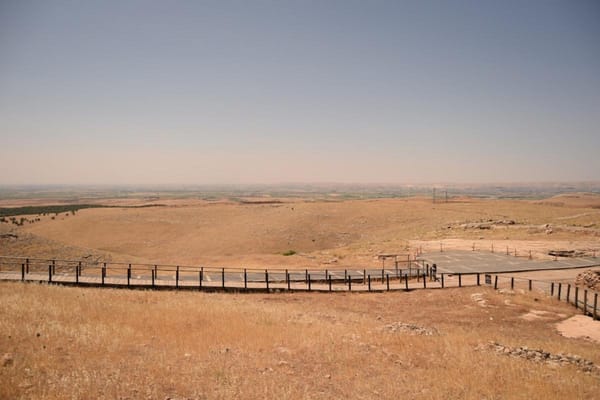
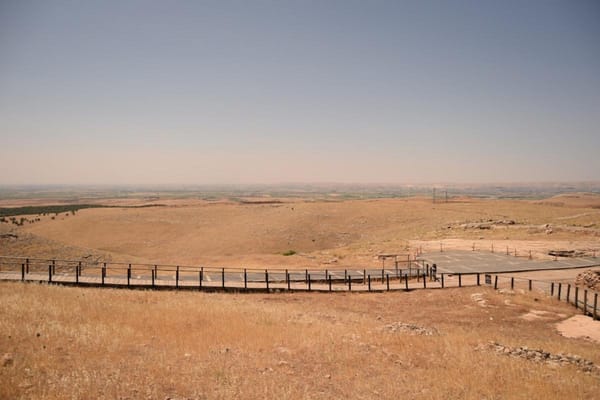
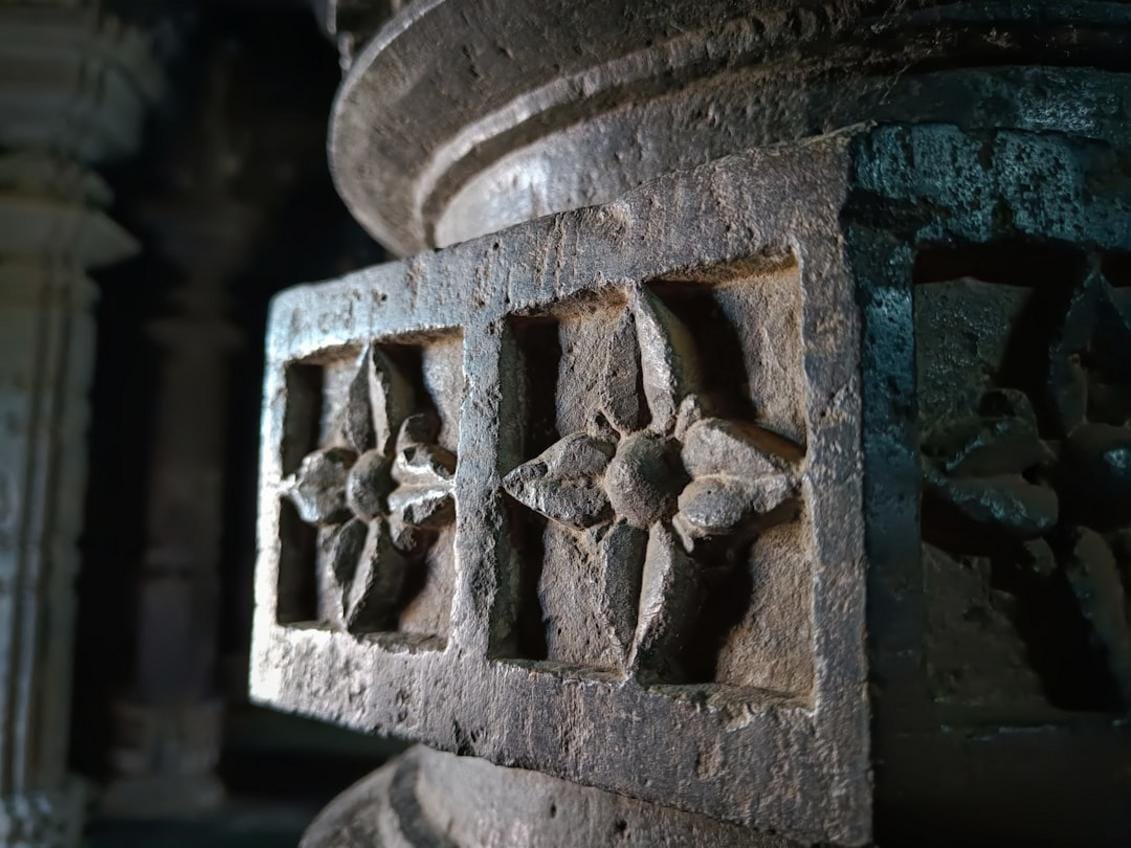
Discovered in southeastern Turkey and dating back approximately 11,600 years, Göbeklitepe stands as one of the most significant archaeological sites that has revolutionized our understanding of early human civilization. Unlike typical prehistoric settlements that showcase utilitarian architectures, Göbeklitepe consists of monumental stone circles adorned with intricately carved pillars, many of which bear depictions of animals, abstract symbols, and humanoid figures. This site challenges the long-held belief that early humans were primarily focused on survival and rudimentary shelter, suggesting instead that they may have engaged in complex rituals, spiritual practices, and social organizations long before the advent of farming. The site's age places it at the dawn of the Neolithic period, yet its sophistication hints at an advanced cultural and religious consciousness often presumed to be later developments. These discoveries have led archaeologists to reevaluate the origins of organized religion and social hierarchies, indicating that spiritual life may have been central to human communities far earlier than previously thought. Such revelations position Göbeklitepe not merely as an archaeological marvel but as a window into the ethereal worlds of our ancestors—prompting questions about the very nature of human consciousness and cultural evolution.

Recent Discoveries and Ongoing Excavations That Shed Light on Early Society
The ongoing excavations at Göbeklitepe continue to unearth new layers of historical data that deepen our knowledge of prehistoric human activity. Recent discoveries have included additional T-shaped pillars, newly identified carved motifs, and structural remnants that suggest the site was used over several centuries, possibly evolving in its purpose and significance. Experts have uncovered evidence that the site was a major ceremonial hub, likely attracting communities from distant regions for ritual gatherings, as indicated by the presence of animal bones, offering altars, and carved stone objects. Remarkably, some of the carvings portray wild boars, snakes, and lizards, symbolizing fertility, transformation, or spiritual guardianship—elements that resonate with shamanistic beliefs and early animistic religions. These findings challenge earlier assumptions that early humans lacked complex symbolic thinking and spiritual expression. Archaeologists are now focusing on how these symbols and structures might have served as a foundation for the development of more sophisticated religious systems, influencing cultures that followed. Every new fragment uncovered at Göbeklitepe brings us closer to understanding the profound depth of early human spirituality and social organization, opening expansive new chapters in our shared history.
Implications of Göbeklitepe for Understanding Early Human Beliefs and Cultural Development
Göbeklitepe's extraordinary features force us to reconsider the trajectory of human cultural evolution. The site implies that spiritual and ceremonial life was integral to early communities long before the rise of settled agriculture. The elaborate carvings and aligned layout suggest that these structures were not merely functional but deeply symbolic, orchestrating social cohesion and shared belief systems. The widespread interpretation is that early humans possessed a kind of proto-religious consciousness, complete with mythic narratives and ritual practices that unified communities in a collective identity. Such insights propel scholars to investigate the origins of religiosity and symbolism in human history, emphasizing that the quest for meaning and connection predates the development of farming or permanent settlements. In essence, Göbeklitepe reveals that our ancestors might have prioritized spiritual pursuits, emphasizing that humanity's spiritual journey has ancient roots. This understanding reshapes not only academic perspectives but also enriches our appreciation of human creativity and the universal search for transcendence into a complex, interconnected universe.