Göbeklitepe's Ancient Innovations and Their Modern Implications
Unveiling the Secrets of Göbeklitepe
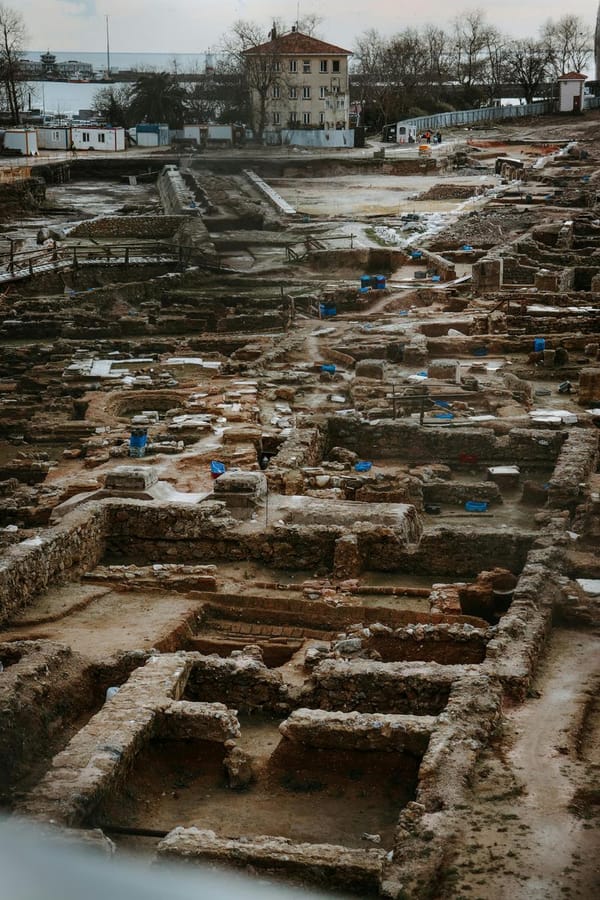
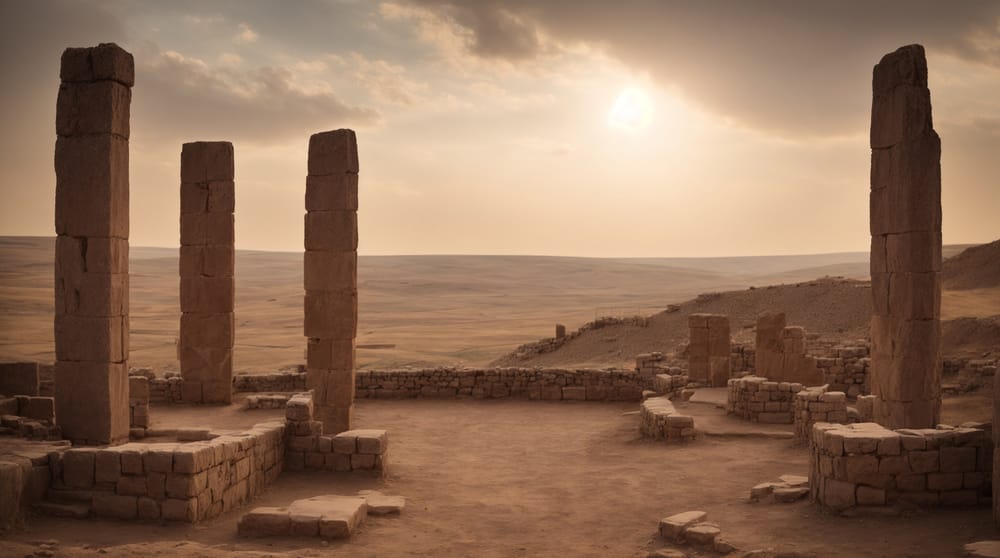
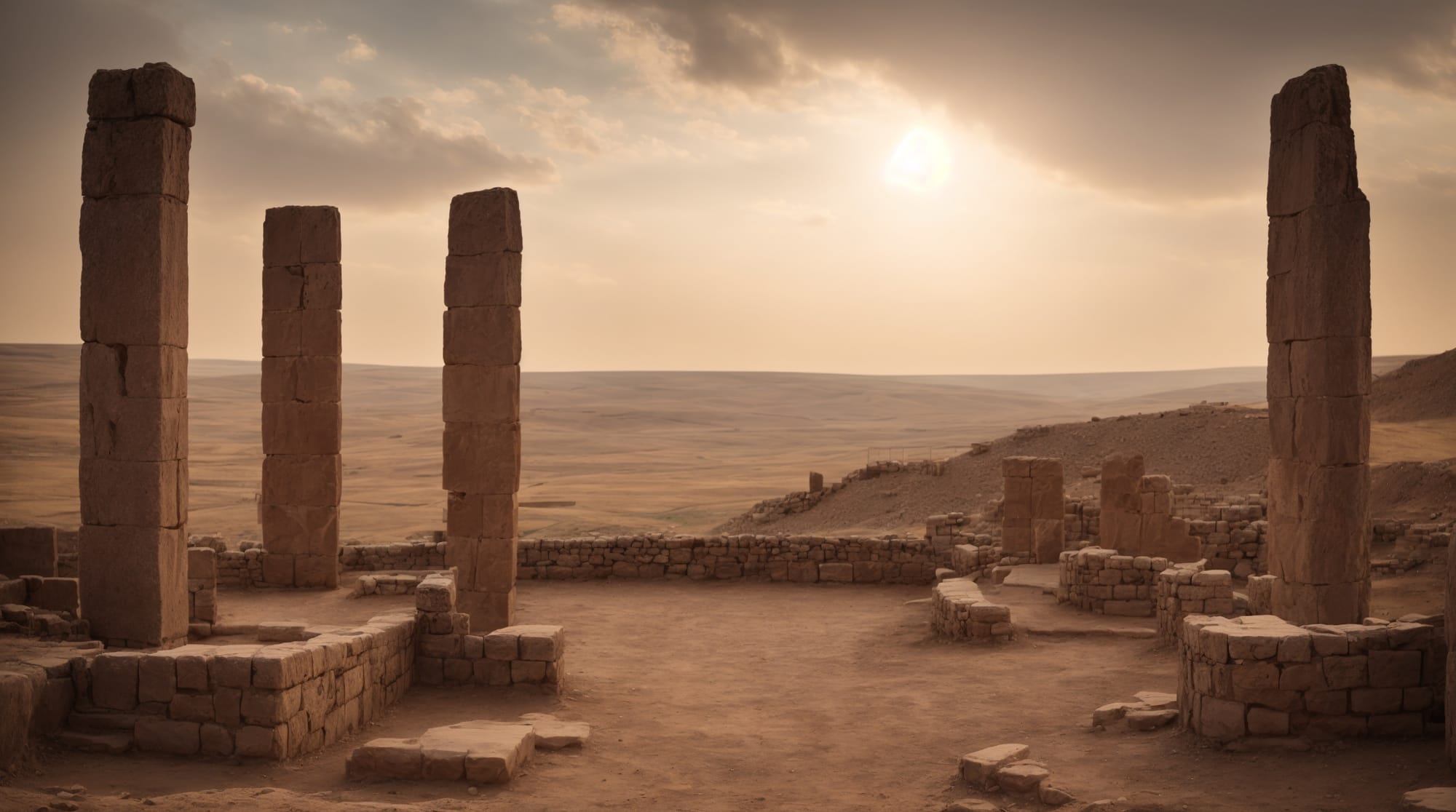
Göbeklitepe, situated in modern-day Turkey, is recognized as one of the most significant archaeological discoveries of the 20th century. This site, dating back to the 10th millennium BC, challenges our understanding of prehistoric human society. It was not just a settlement but a ceremonial center, highlighting a sophisticated level of social and religious development much earlier than previously believed. The site's circular arrangements of massive T-shaped stone pillars, adorned with carvings of animals and abstract symbols, suggest that Göbeklitepe was a place of complex spiritual and communal activities.
The Technological Advances at Göbeklitepe
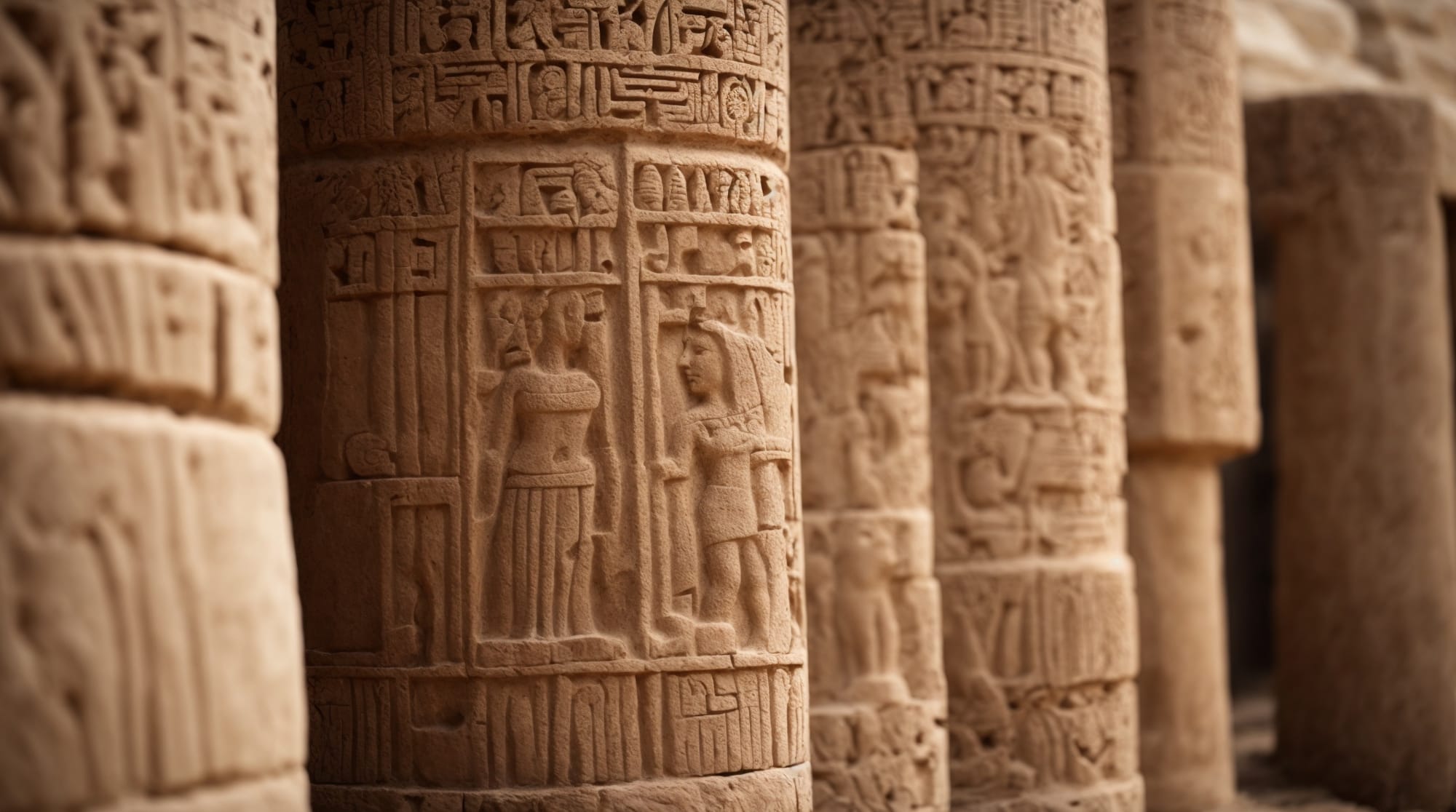
The architectural techniques and tools used for carving these pillars indicate an unexpected level of sophistication. The precision in the stone carvings and evidence of planned construction provide insight into the early human capability for complex project execution. It appears that Göbeklitepe's builders were pioneers of engineering and architectural innovation, mastering stone carving and site planning skills that predate other known monumental structures by several millennia.
Astronomical Alignments and their Cultural Significance
One of the most captivating aspects of Göbeklitepe is its potential astronomical alignment. Some researchers propose that the arrangement of the pillars may reflect celestial patterns, serving as an Ancient observatory or calendar. This alignment with the stars offers a glimpse into the community's interaction with the cosmos, which likely played a significant role in their culture and religion, influencing their agricultural practices and social structure.
Implications for Modern Science and Culture
Göbeklitepe not only revises our timeline of civilization but also offers profound insights into the capabilities and complexities of our ancient ancestors. These revelations inspire ongoing research and discussion in various fields, including archaeology, anthropology, and even astronomy, showcasing the enduring influence of Göbeklitepe's innovations on modern science and culture.