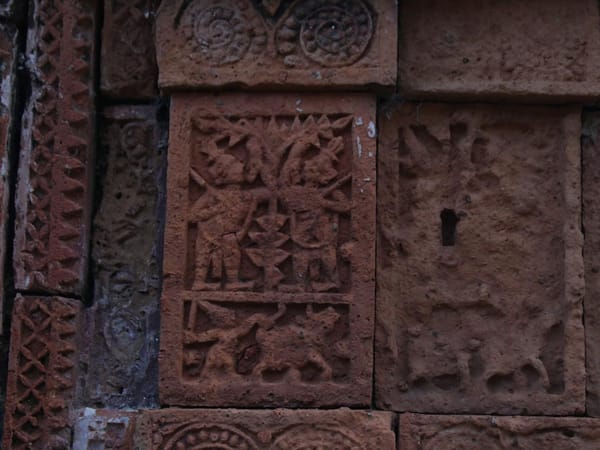
Göbeklitepe's Architectural Marvels and Their Historical Context
Unveiling the Architectural Sophistication of Göbeklitepe
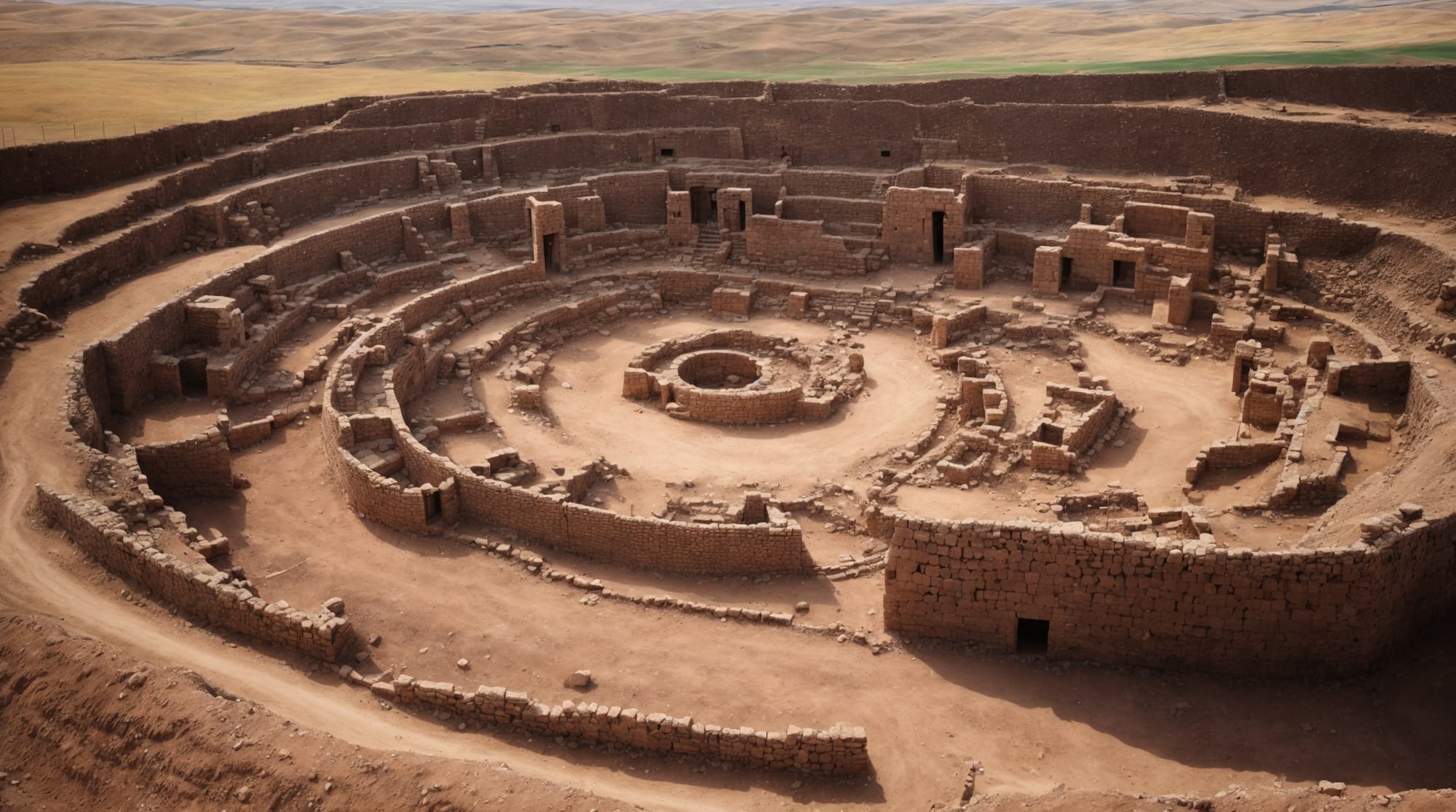
Göbeklitepe, nestled in the southeastern region of Turkey, stands as a testament to the ingenuity of prehistoric human society. The site, dated to around 9600 BCE, predates Stonehenge by several millennia and is revered as potentially the world's oldest known temple. The complexity and craftsmanship evident in the megalithic structures challenge our traditional understanding of the capabilities of early Neolithic communities. The circular arrangements of massive T-shaped pillars, adorned with intricate carvings of animals and abstract symbols, suggest that Göbeklitepe was a site of significant religious and ritual importance, possibly serving as a hub for early spiritual or communal gatherings.
Decoding the Symbolism in Stone Carvings
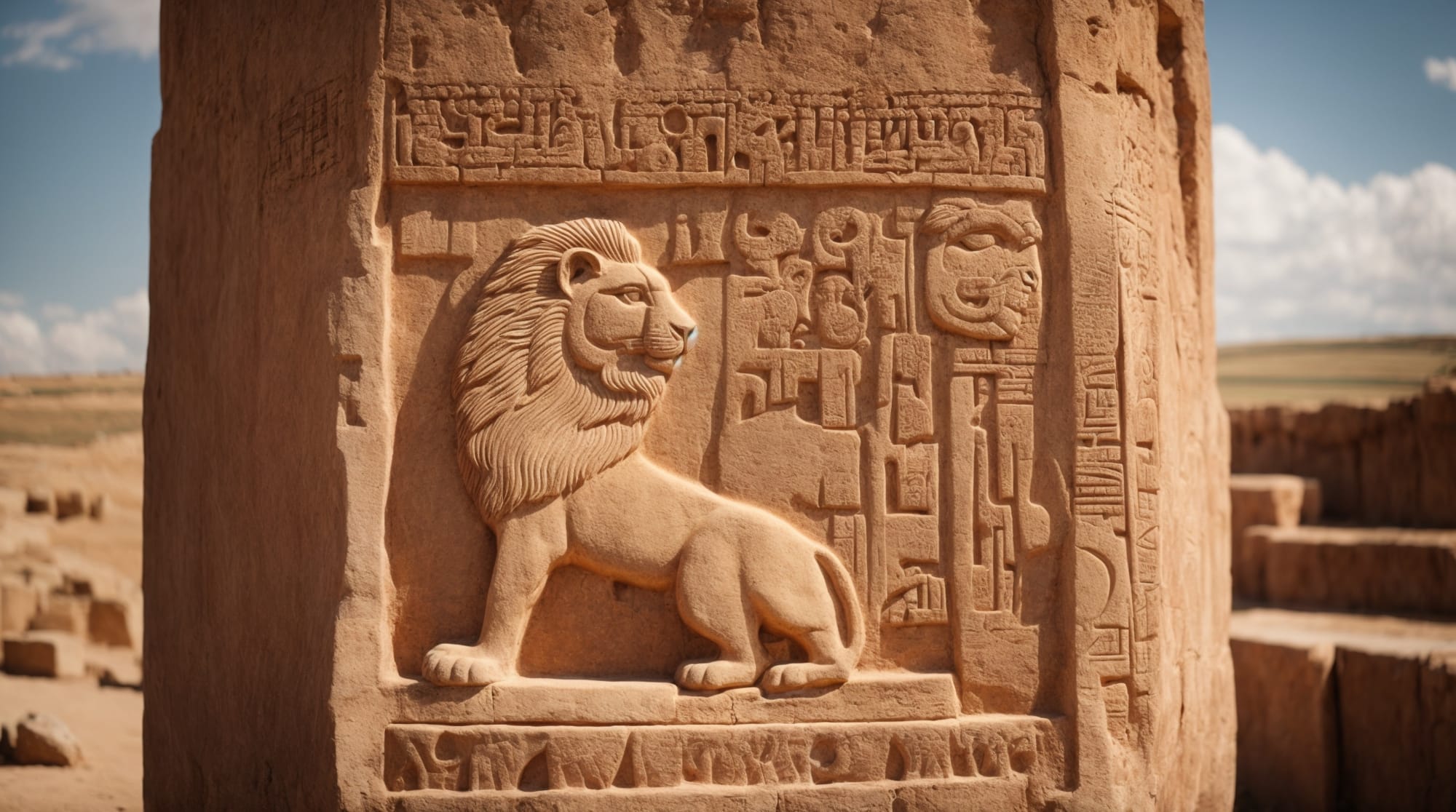
The stone pillars of Göbeklitepe are renowned not only for their monumental scale but also for the enigmatic depictions carved upon them. These carvings provide significant insights into the spiritual life and symbolic thinking of their creators. Featuring representations of wild animals such as lions, boars, and birds, alongside abstract symbols, these carvings might have constituted a prehistoric 'code' of spiritual beliefs or mythologies. Scholars believe these images could be interpretations of celestial constellations, part of a ritualistic narrative, or simply artistic expressions. The diversity and sophistication of these motifs underscore Göbeklitepe's importance as a center of cultural and religious activity in the Neolithic era.
Architectural Innovations at Göbeklitepe
The architectural techniques observed at Göbeklitepe reflect an advanced understanding of stone construction, which was unprecedented for its time. The layout of the site, with its concentric circles of massive T-shaped pillars, suggests a sophisticated approach to monumental construction that would have required significant planning, organization, and communal effort. These structures, likely used for rituals or social gatherings, indicate a highly coordinated society capable of undertaking large-scale projects. The precision in the placement of pillars and the use of space significantly contribute to our understanding of the social and religious structures of the time.
The Historical Context and Impact of Göbeklitepe
The discovery of Göbeklitepe has profound implications for the study of human history, particularly in understanding the development of religious and societal structures. Its existence evidences that complex religious practices existed well before the advent of agriculture, challenging the traditional narrative that farming led to the development of complex societies. Instead, Göbeklitepe suggests that the desire to gather for religious purposes may have been a significant driver in settling and organizing communities, possibly even fostering agricultural innovations as a means to support these gatherings. As such, Göbeklitepe not only sheds light on the Neolithic era but also redefines our broader interpretation of human civilization's development.