Göbeklitepe's Astronomical Codex: Unraveling Celestial Secrets
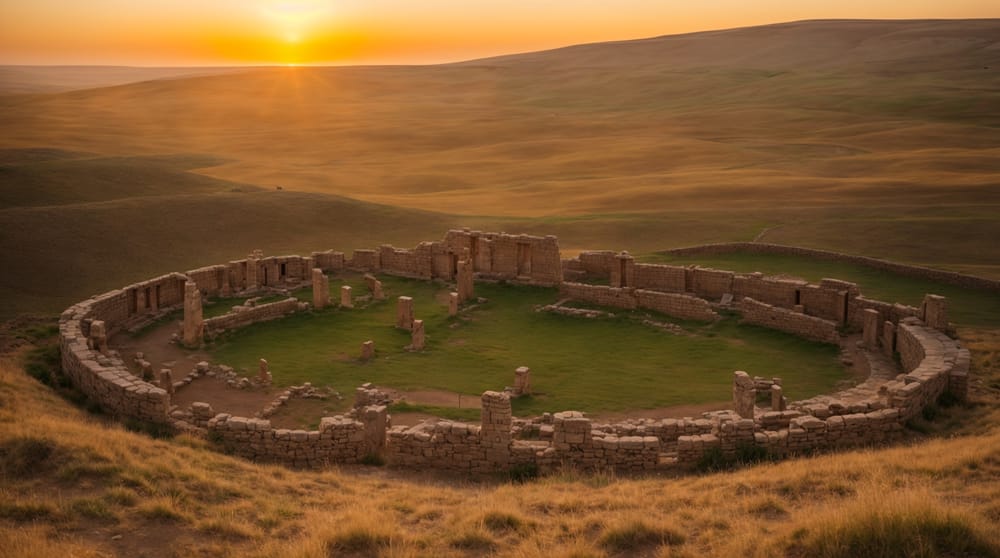
The Dawning Sky Over Göbeklitepe
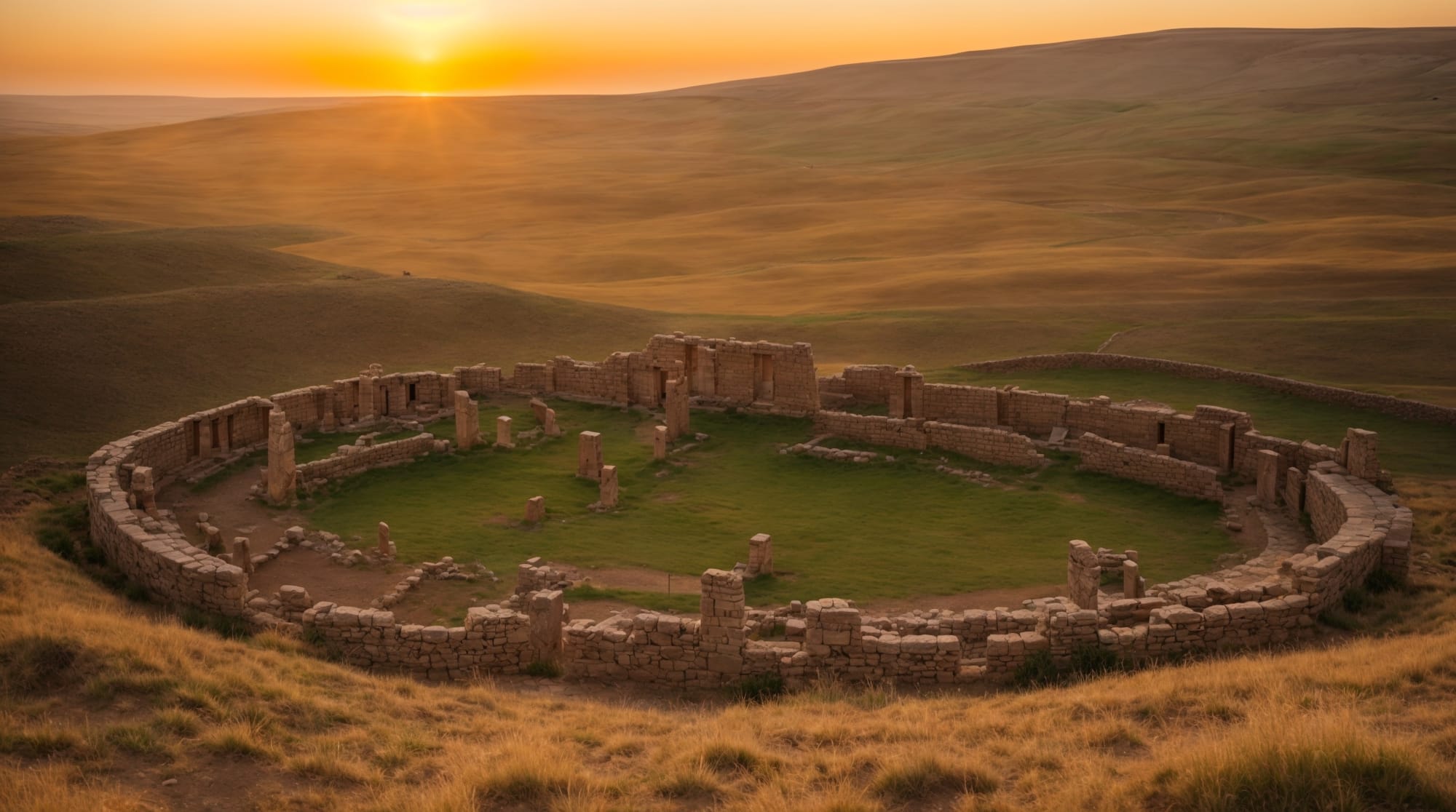
Göbeklitepe, often hailed as the world's first temple, not only serves as a testament to human spirituality but also as a complex astronomical observatory. The site's elaborate circular structures and megalithic pillars, strategically positioned, suggest a deep understanding of celestial patterns. Researchers speculate that these arrangements were used to track solstices, equinoxes, and even specific star alignments, serving as a calendar system and aiding agricultural practices. This integration of astronomical knowledge underscores the site's role in the transition from nomadic to settled agricultural societies.
Decoding Celestial Symbols
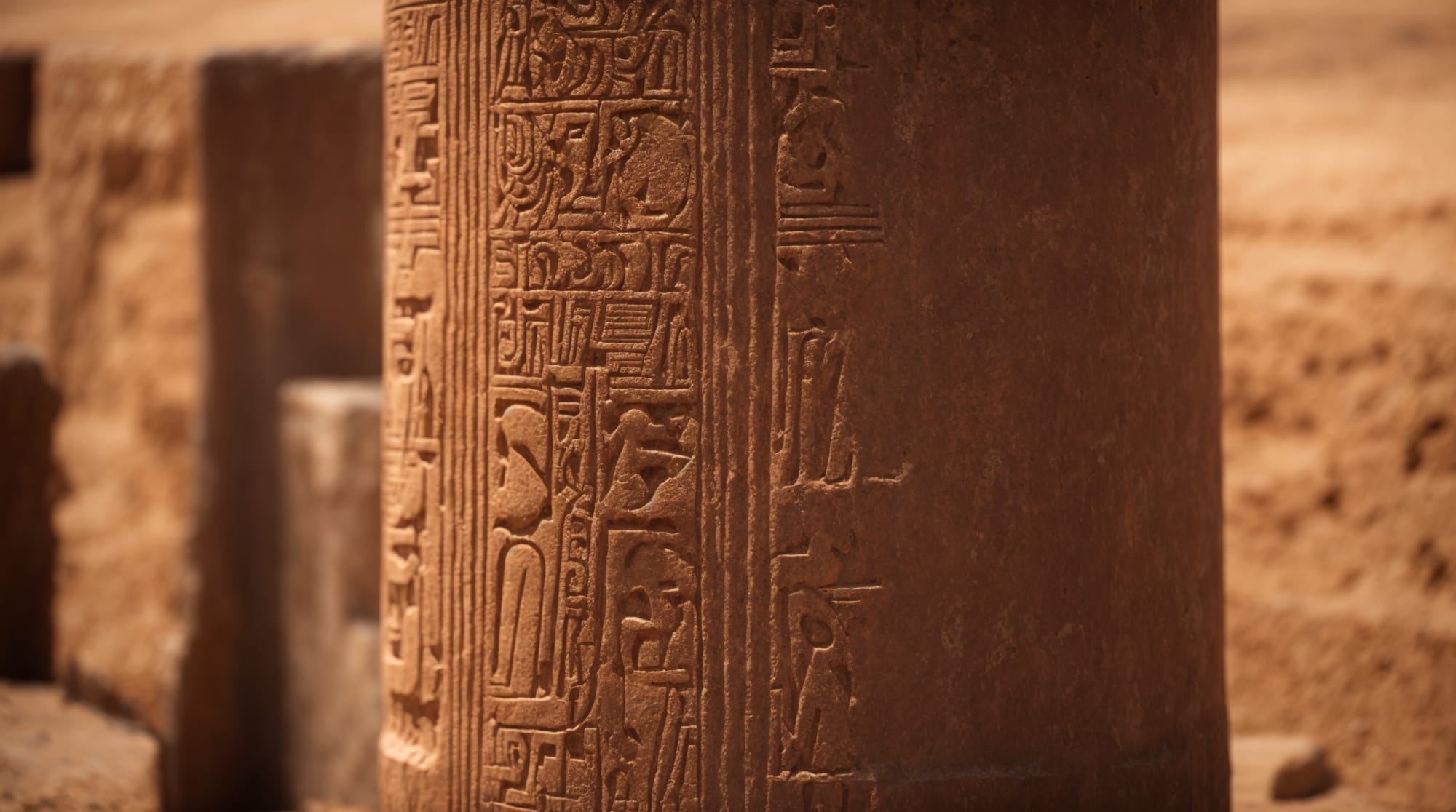
The pillars of Göbeklitepe are adorned with carvings of animals and abstract symbols, which some archaeologists interpret as celestial representations. For instance, carvings that resemble boars, ducks, and scorpions might symbolize constellations, sketching a kind of prehistoric star map. By decoding these symbols, scholars assert the possibility of understanding early human interaction with the cosmos. Such interpretations provide a fascinating glimpse into how our ancestors made sense of the world above, integrating their observations into their spiritual and social fabrics.
Astronomical Alignments and Significance
Further analysis of Göbeklitepe's layout suggests that certain pillars are aligned to bright stars or prominent celestial events. This strategic placement likely facilitated the observation of celestial bodies, enabling the locals to perform timed rituals or ceremonies. The exactness of these alignments illustrates a sophistication that rivals later historical astronomical constructs, suggesting a societal reverence for celestial events, thought to be divine communications. These practices may have played a crucial role in the cultural and societal development during the Neolithic period, influencing later astral-based religions.
Implications for Neolithic Society
The celestial expertise evidenced at Göbeklitepe not only highlights astronomical acumen but also suggests a structured spiritual and social life. The ability to predict seasonal changes would have been invaluable in agricultural planning and resource allocation, marking a significant milestone in human development. This early grasp of astronomy likely fostered communal gatherings, collective labor projects, and the rudiments of societal leadership, thereby catalyzing the evolution of complex societal structures. Göbeklitepe's astronomical practices reflect the site's monumental role in the narrative of human civilization.