Göbeklitepe's Role in the Birth of Agriculture and Settlements
Unearthing Göbeklitepe's Historical Context
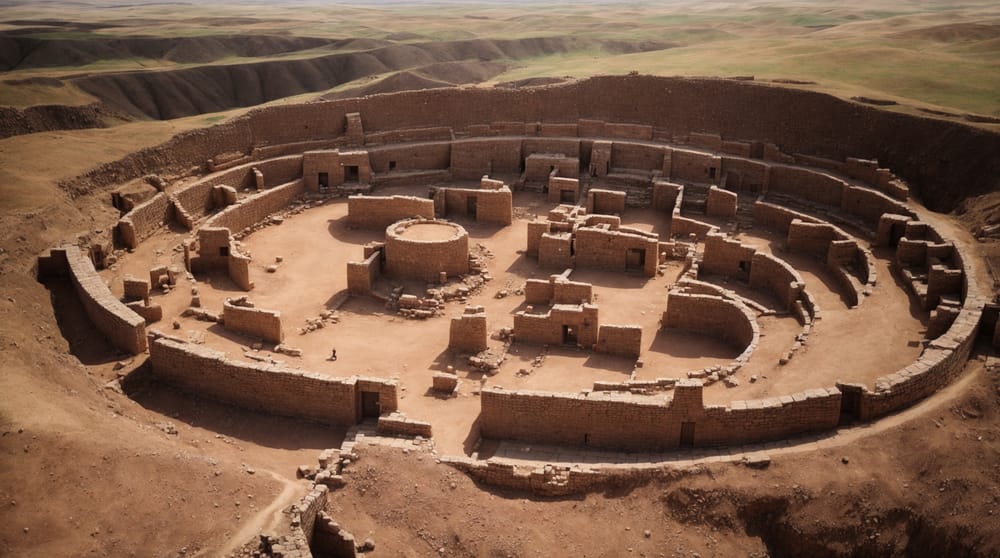
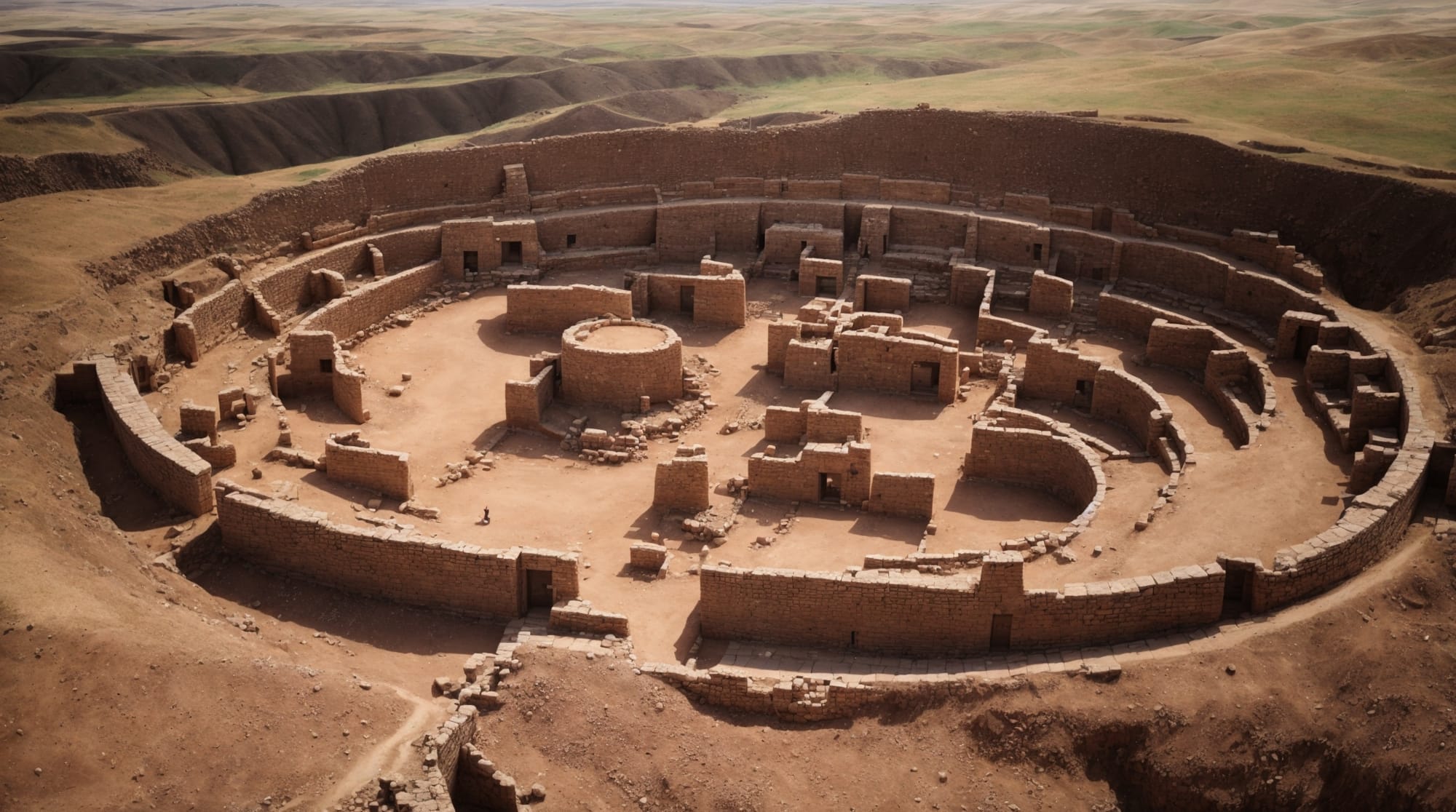
Nestled on a rugged plateau near Şanlıurfa in southeastern Turkey, Göbeklitepe stands as one of the oldest known temple complexes in the world. This extraordinary site, predating Stonehenge by over 6,000 years, challenges our understanding of prehistoric human society. Excavations reveal that it was not just a spiritual or ritualistic center as previously thought, but a hub that may have significantly influenced the development of both agriculture and settlements. The layout of the site, with its intricate T-shaped pillars and circular enclosures, suggests a sophisticated organizational and social structure way ahead of its time.
The discovery of various plant residues and pollen samples at Göbeklitepe indicates that its occupants were among the first groups of people to experiment with cultivating wild cereals. This revelation comes with implications about the socio-cultural transformations associated with a sedentary lifestyle, which emerged around the same time. It appears that Göbeklitepe was not merely a ceremonial site but also a center for experimenting with and spreading agricultural practices, which may have served the large groups who gathered for various purposes.
The architecture of Göbeklitepe denotes more than religious significance; its design and scale suggest a congregation point for larger communities, potentially leading to settled life. The coordination required to construct such massive structures hints at organized social structures and perhaps governance systems that laid the foundation for future urban centers. The existence of elaborate stone works and spatial organization within the site implies that Göbeklitepe was a model that influenced subsequent Neolithic settlements in the vicinity and possibly beyond.
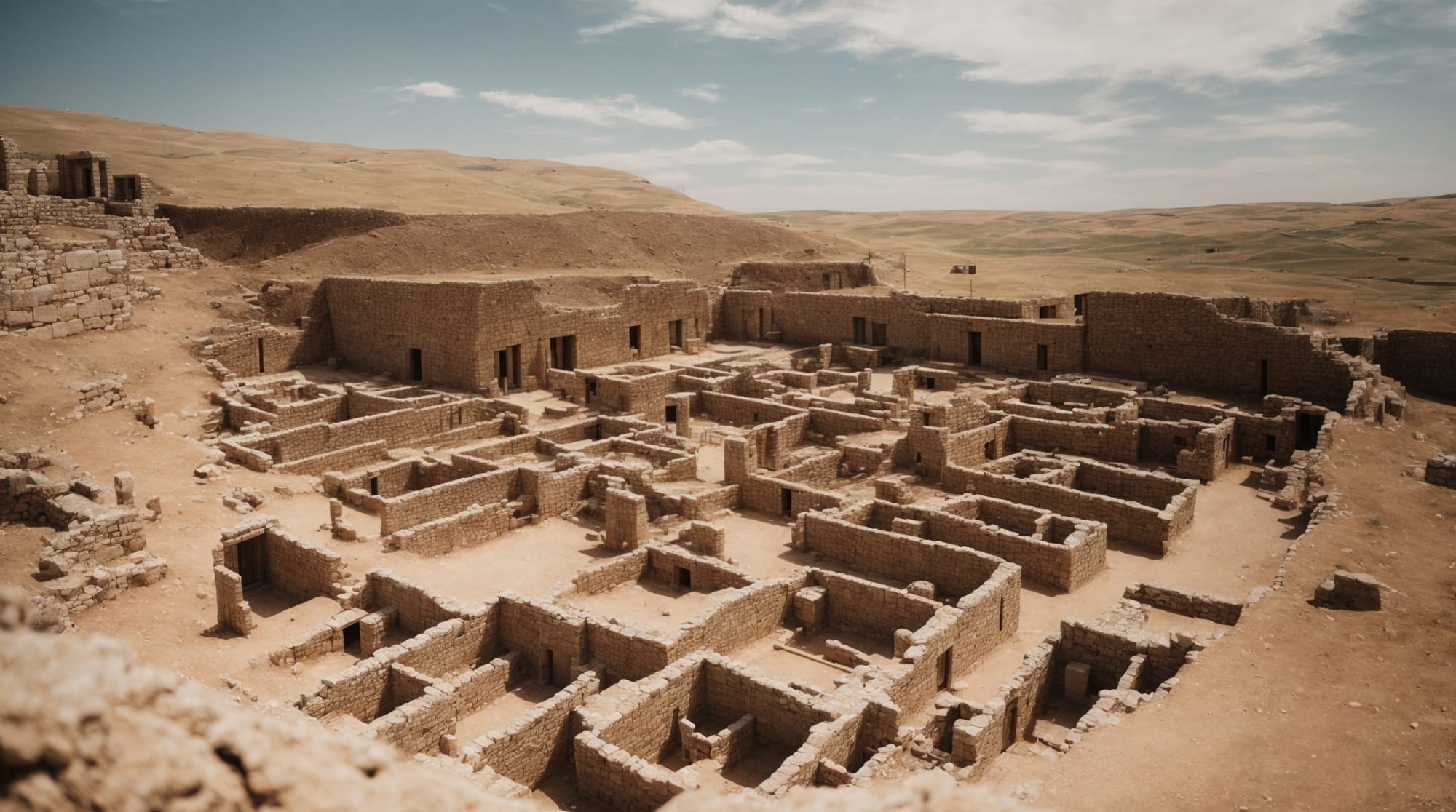
Göbeklitepe has significantly impacted our interpretation of social, technological, and cultural evolution during the Neolithic period. The advanced tool-making, evident from numerous artifacts, and the symbolic meanings encoded in its pillars suggest a cognitive revolution among its builders. These developments weren't isolated and likely stimulated parallel advancements in nearby regions. Such impacts possibly set the stage for the Bronze Age, marking a pivotal era where human society took vast leaps towards modern civilization.