Rediscovering Ancient Engineering at Göbeklitepe
Unveiling the Architectural Wonders
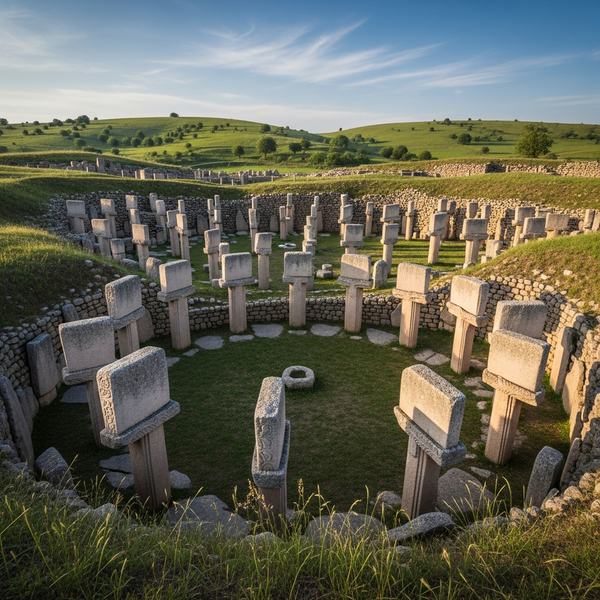
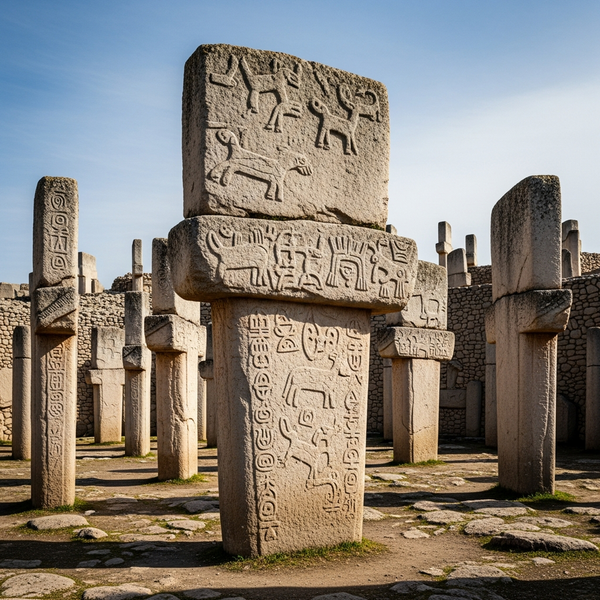
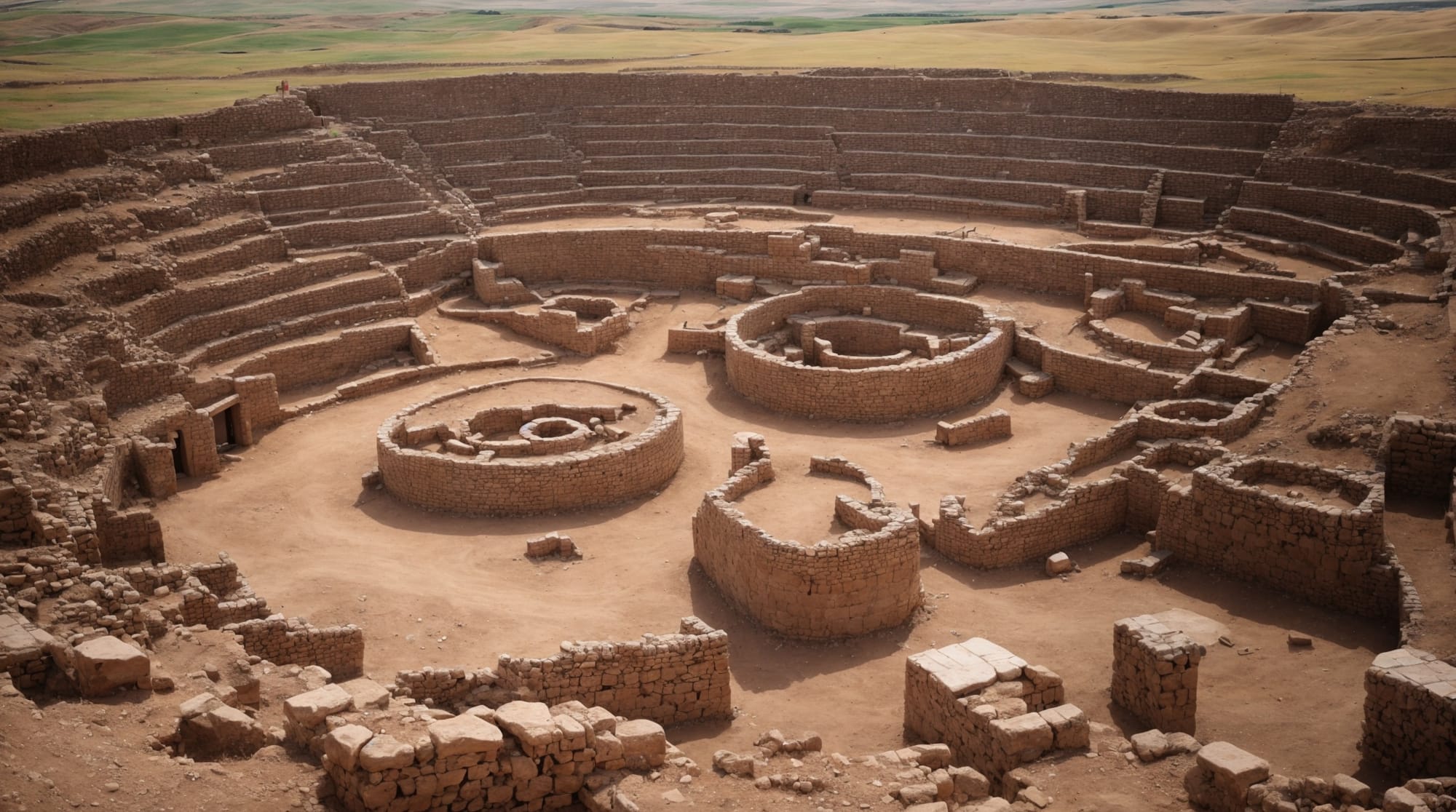
Göbeklitepe in southeastern Turkey stands as a monumental site that predates Stonehenge by over 6,000 years, offering a unique window into early human civilization's prowess in architectural design and community planning. This site showcases an array of circular and oval-shaped structures, strategically positioned T-shaped pillars that indicate a sophisticated understanding of stonemasonry and geometry unparalleled in Neolithic times. The purposeful arrangement of these pillars suggests a form of proto-writing or symbolic communication through their intricately carved reliefs depicting wild animals, celestial bodies, and abstract symbols.
Analyzing Construction Techniques
The builders of Göbeklitepe employed tools and techniques that were significantly advanced for their time, highlighting an evolution in Neolithic craftsmanship and problem-solving skills. Researchers believe the site's constructors used flint tools to meticulously carve the limestone pillars, a process that would have required not only physical strength but also considerable precision and forethought. The arrangement of stones suggests a well-planned approach to construction, likely involving community-wide efforts and possibly early forms of project management and labor division.
Exploring Prehistoric Engineering Insights
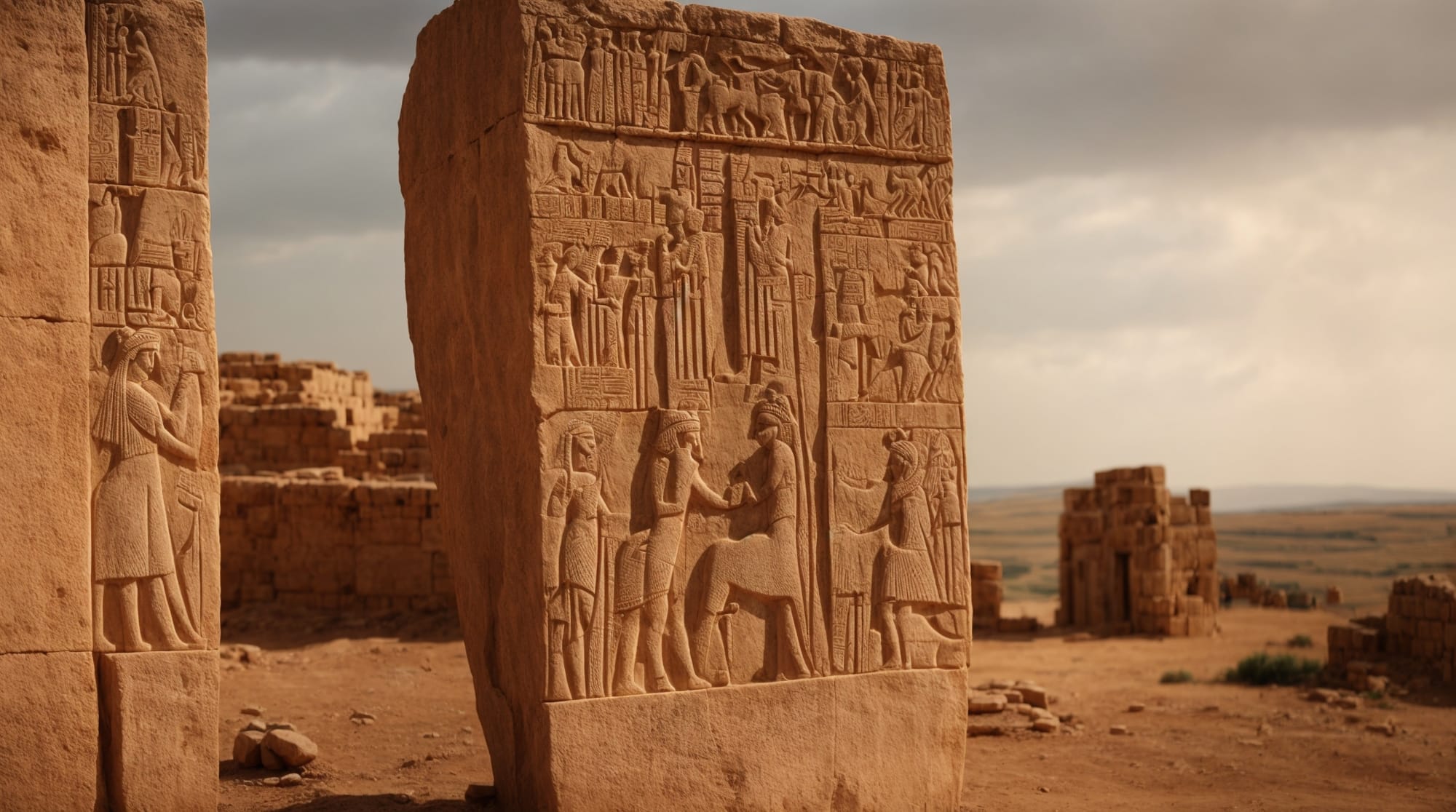
Göbeklitepe's design reveals a deep understanding of structural engineering, suggesting that these early builders grasped important principles like load distribution and the creation of communal spaces that could withstand the rigors of time and nature. This knowledge was critical in the erection of massive stone pillars, some of which weigh over 10 tonnes. Such feats indicate not only an advanced technical capability but also a significant degree of social organization, with implications for the social and religious life of the community.
The Legacy of Göbeklitepe's Innovations
The architectural and engineering innovations at Göbeklitepe have left a lasting impact on archaeological theories about the capabilities and societal structures of pre-agricultural communities. The site challenges previous assumptions that complex societal structures only arose after the advent of agriculture, suggesting instead that such communities could organize large-scale projects and express spiritual or communal concepts through monumental architecture. This insight not only enriches our understanding of Neolithic humans but also underscores the complexity and variability in human social evolution.