Revealing the Legacy of Göbeklitepe's Prehistoric Culture
Unearthing Göbeklitepe's Foundations
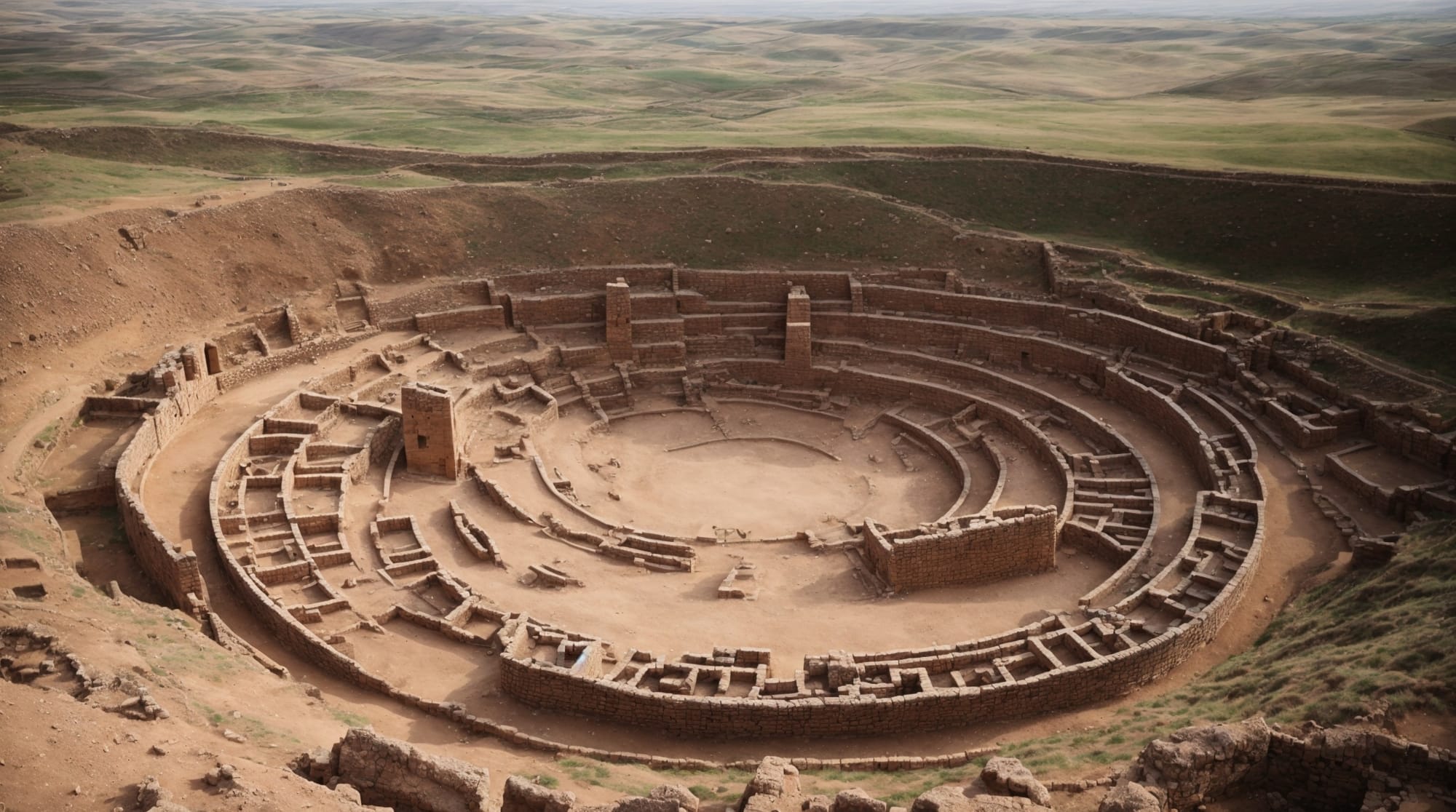
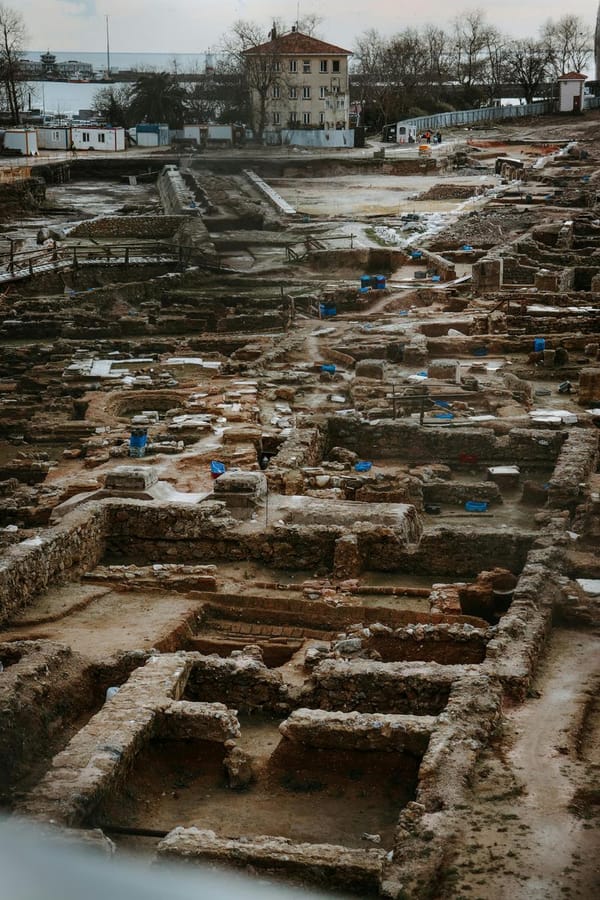
Göbeklitepe, often recognized as the world's oldest temple, presents a fascinating window into early human society. Located in southeastern Turkey, this stunning archaeological site dates back over 11,000 years, challenging conventional understanding of the Neolithic era. Prior to its discovery, experts believed that organized religious structures were created after the advent of agriculture and settlement. However, Göbeklitepe's complex temples and sophisticated carvings suggest that religious practices could have inspired these societal developments, rather than the other way around.
The Cultural Impact of Göbeklitepe
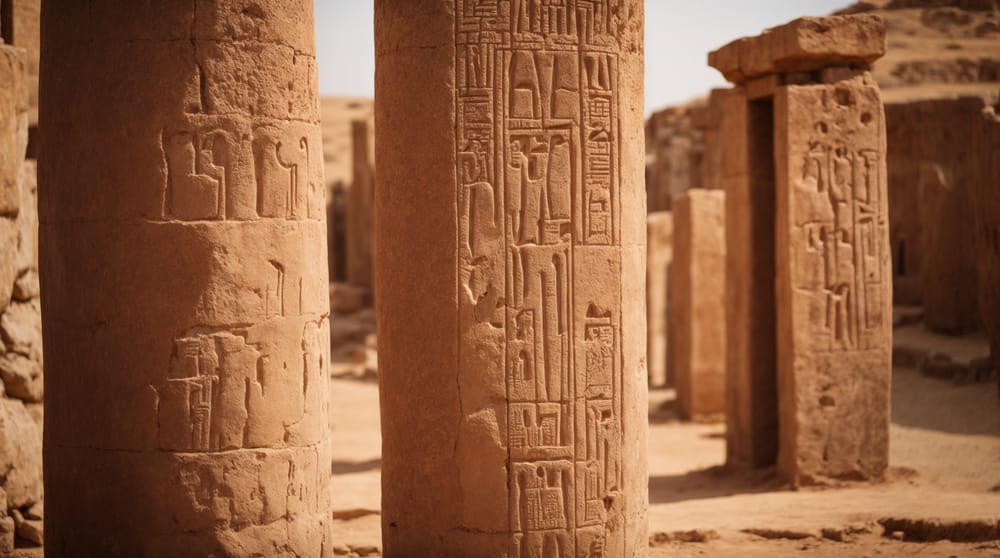
The structures and artifacts found at Göbeklitepe provide significant insights into the spiritual and social lives of its builders. The site consists of several circular and oval-shaped structures with large T-shaped pillars, elaborately adorned with depictions of animals and abstract symbols. These carvings not only reflect the artistic expression of the era but also a deep-seated symbolic world that underscores the importance of rituals and communal gatherings. The discovery of Göbeklitepe has prompted historians and archaeologists to reconsider the narrative of human development, highlighting the role of spiritual belief in fostering communal structures.
Architectural Marvels at Göbeklitepe
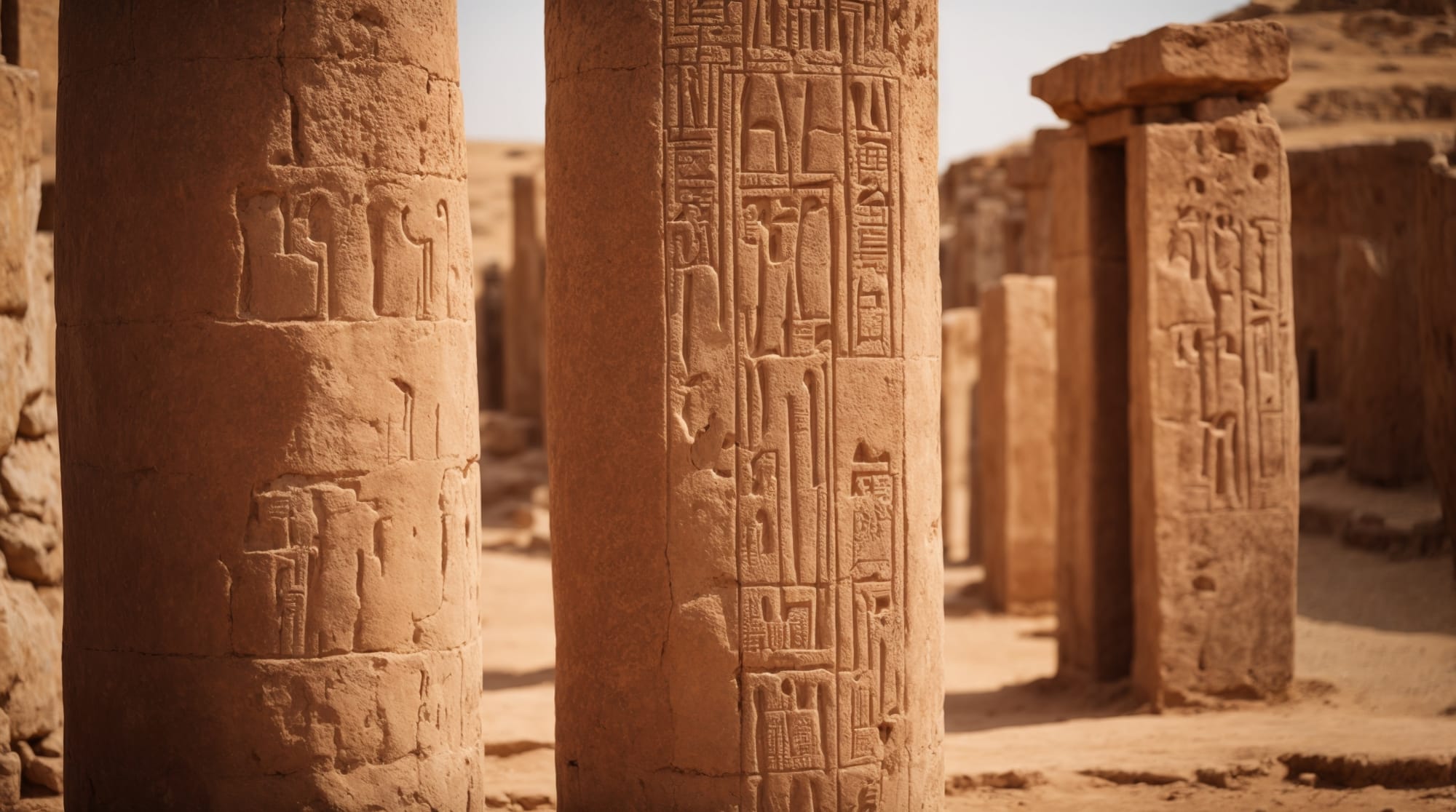
The architectural prowess evident at Göbeklitepe raises questions about the technological capabilities of early humans. The precision and scale of the megalithic structures demonstrate an advanced understanding of stonework and organization, far beyond what would typically be expected from a hunter-gatherer society. This hints at the existence of a cooperative community with specialized roles, sophisticated social structures, and perhaps even early forms of governance or leadership, reshaping our perceptions of societal development in the Neolithic era.