The Enigma of Göbeklitepe: Unveiling Its Ancient Secrets
Discovering Göbeklitepe: The World's Oldest Temple
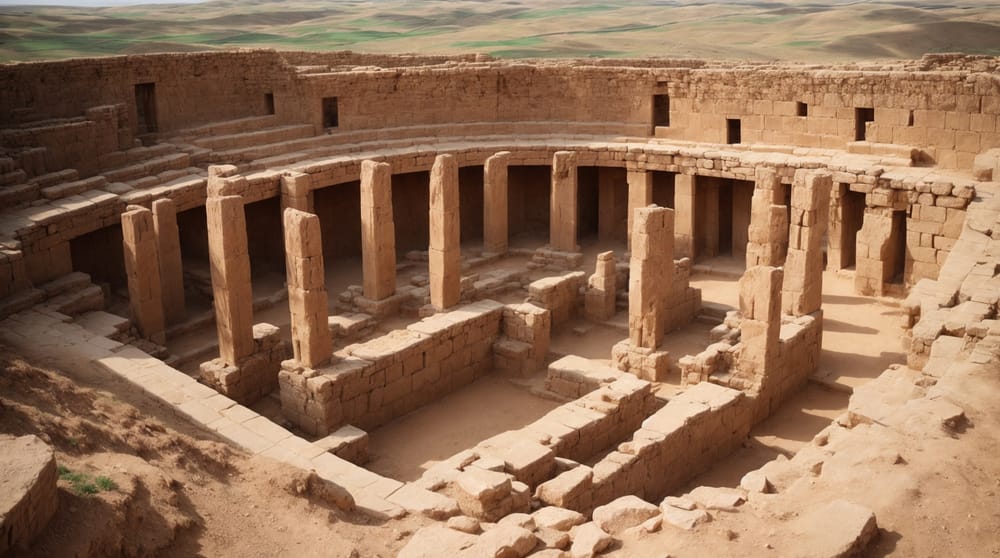
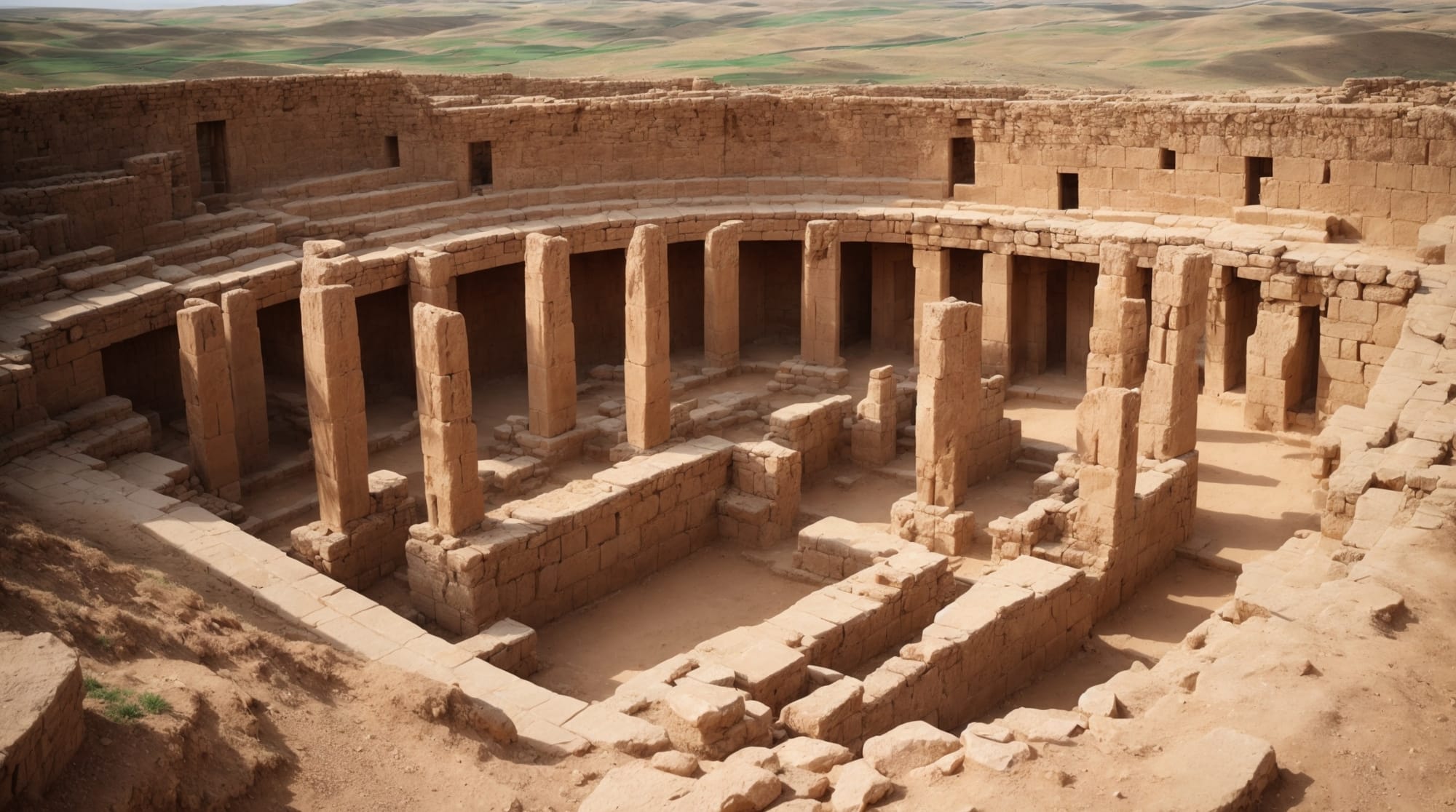
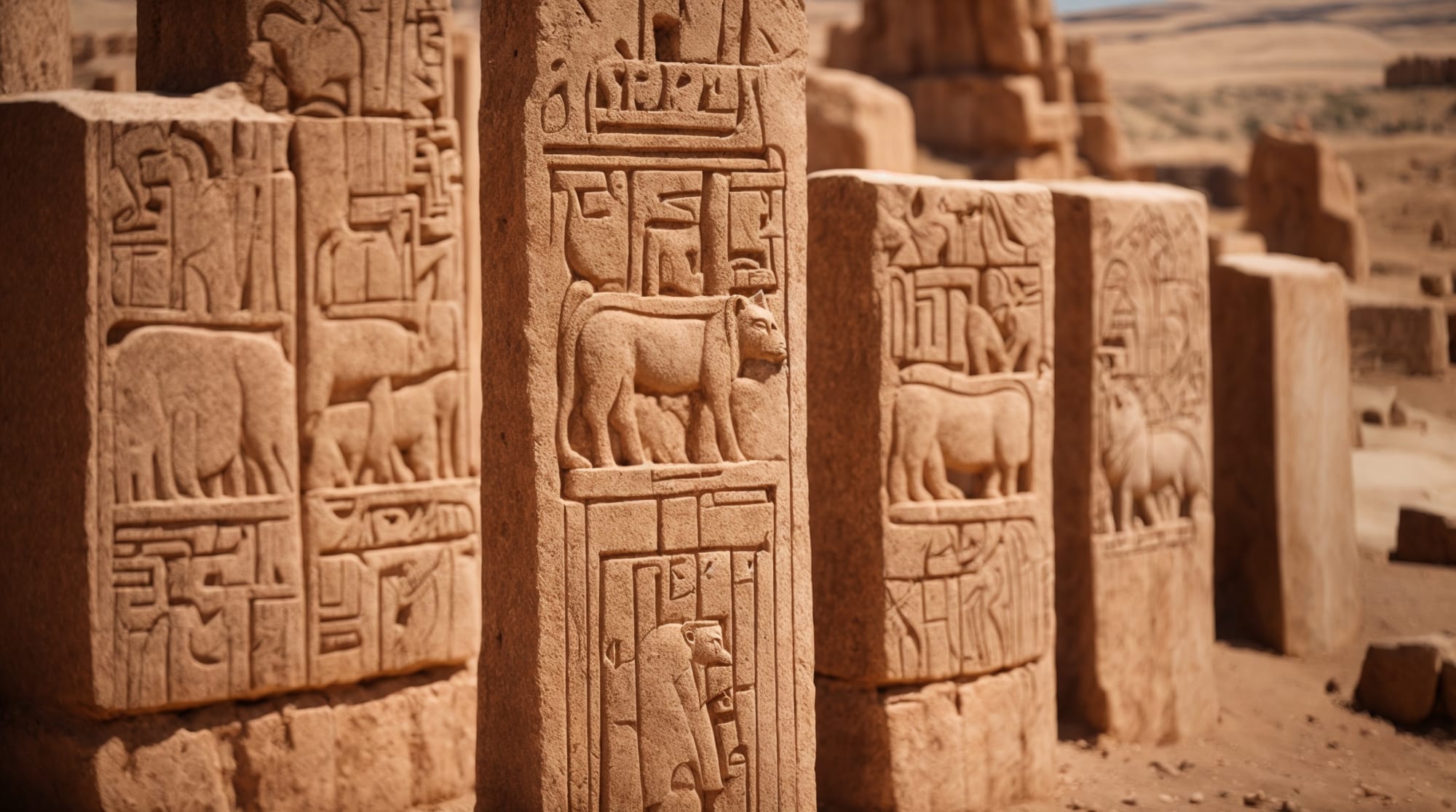
Nestled on a remote hilltop in southeastern Turkey, Göbeklitepe is recognized as one of the most significant archaeological discoveries of our time. Dated to be around 12,000 years old, it predates Stonehenge and the Egyptian pyramids, challenging previous theories about the timeline of human societal development. The site consists of multiple circular and oval-shaped structures, with large T-shaped pillars that are intricately carved with wild animals and abstract symbols.
Theories Behind the Purpose of Göbeklitepe
The purpose behind Göbeklitepe remains as mysterious as its creators. Some scholars suggest it served as a religious temple, possibly one of the first to ever exist. Others believe it might have been a social or ritualistic meeting place which strengthened community bonds among prehistoric people. The alignment of its pillars with celestial bodies also suggests that it could have functioned as an observatory or a calendar.
Implications for Our Understanding of Ancient Civilizations
Göbeklitepe not only pushes back the date of the inception of monumental architecture but also suggests that hunter-gatherer societies were far more complex than previously thought. It raises significant questions about the nature of religion, societal structure, and human development during the Neolithic period. One could argue that such sites rewrite historical narratives, promoting a new appreciation of ancient ingenuity and spirituality.
Visiting Göbeklitepe Today: A Journey Back in Time
For those interested in experiencing Göbeklitepe firsthand, the site offers a unique glimpse into the distant past. Tourists can walk among the ancient pillars and view the elaborate carvings up close, providing a tangible connection to a world 12,000 years removed from our own. It is not only a journey back in time but also an inspiration to learn more about humanity's ancient, mysterious heritage.