The Enigmatic Stones of Göbeklitepe: Unveiling Ancient Mysteries
Göbeklitepe: A Prehistoric Marvel
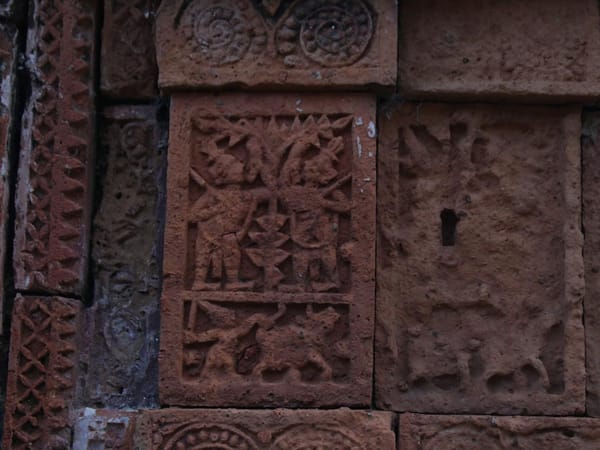
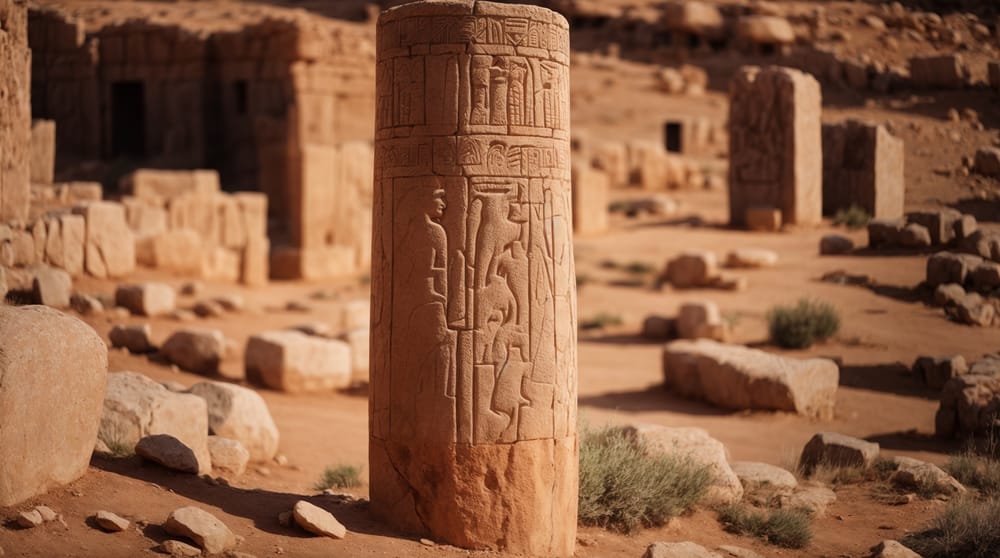
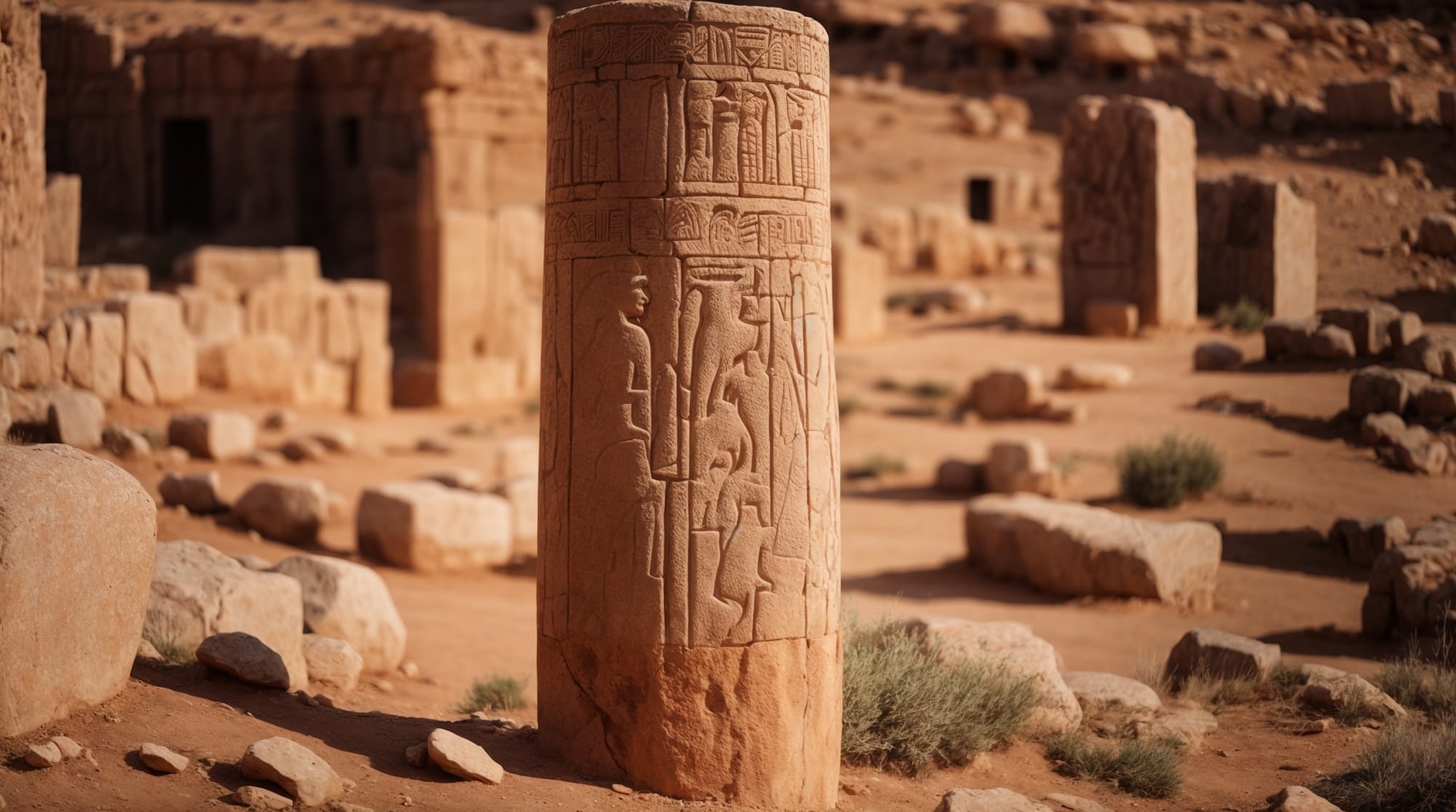
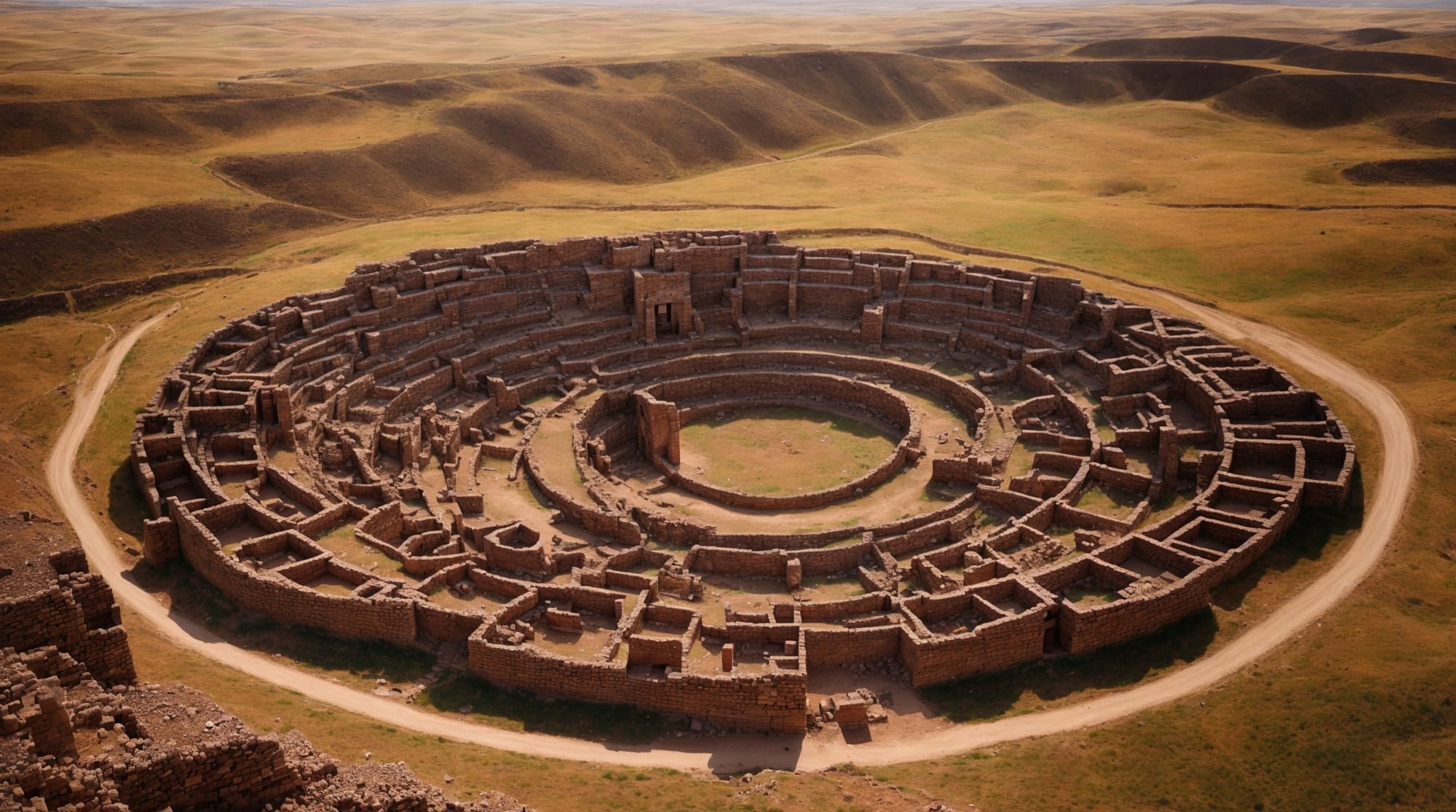
Nestled in the southeastern region of Turkey, Göbeklitepe is an archaeological wonder that continues to baffle historians and archaeologists alike. Discovered in 1963, it predates Stonehenge by some 6,000 years, making it the oldest temple site in the world. The site comprises multiple circles of tall, T-shaped stone pillars, each intricately carved with reliefs of animals and abstract symbols that tell tales of a time long forgotten.
Deciphering the Stones: Theories & Interpretations
The purpose and origins of Göbeklitepe remain shrouded in mystery. Some theorists speculate that the site was used for religious rituals, possibly relating to burial rites or astrological events. The alignment of the pillars suggests astronomical significance, pointing to key events like solstices or equinoxes. Each pillar's detailed carvings provide insights into the cosmology and religious practices of the people who built them, believed to be among the earliest agrarian societies.
Preservation and Future Research
The preservation of Göbeklitepe presents a significant challenge yet opens new avenues for research. With each excavation season, artifacts and findings contribute to a better understanding of Neolithic life. The Turkish government, along with international heritage organizations, continue to develop conservation strategies to ensure Göbeklitepe’s mysteries are not only preserved but also further unraveled.