Tracing the Astrological Knowledge at Gobekli Tepe
Astronomical Significance of Gobekli Tepe
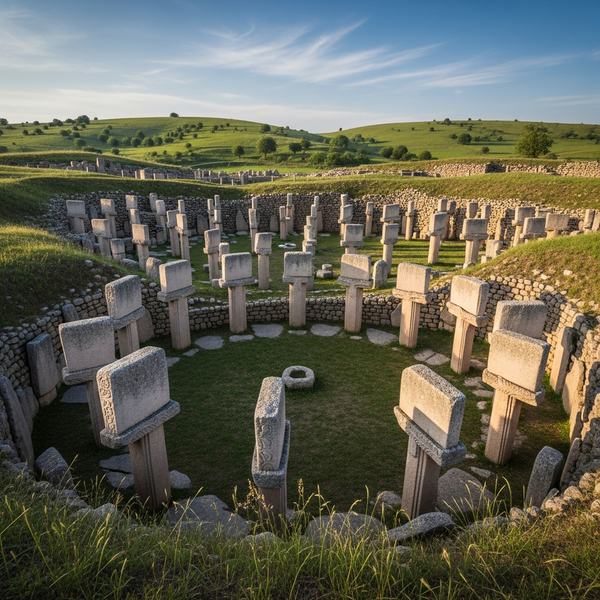
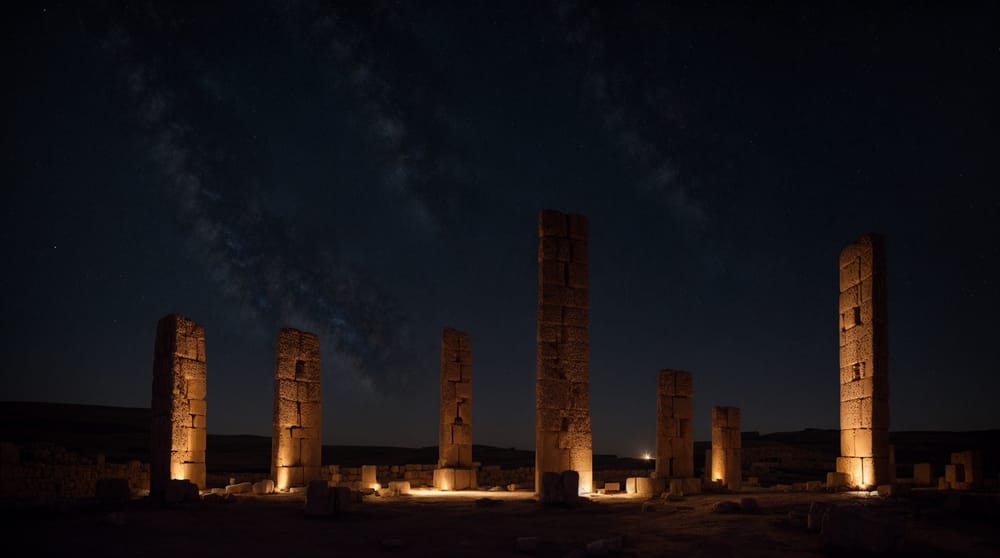
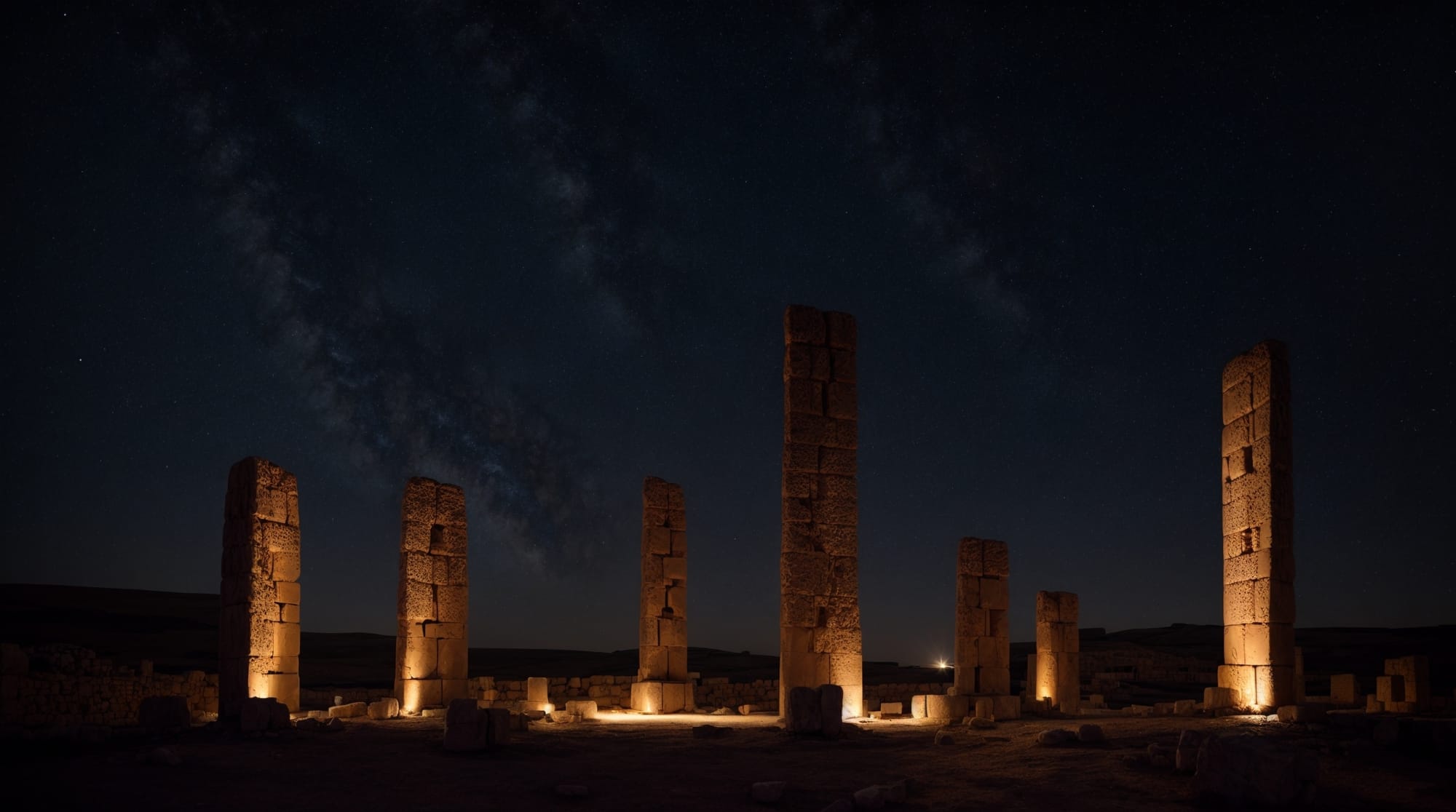
Göbeklitepe, often regarded as the world’s first temple, stands not just as a testament to early spiritual beliefs but also possibly as a monumental astronomical tool. Located in modern-day Turkey, this site features circular and rectangular megalithic enclosures marked by massive stone pillars carved with a variety of animal motifs. The layout and orientation of these stones suggest they were carefully positioned to track celestial events. Archaeologists have been piecing together the puzzle of how these structures align with solstices, equinoxes, and even specific constellations, fostering a theory that observes these megaliths could serve more than a religious purpose - they could be marking significant celestial events critical for agricultural and time-keeping practices among early Neolithic communities.
Decoding the Symbols Carved in Stone
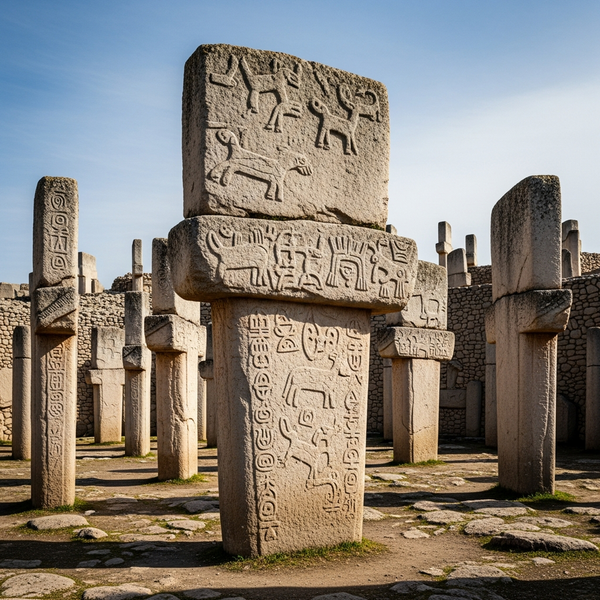
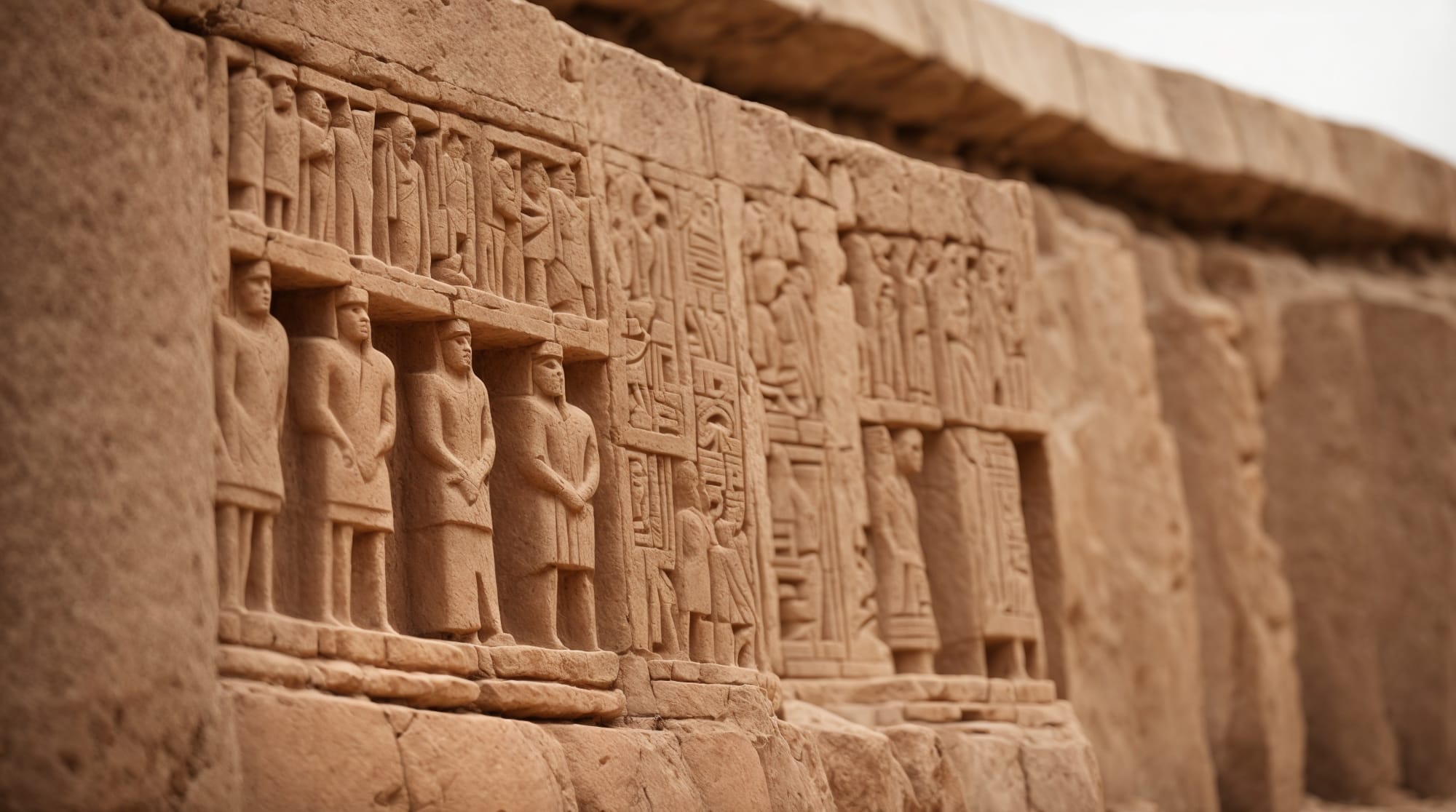
The carvings and reliefs on these monolithic stones are not merely decorative; they are believed to hold deeper cosmological meanings. Symbols resembling astronomical objects such as the sun, moon, and stars might indicate Göbeklitepe’s role in the observation of the skies. Detailed analyses of these carvings reveal that they might have been used as teaching or storytelling tools, potentially explaining the movements of celestial bodies and their impact on seasonal cycles. The discovery of these patterns provides insights into the sophisticated knowledge of astronomy possessed by these prehistoric builders and their attempts to integrate this understanding into their daily and spiritual lives.
Implications for Agricultural Development
The alignment of Göbeklitepe’s structures with celestial events likely played a crucial role in agricultural planning. By marking solstices and equinoxes, these early agrarians could define the best times for sowing seeds and harvesting crops. This would have been invaluable in a time when agricultural technology was in its infancy and survival depended heavily on optimizing food production cycles. The site's orientation might have functioned as a calendar or almanac, a concept echoed in many other ancient civilizations across the world.