Tracing the Footsteps of Civilization at Göbeklitepe
Unearthing the Past The Beginnings of Göbeklitepe
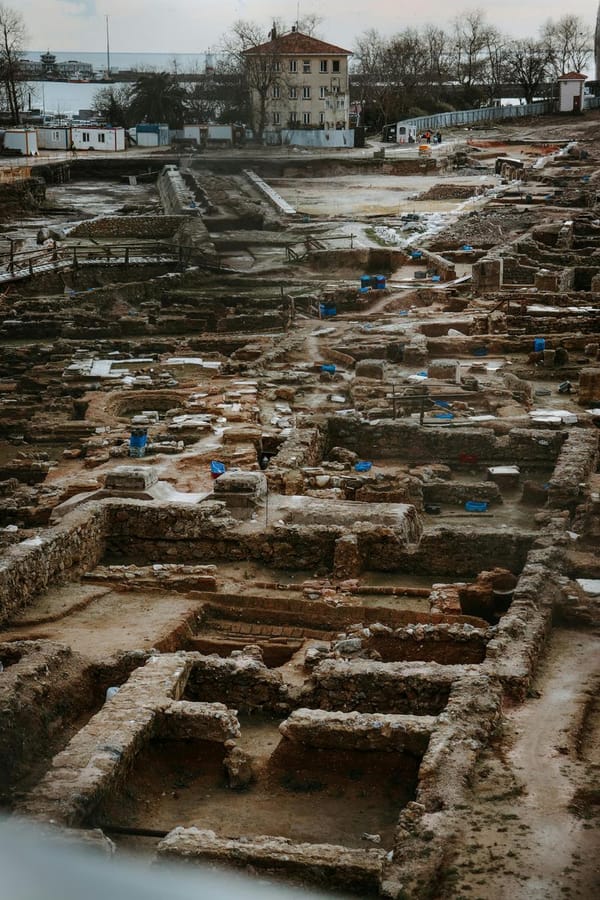
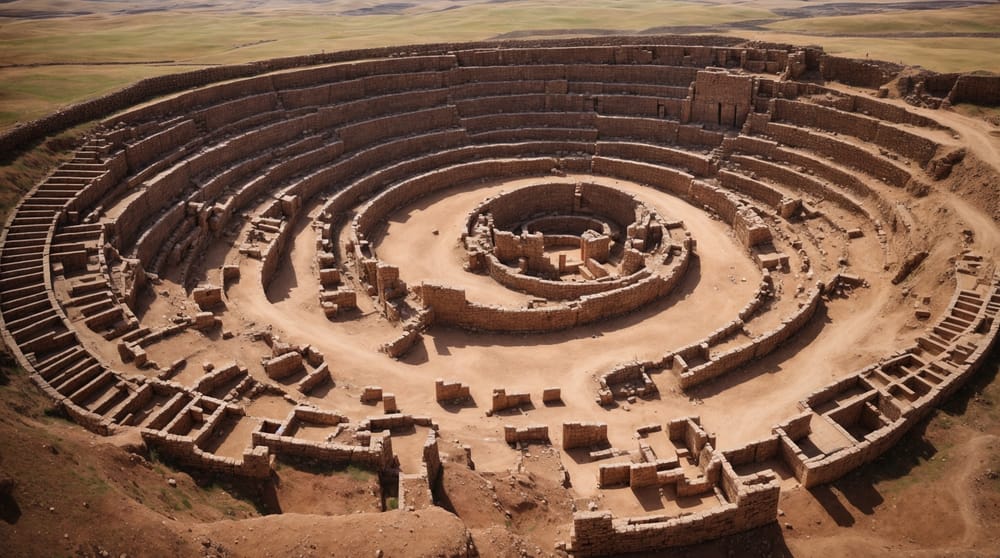
Situated in the southeastern part of Anatolia, Göbeklitepe stands as a monument to human ingenuity at the dawn of civilization. Discovered in 1963 and excavated systematically since 1995, the site offers profound insights into the Neolithic way of life. This archaeological marvel features massive stone pillars, each elaborately carved with intricate animal motifs and abstract symbols, providing evidence of sophisticated societal structures long before the commonly accepted timeline of urban development.
Deciphering the Symbols A Linguistic Perspective
The carvings at Göbeklitepe are not merely decorative; they are believed to hold linguistic significance that could provide clues to the cognitive and cultural evolution of early humans. Researchers suggest that these symbols might have been used for communication, ritual purposes, or as a form of proto-writing, which predates any known writing systems by millennia. The ability to encode and transmit complex ideas through carvings marks a significant leap in human cognitive capabilities.

The Architectural Genius Behind Megalithic Structures
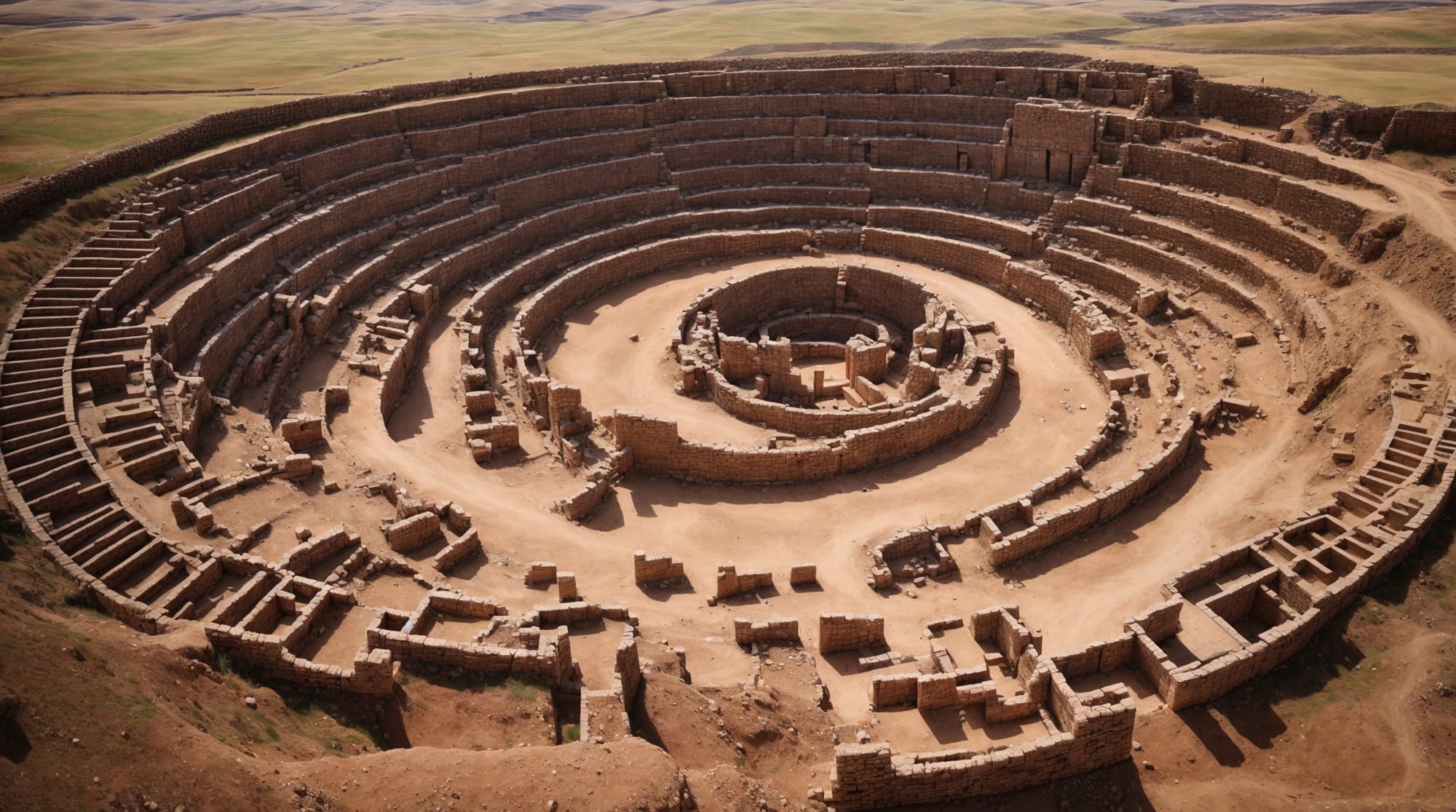
The architectural sophistication of Göbeklitepe is evident in its megalithic structures, which predate Stonehenge by over 6,000 years. Each T-shaped pillar weighs up to 20 tons and stands up to 20 feet high, indicating advanced understanding of stonework and engineering. This accomplishment required not only technical skill but also a coordinated effort, suggesting the existence of organized social structures capable of planning and executing large-scale projects.
Cultural Impact and Legacy Preserving Ancient Wisdom
Göbeklitepe's influence extends beyond its architectural and linguistic contributions. It is a testament to the spiritual and communal life of its creators, reflecting a complex belief system that prioritizes communal efforts and spiritual undertakings. As such, Göbeklitepe not only provides insights into prehistoric life but also offers valuable lessons about the sustainability and ecological balance practiced by ancient societies which could guide current and future generations.