Unearthing Ancient Technologies at Gobeklitepe and Their Modern Significance
The Beginnings of Gobeklitepe and Its Significance in Human History
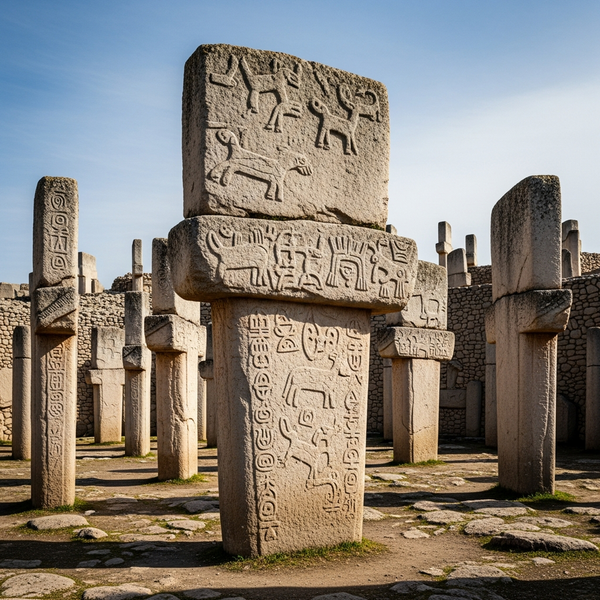
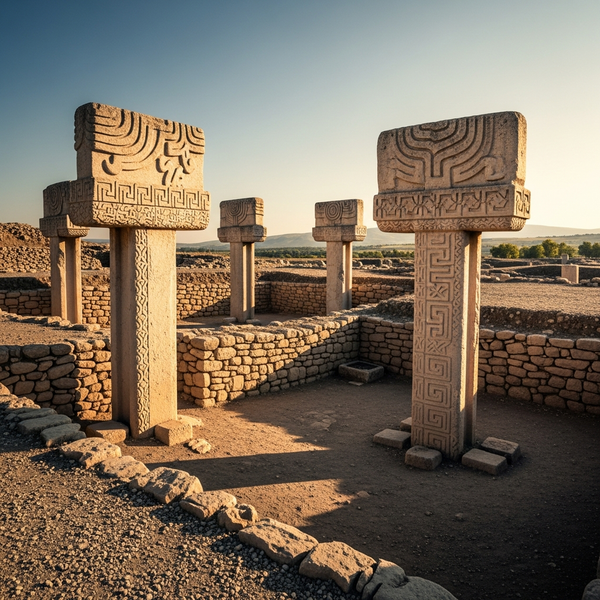
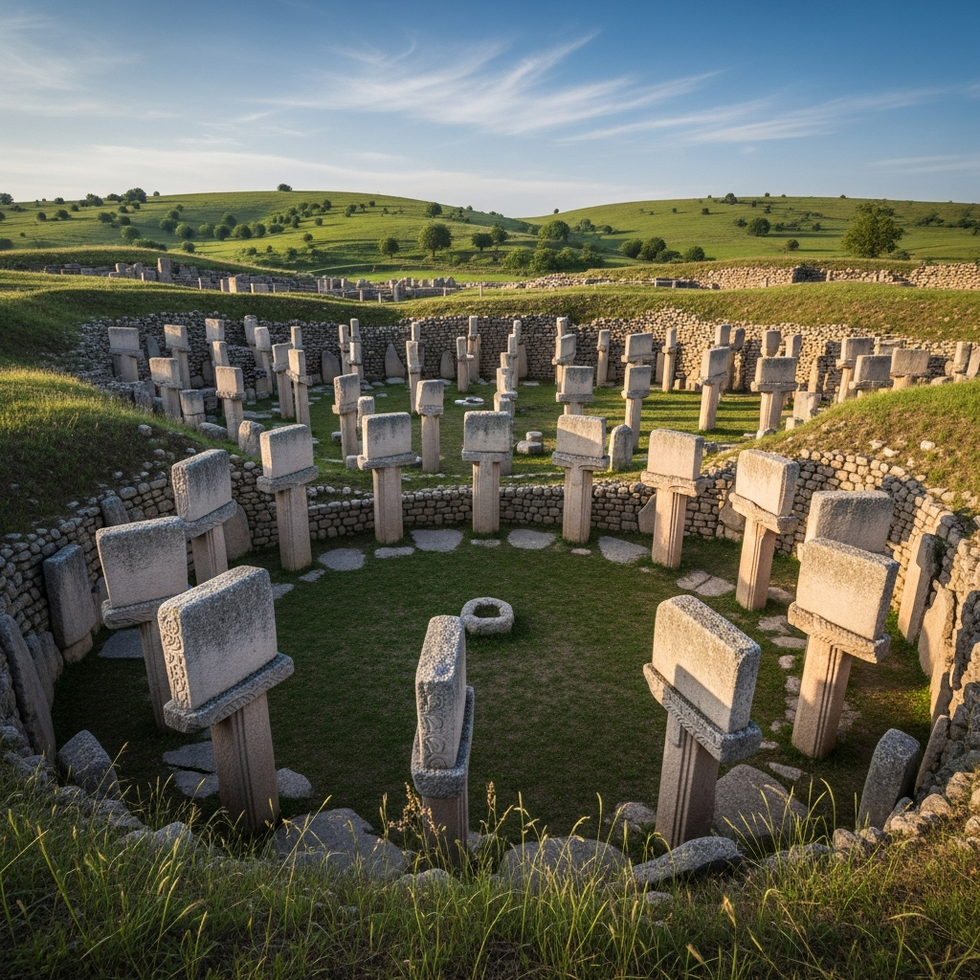
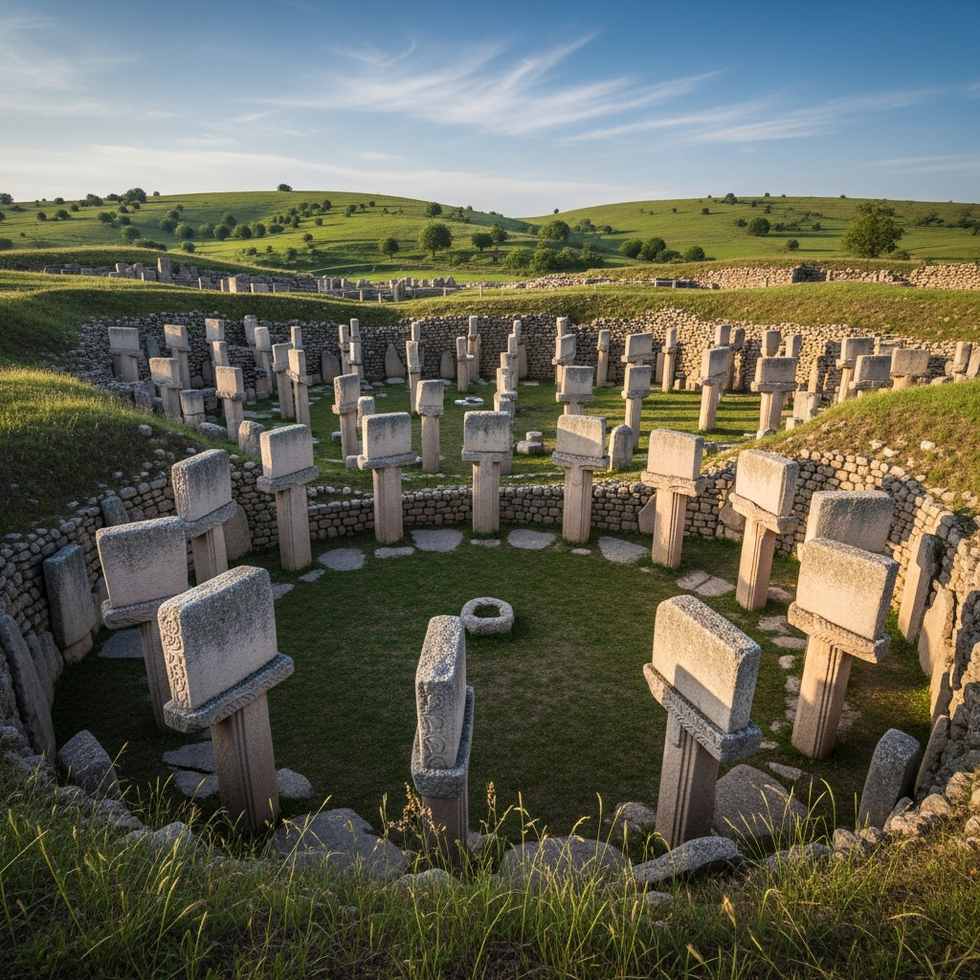
A place before Stonehenge - more than six thousand years old - holds large stone carvings along with detailed drawings that speak of ancient faiths and group life. Rising from the ground in southern Turkey, Gobeklitepe shocked experts as a key archaeological find in recent times. Its date, roughly 9600 BCE, marks when people first shaped complex communities, showing skills far beyond what was assumed. Though hidden for so long, its presence now reshapes how we see early human history. Fascination grows stronger at Gobeklitepe when you see how ancient builders leaned heavily on smart technology, no metals needed. Most think those old hands couldn’t shape grand things without iron tools, yet proof shows otherwise - people long ago knew clever ways to plan, measure, build, draw. Stone figures stand in circles here here, shaped like T’s, carved with sharp images of beasts and strange patterns. That mix of precision and imagination hints at deep thought behind the designs, far beyond survival mode. What stands out most is how Gobeklitepe changes what we think about prehistoric communities. Instead of seeing only hunters and gatherers, we notice advanced societies. These groups built large structures along with meaningful symbols. Looking closer into such facts widens knowledge of early humans. It also raises questions about ancient capabilities. Given their basic tools, their achievements become even more surprising.
Reconstruction of Ancient Technologies and the Architectural Ingenuity of Gobeklitepe
What happens at Gobeklitepe still surprises experts today. Huge stones, more than 5.5 meters tall, stand there - each weighed like a house made of stone, moved from far away, placed just right. No wheels helped move them. No iron tools shaped the rock. Yet here they are, standing straight after all those centuries. How did people do that? From what we see, first people made basic things - stone knives, maybe rough machines using pull strings or weight shifts. Shapes carved into rock show they noticed how things appear three-dimensional, suggesting skill beyond just chipping. A few who study this think the constructors used ideas about measurement and space, stuff now common in construction but strange back then. What stands out is how tech advances at Gobeklitepe show ancient people had skill in crafting and building far beyond what many assume. Looking closely at how things were made reveals creativity and adaptability shaped large structures long before modern times. This shifts view on where innovation really began, challenging old ideas about slow change over centuries.
Symbolism and Artistic Innovation in the Context of Early Human Societies
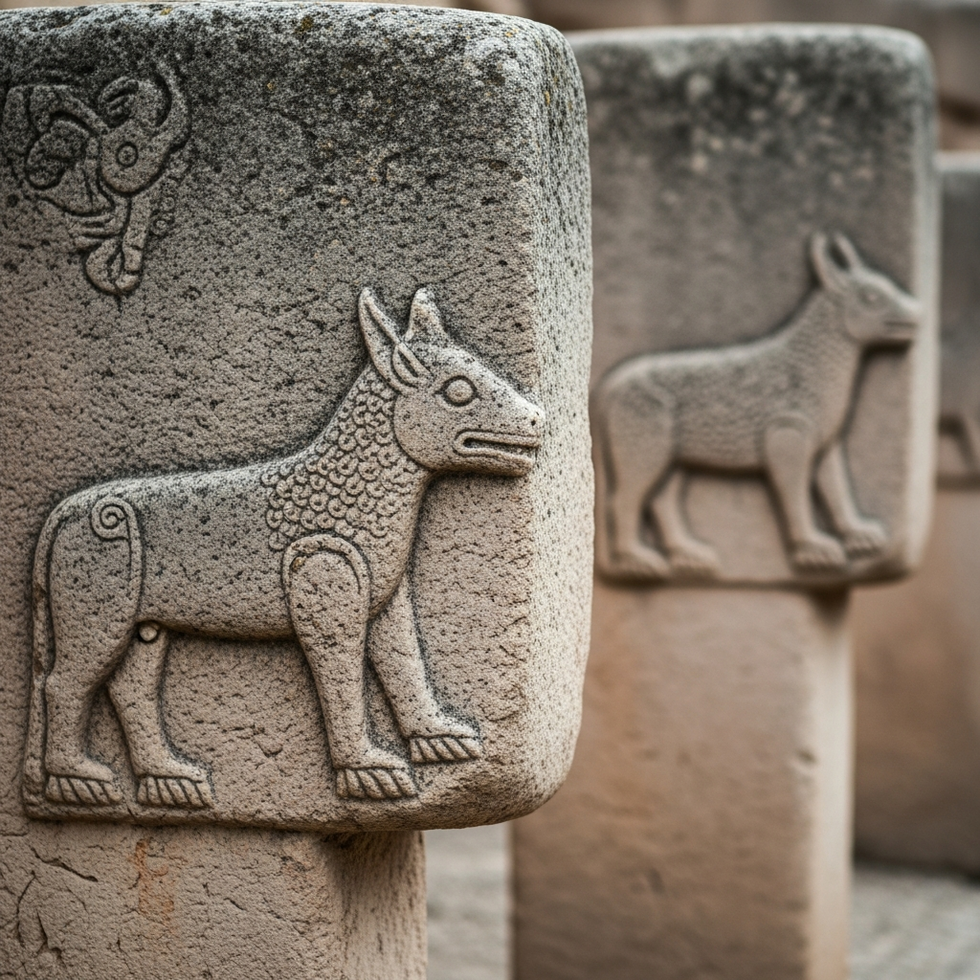
Beyond the architecture, Gobeklitepe reveals ancient artistry through fine animal carvings - foxes, snakes, lions - carved into stone. Not just pretty designs, these images likely carried weight, speaking beyond sight alone. The sharpness, the care poured into each mark, point to skilled hands shaping tools long ago. Evidence of focused expertise hides in every precise line. These symbols might point to beliefs tied to spirituality or ancient rituals. Art served more than just self-expression back then - it pulled people together while speaking beyond words. Without scripts or records, paintings and carvings carried stories long after voices faded. What stands out is how these images shaped thought in early communities. The bold style seen at Gobeklitepe marks a turning point - not in history itself but in where minds began building new ideas. Seeing those first creative successes changes how we see ancient communities - they had layered thoughts and strong problem-solving skills. The location stirs up fresh questions about why our distant ancestors tied art deeply into their inventions, faiths, and group life.