Unearthing the Secrets of Göbeklitepe's Monumental Structures
The Groundbreaking Discovery of Göbeklitepe
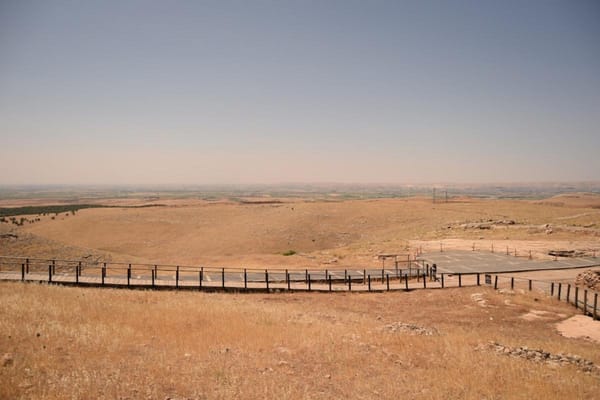
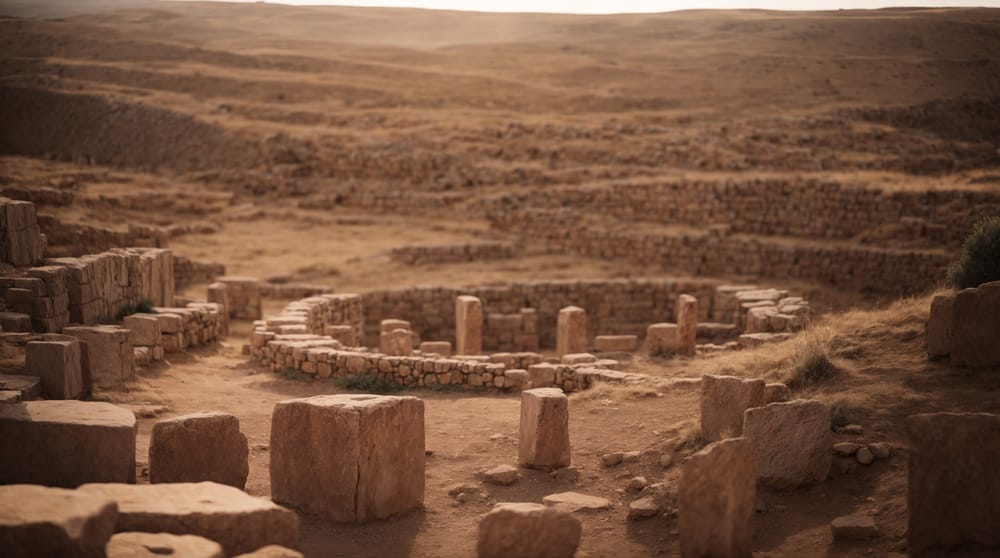
Located in southeastern Turkey, Göbeklitepe has changed the way we understand the dawn of civilization. Prior to its discovery, it was widely believed that the advent of agriculture prompted humans to build temples and settle in communities. However, Göbeklitepe presents evidence that monumental building efforts predated the agricultural revolution. This site, dated to be over 11,000 years old, consists of massive carved stones crafted and arranged by prehistoric people who had not yet developed metal tools or pottery.
Architectural Innovations at Göbeklitepe
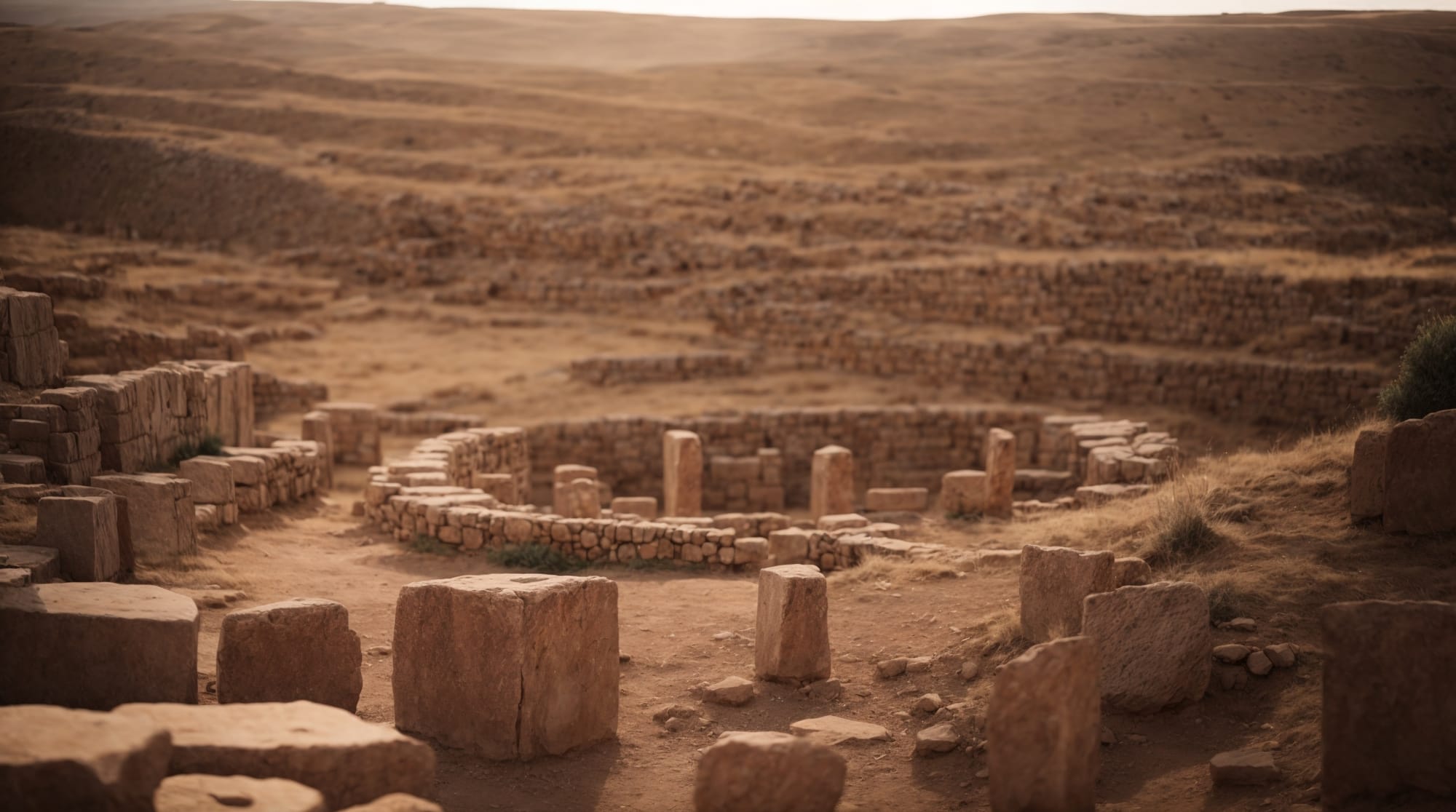
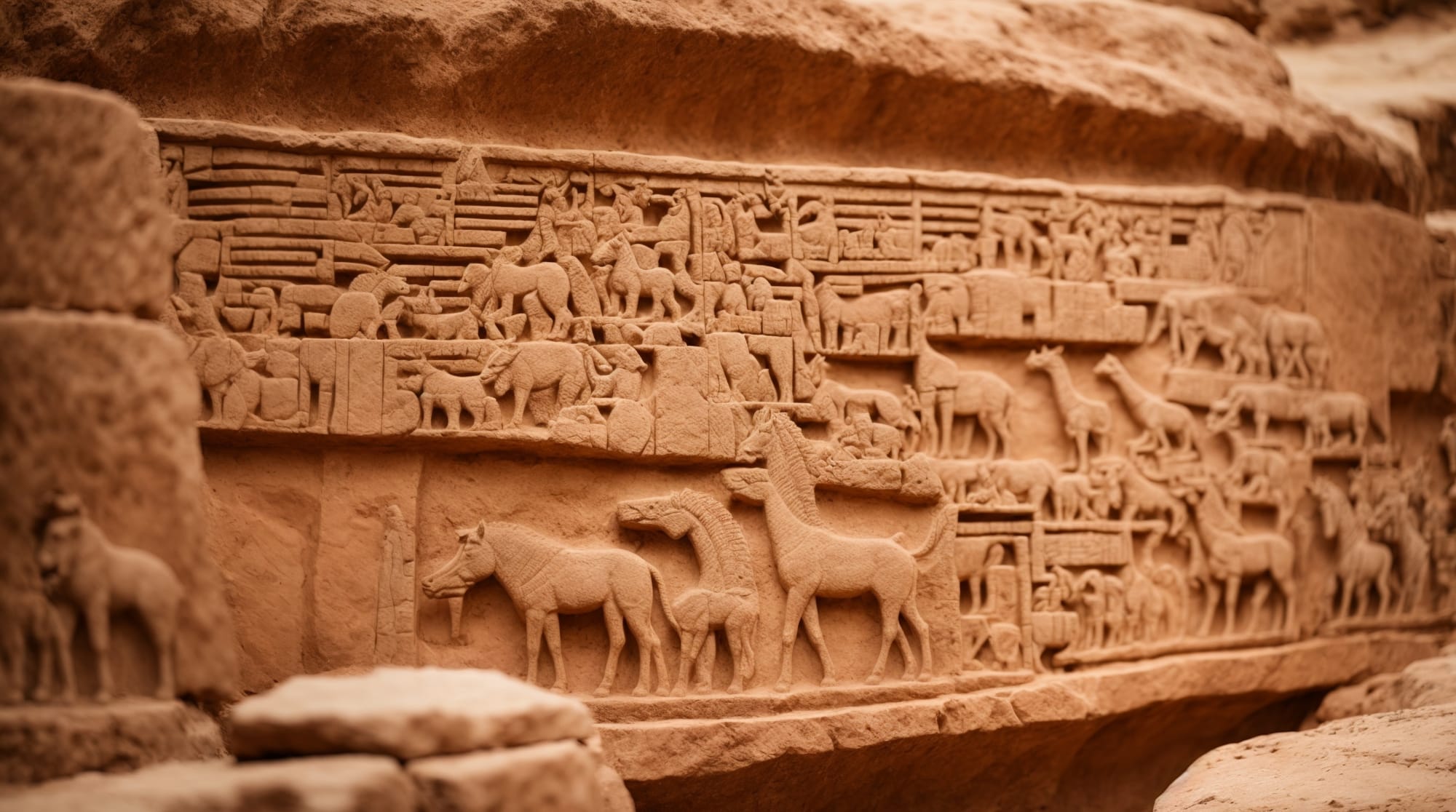
The architectural sophistication of Göbeklitepe is astonishing, featuring large circular and rectangular structures interconnected by walls. These buildings are adorned with intricate reliefs and statues depicting dangerous animals and abstract symbols. The precision of craftsmanship highlights an advanced understanding of geometry and spatial organization, challenging our perceptions of prehistoric societies. The communal effort required to construct such edifices implies a complex social structure and possibly the existence of a coordinated leadership or religious hierarchy.
Cultural and Religious Significance of Göbeklitepe
The site's religious significance is highlighted by the presence of T-shaped pillars, some reaching over 5 meters in height and weighing several tons. These pillars are thought to represent ancient deities or ancestors, serving as a focal point for rituals and gatherings. The discovery of various animal bones and a lack of residential structures suggests that Göbeklitepe might have been a pilgrimage site or a ceremonial center, rather than a settlement. This aligns with the theory that organized religious practices might have played a crucial role in the development of early human societies.
Implications for the Neolithic Revolution
The implications of Göbeklitepe's findings extend beyond mere architectural feats and offer insights into the Neolithic revolution. The site provides evidence of a societal shift from nomadic hunter-gatherers to settled communities that would eventually lead to the development of agriculture. This transition, spurred not just by the need for food, but also by the cultural and religious developments seen at Göbeklitepe, underscores the complexity of early human societies and their capacity for communal innovation and spiritual expression.