Unearthing the Wonders of Gobeklitepe and Its Revolutionary Ancient Technologies
The Enigmatic Origin of Gobeklitepe and Its Technological Marvels
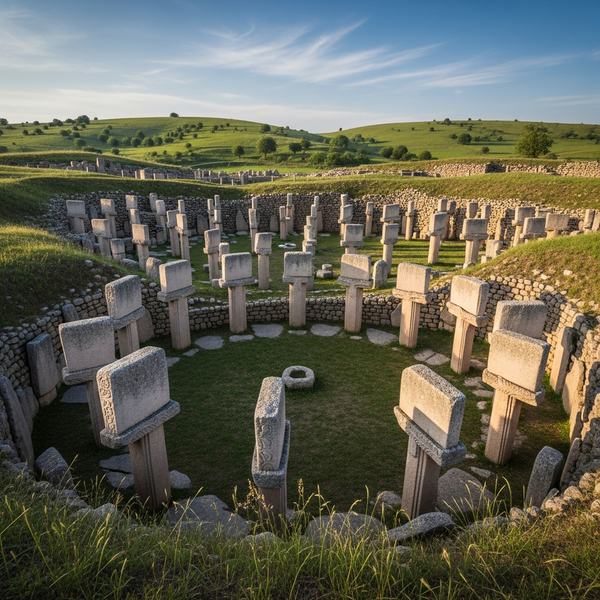
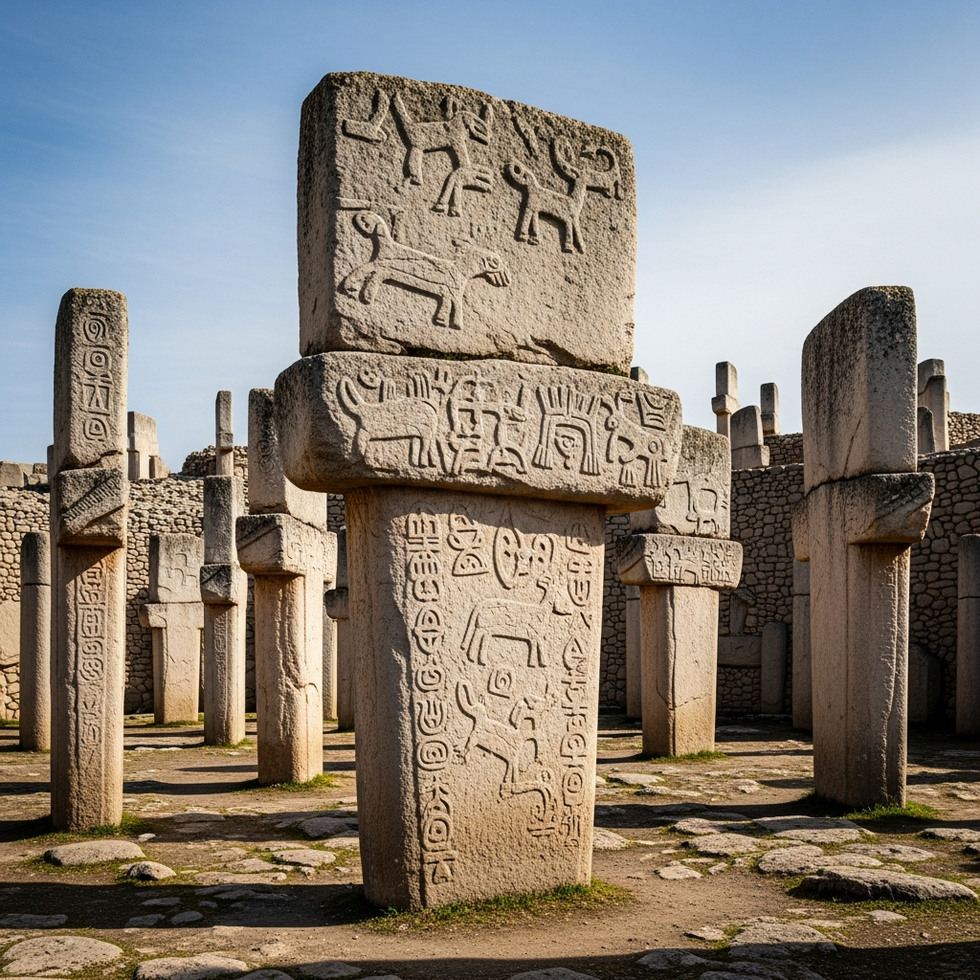
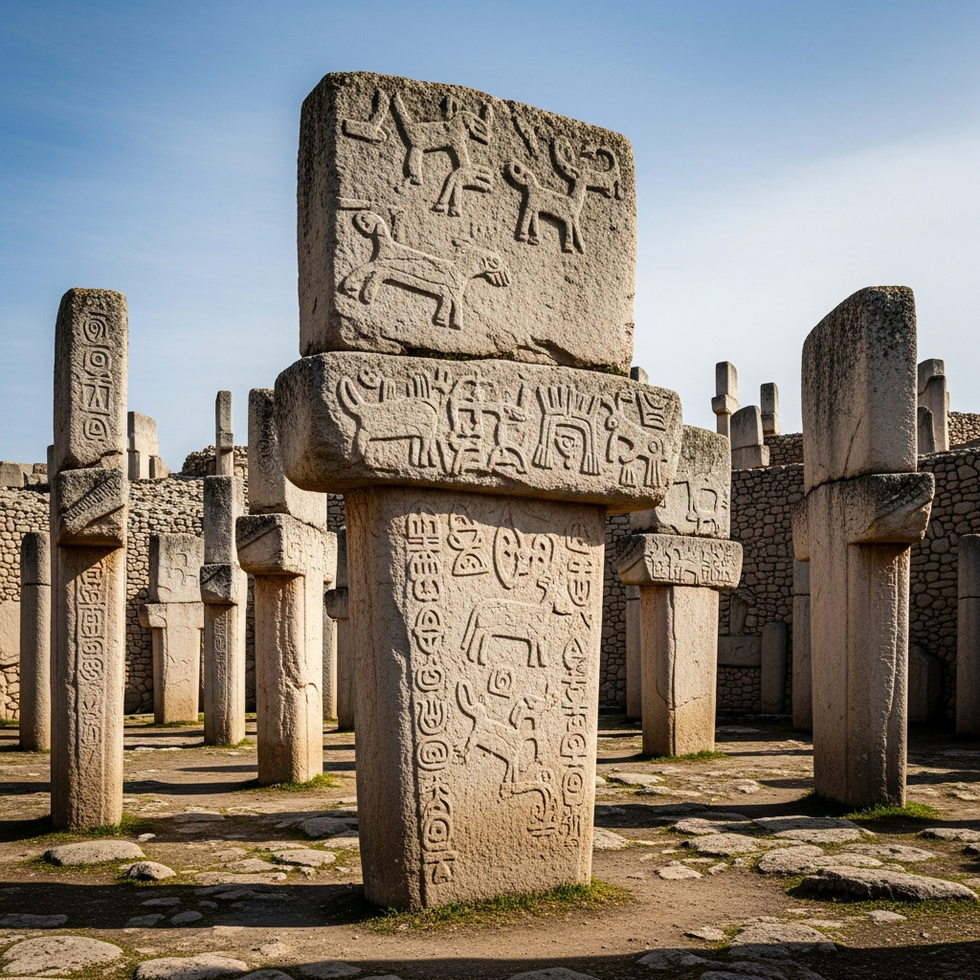
Up on a hill in southern eastern Turkey, Gobeklitepe surprised everyone with its ancient secrets. Back around 9600 BCE, long before people started farming, circles of big stone slabs stood here - not small huts, not fields. This place tells a story different from others, where life seemed planned with care and shared among many. The rocks? Carved in ways that show thought, placed one by one, aligned just right. What it reveals is how advanced human skills had become so early. Not expected, yet clear now through careful digging and study. One thing that draws attention at Gobeklitepe is how it seems built for rituals, not homes, which shakes up old ideas about ancient communities. Building massive stone blocks - up to twenty tons each - demands precision, pointing to a well-structured group with expertise in sourcing, moving, and placing rock monuments. New digging efforts have uncovered finer details about their methods, showing signs they might have fashioned instruments from bone, stone, or even wood, still managing impressive results despite rough beginnings. What stands out is how far back such smart tools take us. Mankind was changing its world long before most assumed possible. At this key archaeological spot, old questions about thinking and community life keep getting new answers. Because of findings here, the whole picture of when humans began building complex technologies feels uncertain now. How progress started in our species might never be fully clear - thanks to what has been uncovered.
Deciphering the Technological Techniques of the Neolithic Builders
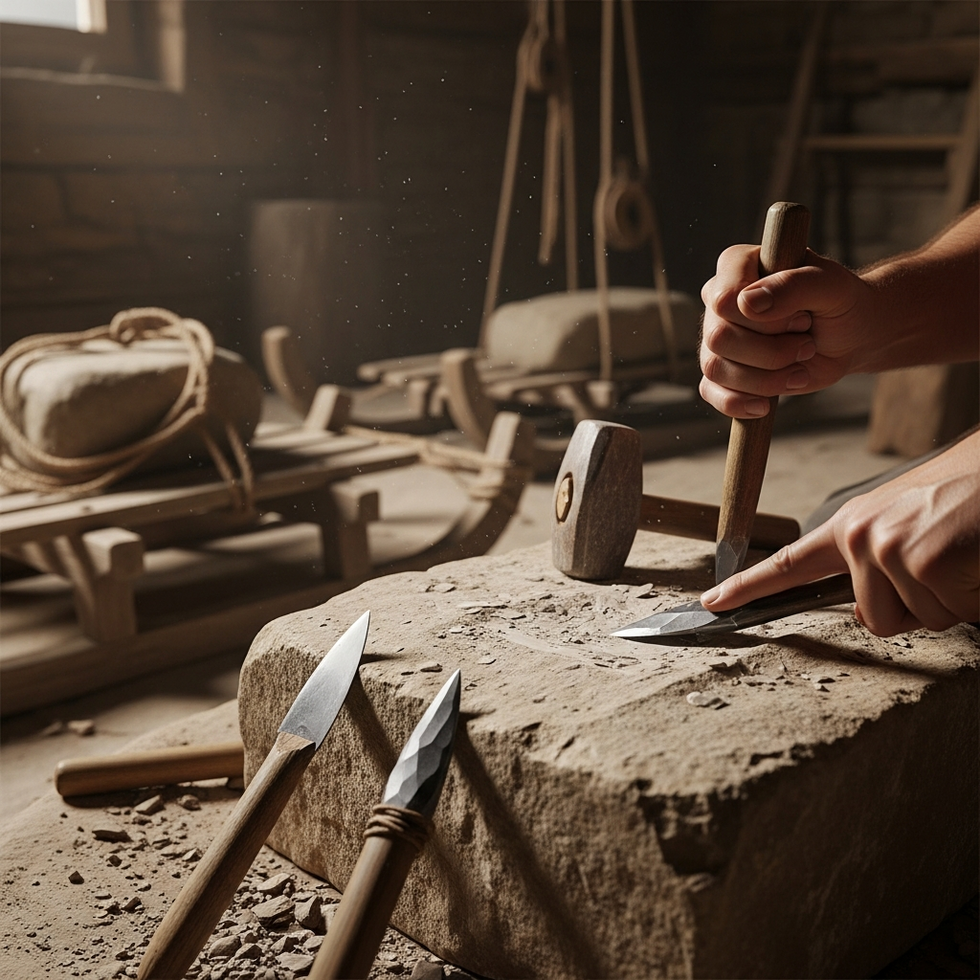
Peering into the past reveals how ancient laborers built Gobeklitepe’s massive structures using primitive methods. Though lacking modern machinery, ancient groups adapted clever approaches to shape, move, and place rock blocks. Studies indicate they chose suitable rock sites first, then shaped stone using blunt force and sand-like abrasives. Tools made to match ancient designs show these processes could refine edges and carve intricate designs. Moving big rocks probably meant using sleds, rolls, people working together in step - showing a clear organization able to bring many hands to task. How carefully the pillar pieces line up tells us they grasped direction, maybe using basic field tools to keep things right. From when and where they built what, you can guess they knew about balance, maybe stacking dirt to tilt stones up high. What we now see begins to show how ancient people built big things using little. At Gobeklitepe, new finds keep revealing tools shaped by clever minds long ago. These constructions weren’t just stone piles - they held meaning beyond function. Because of such work, later advances in building took form across generations. One thing becomes clear: problem-solving gave early communities power. Their effort turned into history, quiet proof of skill buried under time.
Implications of Gobeklitepe for Understanding Early Human Societies
Construction feats aside, tech from Gobeklitepe hints at how ancient people lived - spiritually, socially. A place built for rituals hints at lives shaped by shared meaning, suggesting complex group bonds and clear ways of talking together. Moving heavy stones needed teamwork; that bond might have held crowds united through faith or common cause. What we see here shifts how we think about large communities even before farming or lasting towns existed. The markings on the pillars suggest complex beliefs - maybe honoring dead relatives or seeing spirits in everything - which deepen our understanding. These findings pull us away from old assumptions: that people back then moved constantly, lived simply, left little behind. Yet evidence shows otherwise - evidence of clever tools made alongside growing faiths and organized lives. Today’s archaeological work often reveals stories long buried, showing how early societies grew not just through tools but also belief - Gobeklitepe being a clear example. From small hunting camps arose complex communities, shaped by both practical skill and sacred purpose. What began as simple survival slowly became woven into layered cultures, fueled by curiosity, ritual, and innovation.