Unlocking the Secrets of Göbeklitepe's Megalithic Structures
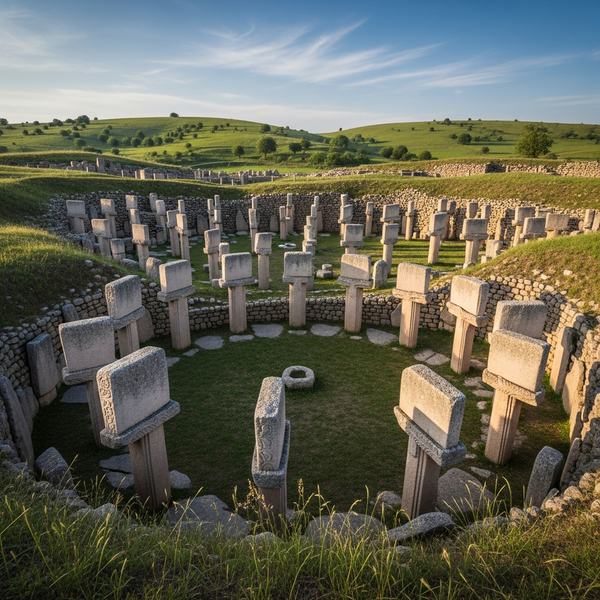
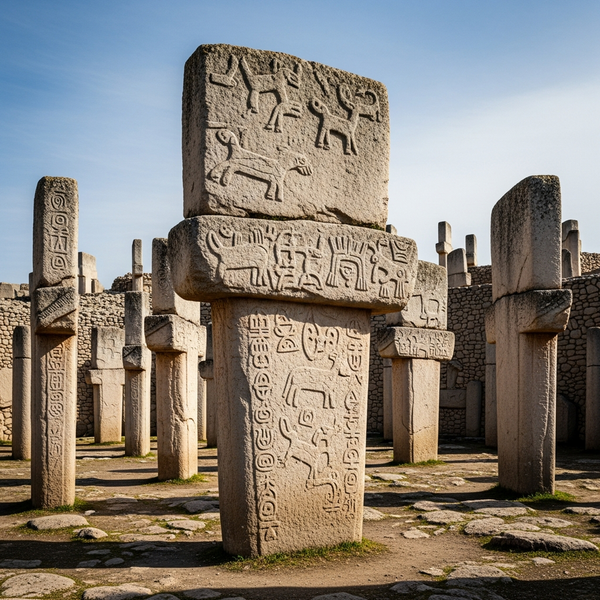
Göbeklitepe in southeastern Turkey, often hailed as ‘The World's First Temple,’ is a site of immense archaeological and historical significance. Its construction dates back to the 10th millennium BCE, making it older than Stonehenge and the Egyptian pyramids. The technological prowess demonstrated by its builders through precision stone carving and layout planning remains one of the enduring mysteries of the ancient world.
Innovative Tools and Techniques
The builders of Göbeklitepe employed tools and construction methods that were revolutionary for their time. The use of flint for carving detailed reliefs on limestone pillars suggests a sophisticated understanding of material properties. Additionally, recent findings indicate the probable use of wooden frameworks to transport the massive megaliths, evidencing an early form of engineering thought that would define later civilizations.
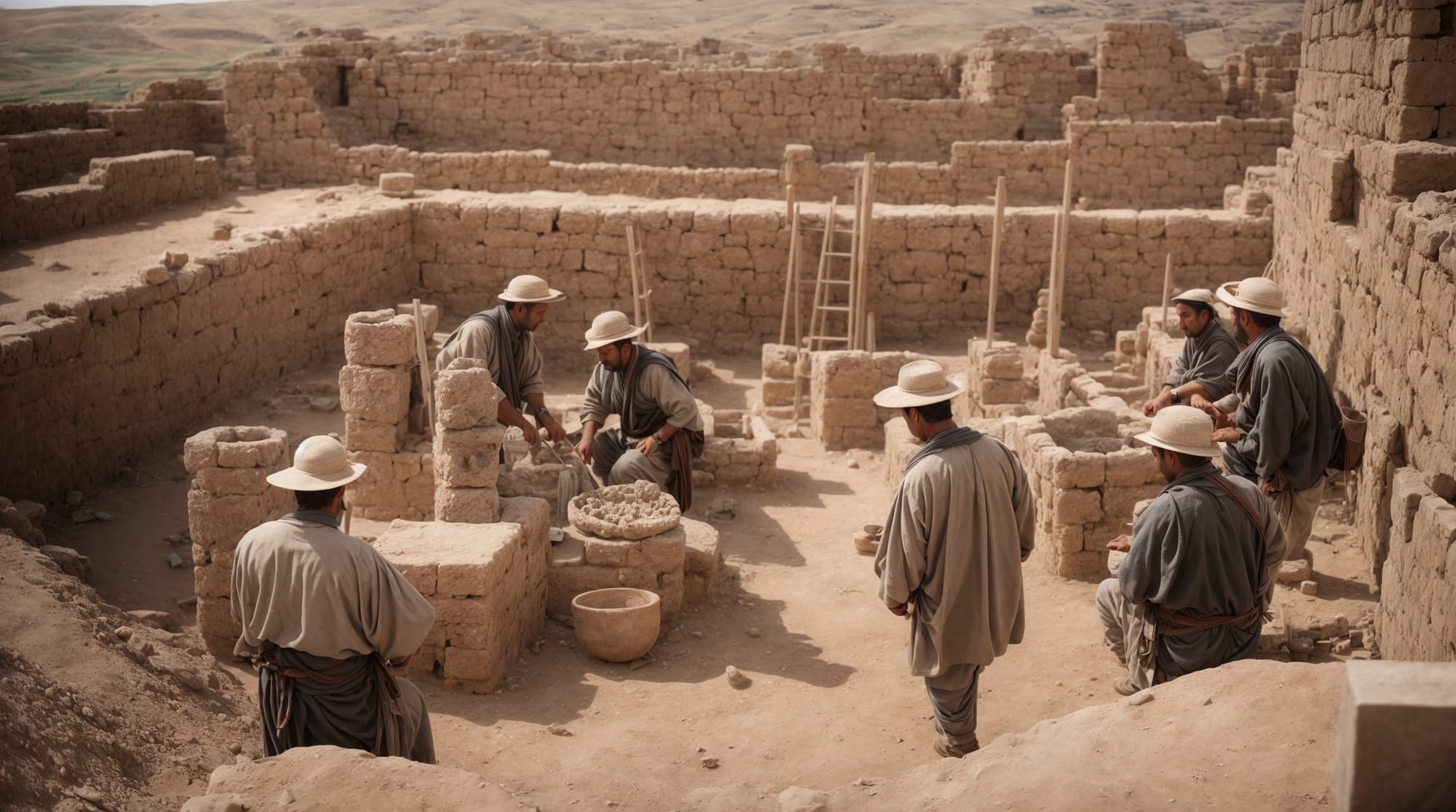
The large-scale coordination required to build Göbeklitepe implies a hierarchical social structure and advanced organization. The ability to mobilize and manage large groups of people, and the communal effort in constructing these temples, provide insights into the social and possibly religious motivations of the time. This degree of coordination underscores the complex societal systems that supported such ambitious projects.