Ancient Monolithic Structures in Turkey Redefine Early Ritual and Cultural Connectivity
Unveiling New Dimensions of Early Human Monumental Architecture in Turkey
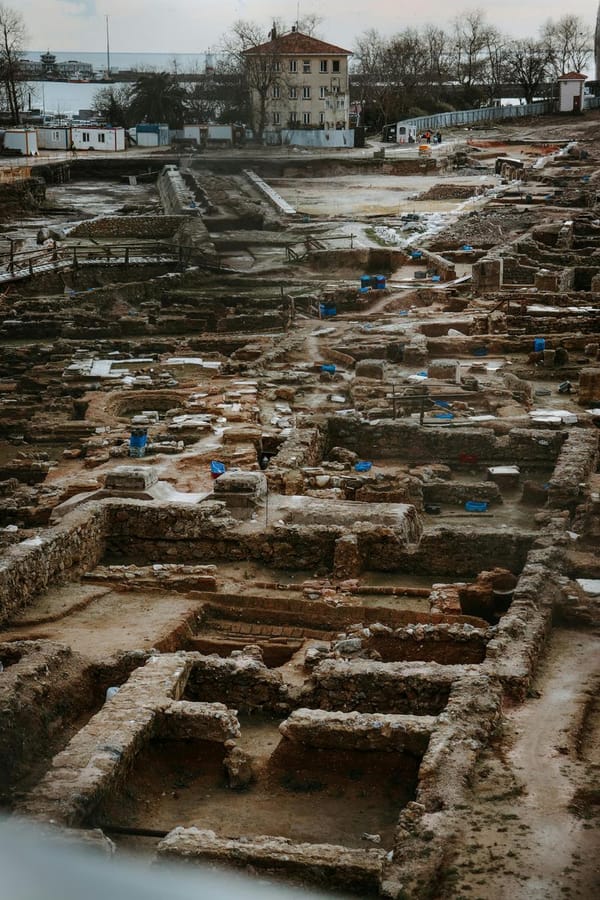
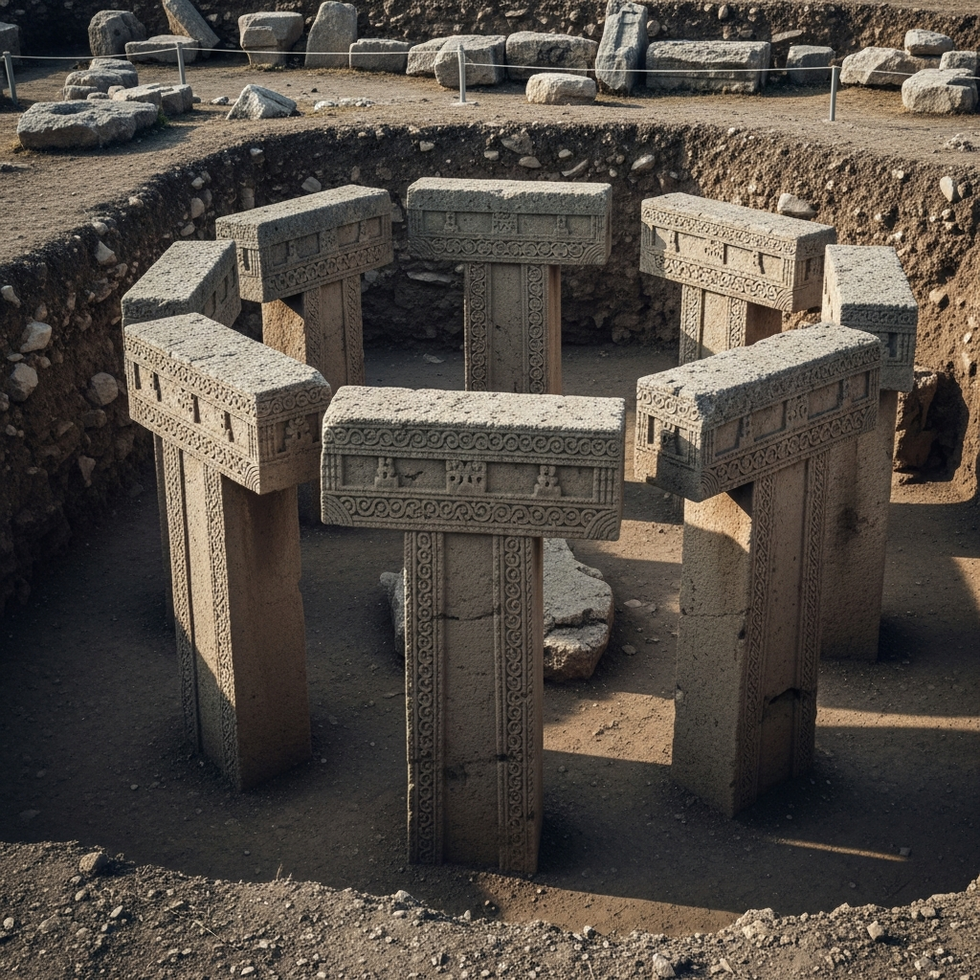
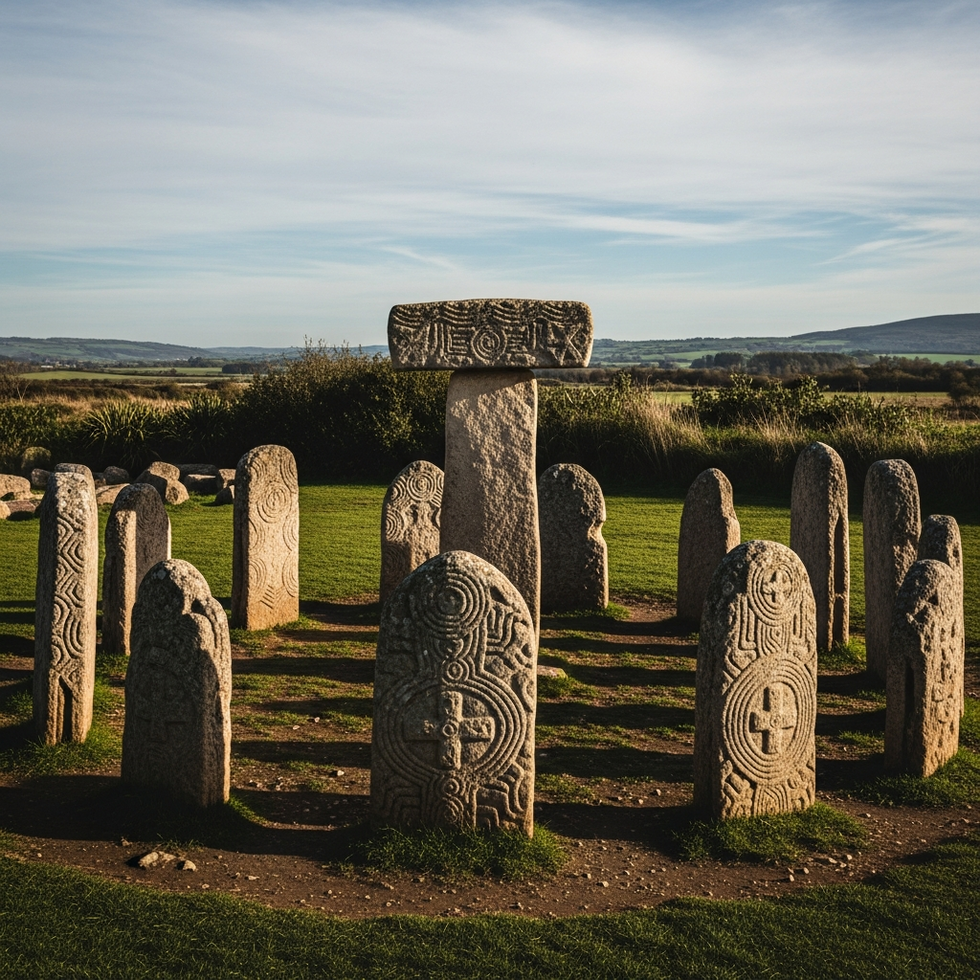
A fresh dig in southern eastern Turkey uncovered stone pillars like those at Göbeklitepe, shifting views on ancient life. Around 11,000 years old, these stone setups challenge old ideas about where big rituals first appeared. Instead of just one spot near Şanlıurfa, a second example now lies in Adıyaman’s Samsat area. That stretch of land holds more evidence of widespread stone building long before pottery existed. Suddenly, it seems the echoes of early community rituals reached farther than thought. What we find now shows why nature - like shifting waters - can expose buried pasts, drawing attention to full explorations, especially beneath lakes and rivers. This shifts views on ancient life, how people linked, swapped knowledge, built grand ritual spaces - all before ceramics or texts existed, suggesting complex shared efforts across scattered groups. Seeing similar buildings at places like Göbeklitepe, especially the tall T-shaped stones, hints at common visual meanings across these first communities. Those echoes suggest shared rites, gathered actions, quiet ties binding them together before history as we know it began.
This new archaeological discovery reaches well past its own time period, revealing how sacred stone buildings spread through much of northern Mesopotamia. Light pours from these findings, questioning old ideas that grand sites like Göbeklitepe stood alone in their complexity. From Adıyaman and nearby spots, evidence shows up in the form of tall T-shaped stones, matched by circular structures built with purpose. Across vast lands, ancient groups may have worshiped or lived together in ways surprisingly similar. A hidden path of shared beliefs begins to appear, one stretching through desert and plain centuries ago. Along such routes, exchanges of goods or ideas could have moved quietly, shaped by ties stronger than time and distance. Over again, building patterns suggest common ideas - maybe tied to spirit beliefs or old ways of honoring deities. Looking closely at where these structures stand points to teamwork, unity, people moving together from roaming to staying put, shifting through early stages of society’s growth.
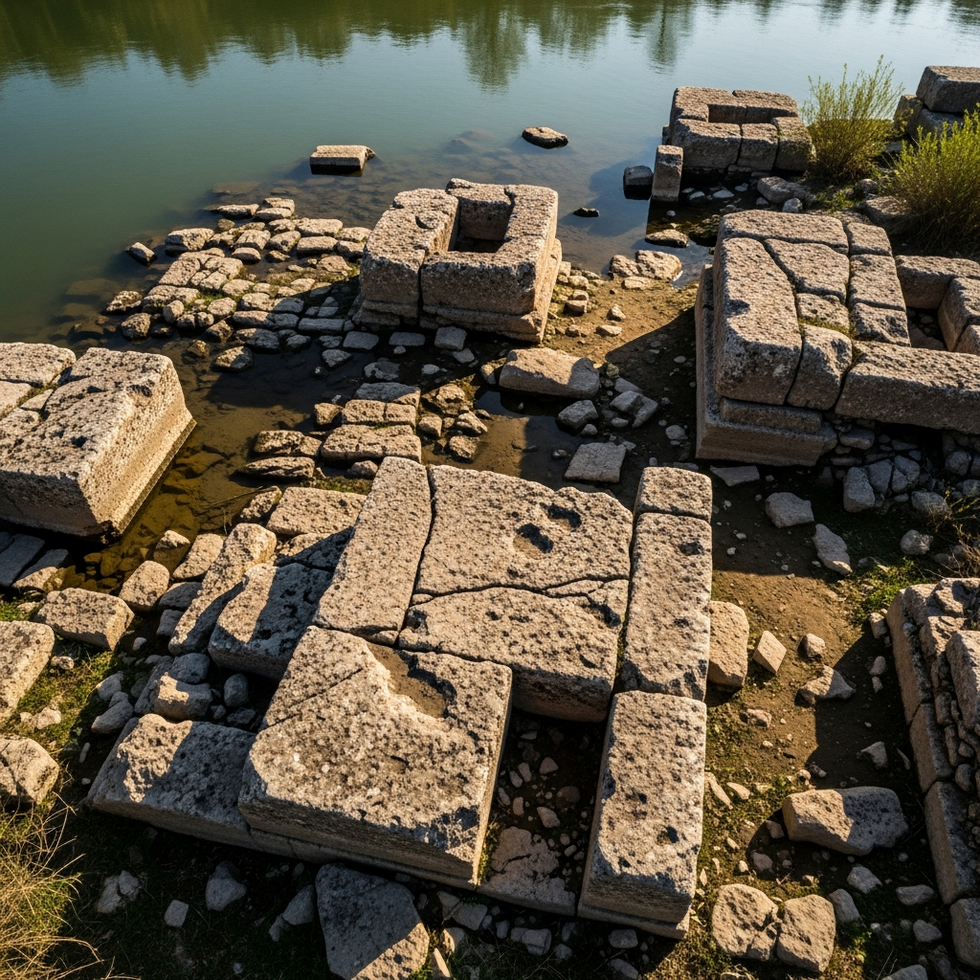
When reservoir waters rise or drop, they part ways, exposing pieces of long-lost life beneath the surface. At places such as the Atatürk Dam, nature's rhythm uncovers what time had buried - ancient traces now visible after ages underground. Last year saw old stone patterns emerge just like that, pulled from depths by shifting water levels. These finds echo those from Gobeklitepe, proof that shifting environments still reveal our earliest steps. So it goes - changes in weather, rivers, or human tracking paths often meet at hidden sites, reminding everyone how fragile the record remains. Though peeking at underground sites sparks fresh study chances, it brings immediate preservation worries because such delicate remains face erosion and people messing with them. Efforts such as quick-site digs matter greatly - to record and save ancient signs left behind before rising waters or more nature shocks wipe out key hints of how communities grew in the first Holocene centuries.
Finds like these show early humans didn’t live apart from one another. Instead, they formed large, linked communities that exchanged tools, beliefs, and ways of organizing life. Look at how places - Göbeklitepe, the Adıyaman site - share big structures with similar purposes. That echoes a common pattern, possibly passed along by people moving between regions, bartering goods, or repeating sacred acts together. Such ties likely shaped how these groups structured themselves and viewed the unknown. Over time, these roots helped give rise to more layered societies. Still, seeing these local exchanges reveals a fresh picture of ancient communities - where thoughts about life and rituals moved between places. Think how common beliefs might have shaped group bonds, guided leaders, and defined who belonged within first farming cultures. That knowledge matters deeply - it shapes both archaeological study and how we see humans evolving socially through time and space.