Ancient Water Level Reveal Uncovers Göbeklitepe-Style Pillars in Southeastern Turkey
Unveiling a Hidden Chapter of Neolithic Civilization in Southeastern Türkiye
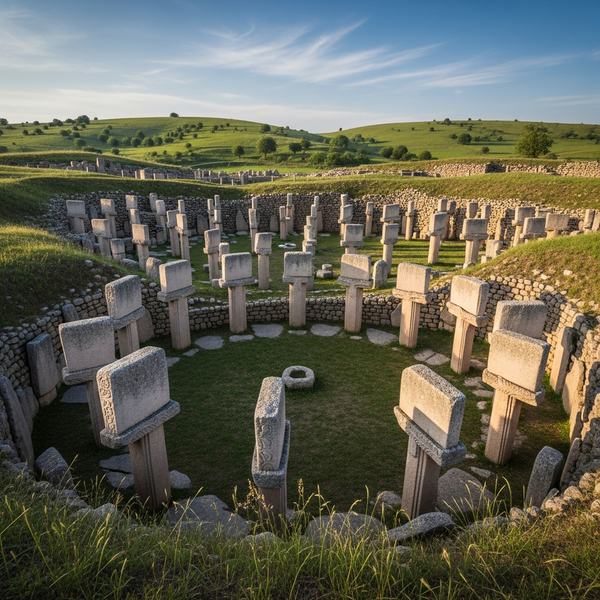
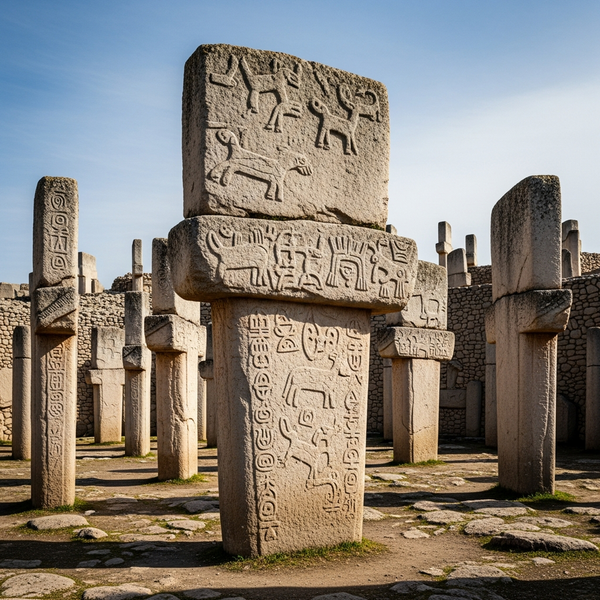
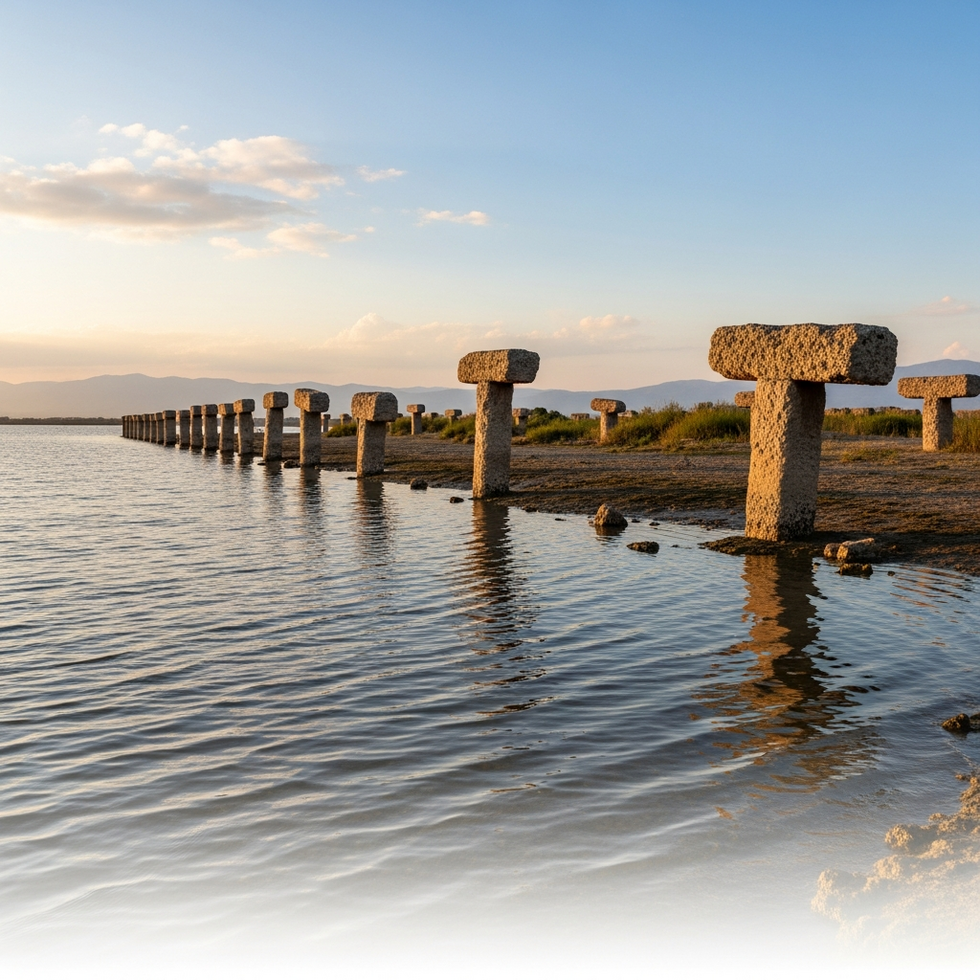
Fresh digs by archaeologists in southeastern Türkiye are revealing pieces of lives long buried beneath centuries of earth. Not far from where the Euphrates and Tigris rivers meet, evidence of ancient communities has emerged - hidden until now by shifting lake waters. Stone figures stand tall, shaped like those seen at Göbeklitepe, known for their T-shaped design. These quiet markers hint at rituals once performed under open skies. While some assumed these buildings belonged only to the Şanlıurfa region, doubts are growing about how narrow that picture really was. Close to Kızılöz village in Adıyaman, these remains have come into view, showing the spread of this civilization was broader than before thought. Its presence now stretches further into regions vital for shaping ancient life.
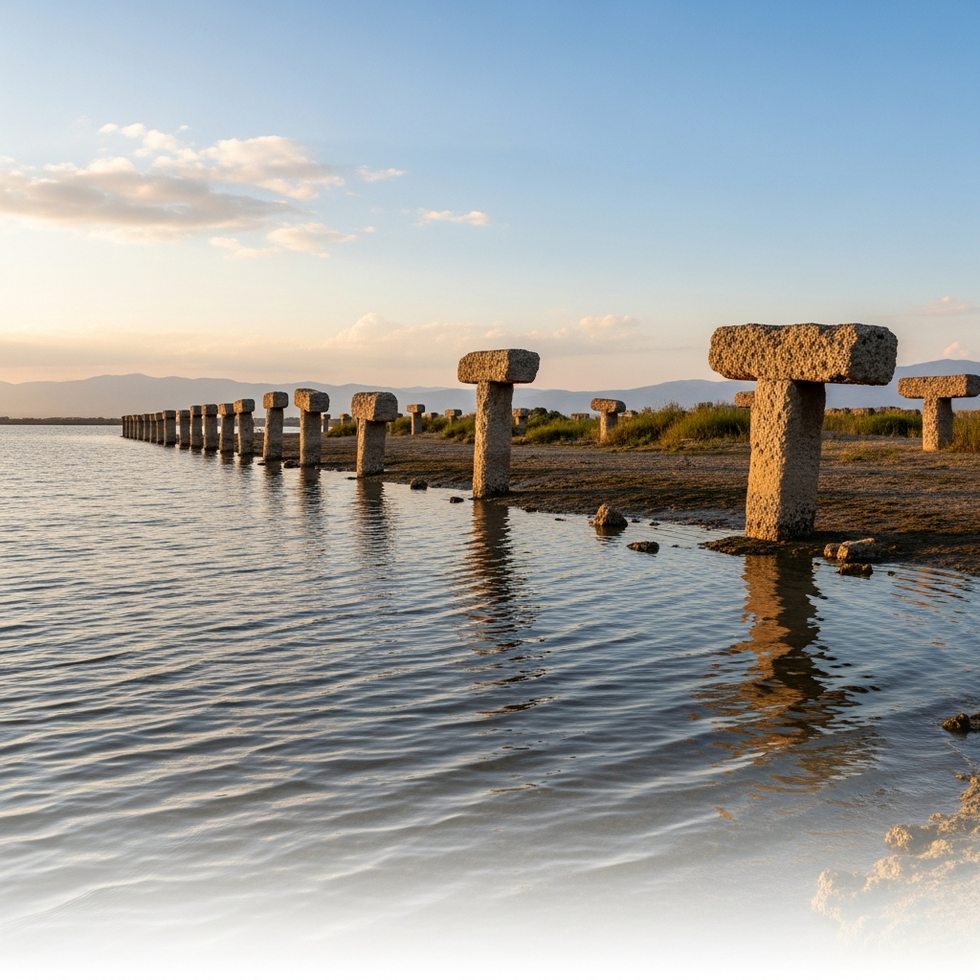
Significance of the T-Shaped Structures in Broader Neolithic Context
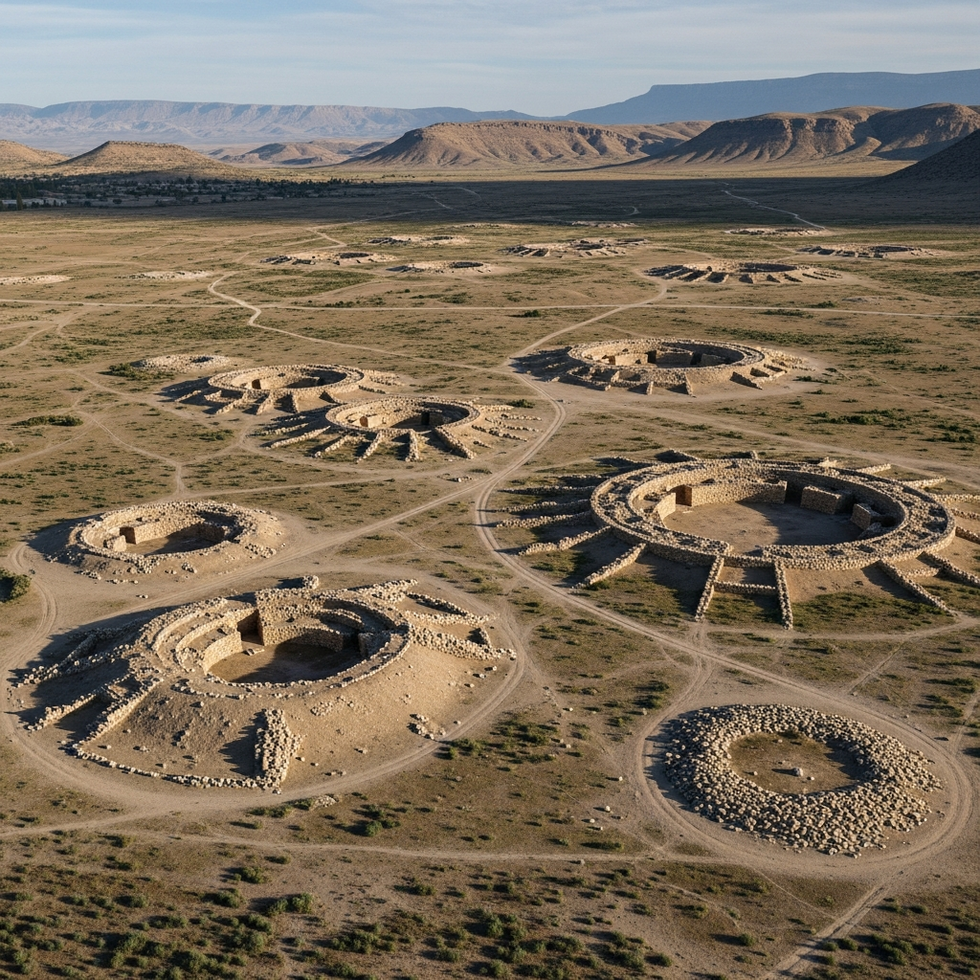
Over by the Samsat district, archaeologists found T-form pillars that look much like those at Göbeklitepe. Their shape hints at deeper meaning behind construction choices made long ago. Even if they stand shorter than expected, they might still host group meetings tied to belief. Experts like Prof. Dr. Sabahattin Ezer studied how stones were placed - in circles around upright cores - a pattern suggesting weighty roles in ancient rites. Such layouts point to organized gatherings for shared purpose. These results show how early societies linked together, showing a common sense of self beyond single locations - evidence of a wider practice of building stones long before farming began.
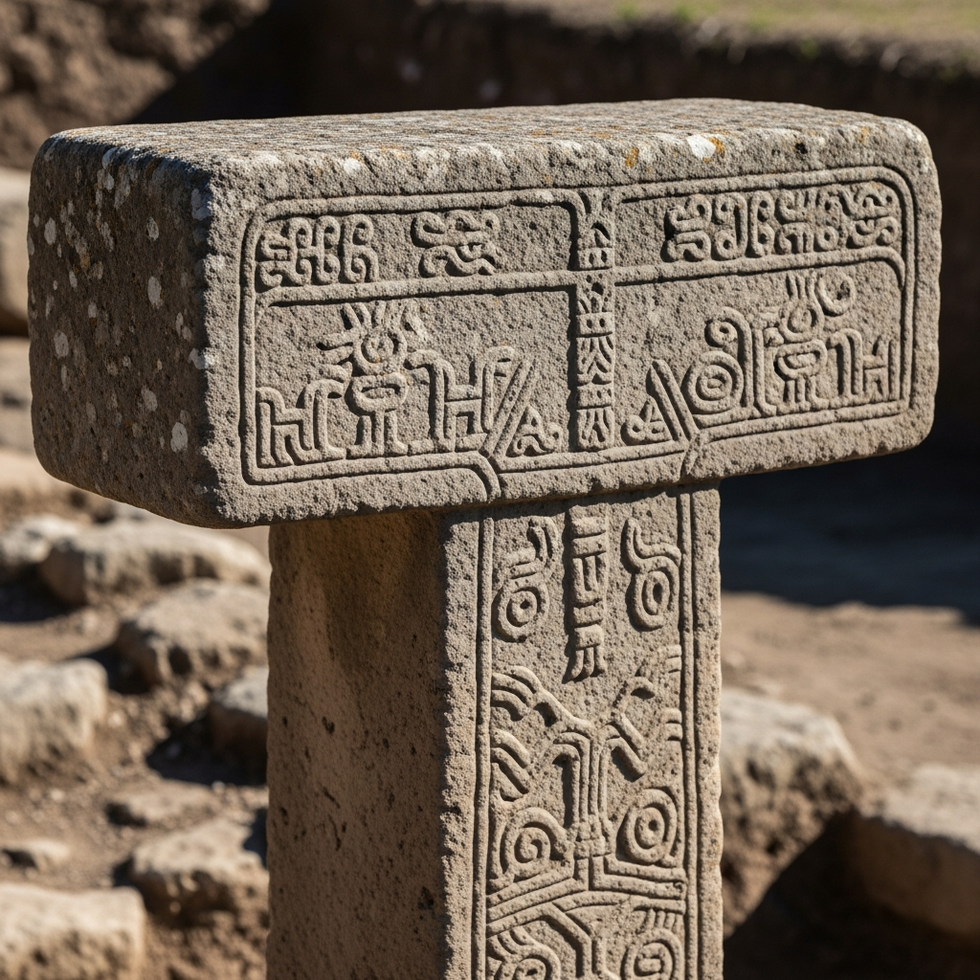
Regional Expansion and the Connectivity of Early Cultures
Close to where people once gathered by the Euphrates River, clues about ancient groups begin to make sense. Instead of standing alone, these gatherings might have linked distant villages through hidden patterns of trade and belief. Evidence suggests they formed parts of wider sacred spaces stretching from modern Syria into neighboring lands. Architecture resembling early stone settlements shows up far beyond one valley, hinting at common meanings among unfamiliar cultures. All of this happened centuries before cities rose or anyone left records - yet it reveals quiet ties across vast distances. With digging still going on, scientists aim to find additional buildings, objects, maybe clues about where people lived - details that might show how ancient groups shaped belief and daily life together. A broader picture now emerges, suggesting humans built complex communities long before most assumed possible, shaking up old ideas about where society began.
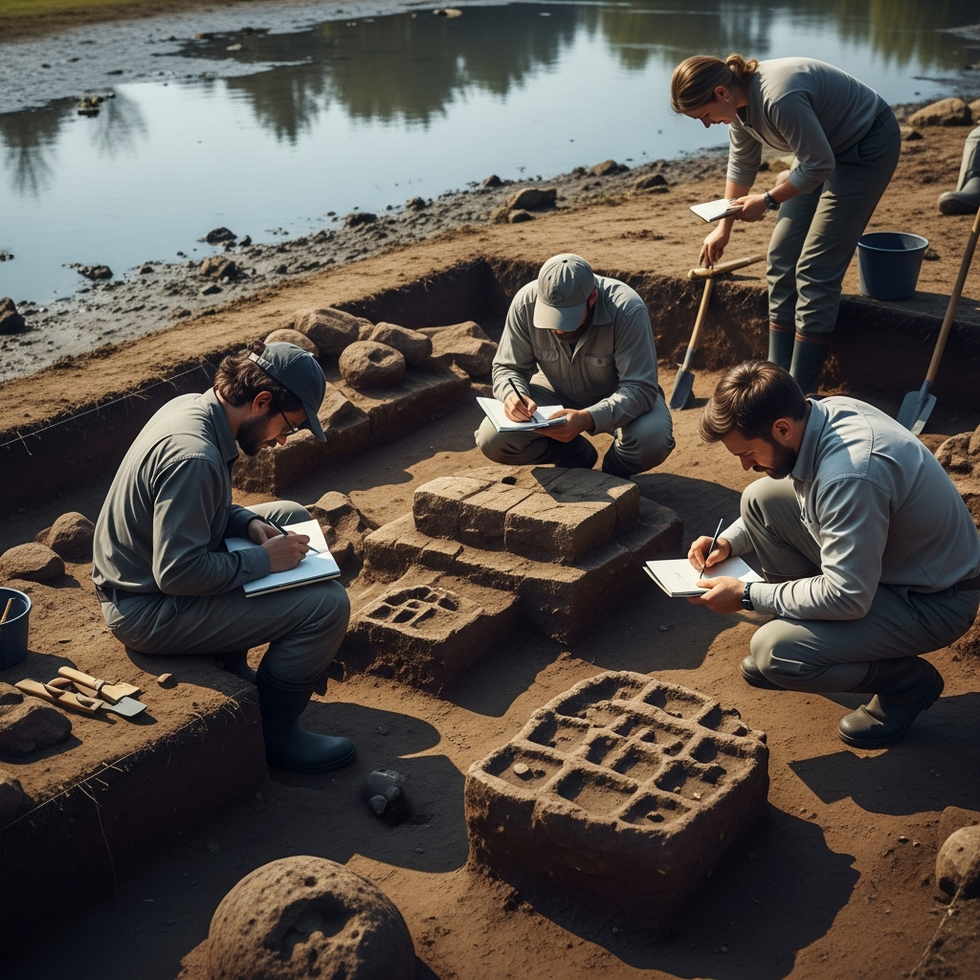
Rescue Archaeology and the Preservation of Hidden Heritage
What lies beneath shifts constantly, showing how crucial it is to organize careful digging operations now. When river levels change, hidden ruins appear - only to vanish once more. These brief exposures offer rare glimpses into lives long gone. Yet every moment counts as erosion and time wear them thinner. According to Mustafa Çelik, helping out fast matters deeply - he leads teams at Adıyaman Museum who track each new find with quiet urgency. What these steps do is lay the groundwork so people far ahead can learn about ancient ways of believing and living. Working together - towns, global experts, and park rangers - is key when it comes to saving places like old temples or burial grounds. Things like sketching every detail, logging finds carefully, and digging quickly if land shifts become more common aren’t just useful - they show how today’s tools fit naturally into digging up history.
Implications for Our Understanding of Early Human Societies
Beyond local archaeological circles, the impact of this discovery reaches further, stirring reflection on core issues tied to how ancient societies organized themselves, believed, and built. In Adıyaman, pillar structures reminiscent of Göbeklitepe suggest widespread symbolic gatherings long before farming began or villages emerged. Such evidence dissolves long-held ideas that culture could only sprout alongside agriculture or stone cities. Rather, it reveals distant huntergatherer communities as disciplined, deeply rooted in ritual life. When new evidence turns up, experts think we’ll see clearer pictures of ancient societies shaping common beliefs, passing down traditions, building large stone structures - these efforts quietly fuel what comes after.