Decoding Göbeklitepe: Unraveling the Secrets of an Ancient Civilization
Discovering Göbeklitepe
Göbeklitepe stands as one of the most awe-inspiring archeological discoveries in modern times, offering a window into the dawn of civilization. Located in modern-day Turkey, this ancient site, believed to be the world's oldest temple, predates Stonehenge and the Egyptian pyramids, underscoring the architectural and sociocultural advancements of the people who built it. Its circular structures and massive, carved stone pillars suggest a sophistication in tool use, organization, and spiritual belief systems that challenge previous assumptions about prehistoric societies.
The Architectural Significance of Göbeklitepe
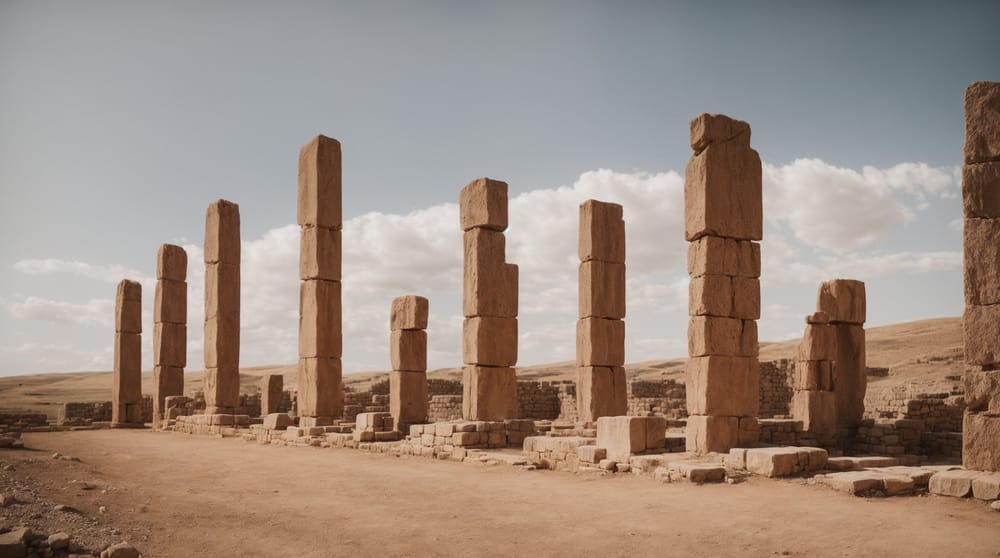
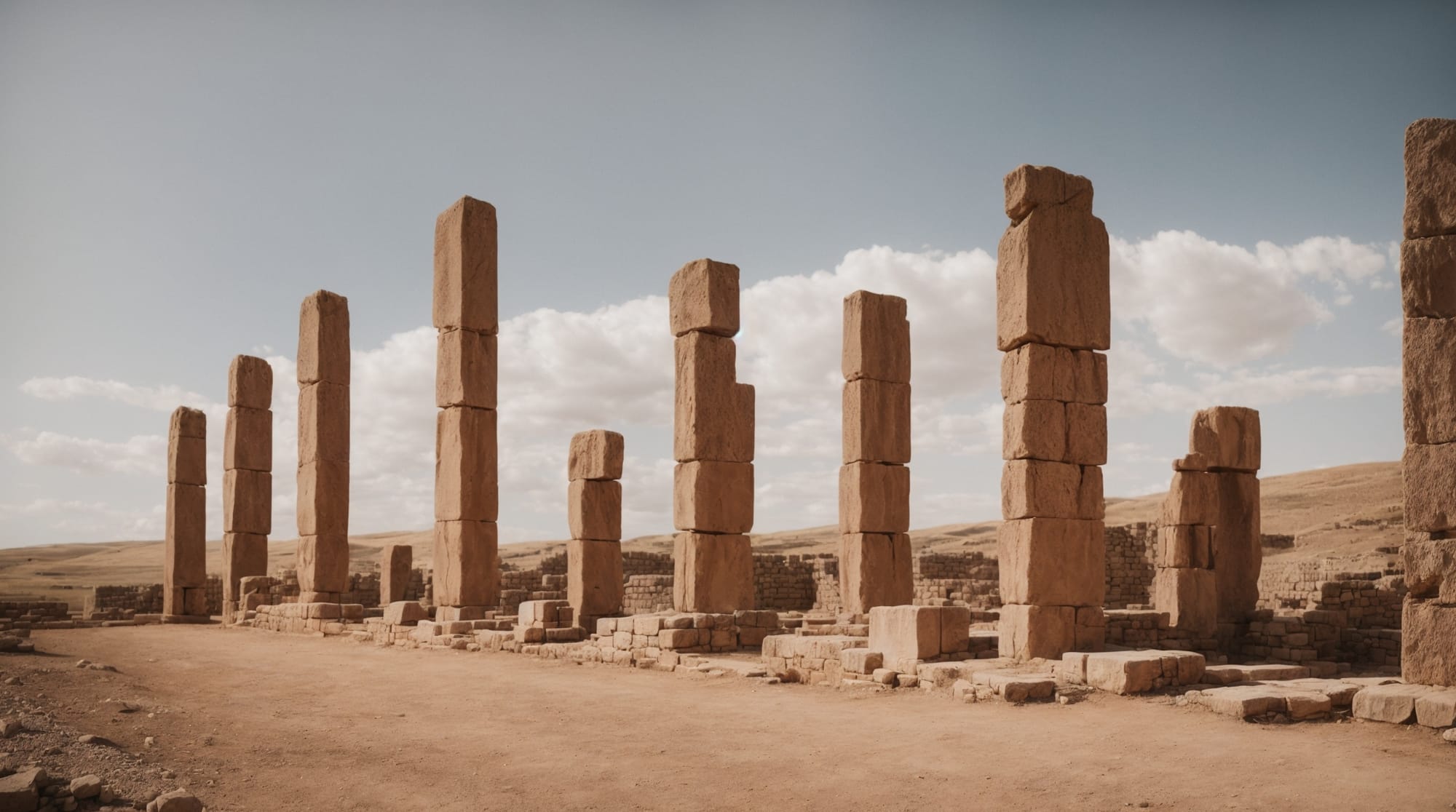
The architectural layout of Göbeklitepe suggests a high degree of social complexity and planning. The site features multiple rings of T-shaped stone pillars, each linked to distinct sets of rituals or communal activities. Scholars speculate the arrangement of these pillars reflects a form of hierarchical society, possibly coordinated by a priest-like class, long before the advent of written records. This systematic construction not only highlights the builders' abilities to manipulate large stone with primitive tools but also their capacity to coordinate large groups, laying the groundwork for future societal structures.
Göbeklitepe's Role in the Neolithic Revolution
Göbeklitepe is not only significant for its structural innovations but also for its potential role in the Neolithic Revolution—the pivotal transition from nomadic lifestyles to agricultural societies. Evidence suggests that Göbeklitepe was a ceremonial site that attracted groups from diverse regions, possibly sharing knowledge about crop cultivation and animal domestication. This exchange of ideas could have catalyzed the rapid spread of agricultural techniques, transforming human societies and their interaction with the environment dramatically.
Uncovering Cultural Insights Through Art and Symbolism
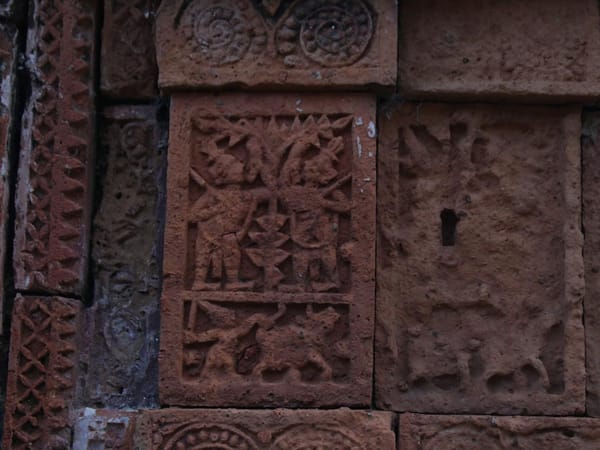
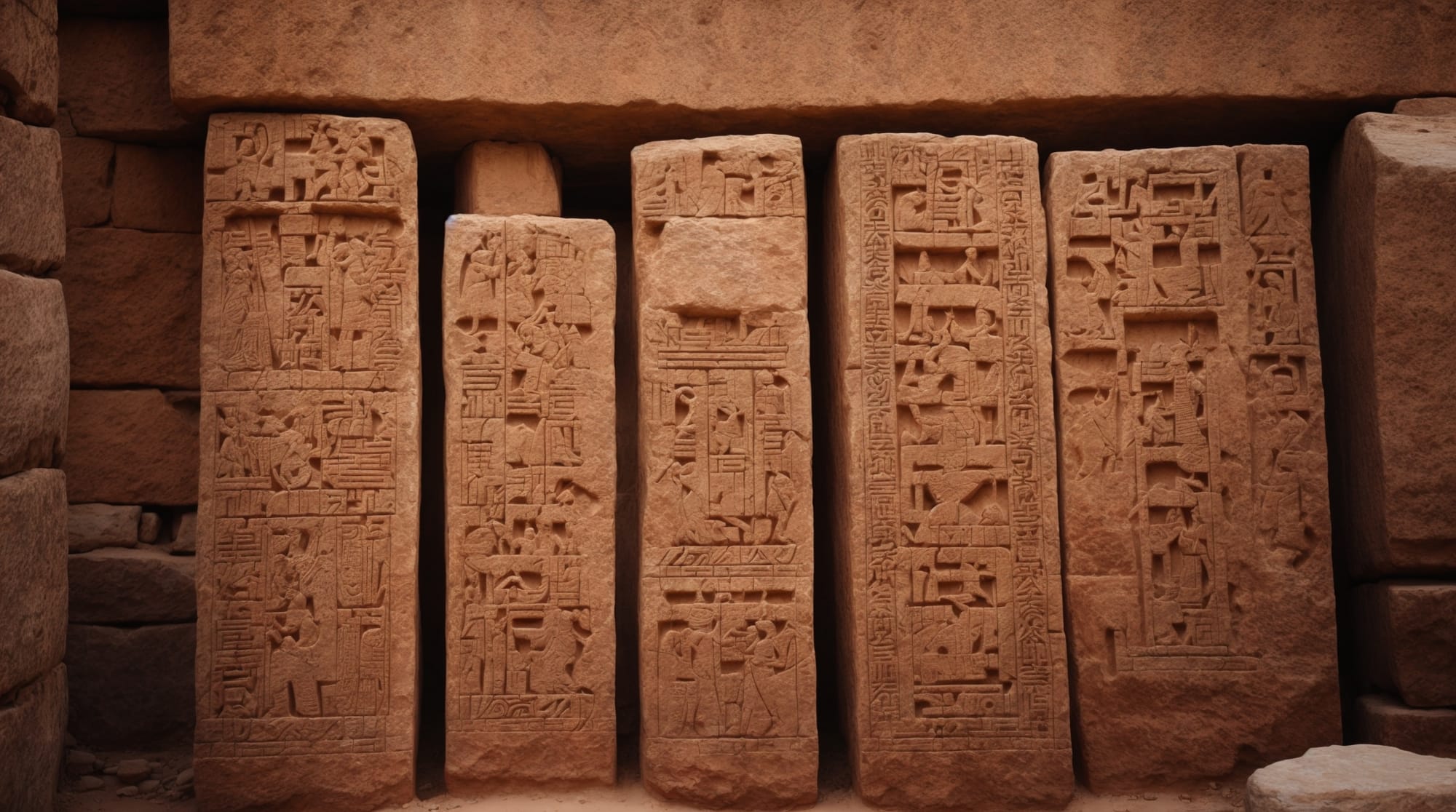
The elaborate carvings and reliefs on Göbeklitepe's pillars provide a canvas of prehistoric art unparalleled in its complexity and scope. Depictions of animals, abstract symbols, and humanoid figures suggest that Göbeklitepe served as a spiritual or ritualistic hub, where prehistoric people expressed their understanding of the world and their place within it. These carvings are not merely decorative; they are believed to hold significant meanings, possibly recounting myths, celestial observations, or societal rules, offering scholars precious insights into the cognitive and cultural dimensions of early human communities.