Visiting Göbekelepe Today: Practical Guide for US Travelers
Visiting Göbekelepe Today: Practical Guide for US Travelers
For decades, historians clung to a tidy sequence that supposedly governed human progress. Farming came first, they insisted. Settled life followed as a natural consequence. Only once populations swelled did complex religion emerge to keep everyone in line. It all felt logical. Almost inevitable in its neat, linear march.
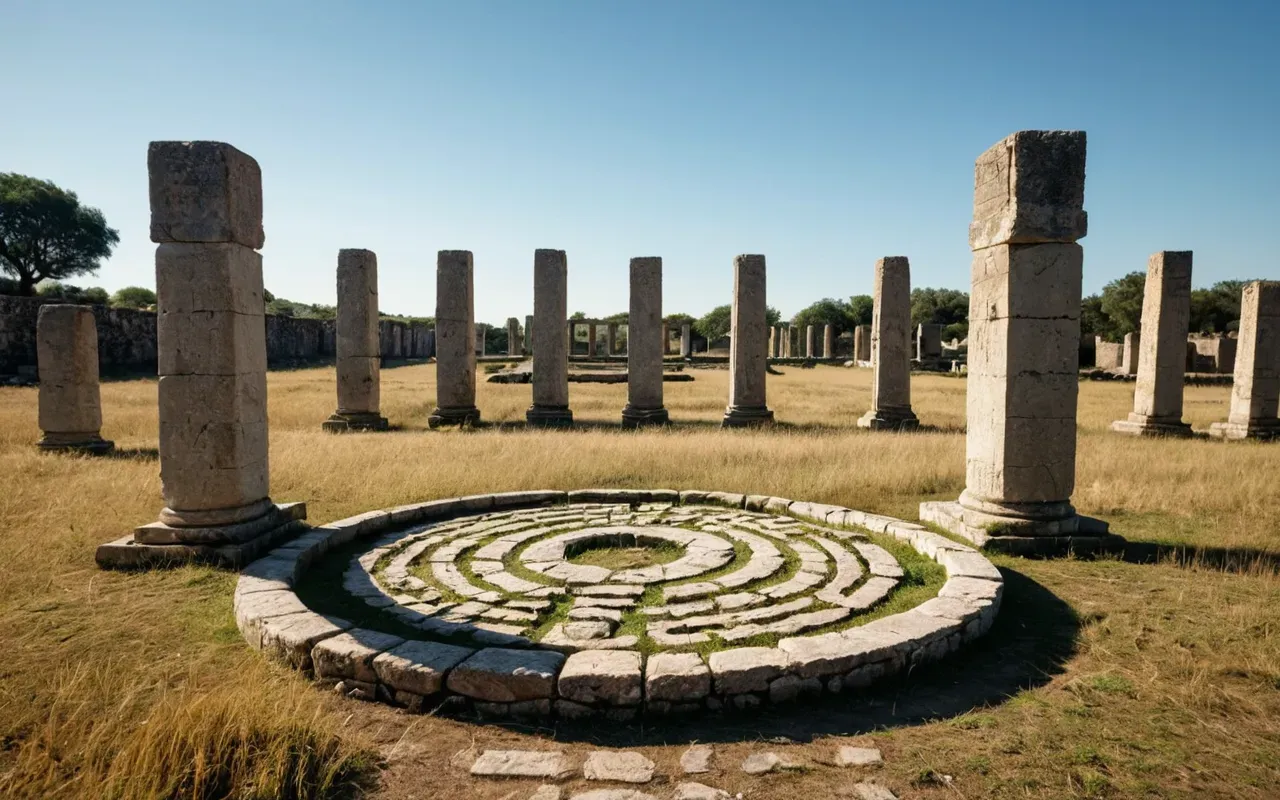
But what if that order is wrong? What if belief actually drove survival, rather than trailing behind it? Göbeklitepe, perched on a hilltop in southeastern Turkey, forces us to sit with that uncomfortable thought. The site rises starkly, almost defiantly, against the flat Anatolian horizon.
Carbon dating puts its initial construction around 9500 BCE. That's roughly twelve thousand years ago. And here's the kicker: at that precise moment, nearly everyone on Earth was still a hunter-gatherer. People moved with the seasons, chased herds, and gathered wild grains by hand.
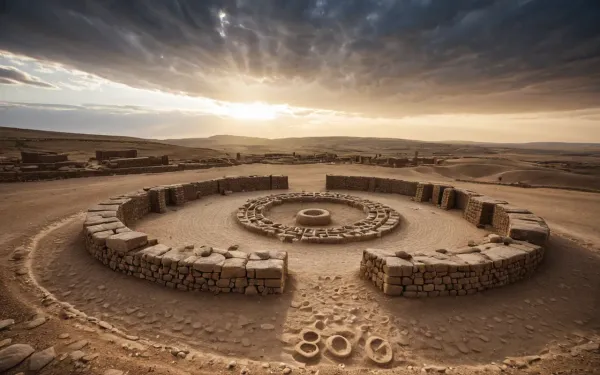
Yet in Şanlıurfa province, these same people erected massive stone enclosures. Structures that predate Stonehenge by six thousand years. That's nearly eight millennia before the pyramids at Giza. The scale alone defies what we thought we knew about Neolithic capability.
The Discovery That Shook Archaeology To Its Core
Local farmers had known about the mound for generations. They called it Gobekli Tepe—"hillock with a belly" in local Kurdish and Turkish dialects. The name fit its shape perfectly.
From a distance, it looked like a natural formation. Just a large, rounded hump dominating the landscape near the city of Şanlıurfa. For years, scholars dismissed it as an artificial mound, maybe old burial grounds. Nothing more.
That changed dramatically in the mid-1990s. Klaus Schmidt, a German archaeologist from Heidelberg University, arrived with fresh eyes and a rigorous approach. He spotted something odd about the surface stones.
These weren't rocks scattered by wind or rain. They bore clear signs of intentional shaping. Some had distinct T-shapes that hinted at human forms.
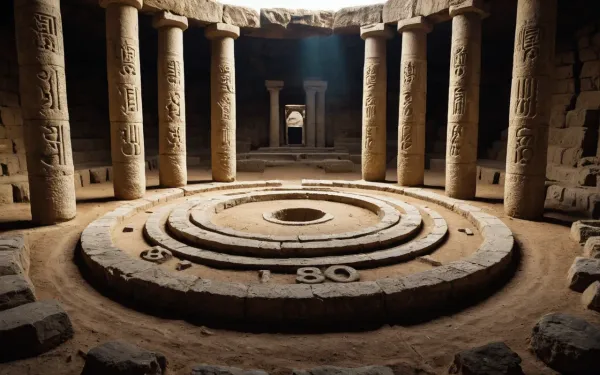
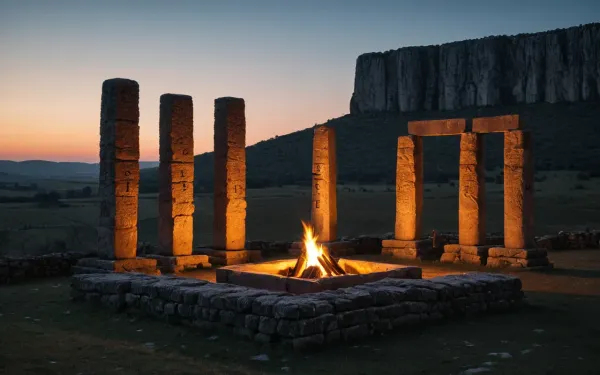
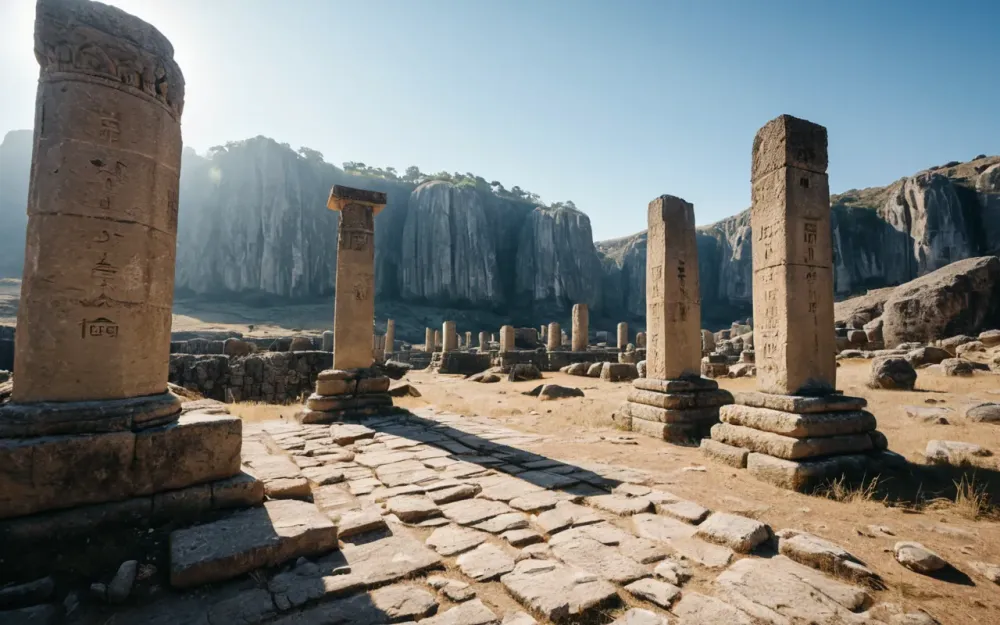
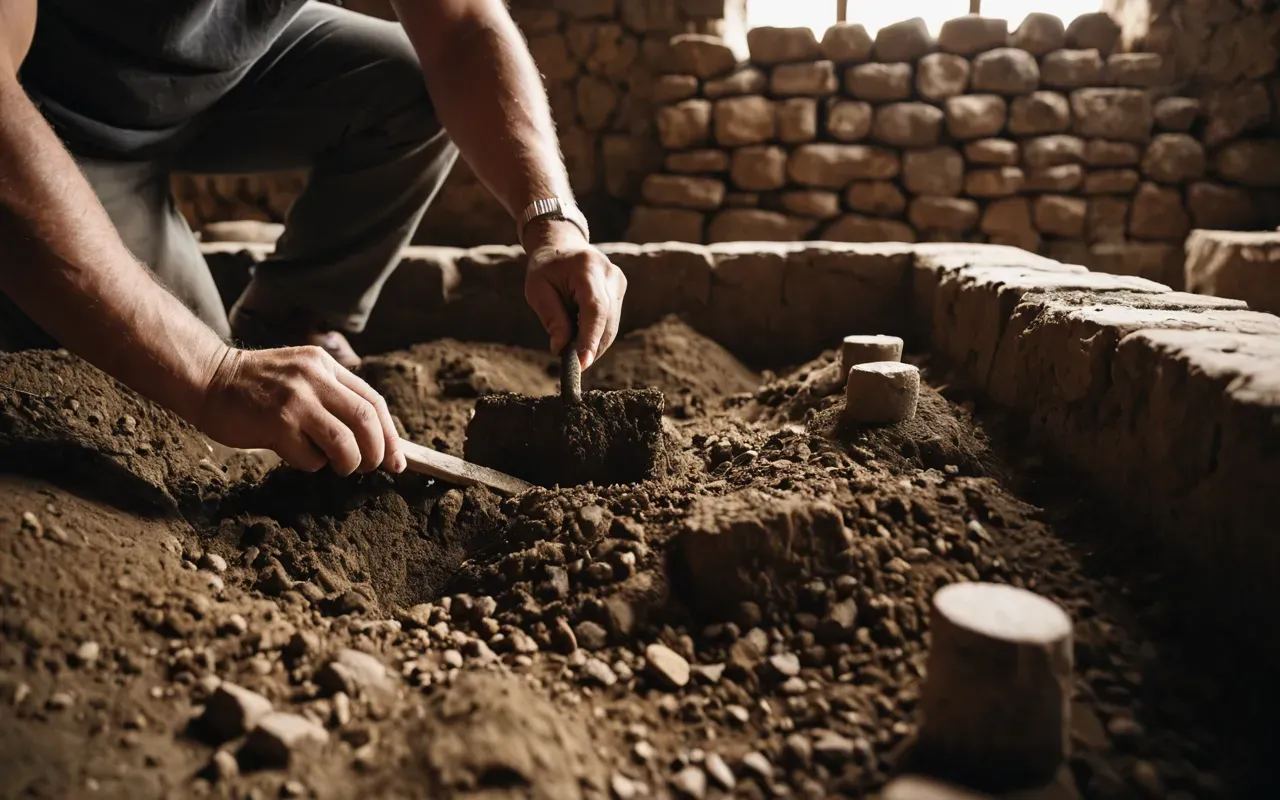
Schmidt began digging with painstaking care. What emerged stunned the academic world. He uncovered massive limestone pillars, each weighing up to twenty tons.
These monoliths stood upright in circular arrangements. Some reached five meters or more. How anyone quarried such stones without metal tools still puzzles us today.
Challenging Established Academic Narratives
Traditional archaeology leaned heavily on linear progression. Technology was supposed to advance steadily. Simple tools should precede complex ones, logically speaking.
Göbeklitepe blows that rule apart. The builders showed organizational skill far beyond what their era supposedly allowed. They coordinated labor forces with no obvious signs of hierarchical kingship.
No palaces here. No royal tombs either. Just immense religious complexes built for communal gatherings, not individual power displays.
Religion Preceding Agriculture A Radical Reversal
This reversal fundamentally changes how we see early human society. If farming caused settlement, why did monumental construction come first? The evidence points to something else entirely.
Schmidt proposed that spiritual needs initially drove societal complexity. People gathered at these sacred sites for rituals, generation after generation.
Feeding large groups of pilgrims demanded reliable food sources nearby. Wild grains alone couldn't sustain dense populations during peak seasons.
So people started experimenting with cultivation deliberately. Wheat and barley fields appeared later in the region, direct responses to logistical pressures.
Evidence From Botanical Samples
Recent excavations confirm this botanical shift clearly. Early layers contain mostly wild species seeds mixed with processed remnants.
Later strata show increasing proportions of domesticated varieties, specifically adapted for human consumption. This gradual change strongly supports the temple-first hypothesis.
Labor Organization Without Centralized Control
How nomadic groups organized such massive projects remains partially mysterious. No slave systems existed yet, as far as current interpretations go.
Instead, shared ideology likely motivated collective effort. Taking part in sacred rituals provided strong social incentives for cooperation across different clans.
Voluntary participation seems plausible, given the spiritual weight attached to these locations. The act of building became part of worship itself.
Decoding The Symbolic Language Of Stone
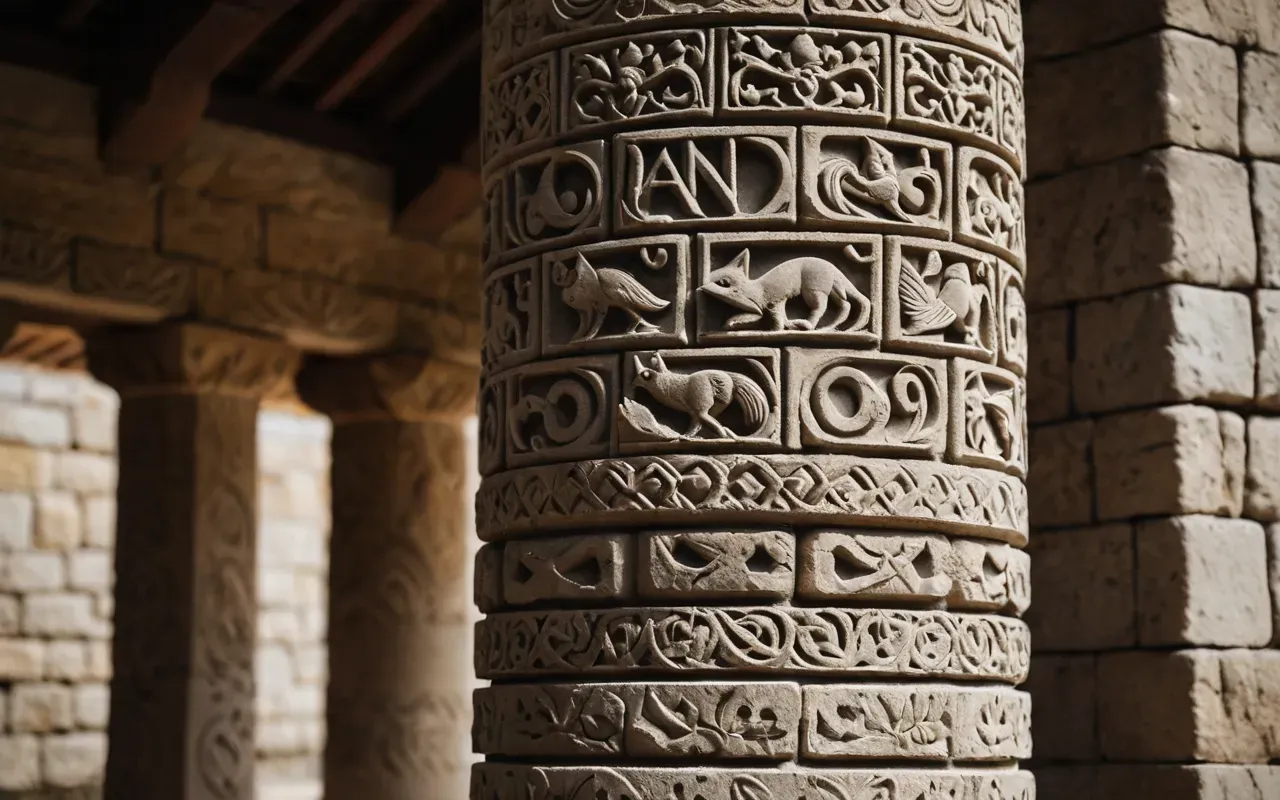
The carvings on these pillars tell another fascinating story altogether. Animals dominate the imagery completely across all excavated areas.
Foxes appear frequently, alongside vultures and cranes. Predators like lions feature prominently too, despite being rare in local fauna records.
Birds often hover overhead while terrestrial creatures move below them. This composition suggests complex cosmological beliefs were already in place.
Abstract symbols occasionally accompany naturalistic representations. Circles and geometric shapes hint at possible proto-writing systems.
Interpreting Anthropomorphic Pillars
Many T-shaped stones display arms folded across chests. Some even have belt loops, remarkably detailed clothing indicators.
Scholars debate whether these depict deities directly or ancestral figures instead. Both interpretations imply significant personification concepts existed.
Ritual Practices And Daily Life Insights
Feasting played an undeniably crucial role in these gatherings. Animal bones recovered from trenches show selective butchery patterns consistent with ceremonial meals.
Wild boar remains dominate, suggesting targeted hunts for special occasions. Meat distribution would have powerfully reinforced social bonds.
Storage vessels found nearby indicate fermentation processes too. Beer or similar alcoholic beverages likely accompanied rituals, enhancing altered states.
Music instruments, including flutes, have been discovered recently, adding auditory dimensions to our understanding. Sound probably amplified emotional experiences significantly.

The Intentional Burying Mystery
Perhaps most intriguing is what happened eventually. After roughly fifteen hundred years of active use, the entire complex was deliberately filled in.
Thousands of tons of soil covered every pillar meticulously. No evidence suggests war or natural disaster caused this burial.
Why bury something so sacred intentionally? Theories vary widely. Some propose lifecycle completion rituals, analogous to temple burial traditions elsewhere.
Others suggest gradual environmental changes forced abandonment. Rising temperatures or shifting water sources might have made maintenance unsustainable.
Cultural Continuity Versus Disruption
Later settlements eventually built atop the buried mounds. Farmers lived directly above these ancient sanctuaries, unknowingly, for centuries.
This layering demonstrates remarkable cultural continuity despite technological shifts. Memory of the place somehow persisted across generations.
Modern Preservation Challenges
Today, protecting this fragile heritage site presents unique challenges. Weathering affects exposed limestone surfaces rapidly under harsh sunlight.
Tourism management requires balancing public access with preservation needs. Too many visitors could permanently damage irreplaceable archaeological contexts.
Connecting To Broader Neolithic Networks
Göbeklitepe didn't exist in complete isolation. Similar T-pillar architectures appear at nearby sites like Karahan Tepe, recently discovered.
Sefer Tepe shares comparable stylistic elements, suggesting regional cultural coherence. Trade networks probably facilitated idea exchange across distances.
Obsidian artifacts originating from distant volcanic sources prove long-distance interactions occurred. People moved goods and concepts simultaneously.
Understanding these connections helps reconstruct broader societal frameworks accurately. Isolated analysis inevitably misses crucial contextual nuances.
Comparisons With Other Ancient Monuments
Stonehenge offers an interesting contrast primarily. Built much later, using similar megalithic techniques but serving potentially different functions.
Pyramids represent state-level organization clearly, whereas Göbeklitepe predates formal governance structures entirely. The difference highlights evolving political complexities.
Global Impact On Historical Understanding
These findings force revisions of textbook timelines universally. Scholars worldwide acknowledge the paradigm shifts now required.
Future Research Directions And Possibilities
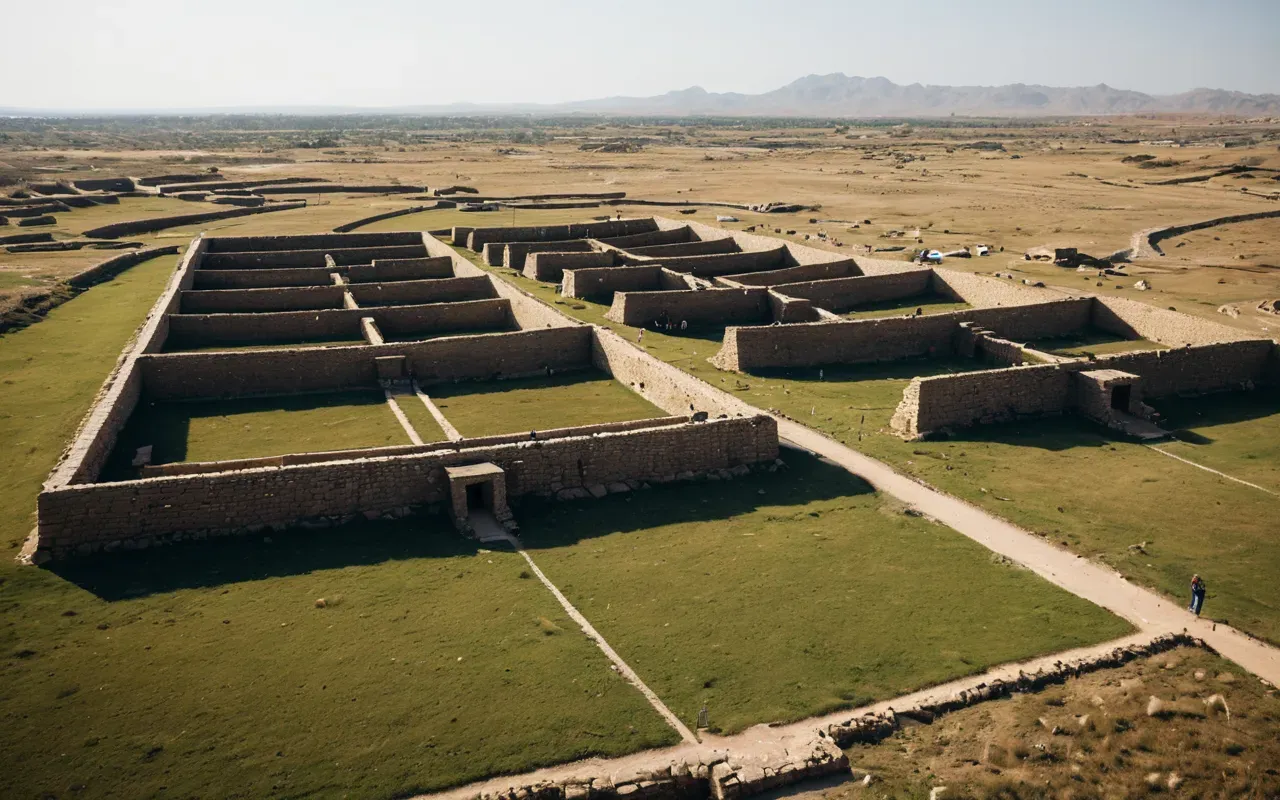
Only about five percent of the total site has been excavated so far. Huge potential remains for further revelations beneath untouched soil layers.
Ground-penetrating radar surveys reveal additional structures waiting discovery. New circles may lie hidden just meters from current dig sites.
Genetic studies on human remains could illuminate migration patterns effectively. DNA analysis provides unprecedented insights into historical population movements.
Isotope testing on animal bones will clarify dietary habits precisely. Nutritional data powerfully complements archaeological evidence.
Technological Advances In Archaeology
LiDAR scanning maps terrain variations invisible to the naked eye. Digital modeling reconstructs original pillar positions virtually accurately.
Artificial intelligence assists pattern recognition tasks efficiently now. Machine learning algorithms rapidly identify subtle carving similarities.
Educational Implications For Modern Audiences
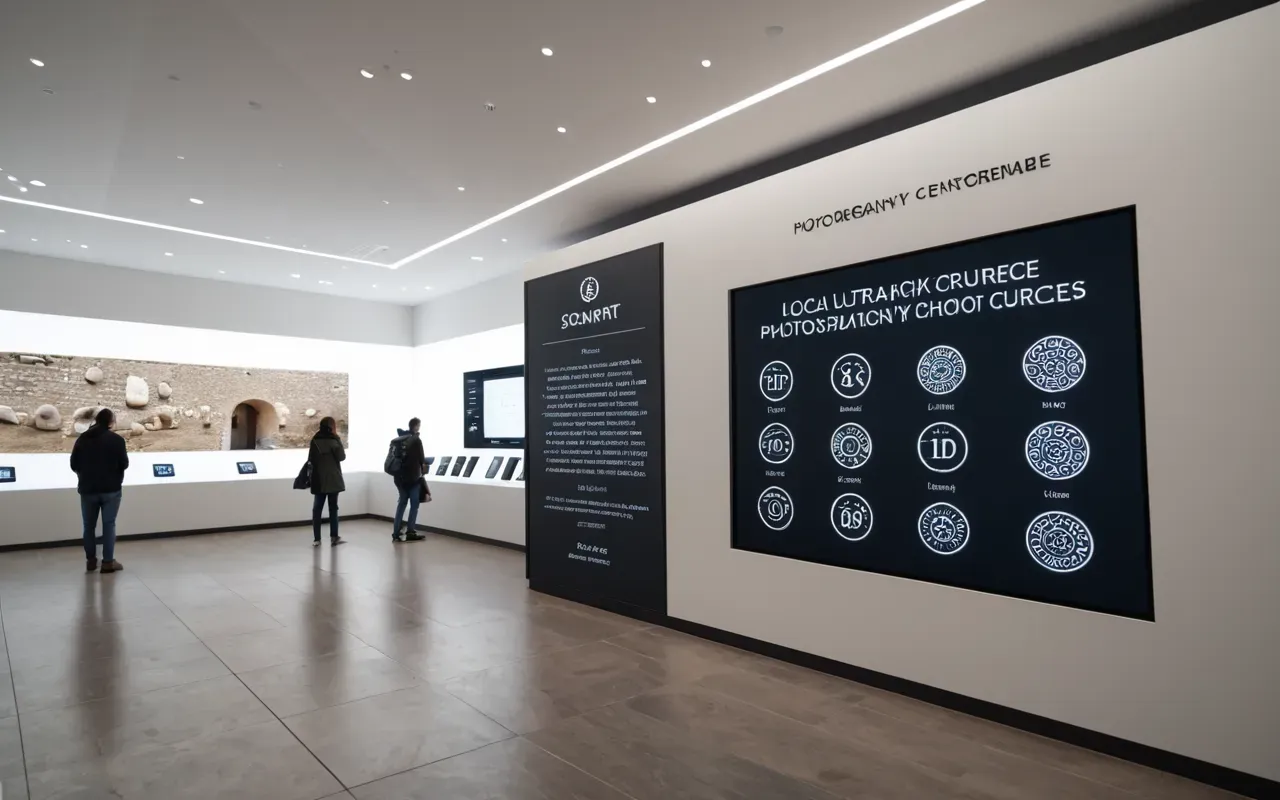
Museums around the world are weaving Göbeklitepe into their exhibits more and more. You'll find replica pillars set up so visitors can actually touch them — safely, of course, which is a nice compromise between curiosity and conservation.
Documentaries bring the site to life in ways still images can't. The drama of the excavation, the dust, the careful brushing away of millennia — film captures all of it, and it lands with audiences who might never set foot in Turkey.
In classrooms, educators use Göbeklitepe to sharpen critical thinking. Kids learn to poke holes in the old story of linear progress — that farming came first, then cities, then gods. The site complicates that tidy narrative, and that's exactly the point.
Promoting Cultural Heritage Awareness
And the public's fascination has real consequences. Funding follows attention, and that money keeps conservation crews working, stabilizes exposed structures, and protects what's still underground.
Personal Reflections On Historical Narratives
Standing among those massive stones, honestly, it gets to you. You feel tiny, sure, but also strangely connected — like you're reaching across twelve thousand years to shake hands with someone who thought about eternity the same way you do.
The silence out there says more than any lecture could. These builders raised monumental architecture with nothing but stone tools and human will. No cranes. No hydraulics. Just grit, and that's worth sitting with for a minute.
Frequently Asked Questions
When Was Göbeklitepe Built Approximately?
Radiocarbon dating puts the start of construction around 9500 BCE. That means people began building here roughly twelve thousand years before the present day — a number that's hard to wrap your head around until you're standing in the trench.
Who Actually Built The Massive Pillars?
And here's the thing: it wasn't built by kings or slaves. Hunter-gatherers did it, organized not through coercion but through shared belief. The evidence points to cooperative labor, probably driven by ritual, not by any centralized authority.
Why Were The Structures Buried Intentionally?
Why was it buried? Scholars think deliberate backfilling was part of the ritual itself. Just like temples elsewhere that were ritually closed, covering the site marked the end of its sacred purpose — a kind of ceremonial retirement, if you will.
How Does This Change Our History Understanding?
So the big takeaway? Religion came before agriculture. Complex societies were forming before anyone settled down to farm — which flips the old progression narrative on its head. That's not a small footnote; it's a rewrite of how we understand civilization's origins.
Can Visitors See The Site Today?
Yes, you can visit. There are regulated tours near Şanlıurfa that let you walk designated pathways around the excavated enclosures. Strict conservation protocols keep the unexcavated areas off-limits, so the site stays protected while still welcoming the curious.
For the full overview, see Göbeklitepe tourism info.
Related in this series: Göbelitepe builders identity, age of Gobeklitepe temple complex.