You have been lied to about who actually built Morocco's oldest cities
The Myth of the Empty Land
We like clean stories. Conqueror shows up, indigenous people surrender, culture shifts. Simple. But history rarely works that way.
Morocco's ancient past doesn't fit the tidy boxes we get sold. For decades, tourism brochures and school textbooks painted one specific picture.
They told you the Romans built everything. That before them, there was nothing but scattered tribes and dust. It's a comfortable narrative for visitors.
But here's the thing that keeps me up at night. The Romans did not find an empty canvas.
They found a complex society with its own kings, its own trade networks, and its own deep roots. And they never truly broke it.
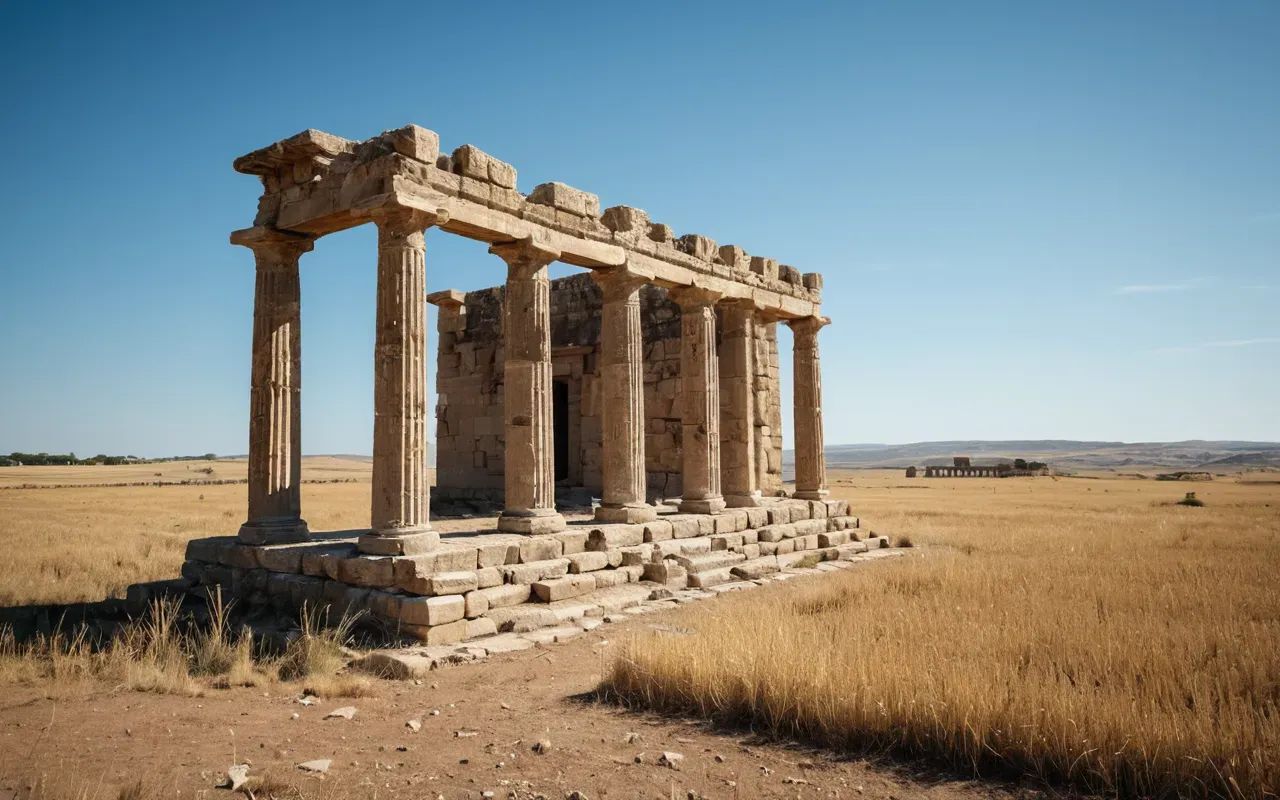
Before the Legions Arrived
Let's rewind. Way back to B.C. The Phoenicians from Lebanon were already dropping anchor on the coast.
They left pottery. Burial sites. A few ceramic shards that still whisper of their presence in Essaouira.
Merchants, though. Not masters. They traded gold and purple dye with locals who controlled the land.
Herodotus described a strange trade ritual. Goods on shore, smoke rising, gold placed opposite.
No words exchanged. Just trust and distance. So who do you think had the power to dictate those terms?
The Berbers. The Amazigh people who were not just tribes but organized kingdoms like Mauretania.
The Roman Footprint Was Smaller Than You Think
In AD, Claudius made Tangier a metropolis. He set up the province of Mauretania Tingitana.
Sounds impressive on paper. A capital city with a governor and military power. But look closer.
Roman control was limited to the coast and a few key cities. They never pushed deep into the mountains.
There was a line. A defensive wall called the fossatum that ran from Sala to Meknes and Fez.
This -kilometer barrier marked the edge of their world. Beyond it was Berber territory.
Who Actually Ruled The Cities?
We visit Volubilis and Lixus today. We see Roman mosaics and marble columns. It feels purely Latin.
But the people living there were mostly Berbers. The Romans provided the infrastructure and the law.
The locals kept their language and traditions. They adapted Roman styles to fit their own needs.
It was a hybrid society. Not conquest — coexistence with an imbalance of power.
And when the empire fell, these cities didn't vanish. They transformed back into indigenous hubs.
The Legacy We Still Carry Today
Al-Idrissi wrote in the th century that people still spoke Latin in Tunisia.
Imagine if similar pockets existed in Morocco. The language may have faded, but the structure remained.
Roman veterans returned to their villages with savings and citizenship. They became local leaders.
This blending created a unique cultural layer that persists in our administrative and legal frameworks.
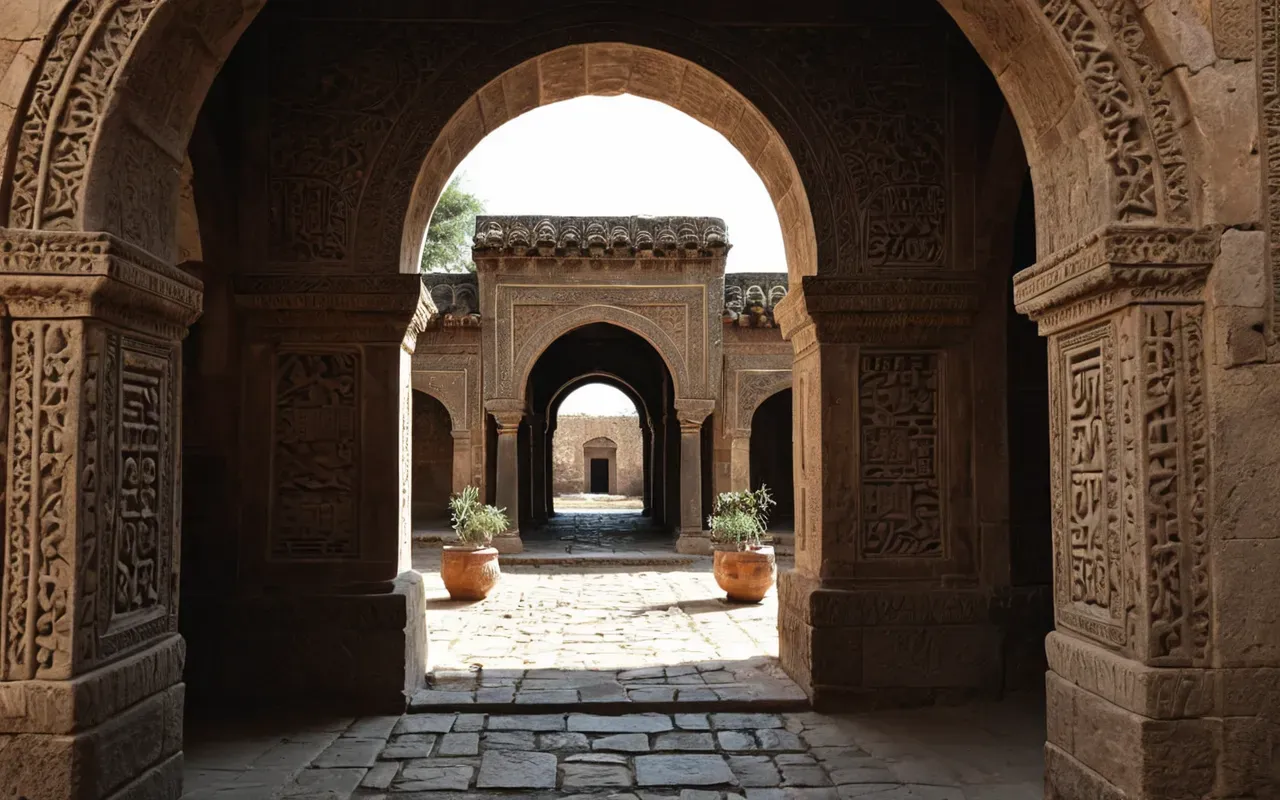
We often focus on the grand ruins. But the real story is in who lived inside them.
The Berbers were not just subjects. They were the foundation upon which Rome built its temporary hold.
Understanding this changes how we see our own heritage. It is not a foreign imposition.
It is a complex weave of trade, resistance, and adaptation that spans thousands of years.
So next time you stand in Volubilis, look past the marble. See the Berber hand that shaped it.
If you are interested in how other ancient timelines have been misinterpreted, check out how we got the order of operations completely wrong in global history.
The stones remember what the textbooks forget. And they tell a much more human story.