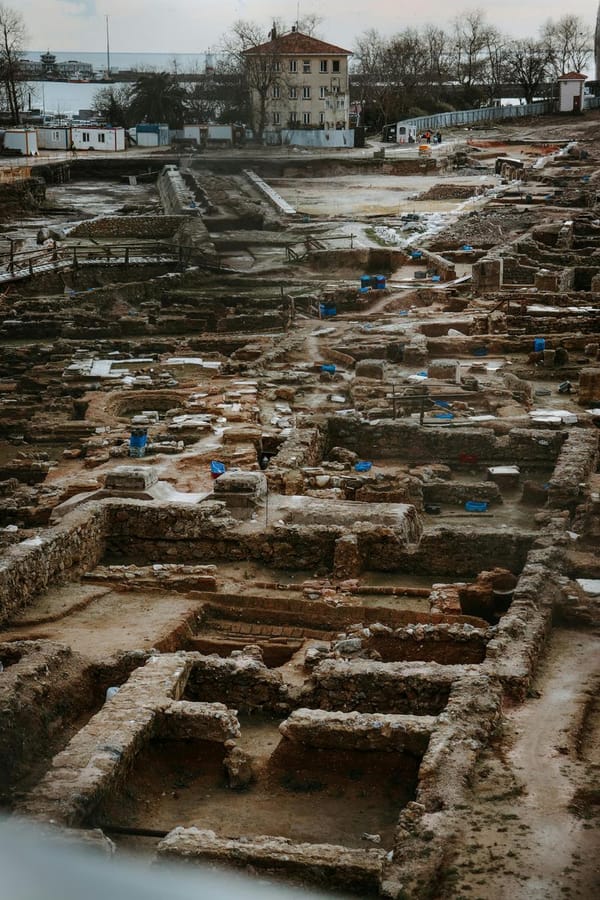
Gobekli Tepe's Impact on Spiritual and Architectural Developments
Unveiling the Spiritual Significance of Gobekli Tepe
Gobekli Tepe, the prehistoric site located in modern-day Turkey, has been a focal point for archaeologists and historians due to its enigmatic structures and carvings. Dating back to the 10th millennium BCE, this site offers a unique glimpse into the spiritual life of early hunter-gatherers. The monumental circular and rectangular stone enclosures, decorated with intricate carvings of animals and abstract symbols, suggest that Gobekli Tepe was not only a social center but also a place of significant spiritual or ceremonial importance. This has led researchers to consider its role in the development of religious practices that have shaped human civilizations throughout history.
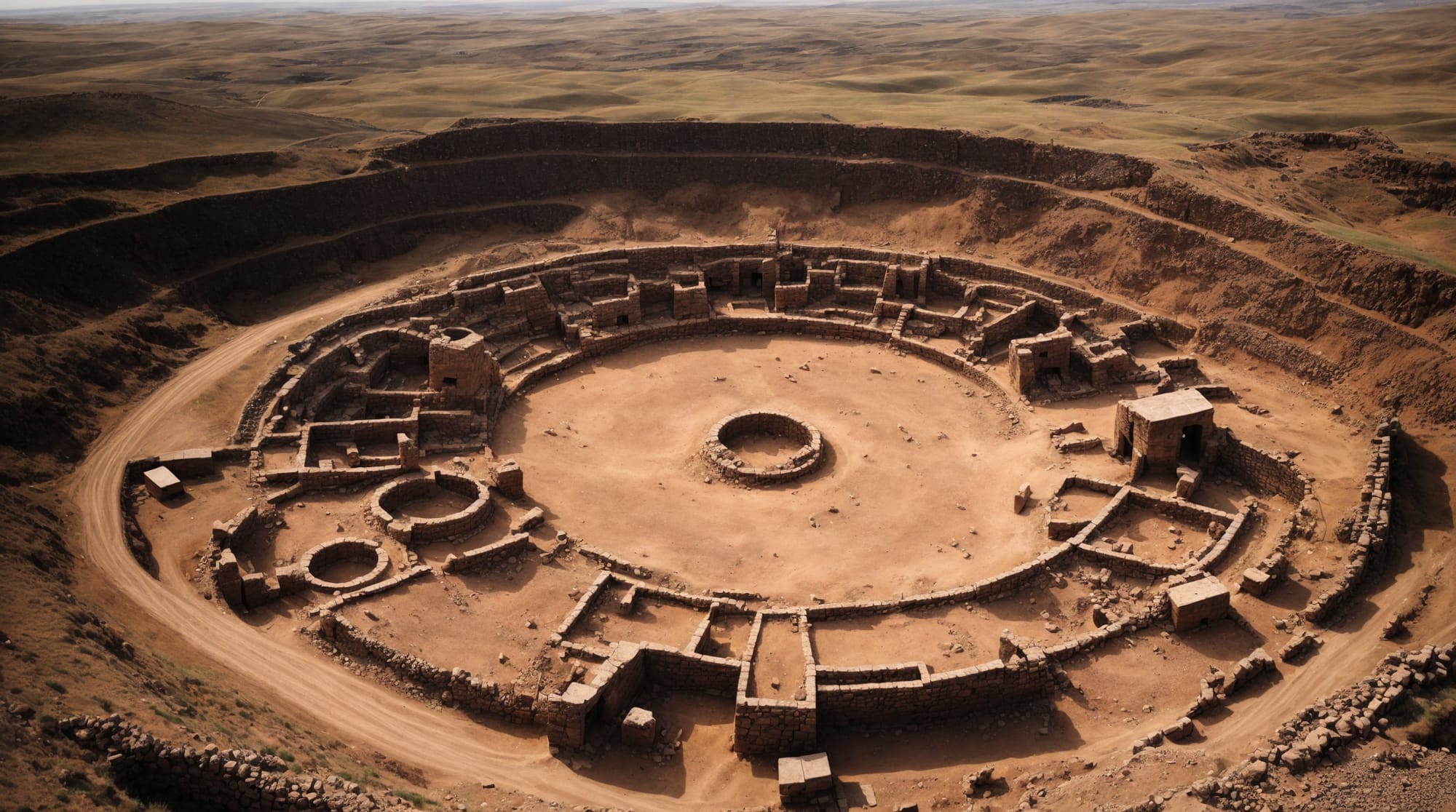
The Architectural Marvel of Ancient Stone Enclosures
The architecture of Gobekli Tepe is as staggering as it is ancient. The massive megalithic pillars, some weighing over 10 tons, were erected by prehistoric people with no access to modern tools or technologies. This feat not only highlights their engineering skills but also suggests a deep-seated need to create lasting monuments. The T-shaped pillars, often linked to anthropomorphic figures, imply advanced understanding of both symbolism and structural stability. By examining these architectural elements, scholars can trace the evolution of building techniques and their integration with spiritual and community activities.
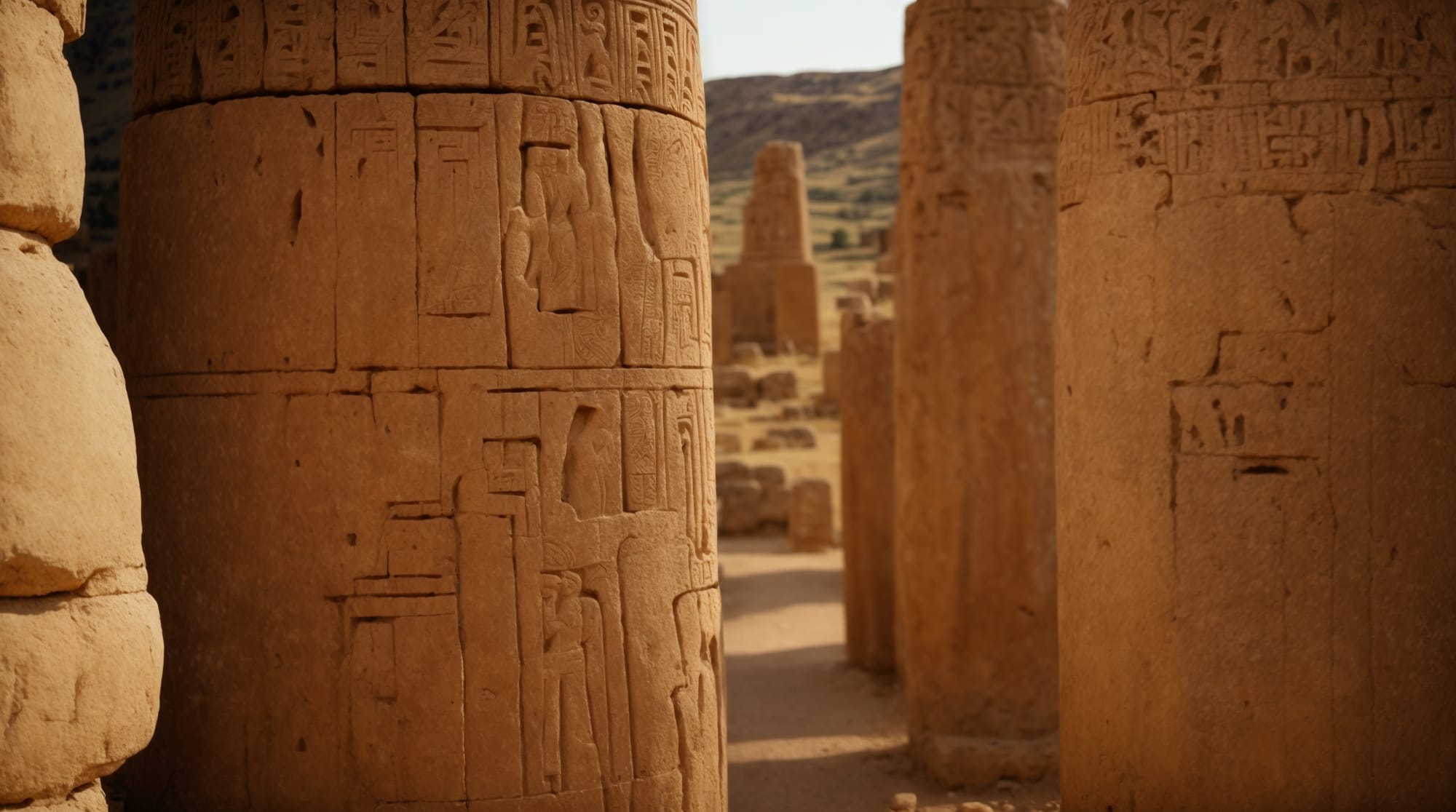
Exploring the Connections with other Neolithic Sites
The influence of Gobekli Tepe extends beyond its immediate geographic area, linking it with other Neolithic sites across the Levant and beyond. The spread of architectural and spiritual ideas may be observed through similarities in site layouts and iconography found in distant regions. This interconnectedness hints at a network of prehistoric communities that shared knowledge and spiritual ideologies, possibly facilitated by migrations and trade. Analyzing these connections helps historians and archaeologists piece together the complex puzzle of early human society and its development.