Göbeklitepe Life
Göbeklitepe Artifacts: Decoding Ancient Symbols & Tools

Göbekli Tepe artifacts include massive T-shaped limestone pillars carved with animal reliefs, flint tools for construction and hunting, and modified bone fragments. These objects date from roughly 9500 to 8000 BCE and reveal how hunter-gatherers organized complex ritual spaces before the invention of agriculture.
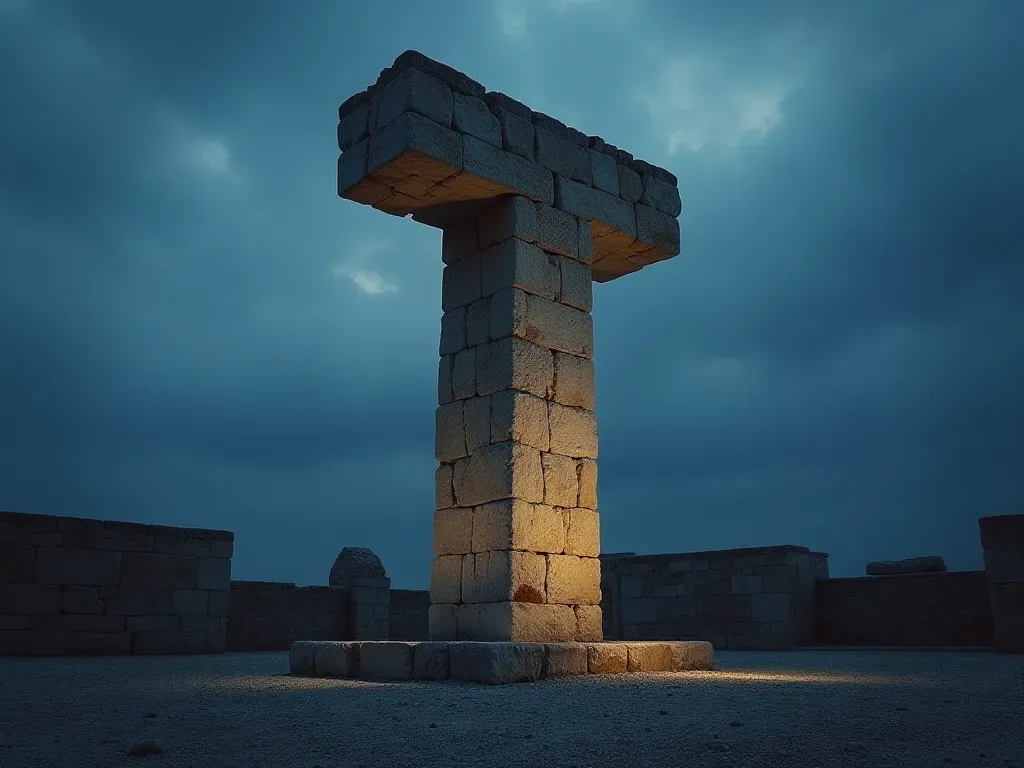
The most striking physical evidence at the site consists of these monumental T-shaped monoliths. Standing over five meters tall, each pillar weighs several tons and serves as a structural anchor for the circular enclosures. Their sheer scale indicates that moving them required coordinated labor far beyond simple domestic needs.
Crafting these heavy stones involved sophisticated extraction techniques from adjacent plateaus. Workers used stone and bone tools to shape the raw limestone into precise forms before transporting them to the site. This process highlights a level of technological planning that challenges traditional views of pre-agricultural societies.
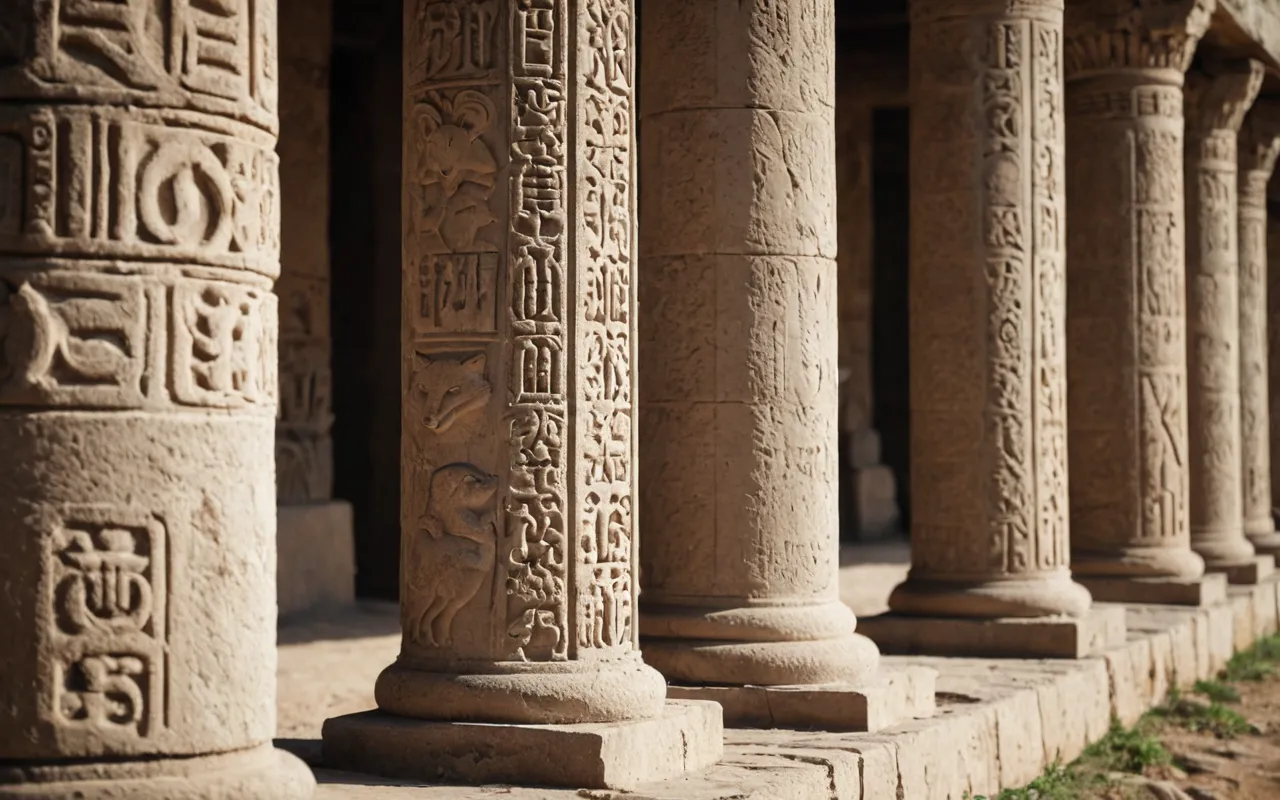
The iconography on these pillars provides direct insight into their symbolic function. Low-relief carvings depict life-size foxes and other fauna, often positioned centrally to face the interior of the enclosure. Such detailed animal representations suggest that these monoliths acted as focal points for communal ritual activities.
Archaeological surveys reveal consistent patterns in how these pillars were arranged within specific structures. For instance, Building B contains seven T-shaped limestone pillars set into the circular wall. Two additional central pillars bring the total number of monoliths to nine, creating a symmetrical layout that likely dictated movement and sightlines during ceremonies.
Small Finds: Flint Tools and Daily Utility
The Practical Toolkit
Excavations at the site have uncovered a prolific assemblage of flint artifacts that contrast sharply with the monumental limestone pillars. These sharp-edged tools were essential for daily survival, serving functions from hunting to processing plant materials. Their presence confirms that these builders maintained robust subsistence strategies while organizing large-scale ceremonial projects.
The typology of these flint implements aligns closely with tools found at contemporaneous settlements across the northern Levant, a pattern documented in comparative studies linking Göbekli Tepe to broader regional networks. This material continuity suggests a shared technological culture among pre-pottery Neolithic communities in the region. The consistency implies that knowledge regarding knapping techniques and tool utility traveled through established social networks rather than developing in isolation.
Beyond flint, bone tools provide evidence of specialized craftsmanship required for stone carving. These implements indicate a division of labor where specific individuals mastered the precise shaping of hard rock. Such expertise was necessary to achieve the intricate relief carvings seen on the pillars, linking practical utility directly to ritual artistry.
Ritual Objects: Modified Bones and Stone Vessels
Modified Skulls and Post-Mortem Ritual
Archaeologists have recovered human skull fragments from Göbeklitepe that show clear signs of deliberate alteration after death. These modifications, including carved lines or smoothed surfaces, suggest a practice distinct from simple burial. The physical treatment implies the deceased remained part of social life in some form, challenging assumptions about Neolithic separation between the living and dead.
Such practices align with broader Upper Mesopotamian trends where ancestor veneration was central to community identity. The careful preservation of cranial fragments indicates specific knowledge regarding decomposition and bone handling. This ritual focus contrasts sharply with the utilitarian flint tools found in the same layers, highlighting a dual economy of labor.
Stone Vessels and Functional Ritual Objects
Small stone vessels and shaft-straighteners also appear in the excavation records, serving roles that blur domestic and ceremonial boundaries. These objects were not merely containers for grain or oil; their placement near architectural features suggests use during specific events. The material choice of hard stone reflects a desire for durability over convenience.
The coexistence of these delicate items with massive T-pillars reveals a cohesive belief system where scale did not dictate importance. A small vessel held the same symbolic weight as a monumental pillar if used in the correct context. This integration ensures that even minor finds contribute to understanding the site's social fabric, rather than serving as isolated curiosities.
Timeline of Material Culture: From 9500 BCE Onward
The Pre-Pottery Neolithic Span
Göbeklitepe functioned as an active settlement from approximately 9500 BCE to at least 8000 BCE. This period falls squarely within the Pre-Pottery Neolithic era, a time when communities were transitioning from nomadic hunter-gatherer lifestyles to settled agricultural societies. The site’s longevity suggests it was not a one-off event but a sustained focal point for regional interaction.
Radiocarbon dating confirms that the earliest excavated structures date between 9500 and 9000 BCE. These initial phases represent the foundational layer of the complex, establishing the architectural and symbolic norms seen in later periods. Understanding this start date provides a critical baseline for identifying which artifacts belong to the formative stages of Neolithic culture.
Eight Phases Over 1500 Years
The material record at Göbeklitepe spans eight distinct phases of development over at least 1,500 years. This long duration allows researchers to trace the evolution of tool-making techniques and ritual practices across generations. Each phase reflects adjustments in social organization or belief systems that left tangible traces in the stone and bone.
This chronological depth challenges simplistic views of prehistory as static. The site demonstrates dynamic change where early monumental pillars gave way to different architectural forms, yet core symbolic elements persisted. Such continuity within a changing framework offers insight into how ancient societies maintained identity while adapting their daily lives and spiritual expressions.

What Remains Undiscovered: The Scope of Excavation
The current understanding of Göbeklitepe relies heavily on a tiny slice of the total evidence base. Surveys indicate that less than 5% of the site had been excavated as of 2021. This means the vast majority of architectural features and associated artifacts remain buried beneath soil layers.
Interpretations drawn from such a limited dataset carry inherent risks. The known T-pillars, flint tools, and modified bones represent only what archaeologists have physically recovered so far. Entire complexes may yet be revealed that challenge or expand existing narratives about social organization.
Future digs will likely uncover objects not currently cataloged in museum collections. These could include new types of ritual vessels, personal adornments, or structural elements unknown to modern scholars. The physical footprint of the site extends far beyond the cleared areas visible today.
Readers should view existing descriptions as provisional rather than definitive. As excavation progress accelerates, the artifact record will grow more complex and nuanced. What appears to be a singular cultural phase may eventually reveal significant internal variation over time.
Frequently Asked Questions
Are there any written tablets or scripts found among the Göbeklitepe artifacts?
No, no written tablets or scripts have been discovered at the site. The culture predates the invention of writing by several millennia during the Pre-Pottery Neolithic period. Evidence consists solely of carved stone reliefs and physical tools rather than any form of recorded language.
How do the tools at Göbekli Tepe compare to those used in later agricultural societies?
The flint tools are distinctively crafted for hunter-gatherer lifestyles rather than farming. They prioritize precision hunting and processing wild resources over heavy agricultural labor. This reflects a pre-agricultural economy that relied on mobility and specialized stone technology.
Can visitors see these specific artifacts in a museum near the site?
Visitors can view many of these artifacts at the Göbekli Tepe Museum located adjacent to the excavation area. This facility displays recovered items including modified bones and stone vessels alongside architectural fragments, while the massive T-pillars remain in situ on-site.
For the full overview, see history of göbekli tepe.
Related in this series: who built gobeklitepe.