Why Ancient Humans Built Temples Before They Invented Farming
The Mistake We Made About Human Progress
We always assumed the story went one way. You learn to farm first. Then you settle down. After that, maybe you build a fancy house or a temple if you're feeling ambitious.
But look at Göbeklitepe. This site sits in southern Turkey and dates back roughly BCE. That is nearly , years ago. And here is the kicker: there are no fields.
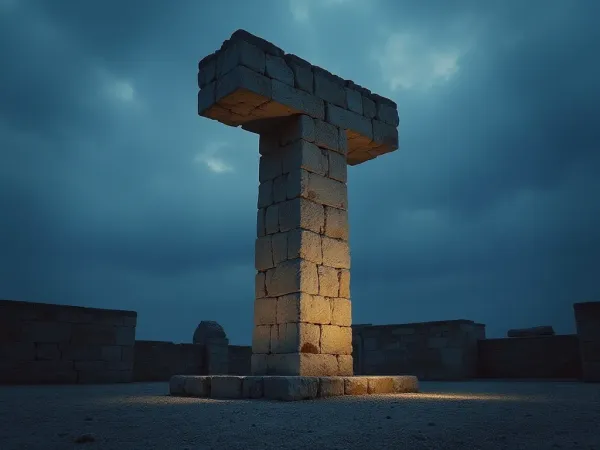
No wheat stores. No cattle pens. Just massive T-shaped pillars carved with animals. These builders were not farmers. They were hunter-gatherers. And they built first.
This flips the script completely. If you think history is a straight line from simple to complex, Göbeklitepe breaks that model. It suggests belief systems came before economic stability.
What The Stones Actually Tell Us
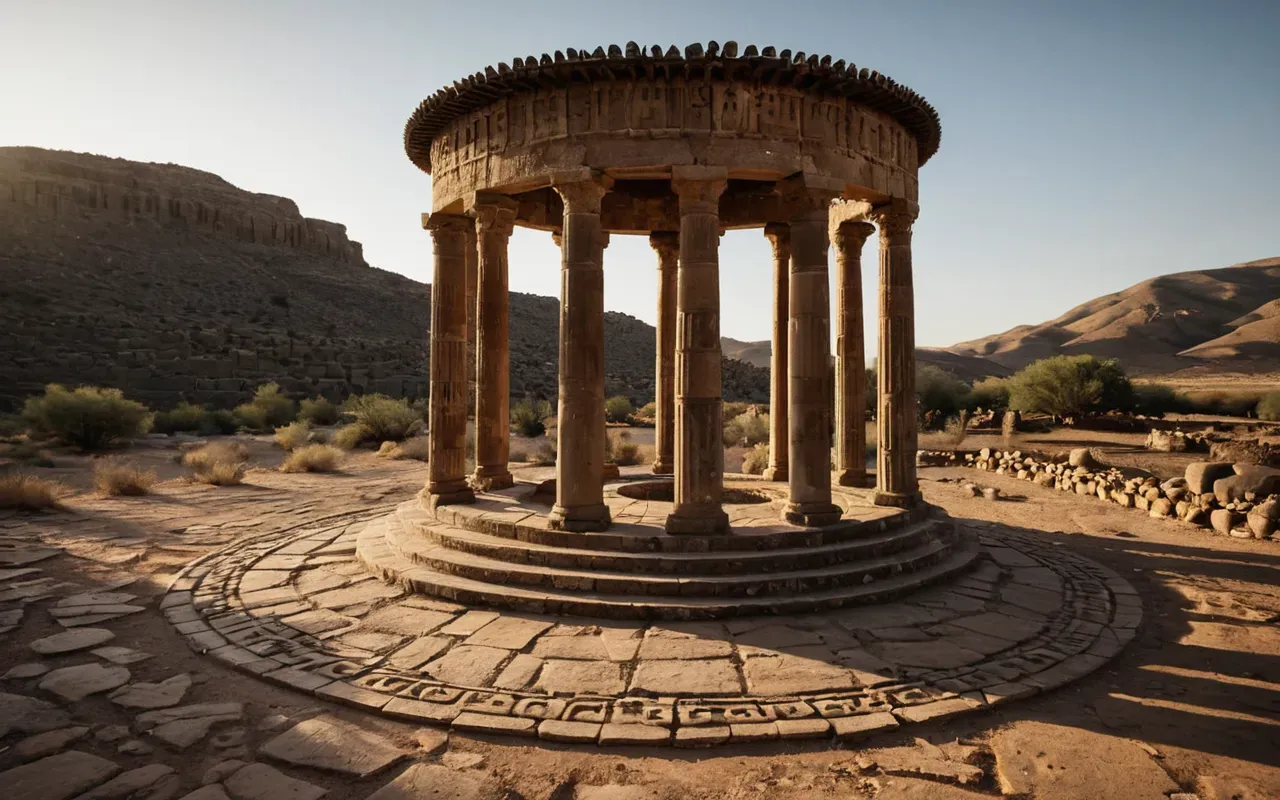
The architecture at Göbeklitepe is not primitive. Each pillar weighs up to ten tons. That requires precise planning and significant manpower to move and erect.
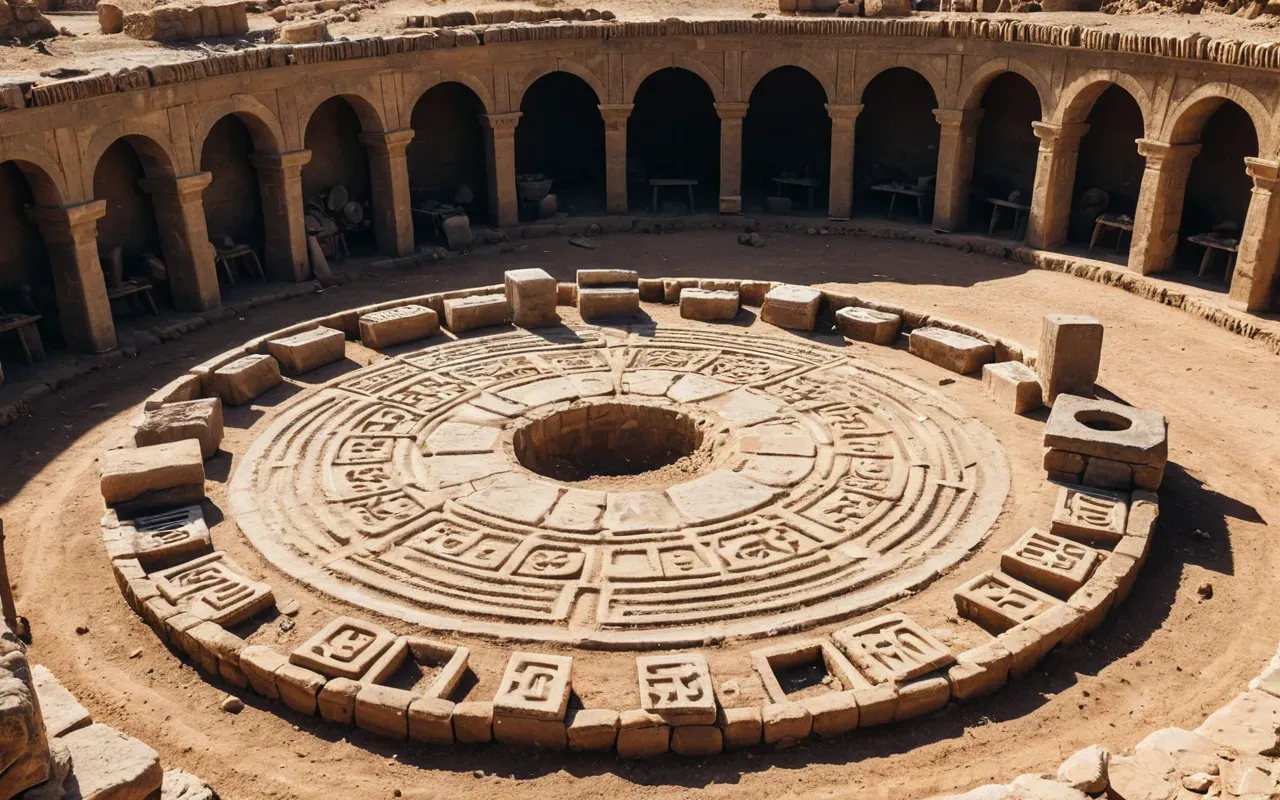
Researchers found micro-scarification on the stone surfaces. This technique involves fine pecking to smooth hard rock. It is a sophisticated masonry skill usually associated with later periods.
And the reliefs are not random. Birds of prey appear repeatedly. Vultures and eagles dominate the visual narrative. This suggests a specific cosmology or ritual purpose.
I find it fascinating that these people organized labor for art and religion before they optimized food production. That is a profound statement about human priorities.
Challenging The Farming First Narrative
Standard textbooks say agriculture led to sedentary life. Sedentary life led to social complexity. Complexity allowed for monumental architecture.
But Göbeklitepe disrupts this chain. The site shows large-scale construction without the agricultural surplus that supposedly funds such projects.
So how did they feed a workforce capable of moving ten-ton stones? Likely through seasonal gathering and hunting. But the coordination required suggests social structures we underestimate.
This implies that shared belief systems may have been the primary driver of social organization. Not food storage. Spirituality first.
The Engineering Implications We Ignore
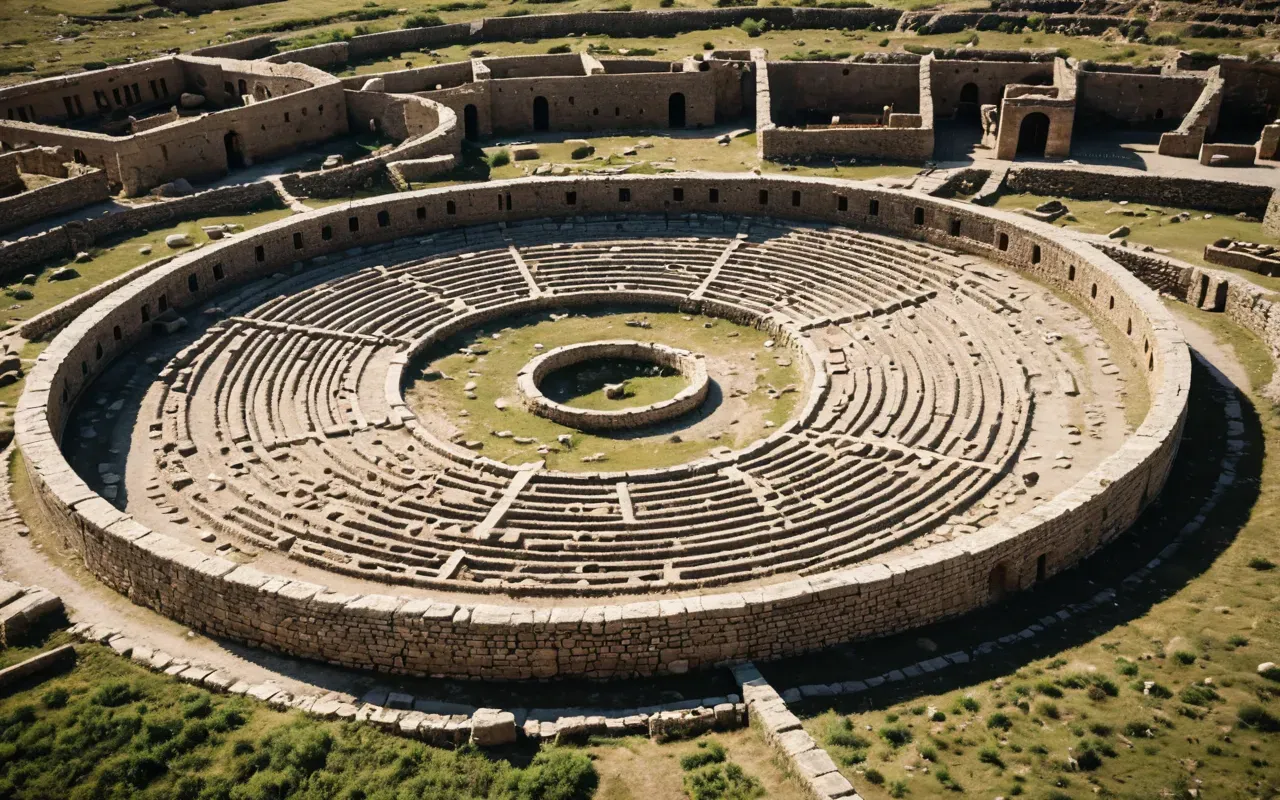
Think about the logistics. These are not small huts. The enclosures span several meters in diameter. Aligning these structures requires basic surveying skills.
We often dismiss early humans as simple tool users. But moving a ten-ton pillar without wheel technology demands engineering knowledge that rivals later Bronze Age techniques.
If you are interested in how these early builders managed such complex tasks, reading about Göbeklitepe tools that prove humans were engineers first offers a deeper look at their capabilities.
Why Belief Came Before Bread
This is the most controversial part. It suggests that religion or ritual was not a byproduct of civilization but its catalyst.
Humans may have built these structures to ensure survival. Not through practical farming, but through spiritual negotiation with the forces of nature.
That is a radical shift from the materialist view. It places human psychology and belief systems at the center of technological development.
We tend to think early humans were driven by hunger. Göbeklitepe suggests they were driven by meaning.
The Social Contract That Preceded Agriculture
Building a temple requires consensus. You need leaders to organize labor. You need specialists in stone carving. This is social complexity.
And this happened before the safety net of surplus food existed. The social contract was based on shared purpose rather than economic stability.
This challenges our modern assumption that economics drives culture. Sometimes, it is the other way around.
What This Means For Our Understanding Of History
If Göbeklitepe is the norm rather than an exception, we must rewrite entire chapters of human history.
We are not a species that slowly accumulated tools and then started thinking. We were thinkers first.
This changes how we view other ancient sites. Many structures previously dismissed as simple shelters may hold deeper ritual significance.
The implications extend beyond archaeology. It affects anthropology, psychology, and even our view of human nature.
A New Timeline For Human Complexity
Traditional timelines place the Neolithic Revolution around , BCE. But Göbeklitepe predates this by centuries.
This means complex social structures existed in the Epipaleolithic period. A time previously thought to be dominated by simple nomadic groups.
We need to stop viewing human progress as a ladder. It is more like a web of innovations that interacted in unpredictable ways.
The Uncomfortable Truth About Human Origins
We like to think we are rational beings who evolved through practical problem-solving. Göbeklitepe complicates that image.
It suggests we are fundamentally symbolic creatures. We build meaning before we build infrastructure.
This is not a small distinction. It changes how we interpret every other discovery from the Stone Age.
If you want to see more examples of how ancient sites challenge modern assumptions, explore the missing link in the ancient civilizations timeline that is hiding in plain sight.
Rethinking The Definition Of Civilization
Civilization is usually defined by cities, writing, and centralized government. But Göbeklitepe has none of these.
Yet it shows monumental architecture and social organization. So where do we draw the line?
Perhaps the definition is too narrow. Maybe it should include shared belief systems and collective labor as core components.
This is a philosophical question that archaeologists are still grappling with today.
Looking Forward To New Discoveries
Göbeklitepe is just one site. There are likely others waiting to be found in the region.
Each new find could further complicate our understanding. We are only beginning to peel back the layers.
The more we learn, the less certain our narratives become. But that is a good thing.
It means we are not stuck with outdated ideas. We can keep updating our view of the human story.
For those interested in how specific evidence challenges traditional views, see Göbeklitepe researchers who finally admit they may have been wrong about a massive ritual practice.
The Role Of Technology In Uncovering Truths
Modern tools like LiDAR are revealing structures hidden beneath vegetation. This could find more sites similar to Göbeklitepe.
These technologies allow us to see the landscape as early humans might have. It changes our perspective entirely.
We are no longer limited to what is visible on the surface. The ground itself tells a richer story.
This technological advancement ensures that our understanding will continue to evolve for decades to come.
Why This Matters To You Today
You might wonder why a site from BCE matters now. It does because it changes how we see ourselves.
We are not just products of our environment. We actively shaped it through belief and cooperation.
This gives us a deeper respect for our ancestors. They were not just surviving; they were creating meaning.
In a world that often feels fragmented and materialistic, this reminder of shared purpose is powerful.
It challenges us to look beyond immediate needs and consider the larger narrative we are building together.
The Enduring Legacy Of Early Builders
Göbeklitepe stands as a monument to human ingenuity and belief. It outlasted empires that came after it.
The people who built it are long gone. But their choices echo through thousands of years.
They chose to build something that mattered beyond their own lives. That is a timeless human impulse.
And in doing so, they changed the course of history more than we ever realized.
Next time you visit an ancient site, remember: they were not just building stones. They were building the foundation of human complexity.